Table of contents
- Benefits of AV Integration in Educational Spaces
- AV Integration Solutions for Educational Spaces
- Challenges and Considerations for AV Integration in Educational Spaces
- Benefits of AV Integration in Corporate Spaces
- AV Integration Solutions for Corporate Spaces
- Challenges and Considerations for AV Integration in Corporate Spaces
- Conclusion
- Frequently Asked Questions
In today’s rapid world, AV integration has become a cornerstone in both educational and corporate environments. It’s transforming how we learn, collaborate, and communicate. At Schaller Design Lab, we’re at the forefront, helping clients globally harness the power of audiovisual technology.
Whether you’re looking to revamp your conference room or create an interactive classroom, our team has the expertise to bring your vision to life. We understand the unique needs of each space and offer tailored solutions that enhance engagement and productivity.
If you’re ready to elevate your educational or corporate space with cutting-edge AV integration, look no further. Reach out to us for consultation, project design, or advice on implementing the right solutions and equipment. Let’s make your project a resounding success, no matter where you are in the world.
Benefits of AV Integration in Educational Spaces
Enhanced Learning Experience
We’ve observed a drastic improvement in student engagement thanks to AV integration. Incorporating audiovisual tools into the classroom brings lessons to life, allowing for a dynamic and memorable way to digest complex subjects. For instance, interactive whiteboards help real-time problem-solving sessions, while document cameras enable the whole class to view close-up demonstrations. These technologies cater to various learning styles—auditory, visual, and kinesthetic—ensuring that every student’s needs are met.
Interactive Collaboration
AV integration fosters an environment where students and teachers can collaborate with ease. Video conferencing tools empower us to bring experts into the classroom from around the world, bridging gaps that were once insurmountable due to geographical limitations. Group projects benefit from screen-sharing capabilities, leading to enhanced teamwork skills and peer-to-peer learning. The result is a robust academic community that thrives on the seamless exchange of ideas.
Improved Accessibility
In our commitment to inclusivity, AV integration is key in making education accessible to all. Closed-captioning systems and assistive listening devices are transformative for students with visual and hearing impairments. Also, educational material becomes universally accessible, as students can review recorded sessions and digital content at their own pace. By integrating AV technology, we ensure that every student has the opportunity to reach their full potential.
AV Integration Solutions for Educational Spaces
Interactive Whiteboards and Displays
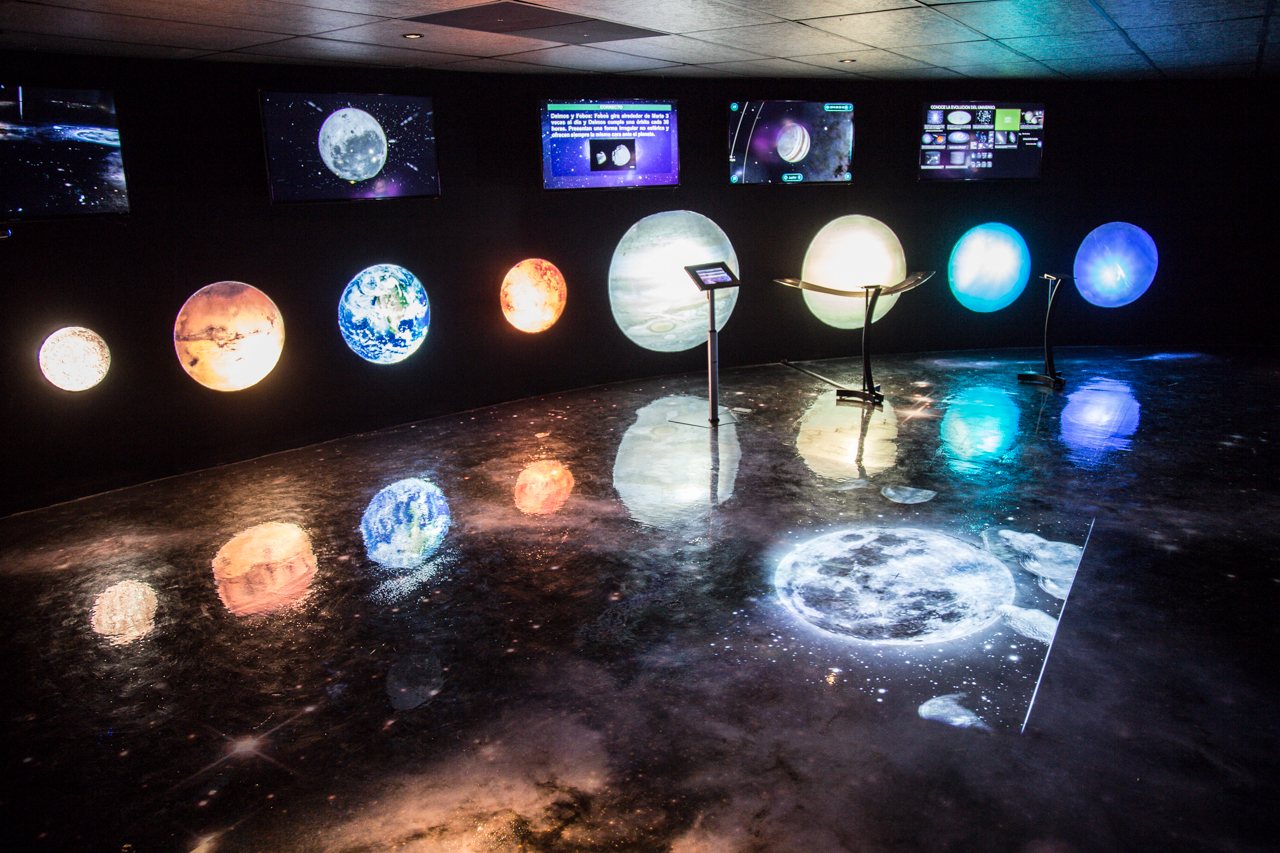
Journey through the stars: An immersive AV experience in space education.
In today’s classrooms, interactive whiteboards and displays are key tools that help dynamic learning. They’ve transformed the traditional chalkboard into a multimedia hub where educators can present information in various formats. We’ve seen an increase in retention rates when lessons are interactive, and these smart boards make it happen. With the ability to access the internet, display graphics and videos, and even allow students to interact directly via touch or special pens, interactive whiteboards cater to multiple learning styles at once—visual, auditory, and kinesthetic.
Video Conferencing Systems
The adoption of video conferencing systems in educational spaces is no longer just a trend but a staple. These systems bridge distances and bring experts from any part of the world right into the classroom. Video conferencing fosters a global learning environment where students can engage in cross-cultural exchanges, attend virtual field trips, and collaborate on projects in real-time. It’s not just about seeing and hearing each other; it’s also about sharing desktops, presentations, and other vital resources that enhance the educational experience.
Classroom Audio Systems
Audio clarity is crucial for effective communication and learning. Classroom audio systems are designed to ensure that every spoken word is crystal clear. This isn’t just about volume; it’s about intelligibility. Whether it’s through ceiling speakers, lapel microphones for teachers, or soundfield systems, the goal is uniform sound distribution, so all students, regardless of where they sit, receive the same information at the same quality. This technology supports diverse needs, including those of students who may require assistive listening devices.
Challenges and Considerations for AV Integration in Educational Spaces
Budget Constraints
Integrating audiovisual technology into educational spaces often involves a significant financial investment. School districts and academic institutions face tight budgets, making the procurement of advanced AV equipment a complex affair. Current figures show that over 70% of schools allocate less than $100 per student for technology-related expenses annually. This limited funding means that administrators must prioritize spending, often at the expense of investing in new AV systems.
- To manage costs, educators seek versatile AV solutions that provide value for money.
- Grants and funding programs are critical in supplementing school budgets.
Teacher Training and Support
Successful AV integration isn’t just about the tools; it’s also about the users. A common hurdle is ensuring that educators are well-equipped to leverage these technologies. Nearly 50% of teachers report needing more training to integrate digital tools into their teaching effectively. Ongoing professional development is crucial, as it ensures that:
- Educators have the skills to use AV technologies to their full potential.
- Students receive the best possible learning experience empowered by these tools.
- The investment in AV tech translates into tangible educational outcomes.
Teacher training programs must be comprehensive and accessible to maximize AV integration benefits.
Compatibility and Future-proofing
Deciding on the right AV equipment is a balancing act between current compatibility and future readiness. An estimated 85% of educational institutions seek technology that integrates seamlessly with existing devices. This need highlights the importance of selecting scalable and adaptable AV solutions that align with:
- The existing technical infrastructure of the educational space.
- The rapid pace of technological advancement.
Ensuring that AV systems are future-proof protects against obsolescence and supports long-term use, allowing schools to get the most out of their investment. Opting for technology with industry-standard interfaces and upgrade paths is critical to meeting the evolving needs of educators and students alike.
Benefits of AV Integration in Corporate Spaces
Effective Communication and Collaboration
In today’s rapid corporate environment, effective communication is paramount. With AV integration, businesses enjoy seamless audio and video conferencing, enabling teams to collaborate regardless of their physical locations. Our experience shows that high-quality AV systems help clearer conversations, reduce misunderstandings, and support multi-party dialogue. This level of interaction fosters a collaborative culture where ideas are shared freely, leading to more innovative solutions. Integrated AV tech also allows for real-time sharing of digital materials, making meetings more dynamic and engaging.
Enhanced Presentations and Trainings
Exceptional AV solutions transform the way presentations and trainings are conducted. By integrating interactive displays and high-definition audio systems, presenters can captivate their audiences and convey their messages more effectively. Trainings become more interactive, with trainers able to use multimedia content to enrich the learning experience. Data shows that people retain approximately 65% more information when visual aids are used alongside verbal instruction. This enhancement not only ensures that content is understood but also remembered long after the presentation is over.
| Learning Retention Rates | With Visual Aids | Without Visual Aids |
|---|---|---|
| Information Retention | 65% | 10% |
Increased Productivity and Efficiency
AV integration directly contributes to increased productivity and efficiency within corporate spaces. Advanced AV setups streamline the flow of information and automate routine processes. Digital signage, for example, can deliver real-time company metrics or news, keeping staff informed without manual intervention. Besides, wireless connectivity reduces the time spent on setting up for meetings, while centralized control systems allow for quick adjustments during presentations, saving valuable time. In short, AV technology creates an environment where business processes are accelerated, and information dissemination is effortless. Our dedication to uncovering the most effective AV solutions for corporate spaces is unwavering. We understand that every minute counts in business and firmly believe that the right AV integration strategy can make all the difference in staying ahead of the competition.
AV Integration Solutions for Corporate Spaces
Video Walls and Digital Signage

Under the stars: An innovative AV experience in modern education.
In today’s rapid corporate environment, video walls are redefining how we share information and engage employees. With the ability to display dynamic content across multiple screens, video walls create an immersive experience that’s hard to overlook. They’re becoming a central element in lobbies, control rooms, and large meeting spaces. By displaying real-time data, news feeds, and corporate announcements, they keep everyone informed and aligned with company objectives.
Digital signage, on the other hand, serves as both informational and promotional tools. Strategically placed around office spaces, they offer a dynamic way to showcase achievements, display welcome messages for visitors, or guide them through complex corporate environments. Their versatility means content can be updated quickly and remotely, providing a flexible means to communicate with staff and visitors alike.
Conference Room Solutions
Modernizing conference rooms with AV integration leads to more efficient meetings. Picture the ease of starting a meeting with one-touch controls that adjust lighting, sound, and presentation equipment. Incorporate high-definition audio systems to ensure everyone’s heard, regardless of their location. With the right installation, even remote participants can feel as though they’re in the room with us.
Incorporating interactive displays not only captivates audiences but also encourages collaboration. Participants can share content from their own devices seamlessly, fostering a highly interactive and productive meeting environment. It’s essential to integrate systems that are user-friendly, ensuring that meetings start on time without technical difficulties.
Unified Communication Systems
Adopting unified communication systems transforms how we interact within the corporate world. These systems integrate voice, video, messaging, and collaboration tools into a single, cohesive platform, allowing employees to communicate effectively, no matter where they are. The result is a more connected workforce capable of collaborating in real-time, leading to quicker decision-making and problem-solving.
By integrating these systems into our corporate spaces, we ensure consistency and reliability in communication. Employees can switch between different modes of communication with ease, improving overall workflow and productivity. The implementation of unified communications is a critical step in supporting a mobile and dynamic workforce that’s becoming increasingly common in today’s business world. With well-executed AV integration solutions for corporate spaces, we create environments that not only enhance communication but also foster a culture of collaboration and innovation.
Challenges and Considerations for AV Integration in Corporate Spaces
Our exploration of AV integration in corporate spaces has led us to identify key challenges and considerations that businesses face when incorporating this technology. These factors are critical to ensure that the AV solutions not only meet current needs but also anticipate future demands.
Scalability and Flexibility
When incorporating AV technology into corporate spaces, scalability is a crucial aspect to consider. We understand that businesses evolve and so do their communication requirements. As companies grow or restructure, their AV systems must be capable of scaling up or down accordingly.
Flexibility also plays a vital role in AV integration. In the rapid corporate world, the ability to adapt quickly to changes can be the difference between leading the market and falling behind. Flexible AV systems allow for rapid reconfiguration to support various formats and types of meetings or events.
| Considerations for Scalability and Flexility | Importance |
|---|---|
| Easy Expansion of AV Systems | High |
| Upgradability without Major Overhauls | Critical |
| Compatibility with Multi-platform Software and Hardware | Essential |
| Support for Various Communication Styles and Requirements | Necessary |
We’re aware that these requirements are non-negotiable for a future-proof AV setup.
IT Integration and Support
A seamless IT integration ensures that AV systems work harmoniously with existing platforms and software. When AV solutions are poorly integrated, it leads to inefficiencies and disruptions that can hinder everyday operations. Hence, we advocate for IT and AV alignment from the get-go, with a clear roadmap for continued support and maintenance.
Our strategy often includes:
- Streamlined communication between IT and AV teams.
- Comprehensive training for staff to optimize the use of new systems.
- Ongoing technical support to resolve issues swiftly and maintain system functionality.
| Key IT Integration Factors | Role |
|---|---|
| Network Compatibility and Reliability | Non-negotiable |
| Data Synchronization and Management | Fundamental |
| User-friendly Interface | Imperative |
| Regular Software Updates and Patches | Must-have |
Integrating AV solutions that complement and enhance IT infrastructure is not just a smart move—it’s essential.
Security and Privacy
In modern digital era, security and privacy remain at the forefront of concerns in AV integration. We do not compromise on implementing robust security protocols that protect sensitive information transmitted through AV systems. This involves encrypting data streams, securing network access, and regularly updating firmware to patch any vulnerabilities.
Privacy considerations also entail ensuring that the AV systems are compliant with data protection regulations. We’re committed to:
- Securing data and communications at every layer.
- Implementing access controls to restrict unauthorized use of AV resources.
- Monitoring systems to detect and respond to threats promptly.
| Security Measures | Importance |
|---|---|
| Data Encryption for Transmissions | Essential |
| Secure Network Configurations | Mandatory |
| Compliance with Data Protection Laws | Legal Requirement |
| Routine Security Audits | Critical |
By emphasizing the importance of strong security and privacy measures, we ensure that corporate AV systems are not only efficient and productive but also safe and compliant.
Conclusion
We’ve uncovered the key to successful AV integration in both educational and corporate settings: it’s all about embracing scalability, flexibility, and security. As we forge ahead, let’s prioritize systems that grow with our needs, offer seamless IT compatibility, and protect our data. We’re committed to ensuring our AV solutions not only meet today’s demands but are ready to adapt to tomorrow’s innovations. Let’s keep pushing the boundaries of communication and collaboration, making our spaces more connected and efficient than ever before.
Frequently Asked Questions
What is AV integration and why is it important for corporate spaces?
AV integration refers to the process of combining audiovisual systems with other technology and infrastructure within a corporate space. Its importance lies in improving communication, collaboration, and overall productivity by providing scalable and flexible solutions tailored to a business’s evolving needs.
What should be considered for scalability in AV systems?
For scalability in AV systems, it’s important to consider the ease of expansion, upgradability, compatibility with various software and hardware platforms, and the ability to support different communication styles and requirements.
How does IT integration support AV systems?
IT integration supports AV systems by ensuring seamless interaction with existing platforms and software. This includes network compatibility, data synchronization, management capabilities, and a user-friendly interface.
Why is regular software updating important?
Regular software updates and patches are vital to maintaining system security, adding new features, improving functionality, and ensuring the system continues to run smoothly and efficiently over time.
How do security and privacy impact AV integration?
Security and privacy are critical to AV integration as they involve implementing robust security protocols, securing data and communications, and ensuring compliance with data protection regulations to protect against unauthorized access and breaches.
Our Portfolio

Santa Cecilia de Logroño Church
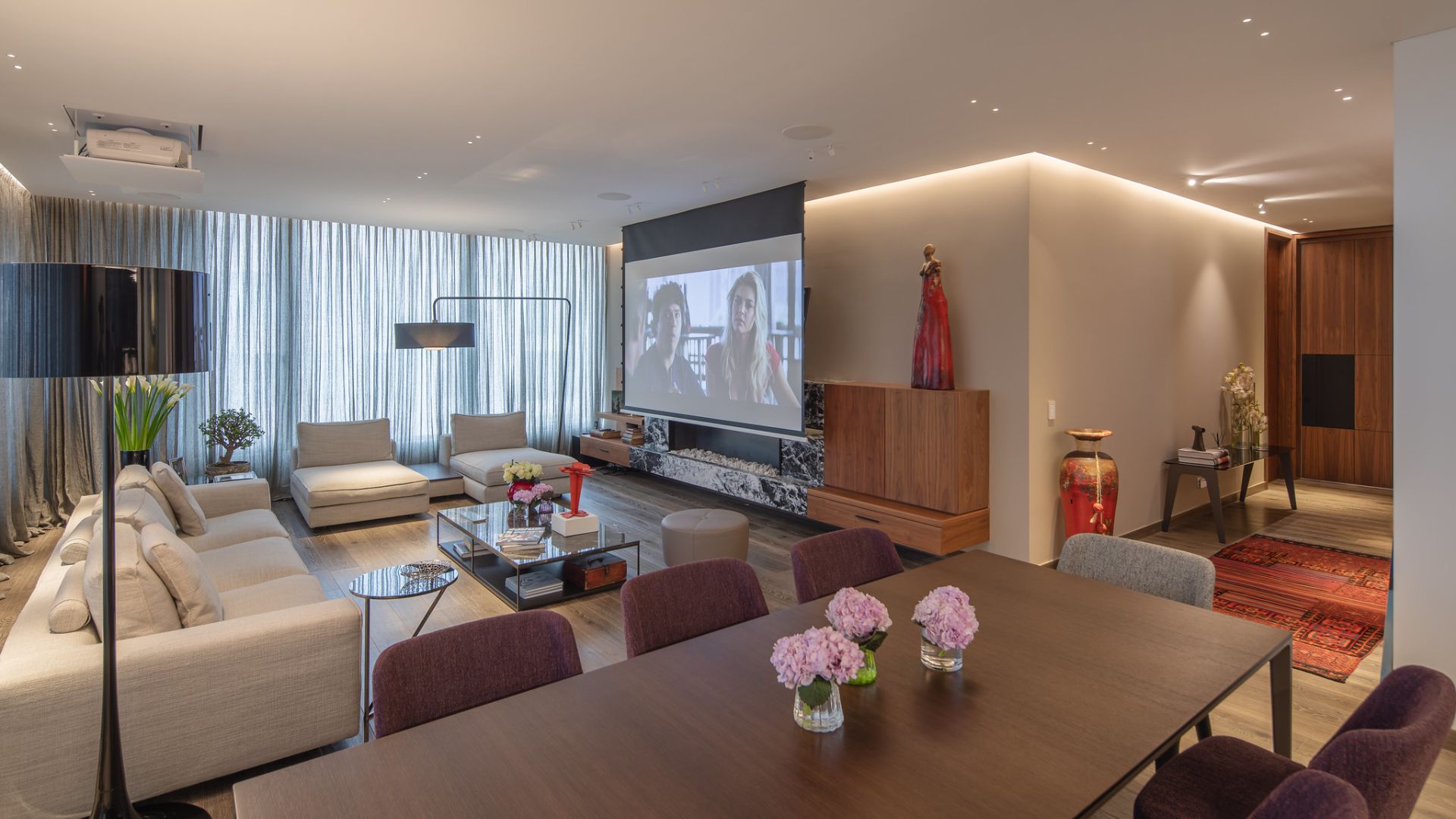

Master Auditoriums at UniNorte: How Schallertech Created a 21st Century Learning Space


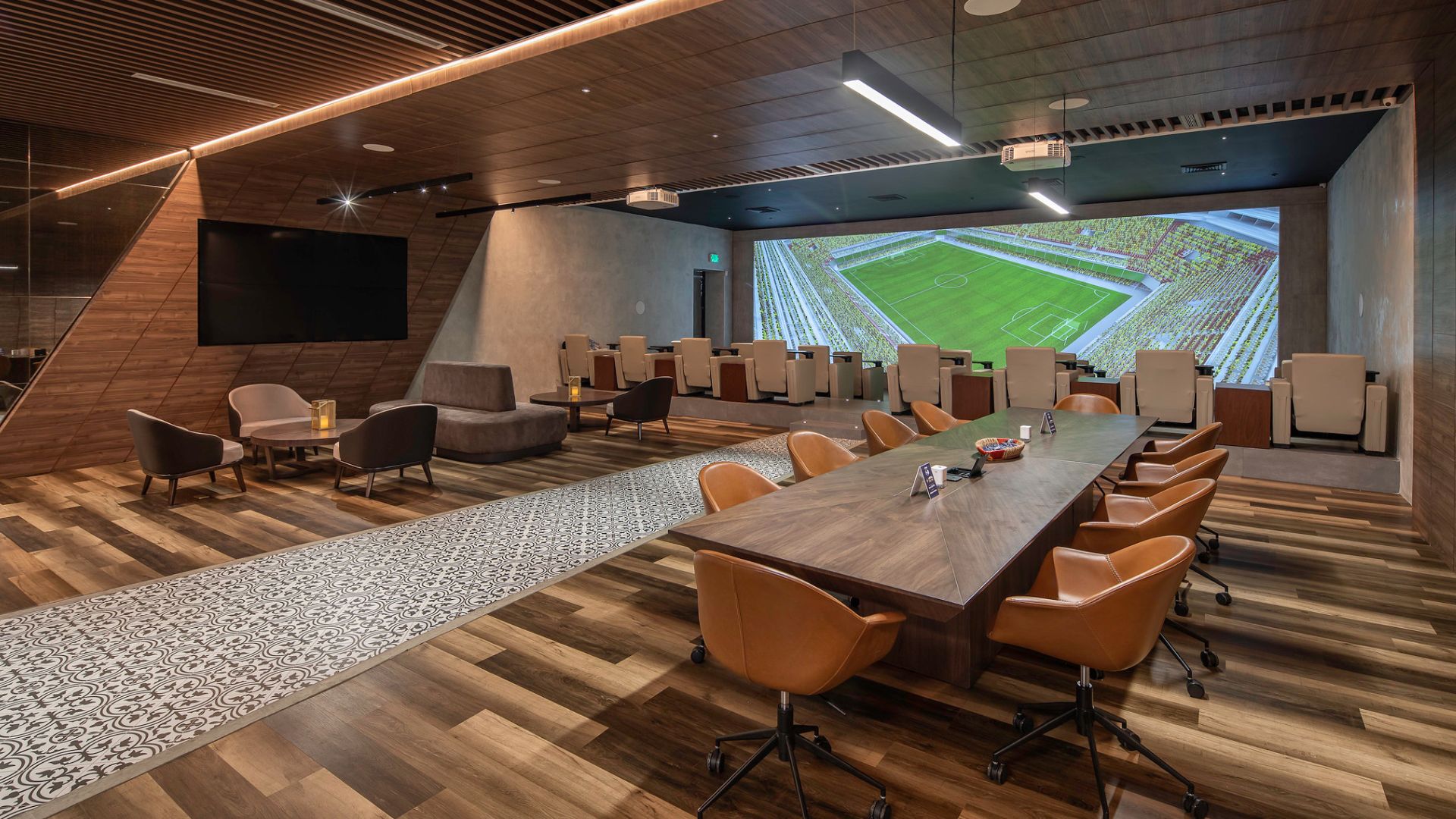


Universidad del Atlantico Theater: A Legacy of Technological and Cultural Innovation
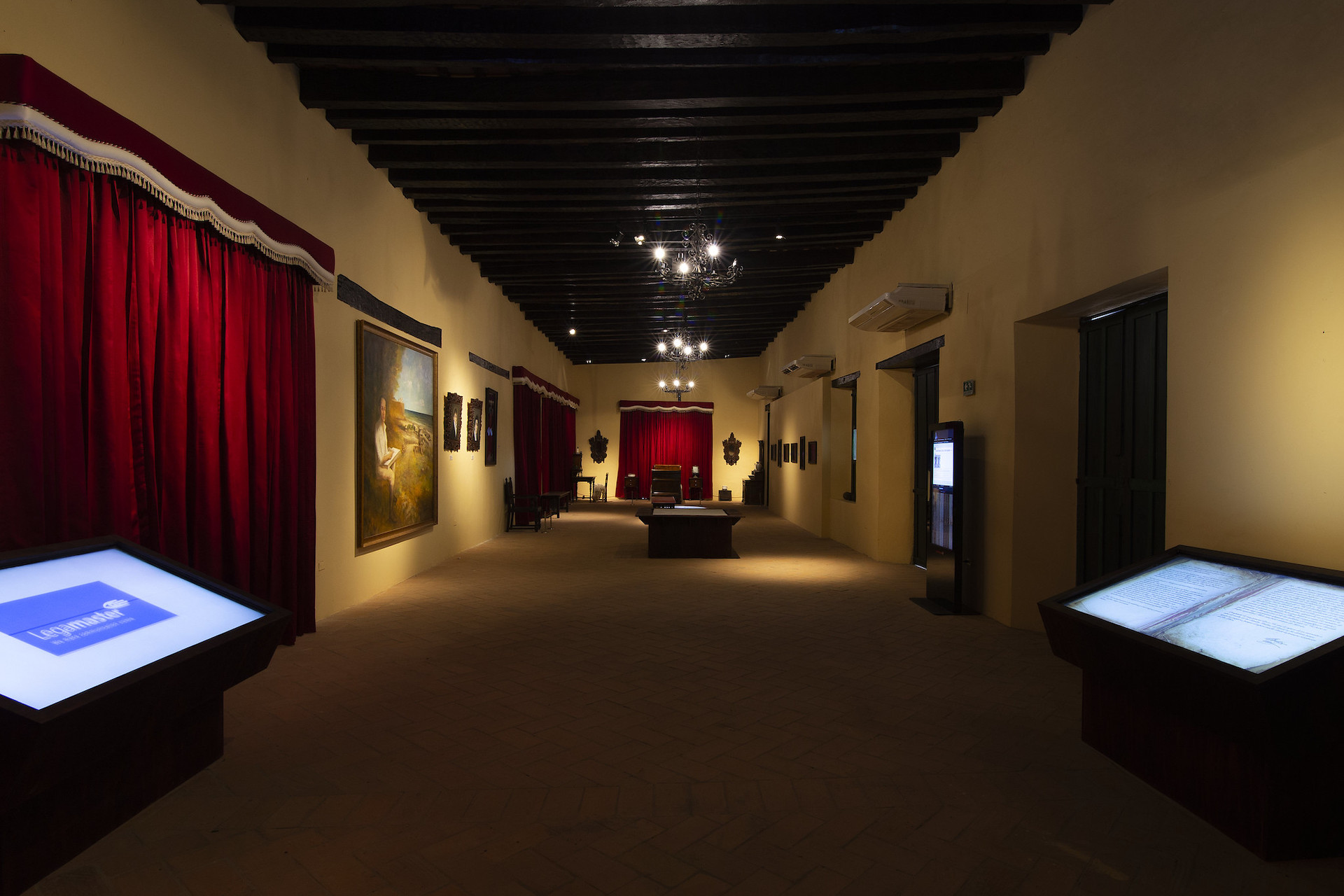
The Renaissance of the Bolivarian Museum of Soledad: Technology and Tradition Intertwined

Table of contents
- Benefits of AV Integration in Educational Spaces
- AV Integration Solutions for Educational Spaces
- Challenges and Considerations for AV Integration in Educational Spaces
- Benefits of AV Integration in Corporate Spaces
- AV Integration Solutions for Corporate Spaces
- Challenges and Considerations for AV Integration in Corporate Spaces
- Conclusion
- Frequently Asked Questions