Table of contents
We’re on the brink of a visual revolution, thanks to the latest innovations in screens and projection systems. From razor-thin displays to immersive projection environments, technology is transforming how we see and interact with digital content.
At Schaller Design Lab, we’re at the forefront of integrating these cutting-edge solutions. Whether you’re looking to revolutionize your space with the latest tech or need expert advice on the best equipment, we’re here to help, no matter where you are in the world.
Join us as we investigate into the most groundbreaking advancements that are redefining our visual experiences. If you’ve got a project that could use a touch of innovation, don’t hesitate to reach out to us for design, consultation, or implementation support.
Evolution of Screens and Projection Systems
Early Display Technologies
Our journey through screen technology begins with humble cathode-ray tubes (CRTs), which were the standard for decades. These bulky displays used electron beams to light up phosphorescent screens, layering red, green, and blue to render full-color images. While they were revolutionary, their significant footprint and weight limited their versatility.
Introduction of Flat Screens
As we entered the late 20th century, flat-screen technology marked a paradigm shift. Liquid Crystal Displays (LCDs) and Plasma screens started to replace CRTs with their sleek profiles and improved energy efficiency. LCDs worked by manipulating light through liquid crystals sandwiched between glass panels, while Plasma utilized small cells containing electrically charged ionized gases. Their lightweight design enabled a surge in portable devices and modern aesthetics for home entertainment setups.
Advancements in Projection Systems
We’ve seen remarkable enhancements in projection systems as well. Traditional bulky projectors gave way to sleeker models and then to ultra-short-throw (UST) projectors. With UST technology, you can project a massive image from just inches away from the display surface. Modern projectors now boast sharper resolutions, laser-based light sources for rich colors, and lifelike contrast ratios.
- Enhanced Brightness
- Improved Color Accuracy
- 4K and 8K Resolution
These developments allow us to create immersive experiences in home theaters, corporate spaces, and large-scale events, transforming the way we present and consume visual content.
Ultrathin Screens
Benefits of Ultrathin Screens
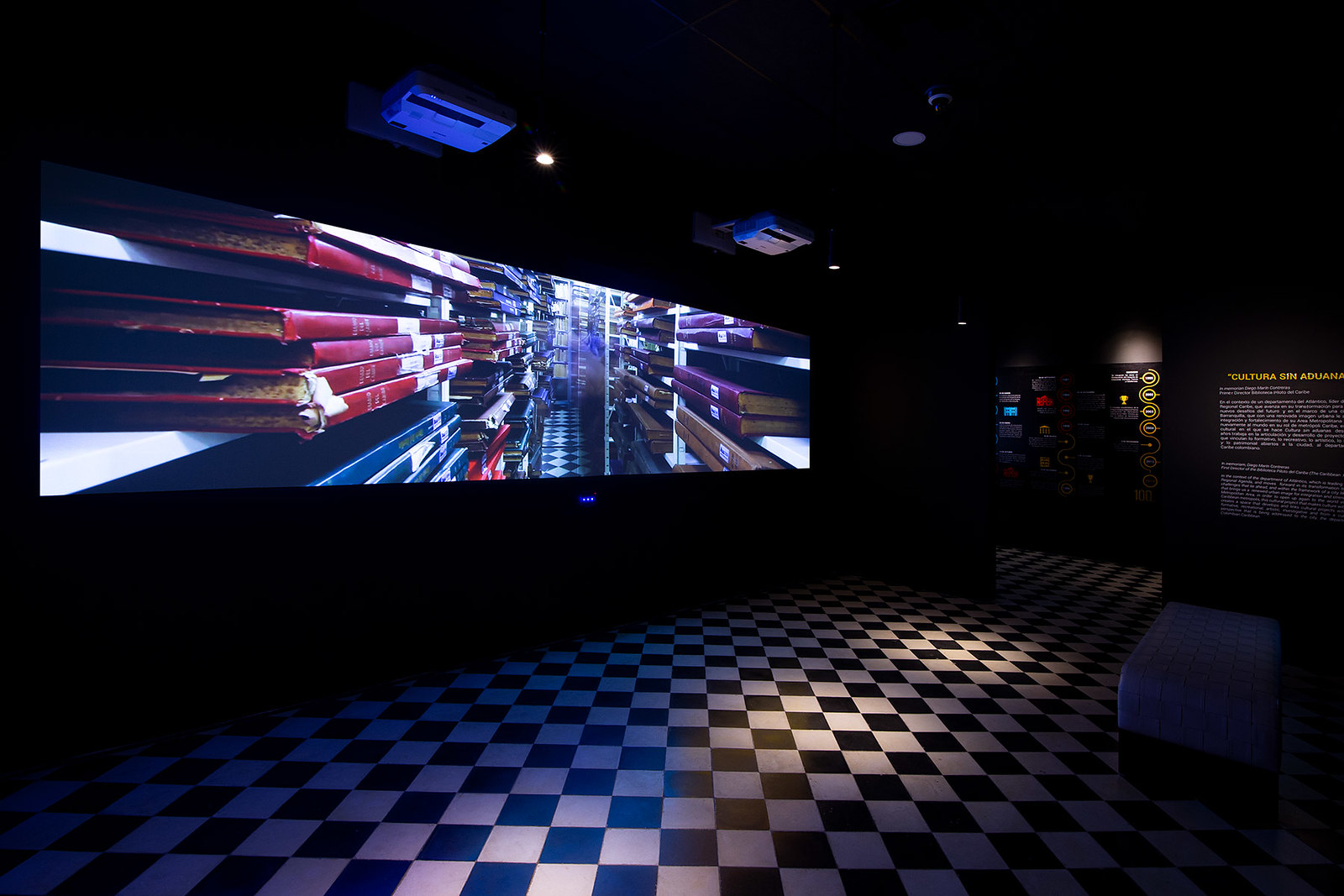
A modern room showcasing a large screen with a vibrant display, offering a unique visual experience.
We’re witnessing a sensational shift with ultrathin screens becoming the epicenter of modern visual technology. Bold in design and performance, their ultra-slim profile is more than just an aesthetic triumph. They offer a multitude of advantages, providing unparalleled space-saving capabilities, making them ideal for minimalist setups and compact living spaces. Their lightweight build transforms installation, granting us the freedom to mount or relocate screens with remarkable ease. Also, the minimalistic structure drastically cuts down on the use of materials, effectively reducing the environmental impact. The technology behind these screens is designed to consume less power, leading to significant energy savings.
Ultrathin screens aren’t just easy on the eyes and the environment; they also boast superior picture quality. Thanks to advanced display technologies, these screens deliver vivid colors and deeper blacks, elevating our viewing experience to immersive heights.
Current Limitations
Even though their impressive advancements, ultrathin screens aren’t without their shortcomings. Currently, these screens tend to come at a premium price, becoming a significant deciding factor for many consumers. Durability can also be a concern, as the lightweight nature of these screens may translate to increased susceptibility to damage if not handled with care.
Another notable limitation is the availability of sizes. While traditional displays come in an extensive range of sizes, ultrathin models often focus on larger dimensions, limiting options for those seeking more modest or custom-sized screens.
Also, while they save energy, they sometimes require compatible accessories or mounts, which might not be readily available or could be costly, impacting the overall setup’s cost-efficiency and convenience.
Future Developments
As we investigate deeper into the future, we’re poised to see groundbreaking progress in ultrathin screen technology. R&D efforts are steering toward improving not only the display quality but also bridging the gap between affordability and high-end features.
Advancements will likely cater to enhanced durability to counter current fragility concerns. We’re also anticipating the development of flexible screens that can be rolled or folded, deeply transforming the utility and application of displays in various sectors, from consumer electronics to large-scale advertising.
The trajectory of ultrathin screen technology is also leaning towards increased energy efficiency and sustainable manufacturing practices. In the foreseeable future, we expect an upswing in size variety and compatibility standards, ensuring that ultrathin screens become a more accessible and ubiquitous part of our digital lives. In the meantime, the industry is pushing the bounds of what’s possible, working tirelessly to introduce us to thinner, more robust, and environmentally sound screens that promise to redefine our visual experience.
Curved and Bendable Screens
Advantages of Curved and Bendable Screens
Our constant pursuit of immersive experiences has led us to the development of curved and bendable screens. These innovative displays take the viewing experience to an entirely new level: they enhance immersion by wrapping the image around the viewer’s field of vision. This curvature reduces distortion, providing a more consistent picture quality from edge to edge. Also, they offer reduced glare and reflections, as the curve can help to deflect ambient light.
Viewing angles are also dramatically improved with curved screens. The curvature ensures that each point of the screen is equidistant from the eyes, delivering uniform visuals and color accuracy across the screen’s surface. For bendable screens, it’s the versatility that stands out. Their ability to transform flat to curve on demand caters to different use cases and personal preferences – whether one prefers a flat-screen for work or a curved screen for gaming.
Challenges in Manufacturing
Crafting curved and bendable screens presents a unique set of challenges. The manufacturing process requires precision engineering to avoid any distortion in the screen’s surface that would affect image quality. The materials used need to be flexible yet durable to withstand bending and curvature. This often necessitates the development of novel materials or enhancement of existing substances, such as improved plastic substrates.
Even though impressive advances, it’s the cost of production that remains a significant hurdle. The technology and materials for these screens are more expensive than those used for traditional flat panels. Factories also need to adapt their production lines to handle these unique shapes, often requiring substantial investment in new machinery and staff training.
Applications and Innovations
Curved and bendable screens have found their place in a multitude of applications. They are revolutionizing home entertainment systems, offering a cinema-like experience right in the comfort of the living room. They’re a staple for gaming monitors, where the curve deepens the sense of immersion in virtual worlds.
In the professional area, these screens enhance productivity tools. They provide increased real estate and ergonomic benefits for multitasking and reduced eye strain. When it comes to bendable screens, we’re seeing innovation at its finest with the development of rollable smartphones and tablets that transform from a phone to a tablet in seconds.
Curved and bendable screens are just the beginning. They promise not only to augment our viewing experience but also to inspire new designs and uses for screens that have yet to be imagined. With technology advancing at such a rapid pace, the potential applications and innovations seem limitless – shaping the future of how we view, interact with, and eventually experience the digital world.
Transparent Screens
How Transparent Screens Work
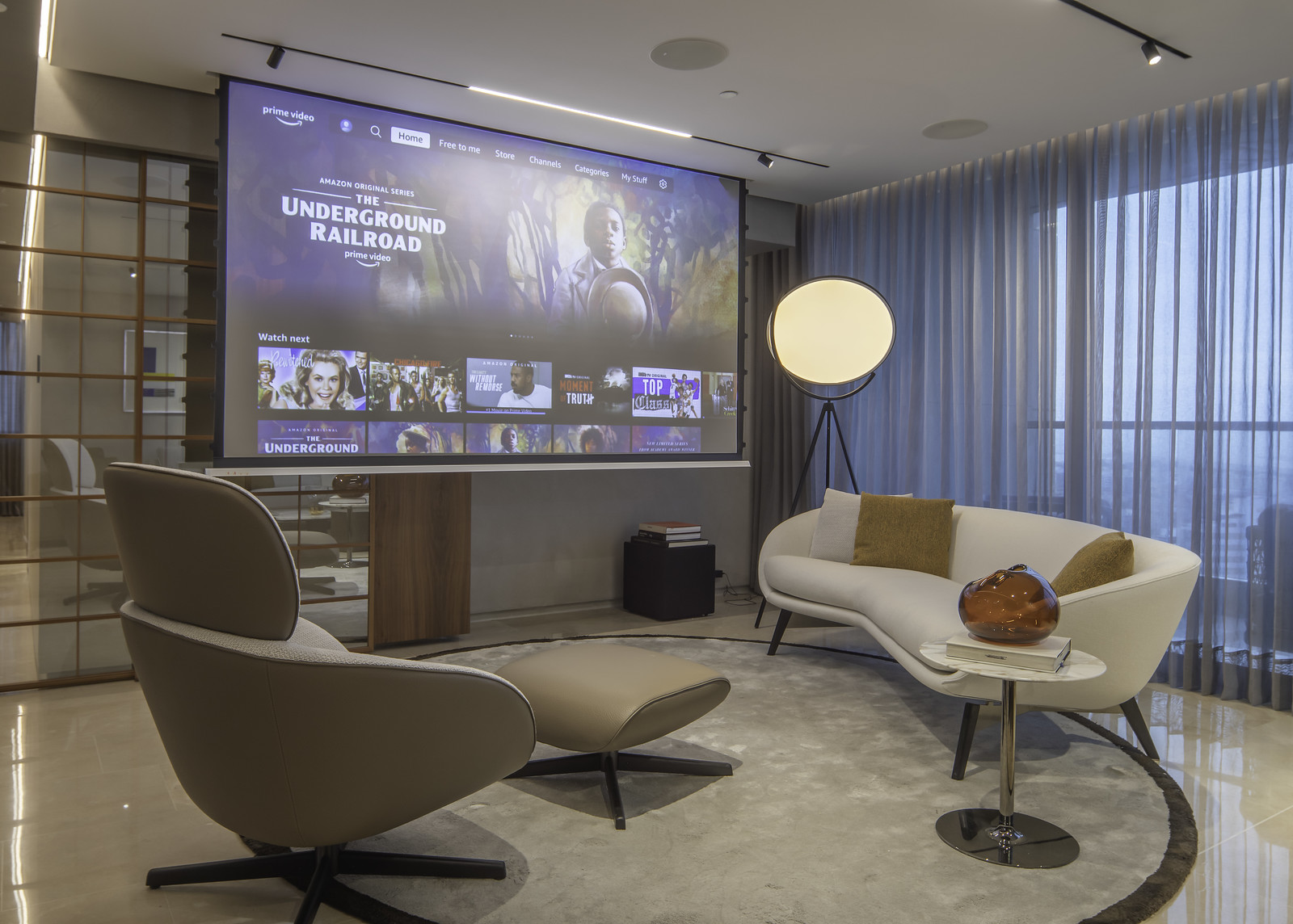
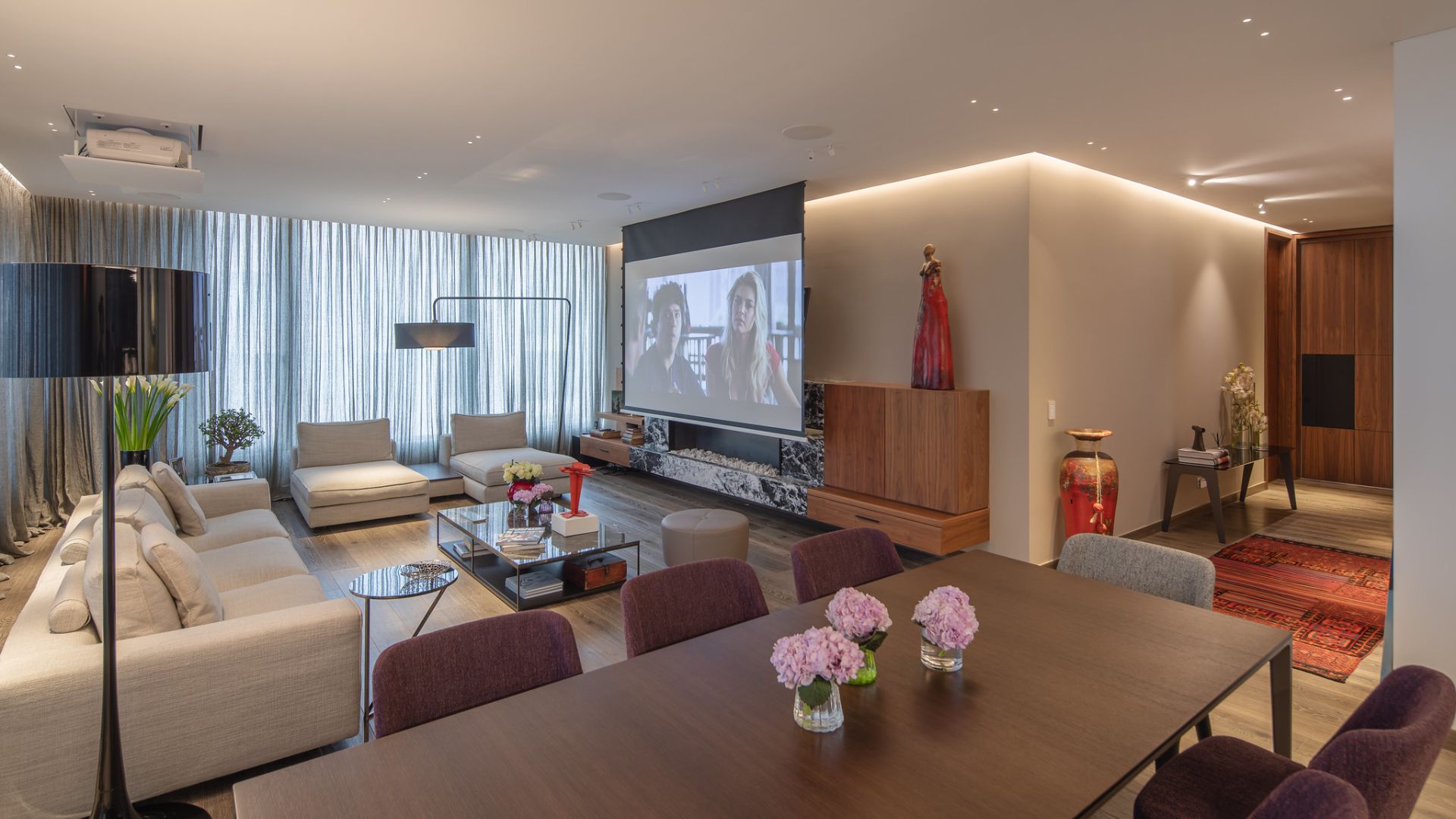
A stylish living room setup featuring a large screen displaying a popular show, offering a comfortable viewing experience.
Transparent screens represent a breakthrough that seamlessly integrate with our surroundings while offering a view of what lies behind the display. These marvels use OLED (Organic Light Emitting Diode) technology, where each pixel emits its own light, eliminating the need for a traditional backlight. This means when pixels are turned off, they are completely transparent, not merely black. Also, manufacturers have developed specialized substrates that the OLEDs are placed onto, which are clear yet conductive, allowing for full-screen transparency when desired.
Applications in Various Industries
The use of transparent screens has already begun to reshape several industries:
- Advertising: They function as dynamic window displays that can showcase high-definition images and videos while allowing consumers to see through to the storefront.
- Automotive: We see them in the development of transparent displays that replace traditional head-up displays, offering drivers vital information without impeding their view of the road.
- Consumer Electronics: In homes, transparent televisions double as glass panes when not in use, merging technology with interior design.
- Retail: Stores integrate them into smart fitting rooms, where customers can interact with a digital inventory on the screen and still see their reflection.
Future Potential
The future potential of transparent screens is vast and vibrant. In the architectural area, transparent screens could replace conventional windows, walls, or dividers, turning any glass surface into a potential display or interactive touchpoint. Public spaces, like bus stops or train stations, might adopt these screens, providing real-time information without obstructing the view.
In education, we may see transparent whiteboards, which enhance engagement by maintaining eye contact between teachers and students. As the technology matures, the cost is expected to drop, making it more accessible for widespread adoption in various markets. Also, the anticipated improvements in resolution and touch responsiveness will likely expand the use cases for transparent screens far beyond what we currently envisage.
Interactive and Touchscreens
Touchscreen Technology and Advancements
We’ve witnessed exponential growth in touchscreen technology, a key player changing how we interact with devices. From resistive touchscreens to the multi-touch capacitive screens we’re familiar with today, touchscreens have become more responsive and sensitive to the subtlest gestures.
Capacitive touchscreens now boast features like haptic feedback, giving tactile responses to touch, and 3D Touch, which detects the pressure applied to the screen. These advancements have drastically improved user experience, making devices not only more intuitive but also more accessible to a broader audience.
Integration in Everyday Devices
Touchscreen technology has seamlessly blended into our daily lives. We find it in:
- Smartphones and tablets
- Information kiosks
- POS systems in retail
- In-car navigation and entertainment systems
- Home appliances like fridges and washing machines
This pervasiveness is largely due to the durability and ease of use touchscreens offer, making technology more direct and interactive.
Impact on Education and Entertainment
In education, touchscreens have revolutionized the learning environment. Interactive whiteboards and tablets make learning a hands-on, engaging experience, facilitating collaboration among students and teachers. They encourage students to participate actively and take ownership of their learning process.
In the world of entertainment, touchscreen technology has propelled gaming to new heights. With gadgets like VR controllers and gaming consoles, gamers now have immersive experiences that were once the stuff of science fiction. Even physical spaces like museums are using touchscreens to create interactive exhibits, connecting with visitors in dynamic ways that traditional static displays can’t achieve.
Laser Projection Systems
Benefits of Laser Projectors
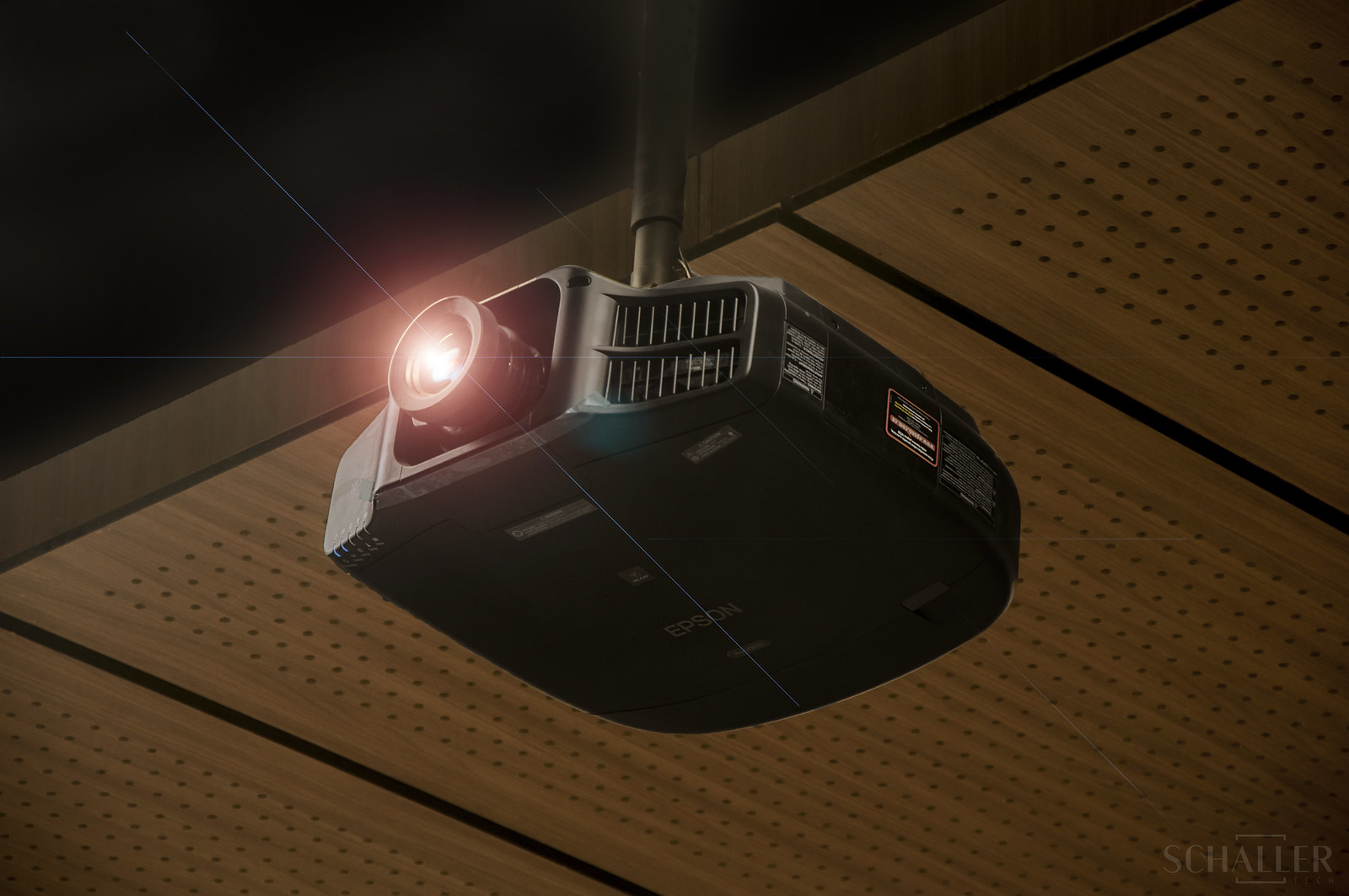
A ceiling-mounted projector illuminating a room, showcasing cutting-edge projection technology.
Laser projectors have significantly advanced the field of projection technology with their unique features. Longevity is a standout benefit – these projectors have a light source that can last upwards of 20,000 hours, minimizing the frequency of replacements compared to traditional bulb projectors. Besides durability, laser projectors offer exceptional color accuracy. With a wider color gamut, they produce vivid and true-to-life images that enhance viewer experience. Their superior brightness levels remain consistent over time, ensuring that image quality doesn’t degrade as the projector ages.
The energy efficiency of laser projectors is another advantage. They consume less power and generate less heat, which translates to lower operating costs and reduced cooling requirements. Besides, the instant on/off capability of laser projectors makes them more convenient for users who need quick setup times for presentations or entertainment.
Rising Popularity in Home Theaters
In recent years, we’ve observed a surge in the adoption of laser projectors within home theater setups. These projection systems bring the cinema experience into the comfort of living rooms, because of their full HD and 4K resolution support. With laser technology, the need for a darkened environment to enjoy crisp and vibrant images is reduced, allowing for more flexibility in ambient lighting conditions. Users appreciate the minimal maintenance requirements—no need to periodically replace projector bulbs. They’re also a hit among audiophiles and tech enthusiasts due to their ability to pair with advanced sound systems and streaming devices, creating an immersive audio-visual environment that rivals high-end commercial theaters.
Implications for Cinema Industry
The cinema industry stands on the brink of a laser projection revolution. Laser projectors provide a greatly improved theatrical viewing experience, with their ability to project onto much larger screens without losing image integrity. They’re essential for theaters that aim to showcase films in the best possible light, including high frame rate (HFR) and enhanced 3D formats.
Critical financial benefits are on the table for theaters, thanks to laser projectors’ reduced electricity usage and lower operating costs. Upgrading to laser systems can also attract larger audiences who seek out the highest-quality movie-watching experience. As more cinemas transition to laser projection, audiences worldwide are beginning to expect and seek out the impeccable and luminous visuals that only this cutting-edge technology can provide. The industry’s push for higher standards in visual performance signals a shift in defining what a true cinematic experience should be, boosted by the seamless integration of laser projectors. With continual enhancements in laser projection capabilities, the way we encounter movies in theaters is undergoing an exciting transformation, matching the pace of innovation found in ultrathin, curved, and touchscreen display technologies.
Conclusion
We’ve witnessed remarkable strides in screen and projection technology, paving the way for a future where ultrathin, curved, and transparent displays are seamlessly woven into the fabric of our daily lives. The tactile revolution brought on by advanced touchscreens has already transformed our interactions with devices, making them more intuitive and immersive. Meanwhile, laser projection systems are setting new benchmarks in visual performance, both at home and in cinemas, captivating audiences with unparalleled picture quality. As these technologies continue to evolve, we’re not just watching the future unfold—we’re actively shaping it with every screen we choose and every innovation we embrace. Let’s look forward to a world where the boundaries between digital displays and reality become increasingly blurred, offering us experiences beyond our wildest imaginations.
Frequently Asked Questions
What are the benefits of ultrathin screens?
Ultrathin screens offer space-saving capabilities, are lightweight, energy-efficient, and provide superior picture quality with advanced display technology.
What are the limitations of ultrathin screens?
The main limitations of ultrathin screens are their premium pricing, concerns over durability, and the limited size options currently available.
How are curved and bendable screens shaping the future of display technology?
Curved and bendable screens enhance user immersion and maintain consistent picture quality, with potential applications across various industries, shaping the future interactions with the digital world.
What are the applications of transparent screens using OLED technology?
Transparent screens have applications in advertising, automotive, consumer electronics, and retail industries. Their integration offers a clear view of what’s behind the display while providing content in the forefront.
How has touchscreen technology integrated into our daily lives?
Touchscreen technology is now in various devices such as smartphones, tablets, and retail POS systems. It has revolutionized the learning environment and entertainment, notably in education and gaming.
What are the benefits of laser projection systems?
Laser projection systems boast longevity, exceptional color accuracy, energy efficiency, and instant on/off capabilities. They support full HD and 4K resolutions and require minimal maintenance, making them popular in home theaters and cinemas.
Our Portfolio
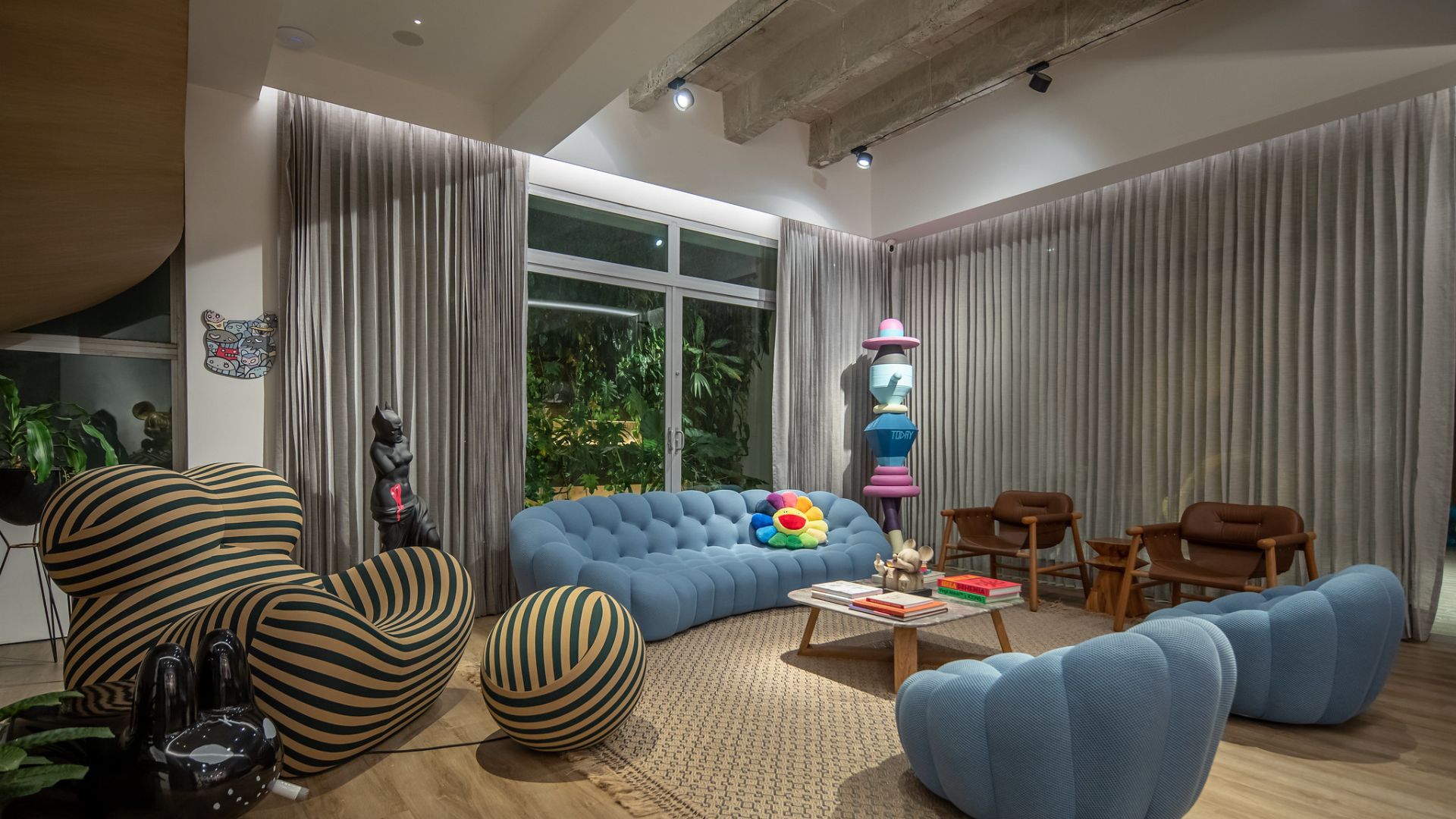
CM: When Technology Meets Creativity

Residential Design Casa JC: Sophistication and Technology

Designing the Sound and Visual Experience of Teriyaki Komodo Restaurant: A Case of Technological Innovation
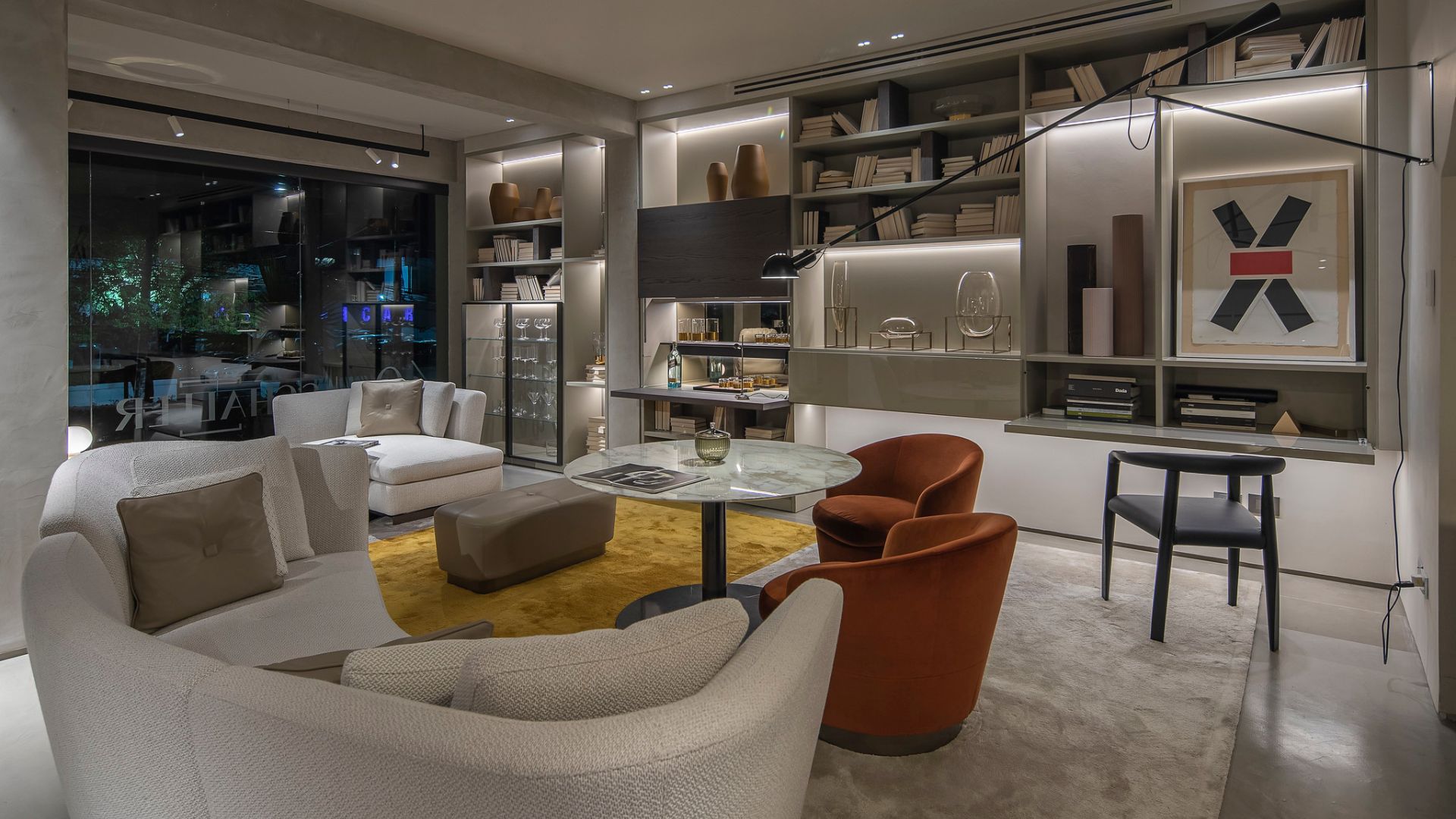
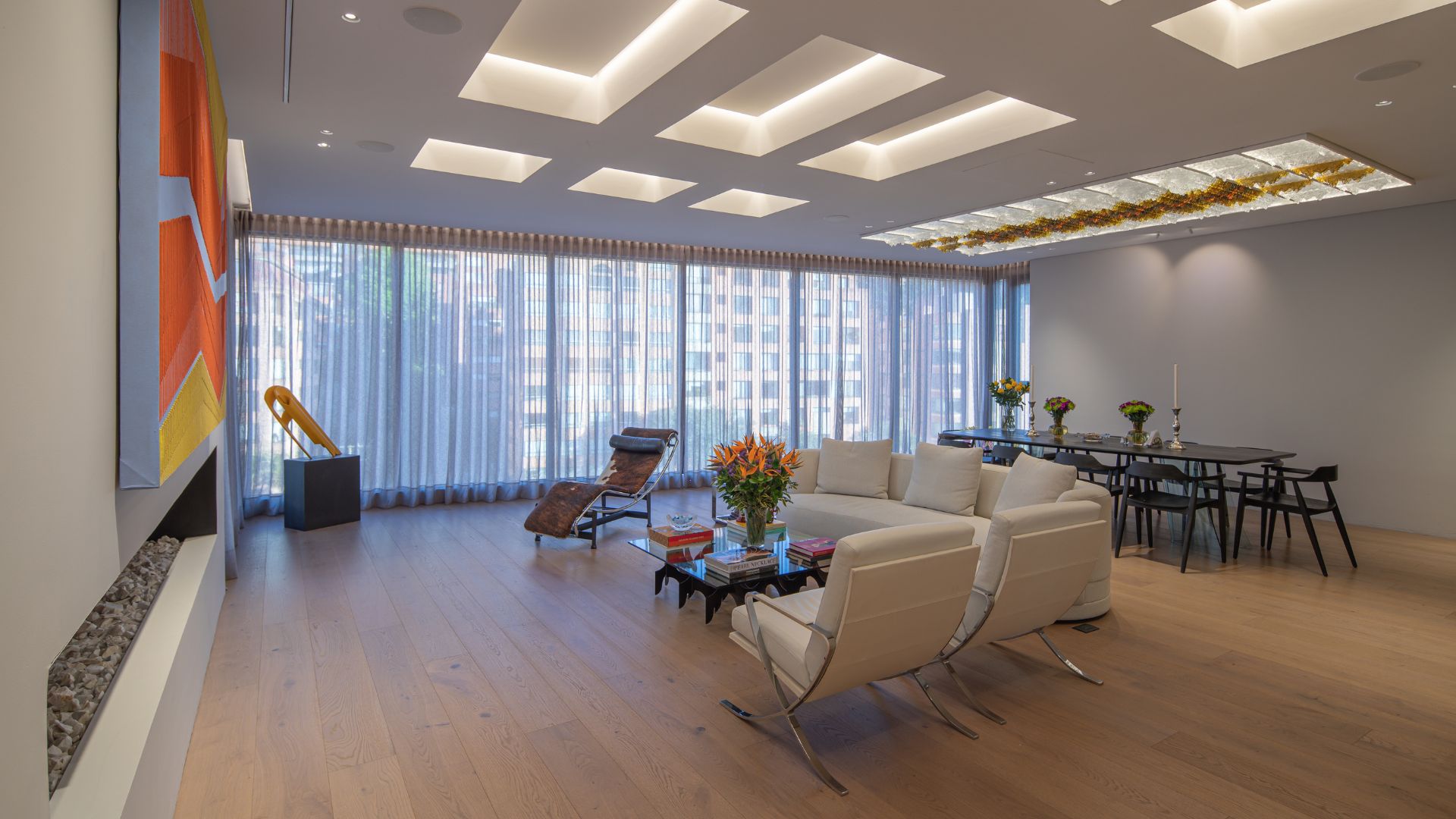
GP Apartment: Exceptional Design and Technology

Innovation in Commercial Lighting: The Magic Behind the Verdi Project

Table of contents