Table of contents
We’ve all faced the dreaded microphone feedback at events. That high-pitched squeal isn’t just annoying; it can disrupt presentations and performances. But fear not! We’re here to jump into the nitty-gritty of managing feedback when using microphones effectively.
At Schaller Design Lab, we understand the intricacies of acoustics and sound systems. Whether you’re setting up a conference room or rocking out at a live venue, we’ve got the expertise to keep those pesky feedback issues at bay.
Need help with your project or looking for top-notch advice on sound solutions? We’re here for you, no matter where in the world your project is. Reach out to us for project design, consultation, or guidance on the best equipment for crystal-clear audio, free from feedback.
Why is feedback a problem?
Understanding the Concept of Feedback
When it comes to live audio, understanding feedback is crucial. Feedback occurs when the sound from a speaker is picked up by a microphone and then amplified and output through the same speaker again. This creates a feedback loop that can quickly become uncontrollable, leading to that all-too-familiar high-pitched screech. The loop is perpetuated by several factors, including the microphone’s position relative to the speaker, the volume of the sound system, and the acoustics of the environment.
To illustrate, imagine you’re at a presentation. The speaker’s microphone picks up not only their voice but also the amplified voice coming from the speaker. If the mic is too close, or the sound system’s volume is too high, the amplified sound causes the microphone to pick up the same sound again and again. This loop results in feedback. ### The Negative Effects of Feedback
Feedback not only disrupts communication but also affects the quality of any event where a sound system is used. Here’s how:
- Audience Experience: Feedback can be jarring and uncomfortable for the audience. It diverts their attention away from the content being delivered. For events such as music performances or theater productions, feedback can ruin the artistry and flow of the performance.
- Equipment Damage: Prolonged feedback can damage speakers and other audio equipment. The intense signal caused by feedback can overpower a speaker’s capacity, leading to permanent damage if not promptly addressed.
- Professionalism: Consistent feedback issues reflect poorly on the event organizers and can suggest a lack of preparedness or expertise. For businesses or professionals, this can undermine the audience’s trust and perceived credibility.
- Voice Strain: Presenters or performers may strain their voices in an attempt to be heard over feedback. This can lead to vocal fatigue or even long-term damage to vocal cords.
By managing feedback effectively, we protect the investment made in audio equipment and ensure that the intended message is heard loud and clear. With the right techniques and careful setup, feedback becomes less of an issue, allowing presentations and performances to flourish without the risk of audio mishaps.
Techniques to manage feedback
Positioning the Microphone Correctly
To minimize feedback, proper microphone placement is crucial. We’ve seen time and again that distance and angle are key factors. By keeping the microphone close to the source of sound and away from the speakers, we reduce the chance of sound waves from the speakers getting picked up again by the microphone. We always make sure that the microphone is pointed away from the speakers and that speakers are positioned in front of the microphone to avoid sound re-entering the mic. This directional approach helps ensure that only the intended sound is amplified.
Using a Feedback Suppressor
A feedback suppressor is an invaluable tool we use to prevent and eliminate feedback in real-time. These devices are designed to quickly detect feedback frequencies and reduce or eliminate them before they become a problem. They do this by deploying narrow-band notch filters that target and diminish the exact frequency causing feedback without affecting the overall sound quality. It’s essential to have a feedback suppressor integrated into our audio setup, especially for live events where feedback can occur unpredictably.
Adjusting EQ Settings
Equalization (EQ) adjustments are vital in combating feedback. By tweaking the EQ, we can cut specific frequencies where feedback tends to occur, most commonly in the lower-mid to midrange frequencies. We carefully monitor and adjust the EQ to ensure that no particular frequency band is overemphasized. – Cut problem frequencies, not boost them
- Use a graphic or parametric EQ to make precise adjustments
- Manage gain levels to avoid overdriving the sound system
By addressing problematic frequencies, we safeguard the clarity of the sound and reduce feedback. It’s always better to start with lower volumes and gain levels then to increase them gradually to avoid sudden feedback loops.
Best practices for managing feedback
Conducting a Sound Check Before the Event

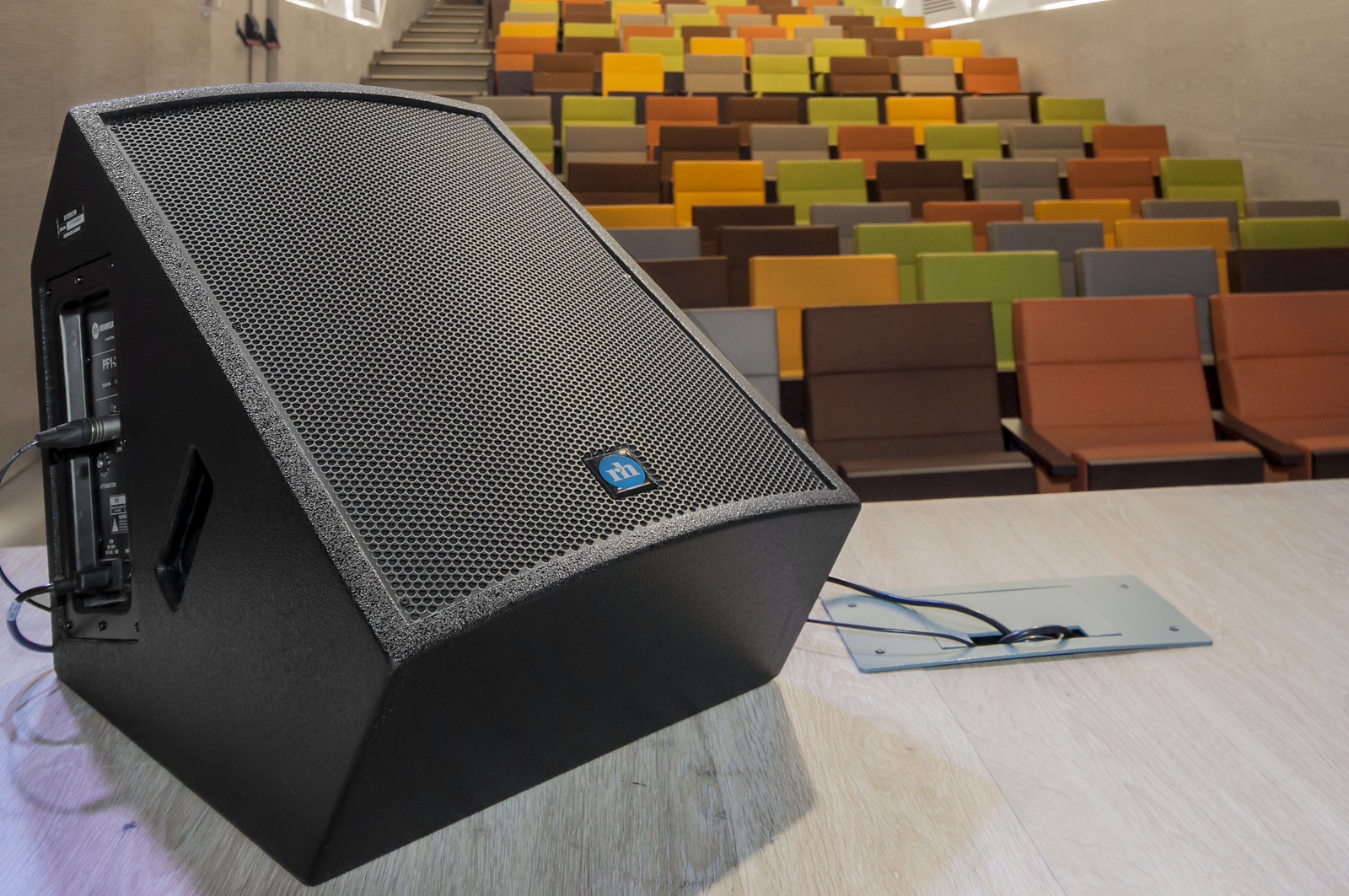
A well-equipped auditorium ready for a presentation on microphone feedback control.
To ensure every event runs smoothly, it’s vital we conduct a sound check well in advance. This proactive measure allows us to identify any potential feedback issues and make the necessary adjustments. During sound checks, we systematically test each microphone, speaker, and other audio components within the event’s environment. We listen for feedback frequencies and pinpoint their origins, often adjusting speaker placement, microphone angles, and sound levels.
By simulating the conditions expected during the actual event, we can fine-tune the audio equipment settings to minimize feedback. Doing this includes calibrating the sound system to the room’s acoustics and ensuring all cables and connections are secure and functioning correctly. Sound checks aren’t just beneficial for feedback management—they also provide us with the opportunity to balance the audio mix for optimal clarity and impact.
Training Speakers and Performers on Microphone Techniques
Speakers and performers are integral to managing feedback, yet this aspect is frequently overlooked. We invest time in training them on proper microphone techniques, which includes how to hold and speak into a microphone correctly. Keeping the mic at a consistent distance from the mouth and avoiding sudden movements can significantly reduce the chance of feedback.
We instruct speakers to maintain a safe distance from the speakers and to avoid covering the mic with their hands, as this could inadvertently direct sound into the microphone’s pickup pattern, causing feedback. Performers learn to project their voices toward the mic while speaking or singing, allowing us to keep gain levels lower and reduce the potential for feedback.
In our experience, the combination of technical sound management and educating users on best practices forms a robust defense against disruptive feedback issues. We’ve found that when performers are confident and knowledgeable in microphone use, it not only prevents feedback but also contributes to a more polished and professional presentation.
Conclusion
We’ve armed you with strategies to ensure your next event runs smoothly, free from the dreaded microphone feedback. Remember, it’s all about the blend of technical savvy and user know-how. By setting the stage with a sound check and guiding your speakers on mic technique, you’ll be well on your way to clear, uninterrupted sound. Here’s to your next event sounding its absolute best—feedback not included.
Frequently Asked Questions
What is the best placement for a microphone to avoid feedback?
The optimal position for a microphone to prevent feedback is close to the sound source and away from the speakers to minimize the chances of the sound looping through the microphone and speaker system.
How does a feedback suppressor help in managing microphone feedback?
A feedback suppressor detects the frequencies that are causing feedback and reduces them in real-time, thereby preventing the high-pitched noise associated with microphone feedback.
Can adjusting EQ settings help in reducing feedback?
Yes, adjusting EQ settings can be effective in reducing feedback by cutting out specific frequencies where feedback commonly occurs, which helps to minimize the chances of feedback loops developing.
Why is it important to conduct a sound check before an event?
Conducting a sound check is crucial as it allows the audio technician to identify and address potential feedback issues before the event starts, ensuring smoother sound quality during the actual event.
How does training speakers and performers affect feedback management?
Training speakers and performers on proper microphone usage, such as how to hold the microphone and the correct distance from the mouth, can significantly reduce the risk of feedback by avoiding common mistakes that lead to feedback issues.
Our Portfolio


Metropolitan Stadium: Clear and Powerful Sound with Renkus-Heinz Speakers


Lighting that Inspires: An Exceptional Design Project

R&R: A Journey of Design, Technology, and Passion

SB Apartment – Lighting Redesign

Residential Design Casa JC: Sophistication and Technology


Master Auditoriums at UniNorte: How Schallertech Created a 21st Century Learning Space
Table of contents