Table of contents
At Schaller Design Lab, we’re at the forefront of crafting immersive audiovisual experiences. AV integration design is our bread and butter, seamlessly blending technology to elevate any space.
We’ll jump into what AV integration design really means and its vast scope. From conference rooms to concert halls, it’s all about creating environments where technology complements functionality and design.
Need a hand with your project? Whether it’s design, consulting, or choosing the right equipment, we’re here to help, no matter where you are in the world. Let’s make your vision a reality together.
What is AV Design
Definition
AV design, short for audiovisual design, is an intricate process aimed at creating effective and efficient environments for communication through sound and visual technologies. It encompasses the systematic methodology of speculating, planning, and creating integrated systems that work in harmony to deliver clear, high-quality audio and visuals in diverse settings. Within this domain, the goal is to match the exact requirements of a space with the right technology solutions that optimize user experience. ### Purpose
The core purpose of AV design is to ensure that audiovisual technology is not an afterthought but a fundamental component of the space’s planning and construction. Our focus centers on providing users with a seamless and cohesive experience that boosts engagement, promotes understanding, and enhances interaction. AV integration design serves various functions:
- To help communication in corporate settings, such as in boardrooms and conference centers.
- To amplify performances and presentations in spaces like theaters and lecture halls.
- To support immersive branding experiences in retail and public spaces.
- To enable dynamic learning environments in educational institutions. ### Importance
Recognizing the importance of AV design is critical for any organization that values communication and presentation as driving forces for success. High-quality AV design not only strengthens message delivery but also uplifts the overall aesthetic and functionality of a space. Here are key reasons why AV design holds significant importance: - Enriches the Experience: Quality sound and visuals captivate audiences and create memorable experiences.
- Advances Communication: Clear audiovisuals eliminate barriers to understanding, thereby enhancing communication.
- Supports Versatility: Well-designed AV systems cater to multiple functions, adapting to different types of events and presentations.
- Boosts Productivity: In workspaces, a state-of-the-art AV design can streamline operations and increase efficiency.
AV integration design has become integral to the modern world, not only elevating experiences but also serving as a vital tool for conveying information effectively. Through tailored design, these systems bring forth a consistent and reliable means to connect and interact in both personal and professional environments.
Elements of AV Design
Audio Systems
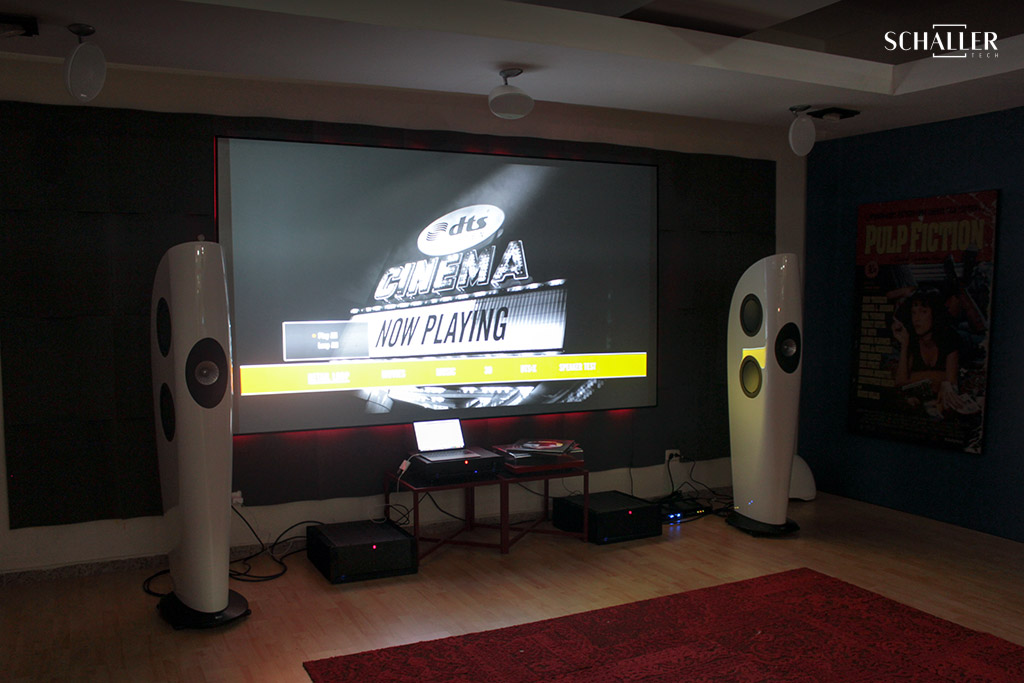
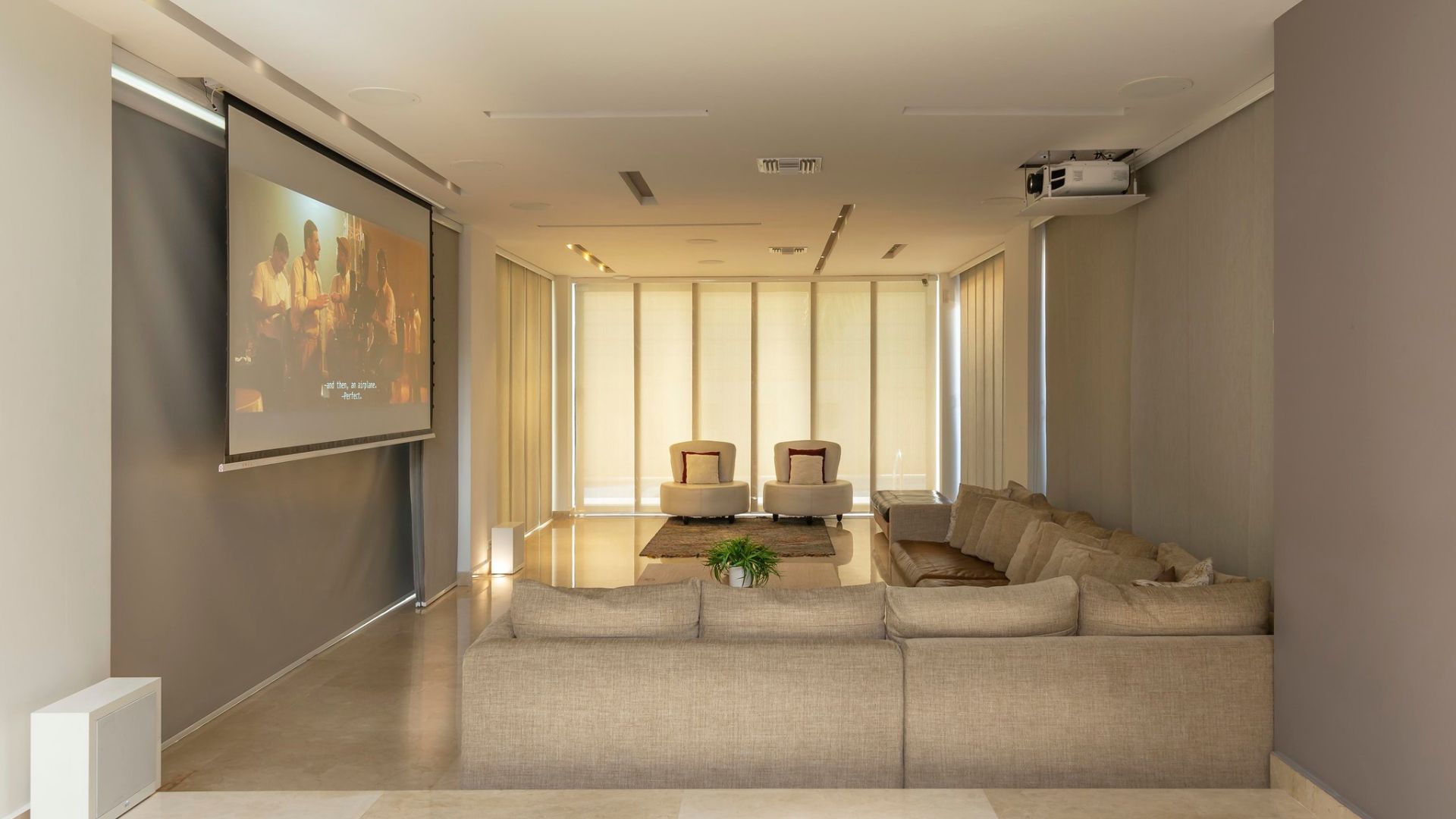
A cozy home theater showcasing a large screen and stylish speakers as part of an advanced AV integration design.
In the area of AV integration design, audio systems are pivotal for ensuring clear sound transmission and reception. We consider several components when designing audio systems:
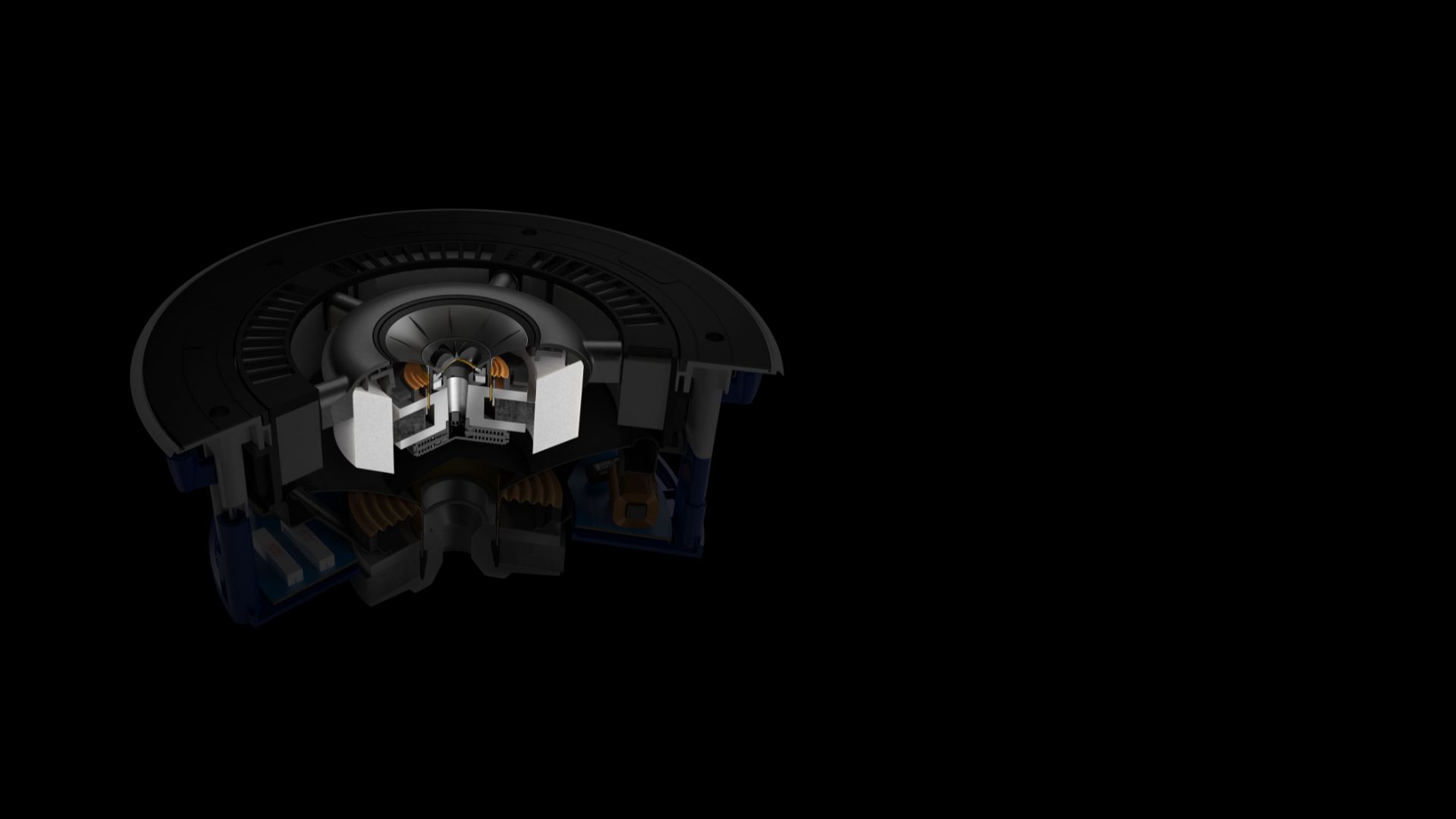
- Loudspeakers are chosen based on room size and application.
- Microphones must be sensitive enough for the intended purpose, whether it be for a conference room or an auditorium.
- Mixers allow us to control the balance and input of different audio sources.
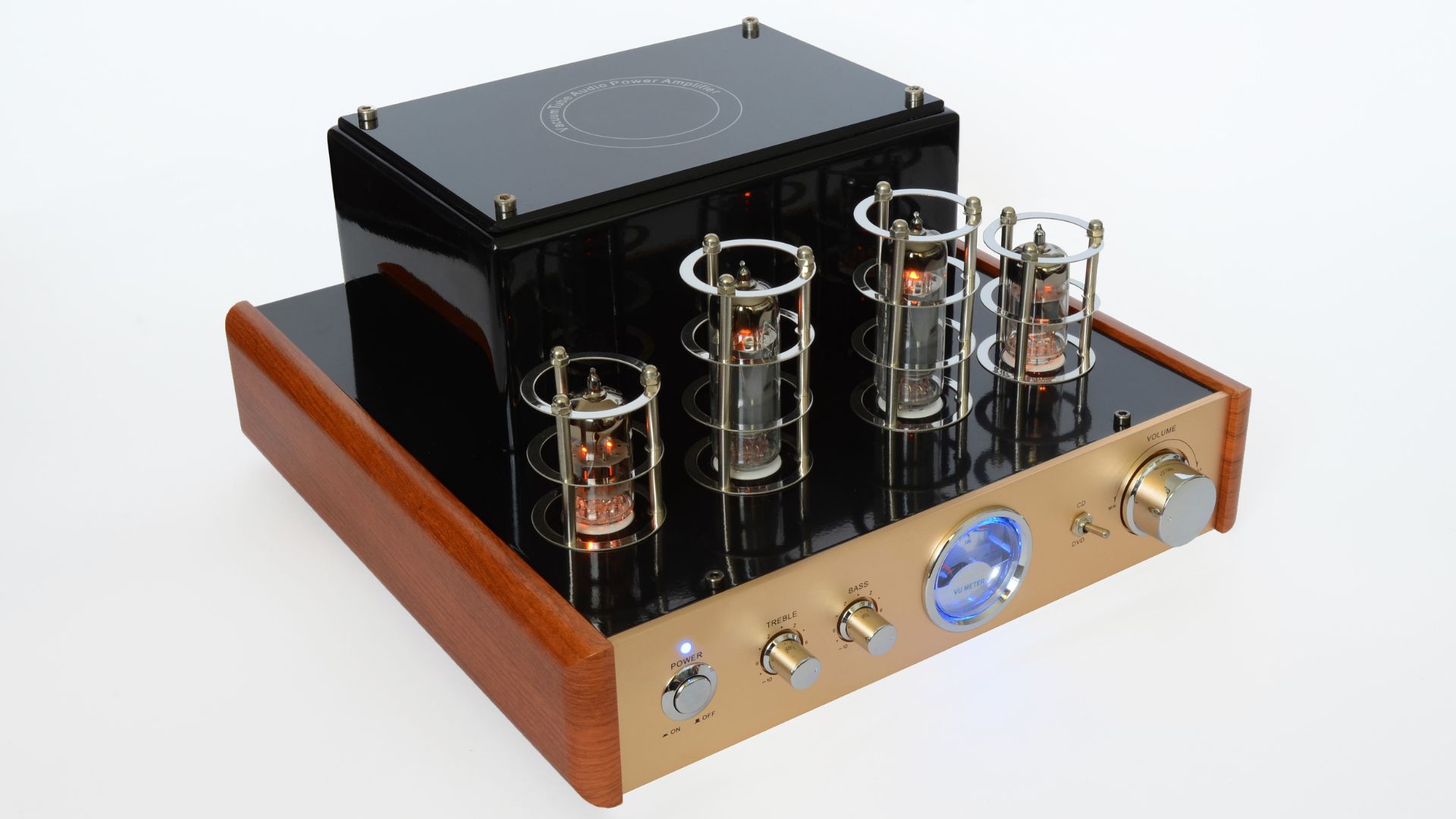
- Amplifiers increase sound signal strength to deliver the necessary volume.
These elements work in harmony to create an audio environment that is both immersive and intelligible.
Visual Systems
Visual systems are equally crucial for an immersive AV experience. Key components include:
- Displays such as LED walls or projectors that provide clear visuals at the required size and resolution.
- Video sources that range from computers to streaming devices.
- Switchers and scalers to ensure the smooth transition and optimal display of video content.
The right combination of these components can capture and maintain audience attention by delivering vibrant and sharp visuals.
Control Systems
Control systems act as the nervous system of AV design, offering the convenience of managing all AV equipment from one central point, typically through:
- Touch panels or smart devices which offer user-friendly interfaces for controlling the environment.
- Control processors which are the brains of the operation, handling commands and automating responses.
Advanced control systems can streamline operations and enhance the overall user experience.
Networking Systems
Networking systems form the backbone of modern AV integration, enabling components to communicate and share data seamlessly. Core aspects include:
- Wired and wireless connectivity options to suit different needs and space layouts.
- Network switches and routers which direct data traffic efficiently.
Properly designed networking ensures reliable and secure AV system performance.
Lighting Systems
Effective lighting systems serve to elevate the overall AV experience by:
- Enhancing visibility for both the audience and the participants.
- Setting the mood and atmosphere of the space.
- Integrating with AV controls for synchronized operation.
Strategic use of lighting can influence audience engagement and message delivery.
Acoustics
Good acoustics are essential for clear communication. Acoustic elements include:
- Soundproofing materials that prevent external noise interference.
- Acoustic panels and diffusers which minimize echoes and reverberation within the space.
By addressing acoustics, we ensure the sound is delivered crisply and cleanly, maintaining the integrity of the audio performance.
Scope of AV Design
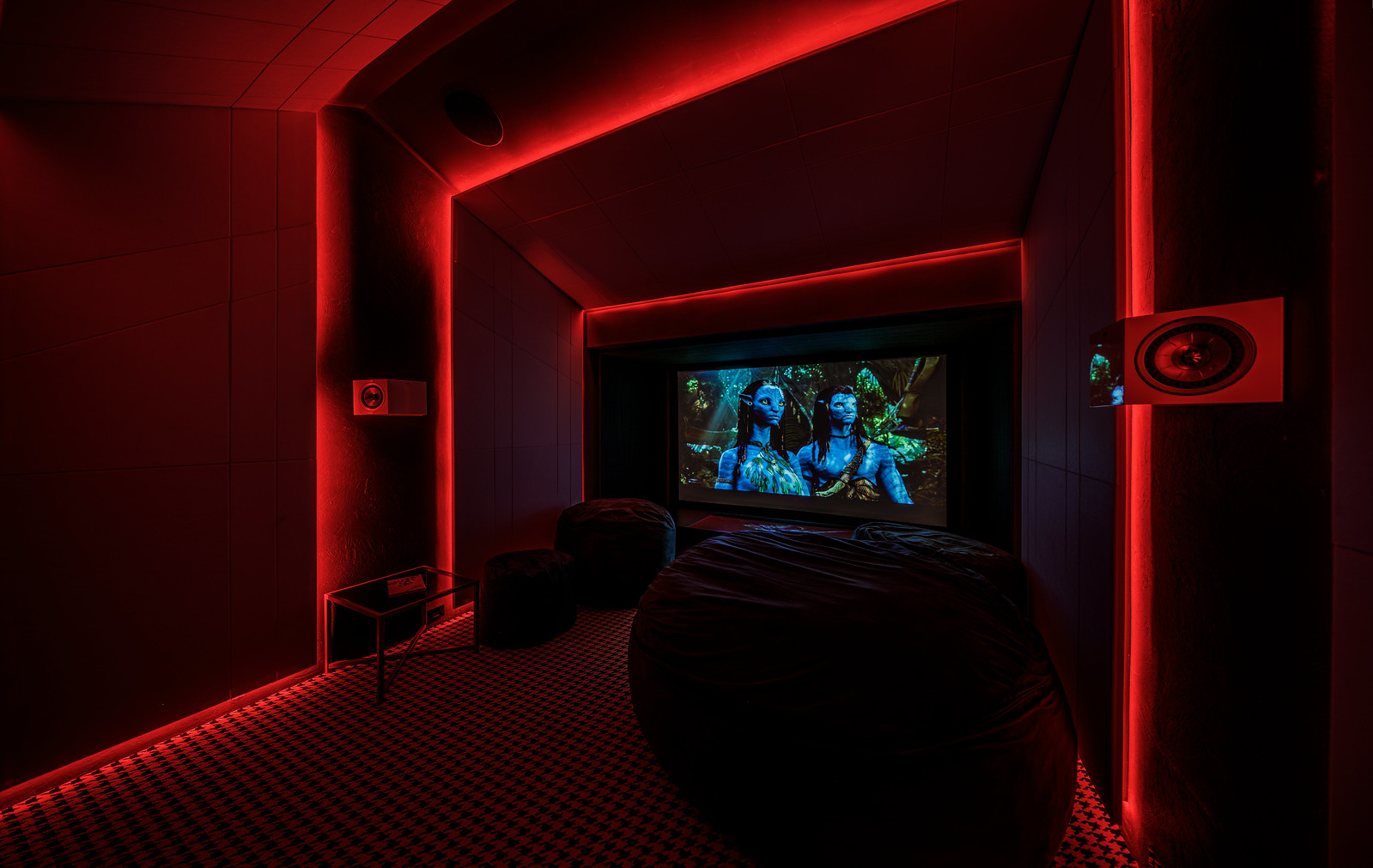
An intimate home theater setup featuring a large screen and comfortable seating, perfect for a relaxed viewing experience.
The scope of AV design spans across various sectors, each with its unique requirements and objectives that influence the implementation and integration of AV systems.
Residential AV Design
In residential spaces, AV design revolves around enhancing the at-home experience. Our focus is on creating a cohesive system that blends seamlessly with the living environment. Homeowners seek high-quality audio and visual solutions that provide entertainment and convenience, which include:
- Home theaters with cinematic-quality sound and visuals.
- Multi-room audio systems for music throughout the home.
- Smart home integration for centralized control of AV equipment.
We prioritize user-friendly interfaces and ensure systems are easily controllable via smartphones or voice commands, considering the growing trend toward IoT-connected devices in homes.
Commercial AV Design
Commercial AV design is central to businesses looking to make an impact. This could be through digital signage that grasps customer attention or conference rooms equipped for global communication. Essential elements include:
- Distributed audio systems for background music or announcements.
- Interactive displays for engaging customer experiences.
- Video conferencing tools to connect teams worldwide.
Our objective is to provide reliable and scalable AV solutions that elevate brand presence and foster collaboration among stakeholders.
Educational AV Design
Education sectors greatly benefit from tailored AV design to improve learning experiences. We ensure classrooms and lecture halls are outfitted with:
- Projectors and interactive whiteboards to enrich visual learning.
- Sound reinforcement systems to support clear communication.
- Distance learning technologies that expand educational reach.
The goal is to create versatile learning environments that accommodate both in-person and remote education scenarios efficiently.
Government AV Design
Government installations have specific AV requirements to meet strict confidentiality and reliability standards. Our AV integration strategies cover:
- Secure video conferencing systems for sensitive communications.
- Public address systems in large complexes and outdoor areas.
- Control room equipment for surveillance and emergency operations.
We devote special attention to system security and ease of use for government personnel across various departments.
Hospitality AV Design
Hospitality industries strive to provide guests with exceptional experiences, and AV design is at the forefront of this goal. We focus on delivering solutions that are both immersive and intuitive, including:
- Advanced sound systems for lobbies and event spaces.
- High-definition display panels for interactive customer service.
- Custom AV setups for conference centers and banquet halls.
We tailor these systems to ensure that they contribute positively to the overall ambiance and functionality of the hospitality space.
Healthcare AV Design
AV design in healthcare settings is vital for both operational efficiency and patient care. We carry out systems that prioritize communication and information delivery, featuring:
- Patient room infotainment to provide comfort and education.
- Wayfinding kiosks to assist in navigation throughout facilities.
- Telemedicine capabilities for remote consultations and diagnostics.
Our approach supports the dual needs of healthcare providers and patients, focusing on creating an environment conducive to healing and professional facilitation.
Conclusion
We’ve explored the multifaceted world of AV integration design, shedding light on its critical role in enhancing experiences across various sectors. By leveraging state-of-the-art audiovisual technology, we can transform spaces to meet the unique demands of every environment, from cozy living rooms to high-stakes control rooms. As we continue to push the boundaries of what’s possible with AV design, we’re committed to delivering solutions that are not only innovative but also intuitive, ensuring that technology serves us, not the other way around. Let’s embrace the future of AV integration, where every interaction is amplified and every message is crystal clear.
Frequently Asked Questions
What is AV design?
AV design refers to the process of integrating audio and visual technology to create functional and efficient systems that enhance the user experience in various environments like homes, businesses, educational institutions, and more.
Why is AV design important?
AV design is crucial because it directly impacts the effectiveness of communication and presentation in different sectors, from providing better home entertainment options to improving educational tools and business communication systems.
What are the key elements of AV design?
The key elements of AV design include audio systems, visual systems, control systems, networking systems, lighting systems, and acoustics.
How does AV design vary across different sectors?
AV design varies across sectors; residential focuses on home entertainment, commercial on digital signage and conference rooms, educational on interactive learning, government on security and reliability, hospitality on immersive environments, and healthcare on communication and information delivery.
What is the focus of residential AV design?
The focus of residential AV design is to enhance the at-home experience with high-quality audio and visual solutions for a superior entertainment and living environment.
How does commercial AV design impact businesses?
Commercial AV design impacts businesses by enabling effective digital signage for advertising and well-equipped conference rooms for efficient corporate communication and presentations.
What technological solutions are used in educational AV design?
Educational AV design uses projectors, interactive whiteboards, and distance learning technologies to enrich the learning experience and teaching methodologies.
What are the AV design considerations for the government sector?
AV design in the government sector involves meeting strict confidentiality and reliability standards with secure video conferencing systems and control room equipment.
How does AV design enhance the hospitality experience?
AV design enhances the hospitality experience by providing immersive and intuitive audio-visual solutions in hotel lobbies, event spaces, and conference centers.
What role does AV design play in healthcare?
In healthcare, AV design plays a role in ensuring efficient communication and information delivery through patient room infotainment, wayfinding kiosks, and telemedicine capabilities.
Our Portfolio
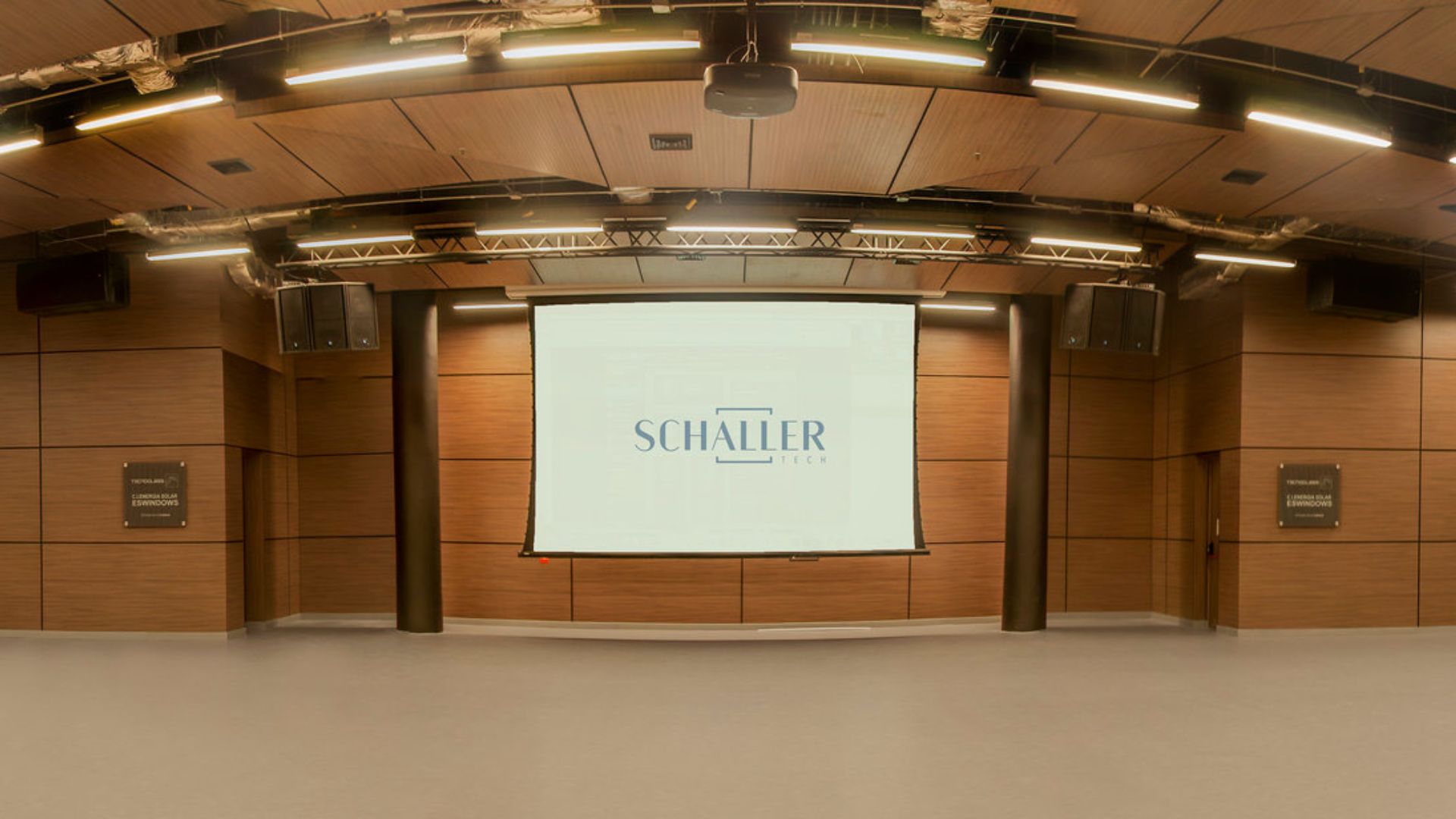

Residential Design Casa JC: Sophistication and Technology

Santa Cecilia de Logroño Church


Metropolitan Stadium: Clear and Powerful Sound with Renkus-Heinz Speakers

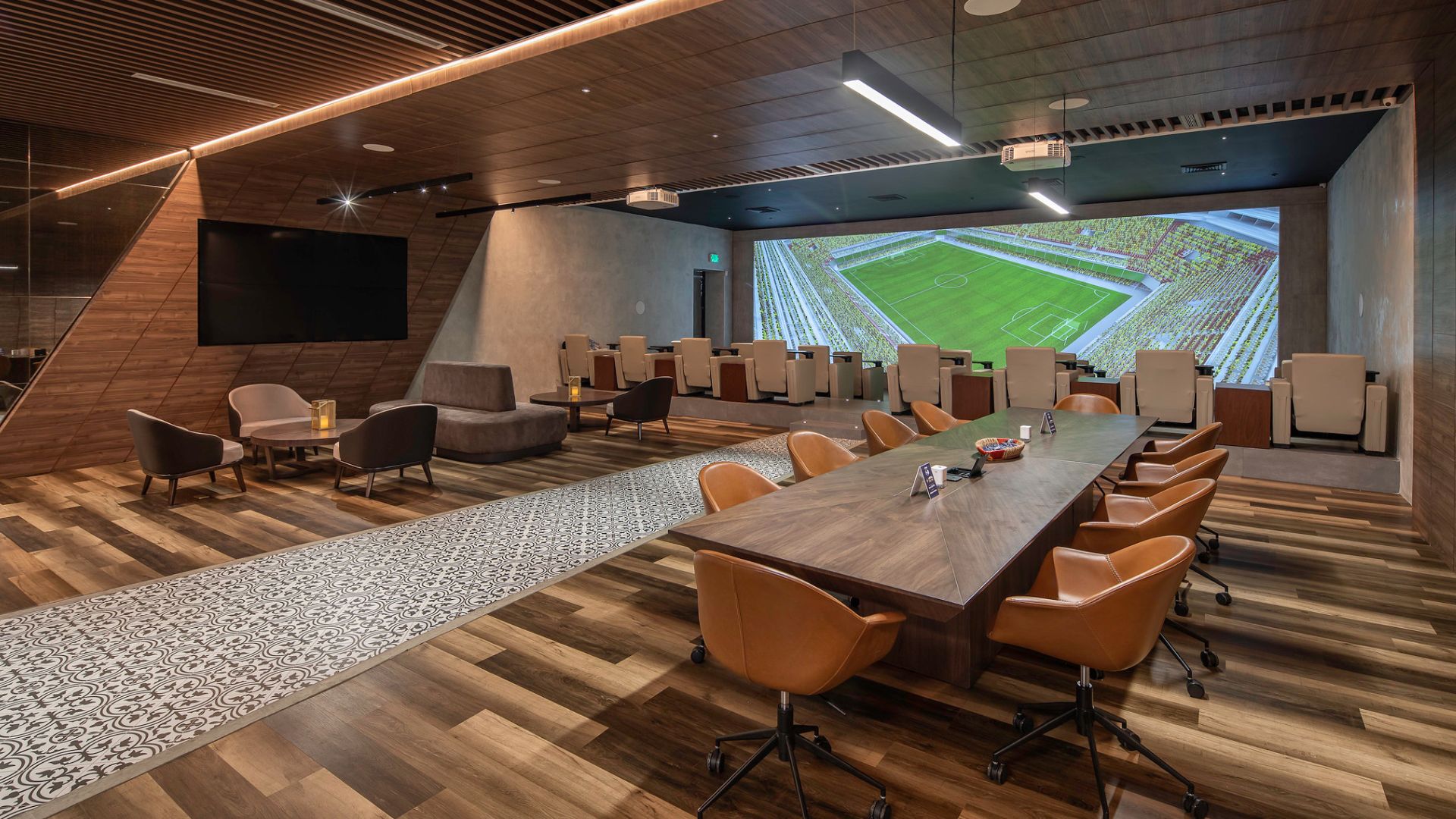
Smart and Exceptional Design: TC Project

How Schallertech Transformed the Atlantic Museum into an Interactive Adventure
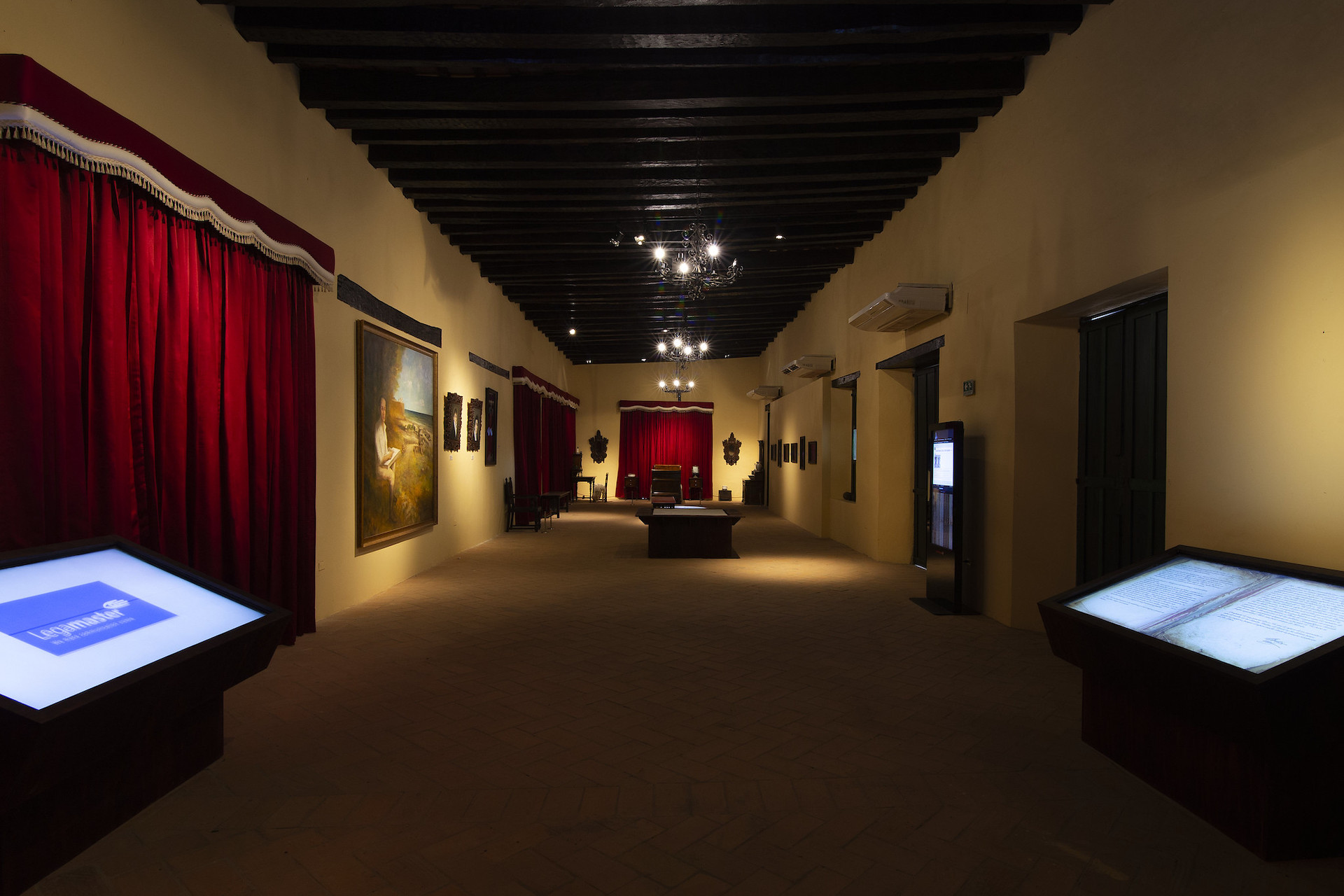
The Renaissance of the Bolivarian Museum of Soledad: Technology and Tradition Intertwined
Table of contents