Table of contents
Importance of Lighting Design in Restaurants
Lighting design plays a pivotal role in restaurant settings, going beyond mere illumination to significantly impact the overall dining experience. Our insights reveal the critical aspects of lighting that can transform any restaurant into an inviting and memorable space for guests.
Enhancing the Dining Experience
First and foremost, we’ve observed that proper lighting enhances the dining experience by highlighting the restaurant’s best features. It’s not just about making the space bright enough for guests to see their surroundings, but about creating an environment where every light fixture contributes to a story. Studies have shown that guests tend to stay longer and order more when the lighting sets a comfortable and engaging atmosphere. By carefully selecting and placing light sources, restaurants can accentuate textures, colors, and architectural details, making meals visually appealing and encouraging positive social interactions among guests.
- Visual Appeal: Well-lit dishes appear more appetizing.
- Social Interactions: Soft, warm lighting encourages longer stays and engagement among diners.
- Highlighting Features: Strategic lighting can showcase unique architectural or decor elements.
Creating the Right Ambiance
The ambiance of a restaurant is its signature, the silent communicator of its identity and ethos. Achieving the right ambiance relies heavily on lighting design, with specific attention to color temperatures and fixture styles. For instance, warm lights often evoke a sense of comfort and intimacy, making them perfect for family dining areas or romantic restaurants. On the other hand, cool white lights are more suited for modern or fast-casual dining spots where a fresh, energetic vibe is desired.
| Color Temperature | Ideal Setting |
|---|---|
| Warm White | Romantic, Family, Traditional |
| Cool White | Modern, Fast-Casual, Cafes |
Also, the intensity and direction of lighting can create dynamic environments within the same space. Dimmable lights and adjustable fixtures allow restaurants to adapt from a bright and energetic lunch service to a subdued and intimate dinner atmosphere without requiring structural changes. This versatility not only maximizes the utility of the space but also caters to a wider audience by offering varied dining experiences throughout the day.
Incorporating innovative lighting solutions has become a hallmark of restaurants that wish to stand out and provide an unforgettable dining experience. We’ve gathered that by understanding the profound impact of well-thought-out lighting design, restaurants can create spaces that not only draw guests in but also encourage them to return.
Key Considerations for Lighting Design in Restaurants
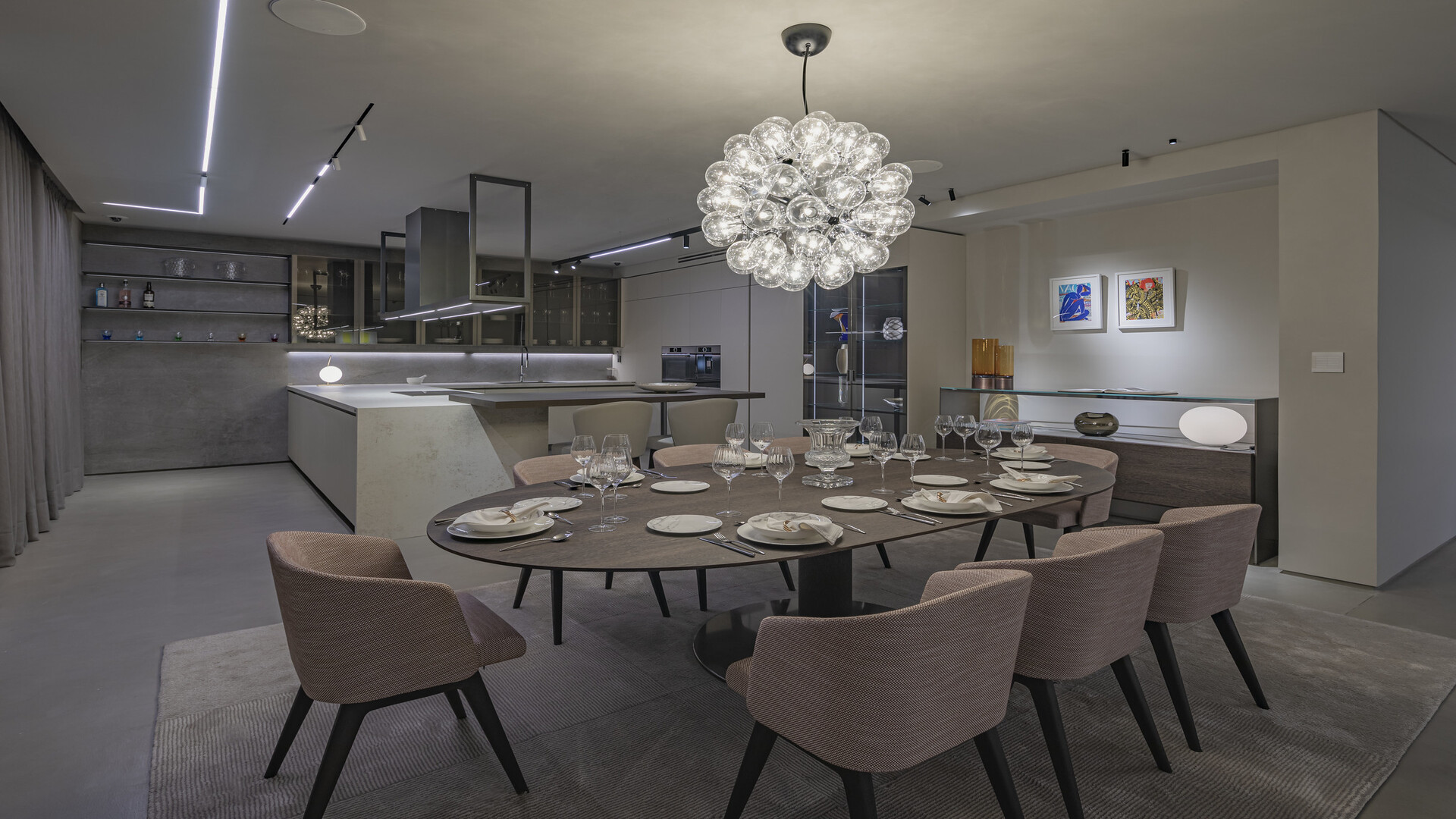
Dinning table for 6 with white light
When we jump into the world of lighting design for restaurants, several critical factors come into play. It’s not just about choosing the brightest bulbs or the most aesthetically pleasing fixtures. Effective lighting design hinges on understanding the interplay between layout, functionality, color temperatures, and the selection of appropriate fixtures. Let’s explore these factors in detail.
Layout and Functionality
Layout is the backbone of restaurant lighting design. A well-thought-out layout considers both the physical space and the functional zones within a restaurant. These include dining areas, bars, walkways, and even the kitchen.
- Dining Areas: Lighting here should encourage relaxation and enhance the dining experience. Dim, ambient lighting often works well, making food look more appealing and creating an intimate atmosphere.
- Bar: Brighter, more focused lighting can highlight the bar area, making it a focal point and inviting guests to gather.
- Walkways: Sufficient lighting ensures safety and ease of movement throughout the restaurant, guiding guests naturally from one area to another.
By zoning the restaurant into these functional areas, lighting can be optimized to serve its specific purpose, enhancing both aesthetics and safety.
Color Temperature and Mood
The choice of color temperature in lighting dramatically affects the mood and ambiance of a restaurant. Color temperature is measured in Kelvins (K), with lower numbers indicating warmer, yellowish light, and higher numbers representing cooler, bluish light.
| Color Temperature (K) | Mood |
|---|---|
| 2700 – 3000 | Warm, cozy |
| 3100 – 4500 | Neutral |
| 4600 – 6500 | Cool, alert |
- Warm lighting creates a cozy, inviting atmosphere, ideal for romantic or relaxed dining settings.
- Neutral lighting offers a balanced ambiance, suitable for casual dining spaces.
- Cool lighting fosters a more alert, energetic environment, often used in rapid or open-kitchen formats.
Selecting the right color temperature for each area within the restaurant ensures that the lighting not only complements the décor but also supports the desired mood and dining experience.
Lighting Fixtures and Style
The choice of lighting fixtures plays a significant role in defining a restaurant’s style and character. Fixtures range from elegant chandeliers to industrial pendant lights, each contributing to the thematic essence of the space.
- Elegant Chandeliers: Best suited for formal dining environments, adding a touch of sophistication and grandeur.
- Industrial Pendant Lights: Lend an urban, contemporary vibe, ideal for modern eateries and bistros.
- Wall Sconces: Create ambient lighting conducive to intimate dining settings.
Bold, Statement Fixtures not only serve as a primary source of light but also as art pieces that can elevate the overall design aesthetic. It’s crucial to choose fixtures that align with the restaurant’s theme and ambiance, ensuring they play an integral role in the dining experience.
Lighting design in restaurants is an intricate balance between functionality, mood creation, and style expression. Understanding these key considerations enables us to craft spaces that are not only visually captivating but also perfectly tuned to the dining experience we aim to provide.
Techniques for Effective Lighting Design in Restaurants
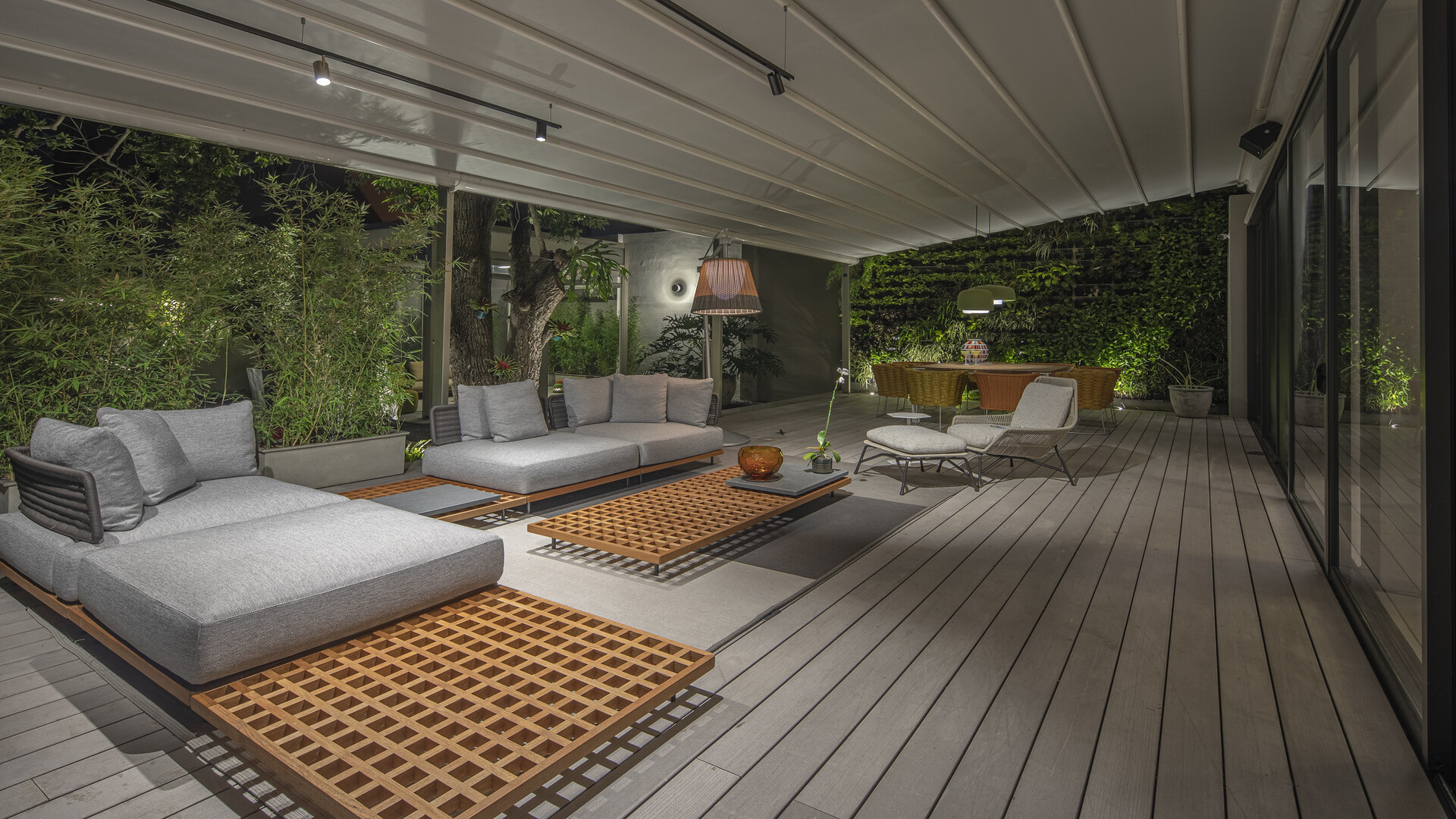
Social area
When we jump into the heart of lighting design for restaurants, we uncover a area where every beam of light plays a crucial role in sculpting the dining experience. It’s not just about shedding light; it’s about crafting an ambiance that captivates and delights. Let’s explore some game-changing techniques that can transform any dining space.
Layered Lighting
At the forefront of effective lighting design is the concept of Layered Lighting. It’s like painting with light; you layer various types of lighting to create depth, contrast, and interest. The key here is balance. Start with ambient lighting to establish the overall illumination of the space. Next, introduce Task Lighting to illuminate key working areas, such as the bar or kitchen pass. Then, Accent Lighting adds drama, focusing on architectural features or artwork. Finally, decorative lighting fixtures serve as the jewels of the space, adding sparkle and personality. By balancing these layers, we can craft an atmosphere that’s both functional and inviting.
Task Lighting
Task lighting is all about functionality, ensuring that critical areas of the restaurant are well-lit for specific tasks. This includes the kitchen, where chefs craft their culinary creations, and the dining area, where guests peruse the menu and enjoy their meals. Effective task lighting combines both efficiency and aesthetics. It’s bright enough to safely perform tasks but integrated in such a way that it complements the overall design. LED strips under counters, spotlighting over tables, and pendant lights above bars are examples of task lighting that blend seamlessly into the dining environment.
Accent Lighting
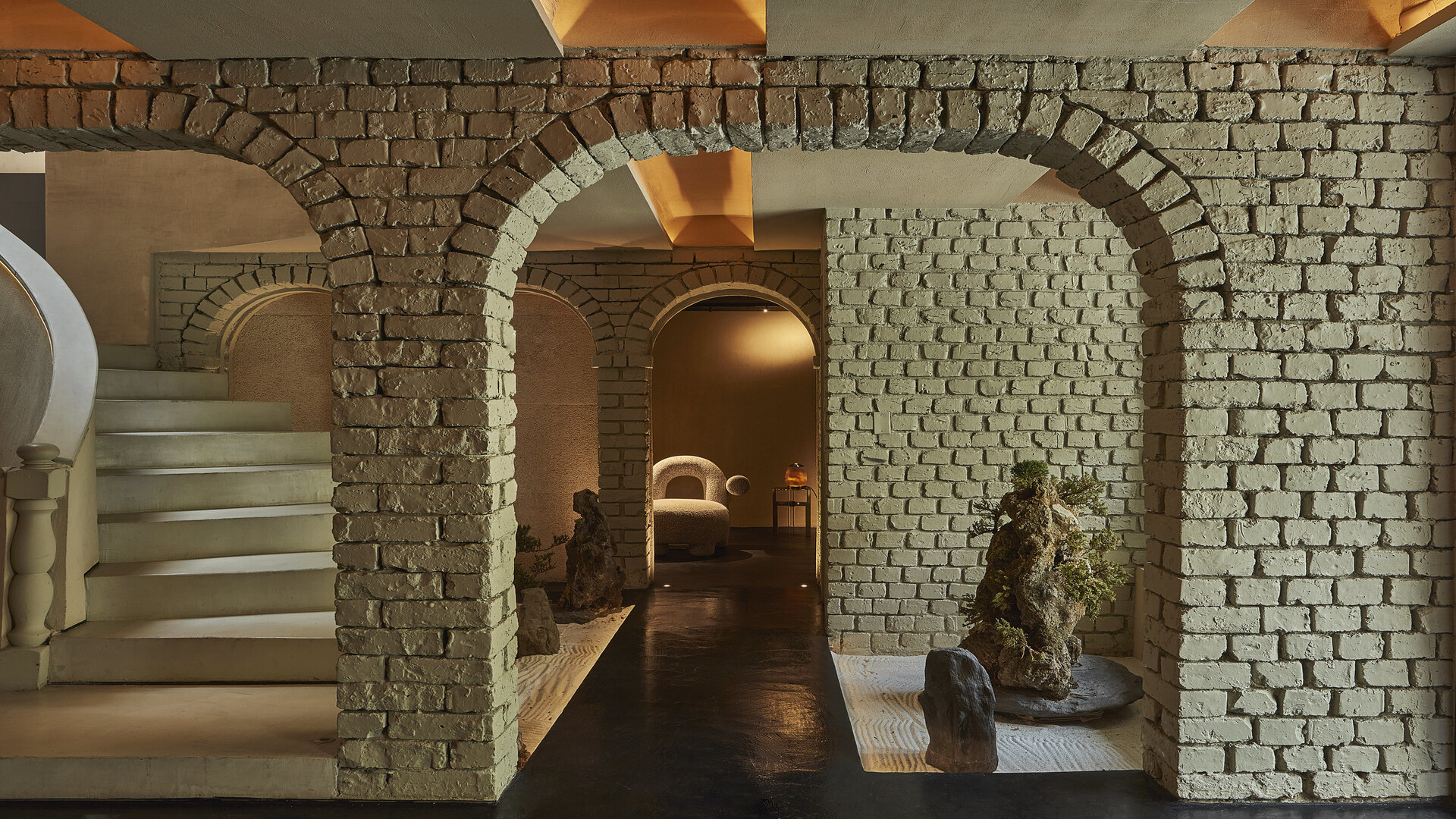
Accent lighting is the secret sauce that elevates a restaurant’s design. It’s all about spotlighting the elements that make a space unique, whether it’s a textured wall, a piece of art, or a carefully designed menu display. Accent lighting draws the eye and creates intrigue, encouraging guests to explore the space visually. It’s the highlights in a painting; subtle, yet powerful. Using track lights, wall-mounted fixtures, or spotlights can emphasize these features without overpowering the overall ambiance.
Dimming and Control Systems
In today’s dining scene, flexibility is key. Dimming and Control Systems allow restaurants to adjust the lighting based on the time of day, the mood they wish to create, or specific events. This adaptability can completely transform the atmosphere of a space from a bright, energizing lunch venue to an intimate, serene dinner setting. Intelligent lighting systems offer the capability to preset scenes and adjustments, ensuring a seamless transition that enhances the guest’s experience. It’s not just about lighting; it’s about controlling the environment to perfectly match the dining narrative at any given moment.
By mastering these techniques, we can significantly enhance the visual appeal and functionality of restaurant spaces. Lighting design becomes a powerful tool in creating unforgettable dining experiences that guests will want to return to time and again.
Types of Lighting Designs in Restaurants
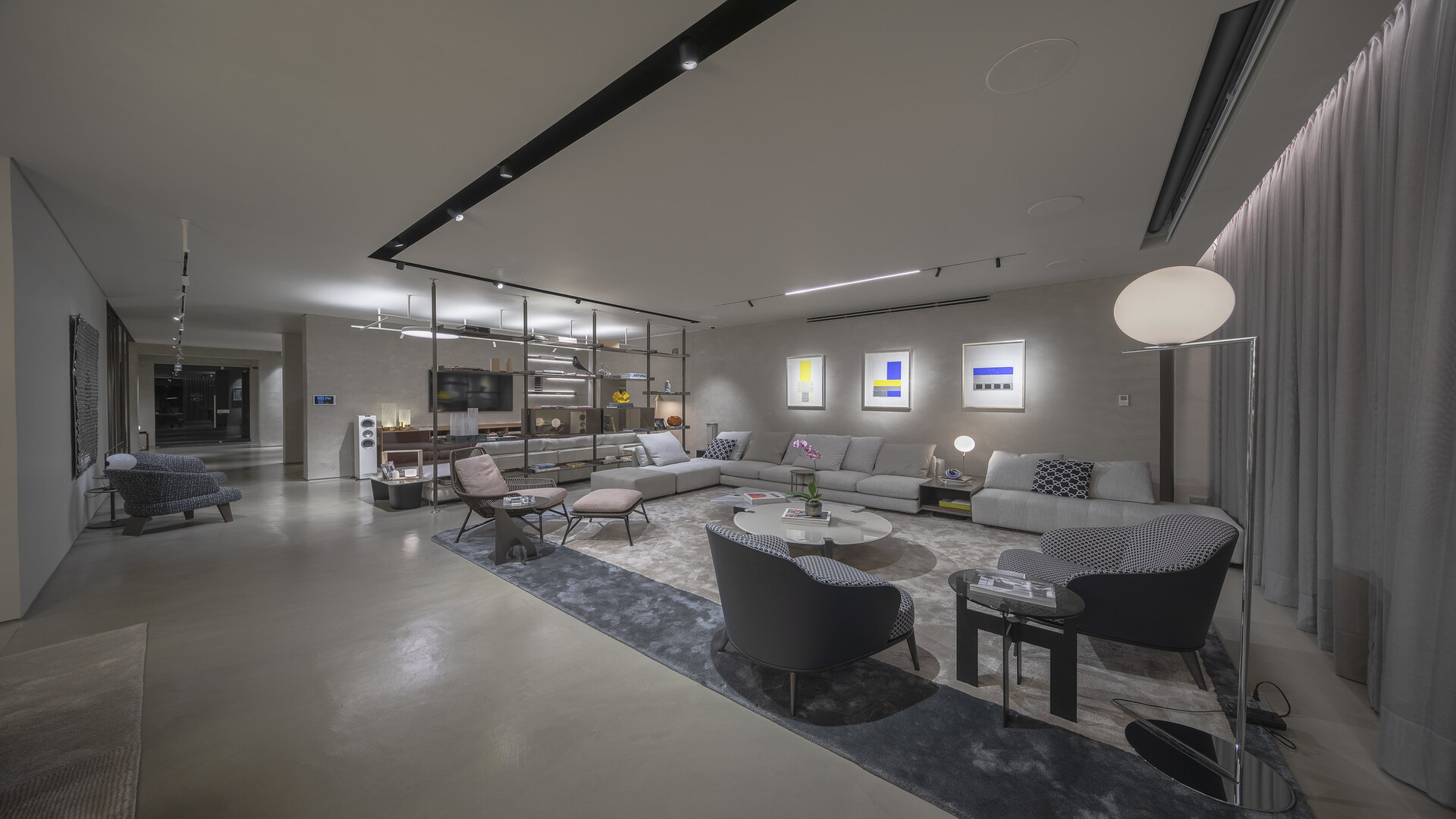
Social area 2
When we jump into the world of restaurant lighting, it’s crucial to see real-life examples that highlight how different approaches can dramatically alter a dining experience. These case studies showcase the transformative power of effective lighting design.
Cozy and Intimate Atmosphere
The goal was to create a warm, inviting space that feels like a home away from home. Dimly lit chandeliers and wall sconces produce soft pools of light, avoiding harsh shadows and creating a soothing ambiance. By incorporating candlelight on each table, we added a touch of romance and intimacy, perfect for date nights. The strategic use of warm color temperatures throughout supports this cozy vibe, encouraging guests to relax and linger over their meals. This thoughtful lighting design has been instrumental in turning Restaurant A into a beloved local spot for a quiet, intimate dining experience.
Modern and Trendy Vibe
For Restaurant B, the objective was to create a space that exudes energy and modernity. RGB LED lighting plays a key role here, allowing the color scheme to change depending on the event or time of day. Sleek, pendant fixtures with geometric shapes hang over the bar and dining area, providing direct lighting that highlights the vibrant colors of the dishes served. Adjustable track lighting ensures that art pieces on the walls are well-lit, adding to the aesthetic appeal. This adaptive lighting scheme reinforces Restaurant B’s reputation as a fashionable, dynamic venue, attracting a crowd looking for both excellent food and a lively atmosphere.
Elegant and Sophisticated Setting
The lighting design at Restaurant C aims to convey luxury and sophistication. Crystal chandeliers and recessed lighting create a sense of opulence, reflecting off polished surfaces to brighten the space magnificently. Precisely positioned accent lights draw attention to the fine details of the decor and the presentation of the cuisine, enhancing the overall dining experience. The careful balance of natural light during the day and ambient lighting in the evening promotes an exclusive atmosphere. In creating this elegant setting, Restaurant C has become a top choice for those seeking a high-end dining experience, demonstrating the significant role lighting plays in establishing a restaurant’s character.
Conclusion
We’ve explored the transformative power of lighting design in restaurants, from creating moods to enhancing dining experiences. With the right approach, lighting can highlight a restaurant’s best features, set the perfect ambiance, and even encourage social interactions among guests. Whether it’s cozy and intimate or modern and trendy, the versatility of lighting design allows for dynamic environments that leave lasting impressions. By leveraging techniques like layered lighting and understanding the impact of color temperatures, restaurants can achieve a visually captivating space. Remember, the goal is to provide an unforgettable dining experience, and with the insights from Schaller Design Lab and the case studies shared, achieving that is within reach. Let’s make your restaurant stand out with innovative lighting solutions that resonate with every guest.
Frequently Asked Questions
What is the role of lighting design in restaurants?
Lighting design in restaurants is crucial for creating moods, enhancing dining experiences, and highlighting the best features of the space. It contributes to a comfortable and engaging atmosphere that encourages social interactions among guests.
How can lighting design transform a restaurant’s dining experience?
By selecting the right fixtures, understanding color temperatures, and utilizing various lighting techniques, such as layered and accent lighting, restaurants can create dynamic environments that significantly enhance visual appeal, mood, and functionality, providing an unforgettable dining experience.
What are key considerations for lighting design in restaurants?
Key considerations include the layout and functionality of the space, the mood created by different color temperatures, and the style of lighting fixtures. These elements work together to create a visually captivating and perfectly tuned dining experience.
How do different lighting techniques affect restaurant atmospheres?
Techniques like layered lighting, task lighting, accent lighting, and control systems are essential for creating functional and inviting atmospheres. They allow for flexibility in adjusting the environment to match the desired ambiance, whether it’s cozy, modern, elegant, or sophisticated.
Can Schaller Design Lab help with restaurant lighting design?
Yes, Schaller Design Lab offers consultations and assistance in designing, carrying out solutions, and choosing the perfect lighting equipment to match the unique needs of restaurants, ensuring their space stands out and provides an unforgettable dining experience.
Why is color temperature important in restaurant lighting?
Color temperature greatly influences the ambiance of a restaurant. Warmer temperatures create cozy and intimate settings, while cooler temperatures contribute to a modern and alert vibe. The right color temperature helps in setting the desired mood and enhancing the overall dining experience.
What can we learn from the case studies mentioned in the article?
The case studies demonstrate the transformative power of effective lighting design, showcasing how different lighting approaches can create varied dining experiences—from cozy and intimate to modern and trendy, to elegant and sophisticated. They highlight the importance of tailoring lighting solutions to match the restaurant’s theme and desired customer experience.
Our Portfolio

Igniting Faith: The Technological Transformation of Valledupar Cathedral

Mutis Auditorium at Rosario University. The Greatest Acoustic Challenge We Have Faced.
Lighting that Inspires: An Exceptional Design Project

Designing the Sound and Visual Experience of Teriyaki Komodo Restaurant: A Case of Technological Innovation


Project KK: Where Art and Technology Converge

Universidad del Atlantico Theater: A Legacy of Technological and Cultural Innovation
Smart and Exceptional Design: TC Project

Turning Stars into Experiences: The Remodeling of the Combarranquilla Planetarium by Schallertech
CM: When Technology Meets Creativity
Table of contents