Table of contents
- Key Points
- What is an interactive classroom or smart classroom?
- Advantages of interactive classrooms
- Technologies used in interactive classrooms
- Importance of teacher training in interactive classrooms
- Successful Implementation of Interactive Classrooms
- 3 Effective Interactive Teaching Strategies to Promote Speaking or Discourse in Your Classes
- In Schaller Design Lab We Advise Schools and Universities
- Frequently Asked Questions
Key Points
- Interactive classrooms are fundamental to transforming teaching, offering active participation of students and teachers through the integration of advanced technology such as interactive screens, immediate response systems, and digital content.
- The implementation of interactive classrooms significantly improves student participation (80%), understanding of material (75%), and academic performance (65%), thus revolutionizing the educational experience towards more stimulating and inclusive environments.
- Highlighted advantages include fostering student participation, improving collaborative learning, and stimulating creativity, allowing students to explore new ways of expression and idea presentation.
- Technologies used in interactive classrooms include interactive digital boards, microphones for hybrid classes, high-quality speakers, and specialized educational software, essential for creating a dynamic and effective learning environment.
- Teacher training is a key pillar, preparing educators to effectively integrate technology into teaching and design
What is an interactive classroom or smart classroom?

An interactive classroom, also known as a smart classroom, is an educational space designed to enhance teaching and learning through the integration of advanced technology. These classrooms are equipped with digital tools and multimedia resources that enable active participation of both teachers and students in the educational process.
In our experiences, we have observed that interactive classrooms transform the traditional way of teaching by incorporating touch screens, digital whiteboards, and immediate response systems. This facilitates a more dynamic methodology where students can interact directly with study material and with each other.
The main features include:
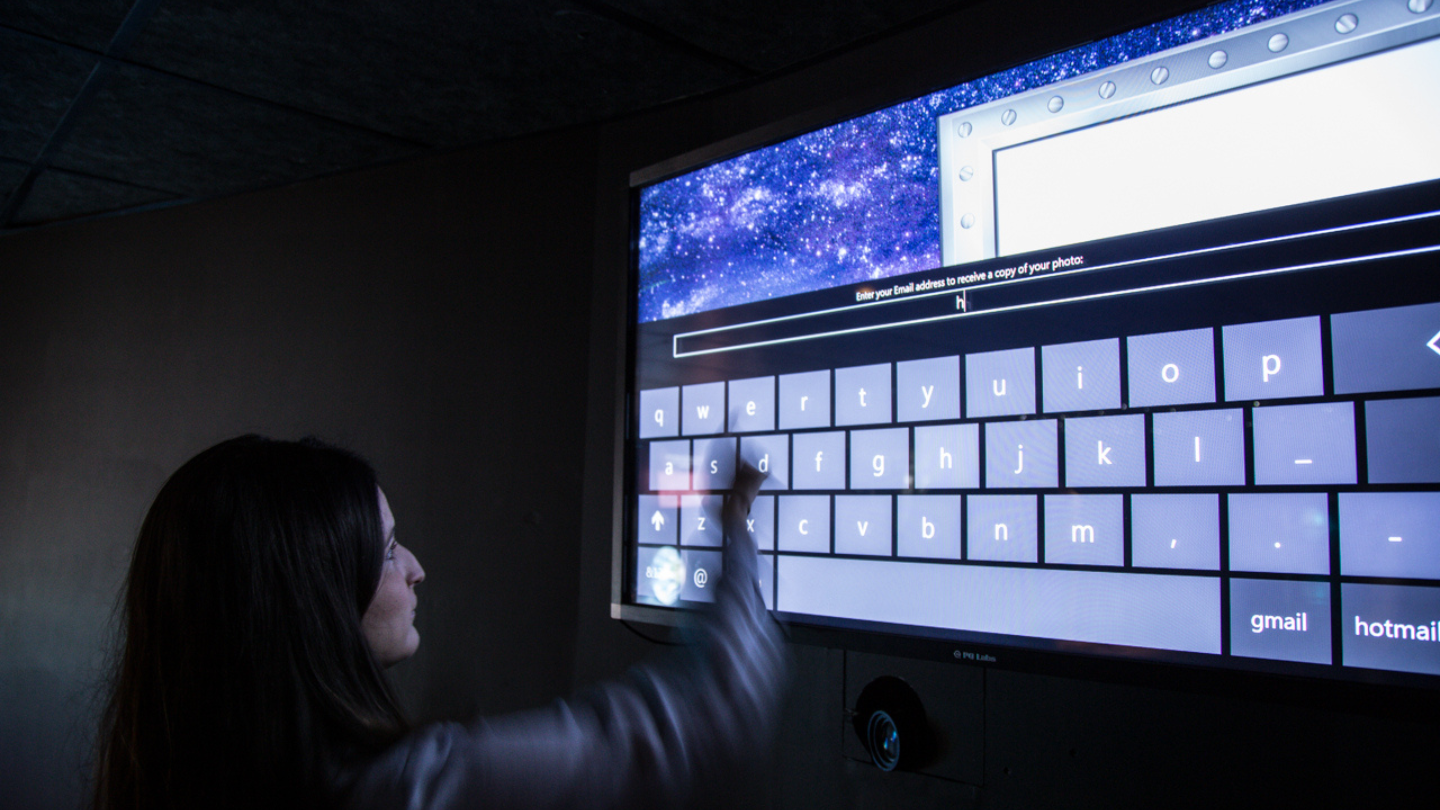
- Interactive Screens: Allow visualization of educational content and working directly on it.
- Immediate Response Systems: Encourage active participation by allowing students to answer questions from their devices.
- Digital Content: Access to a vast library of online educational resources adapted to different learning styles.
The implementation of the interactive classroom model has proven effective not only in capturing student attention but also in fostering deeper learning. According to recent studies:
| Benefits | Percentage (%) |
|---|---|
| Improvement in Student Participation | 80 |
| Increased Understanding of Material | 75 |
| Enhancement in Academic Performance | 65 |
These data reflect how the conscious and strategic use of technologies can revolutionize the educational experience. We are convinced that adopting these innovations will result in more stimulating and inclusive environments where each student can reach their full potential.
Additionally, another key aspect is the possibility that these classrooms offer for conducting formative assessments through online quizzes, which allows for instant feedback. Tools like Quizizz have become indispensable as they facilitate creating personalized exercises according to each student’s pace and level.
With all this in mind, it is clear why interactive classrooms represent a fundamental pillar within the modern educational paradigm. Technology not only improves pedagogical methods but also completely redefines the learning environment, making it more accessible and inspiring for all.
Advantages of interactive classrooms
In our experience, we have found that the implementation of interactive classrooms in the educational environment brings with it a series of undeniable benefits. Let’s break down some of the most significant ones.
Fostering Student Participation
Interactive classrooms have radically transformed the way students engage with course content. By allowing them to interact directly with digital materials and technological tools, active participation is encouraged instead of passive learning. This not only captures their attention for longer periods but also promotes greater retention of knowledge. According to recent studies, this methodology has been shown to significantly increase interest and motivation among students, leading them to participate more frequently and enthusiastically in proposed activities.
Improvement of Collaborative Learning
Collaborative learning is another fundamental pillar within the advantages offered by interactive classrooms. Digital tools such as touchscreens and specialized software allow students to work together on projects and exercises, improving their social and communication skills while consolidating knowledge. This form of learning not only reinforces individual understanding but also teaches important values such as teamwork and respect for others’ ideas. Additionally, by sharing different points of view on the same topic, an environment rich in intellectual diversity is fostered.
Stimulation of Creativity
Finally, but not least, is the creative stimulation provided by these classrooms. By having access to multimedia and interactive resources, students can explore new ways of expressing themselves and presenting their ideas. Whether through audiovisual projects or using applications to create innovative digital content, the possibilities are virtually limitless. This not only enhances their technical skills but also their ability to think outside the traditional mold; an invaluable competency in today’s world.
In summary, interactive classrooms represent a necessary evolution within the contemporary educational landscape; one where the student becomes an active protagonist in their formative process thanks to the intelligent use of advanced technology.
Technologies used in interactive classrooms
Interactive Digital Boards
At the heart of interactive classrooms are digital boards, essential tools that transform traditional education into a dynamic and collaborative experience. LG’s interactive line stands out in this field, offering monitors ranging from 65″ to impressive 136″. These devices allow students and teachers to interact directly with digital content through touches or gestures, facilitating a more participatory and visual learning. Imagine an entire class solving math problems together on a giant digital board or exploring interactive historical maps; this is the kind of immersion and interaction made possible.
Microphones for Hybrid Classes
In hybrid classes, where some students are physically present while others connect remotely, sound clarity is fundamental. Brands like Shure and BiAmp lead the market with microphones designed specifically for these educational environments. These devices ensure that every word spoken by the teacher is captured with crystal clarity and without interference, ensuring that all students, regardless of where they are, can follow the lesson smoothly. This type of technology breaks physical barriers, allowing us to create an inclusive space where everyone can learn together.
Speakers for Interactive Classrooms
Speakers play a crucial role in complementing vibrant visuals with equally immersive audio. Clear and powerful sound ensures that explanatory videos, dialogues between historical characters, or even music used during lessons are experienced to the fullest by all students. Integrating high-quality speakers in interactive classrooms not only improves content delivery but also keeps students engaged and interested throughout the session.
Specialized Educational Software
Finally, all this hardware would be futile without specialized educational software designed to make the most of it. Nowadays, we have a wide variety of applications and programs designed specifically to foster interactive and immersive learning. From platforms offering AI-based adaptive lessons to detailed virtual simulations on almost any imaginable topic; educational software has opened doors to innovative teaching methods that were previously unthinkable.
Importance of teacher training in interactive classrooms
Teacher training is a fundamental pillar in the development and success of interactive classrooms. We are facing an era where technology advances by leaps and bounds, and with it, educational methodologies must evolve to meet current learning needs. Continuous training of teachers not only allows them to master technological tools but also to adapt their pedagogical strategies to maximize the potential of the interactive environment.
One of the most critical aspects that highlight the importance of this training is the ability to create dynamic pedagogical content. Trained teachers can design lessons that are not only informative but also stimulating and participatory. This includes knowing how to integrate interactive quizzes, such as those offered by platforms like Quizizz, where each student can receive questions in a random order, thus maintaining a high level of attention and interest throughout the session.
In addition, it is proven that students learn and retain knowledge better when it is combined with active practice. Proper teacher training prepares educators to implement these practices through the effective use of interactive digital screens and other digital resources. When well-trained, they can guide their students towards active participation, making optimal use of the available equipment.
Another crucial point is the effective handling of feedback received through technologies applied in the educational field. Trained teachers know how to interpret data from, for example, automatic grade control or immediate responses during class activities. This information allows them to quickly adjust to individual or group needs, thus optimizing the teaching-learning process.
Finally, but not least, is the ability to foster an inclusive environment where all students can equally benefit from the presented teaching material. Specialized training helps identify and overcome learning barriers that may arise due to intensive use of technology in classes.
In summary, investing in teacher training ensures that we make the most of the advantages offered by interactive classrooms: from fostering creativity to significantly improving academic results among our students.
Successful Implementation of Interactive Classrooms

In the journey towards the education of the future, interactive classrooms hold a prominent place. This transformation not only involves the inclusion of advanced technology but also a profound review of pedagogical methods and strategies.
Design of Dynamic and Attractive Activities
To maximize the learning potential in interactive classrooms, it is essential to design activities that are not only educational but also dynamic and attractive. Digital tools offer an almost unlimited range of possibilities: from personalized quizzes that can adapt to each student’s pace to educational games that promote healthy competition and collaborative learning. Recent studies highlight how random quizzes increase knowledge retention by presenting content in a novel and challenging way.
The Role of the Teacher in Interactive Learning
The success of the interactive classroom relies heavily on the active role of the teacher. Far from being merely a facilitator, the teacher must become an expert guide capable of using technological tools to adapt their teaching to individual or group needs. This implies constant training not only in technical aspects but also pedagogical ones to make the most of these interactive platforms. The ability to interpret data on student performance allows for precise and real-time adjustments that significantly enhance the effectiveness of the educational process.
Collaboration between Teachers and Students
Promoting a collaborative environment is another key to successful implementations. In this interactive context, students and teachers co-create knowledge, exploring concepts from multiple angles thanks to resources such as interactive touch screens or online forums where doubts and insights are shared outside regular school hours. This type of collaboration breaks traditional barriers between teachers and students, fostering a more horizontal learning where everyone has something valuable to contribute.
By incorporating innovative technology-based practices and encouraging a more active relationship between students and teachers, we are setting the standard for a golden age in education where each session is a unique and unrepeatable opportunity to discover new horizons of knowledge.
3 Effective Interactive Teaching Strategies to Promote Speaking or Discourse in Your Classes
In our classrooms, we always seek innovative ways to foster active participation and improve the communication skills of our students. Below, we share three proven interactive strategies that energize classes and promote constructive dialogue among students.
1. Think, Pair, Share
This technique is simple yet powerful. First, we present a question or problem to the class and give them a moment to individually think about their answers. Then, students pair up with a classmate to discuss their ideas. Finally, each pair shares their conclusions with the rest of the group. This strategy not only fosters debate but also allows all students to participate on equal footing, regardless of their confidence level in public speaking.
2. Brainstorming
Brainstorming is ideal for generating creative ideas and solutions to complex problems in a criticism-free environment. We implement it by assigning a specific topic and allowing students to freely propose any idea that comes to mind, no matter how unconventional it may seem. This method stimulates divergent thinking and teaches to value all contributions within the creative process.
3. Buzz Session
Buzz Sessions involve dividing the class into small groups, where each one discusses a particular topic for a few minutes before sharing their key points with the whole class. This format maintains high group energy as everyone has the opportunity to express themselves in a more intimate setting before facing the larger group. It is perfect for delving into complex topics or discussing different viewpoints on the same issue.
By implementing these interactive techniques, we not only significantly increase student participation but also improve the fundamental communication skills for their future professional and personal lives.
In Schaller Design Lab We Advise Schools and Universities
We have dedicated ourselves to transforming traditional classrooms into interactive spaces where each student becomes the protagonist of their learning. We understand that the key to success lies in the adaptability of teachers and in the creation of content that not only teaches but also inspires. Our experience has shown us that the implementation of effective interactive strategies such as “Think, Pair, Share,” “Brainstorming,” and “Buzz Session” not only fosters active participation but also prepares students for a future full of possibilities.
We firmly believe in the power of interactive classrooms to revolutionize education. Therefore, we are committed to continuing to support schools and universities on their path to educational innovation, ensuring that every step they take is aligned with the needs and expectations of their students. Together, we can create learning environments that not only inform but also transform.
Frequently Asked Questions
What is an interactive classroom?
An interactive classroom is an educational space that incorporates technologies and methodologies to make learning a more dynamic experience, promoting active interaction between students and teachers.
What are the benefits of interactive classrooms?
Interactive classrooms enhance student participation, facilitate collaborative learning, stimulate creativity, and increase knowledge retention, transforming traditional teaching into a more enriching experience.
Why is teacher training important in interactive classrooms?
Continuous training allows teachers to master technological tools and adapt their pedagogical strategies, improving the design of dynamic activities and the use of feedback to respond to the needs of all students.
How does classroom interaction improve learning?
Interaction facilitates a more horizontal and meaningful learning, where everyone can share knowledge and experiences. This promotes a greater understanding and retention of content, while improving communication and collaborative skills.
What interactive strategies can be applied to promote dialogue in class?
Strategies such as “Think, Pair, Share,” “Brainstorming,” and “Buzz Session” are effective in increasing student participation and improving communication skills, making the class a more interactive and participatory space.
Our Portfolio


Innovation in Commercial Lighting: The Magic Behind the Verdi Project

Residential Design Casa JC: Sophistication and Technology

SB Apartment – Lighting Redesign

Universidad del Atlantico Theater: A Legacy of Technological and Cultural Innovation

The House in the Air: Technological Transformation

Mutis Auditorium at Rosario University. The Greatest Acoustic Challenge We Have Faced.

Metropolitan Stadium: Clear and Powerful Sound with Renkus-Heinz Speakers
Table of contents
- Key Points
- What is an interactive classroom or smart classroom?
- Advantages of interactive classrooms
- Technologies used in interactive classrooms
- Importance of teacher training in interactive classrooms
- Successful Implementation of Interactive Classrooms
- 3 Effective Interactive Teaching Strategies to Promote Speaking or Discourse in Your Classes
- In Schaller Design Lab We Advise Schools and Universities
- Frequently Asked Questions