Table of contents
In the world of live performances, technical design isn’t just a backdrop; it’s a pivotal player in the sensory experience. We’ll jump into how lighting, sound, and stage design come together to create unforgettable moments.
At Schaller Design Lab, we know that every element counts. We’ll explore the latest trends and technologies that are shaping the future of performance spaces.
Need expert guidance on your project? We’re here to help, no matter where you are in the world. From design to implementation, Schaller Design Lab is your go-to for technical design excellence.
Understanding Technical Design in Performance Spaces
What Is Technical Design?
Technical design refers to the strategic integration of lighting, sound, and stage components to enhance the overall impact of live performances. It’s the blueprint that guides the creation of engaging and immersive environments. Behind every memorable performance, technical design orchestrates the visual and auditory elements, ensuring they align with the director’s vision and the narrative’s needs. Every spotlight, sound effect, and set piece is deliberately placed, blending art with technology to transport audiences into the story unfolding before them.
Importance of Technical Design in Performance Spaces
The role technical design plays in performance spaces is undeniable. It weaves the fabric that turns performances into evocative experiences. Sound design is not just about volume; it’s about clarity, mood, and sometimes even directionality, allowing the audience to feel fully enveloped in the world on stage. Lighting design, on the other hand, does more than light the way for performers; it shapes and shifts audience perceptions, draws focus, and can symbolize shifts in time or emotion.
Also, technical design directly impacts the longevity and adaptability of a performance space. Venues equipped with advanced and flexible technical systems are better suited to host a diverse range of productions, from classic theater to modern experimental art. This versatility expands the venue’s marketability and broadens its appeal to a variety of performers and audiences alike. In this rapidly evolving field, staying abreast of the latest technological advancements is essential for any space aiming to remain relevant and competitive in the entertainment industry.
Key Elements of Technical Design in Performance Spaces
Lighting Design
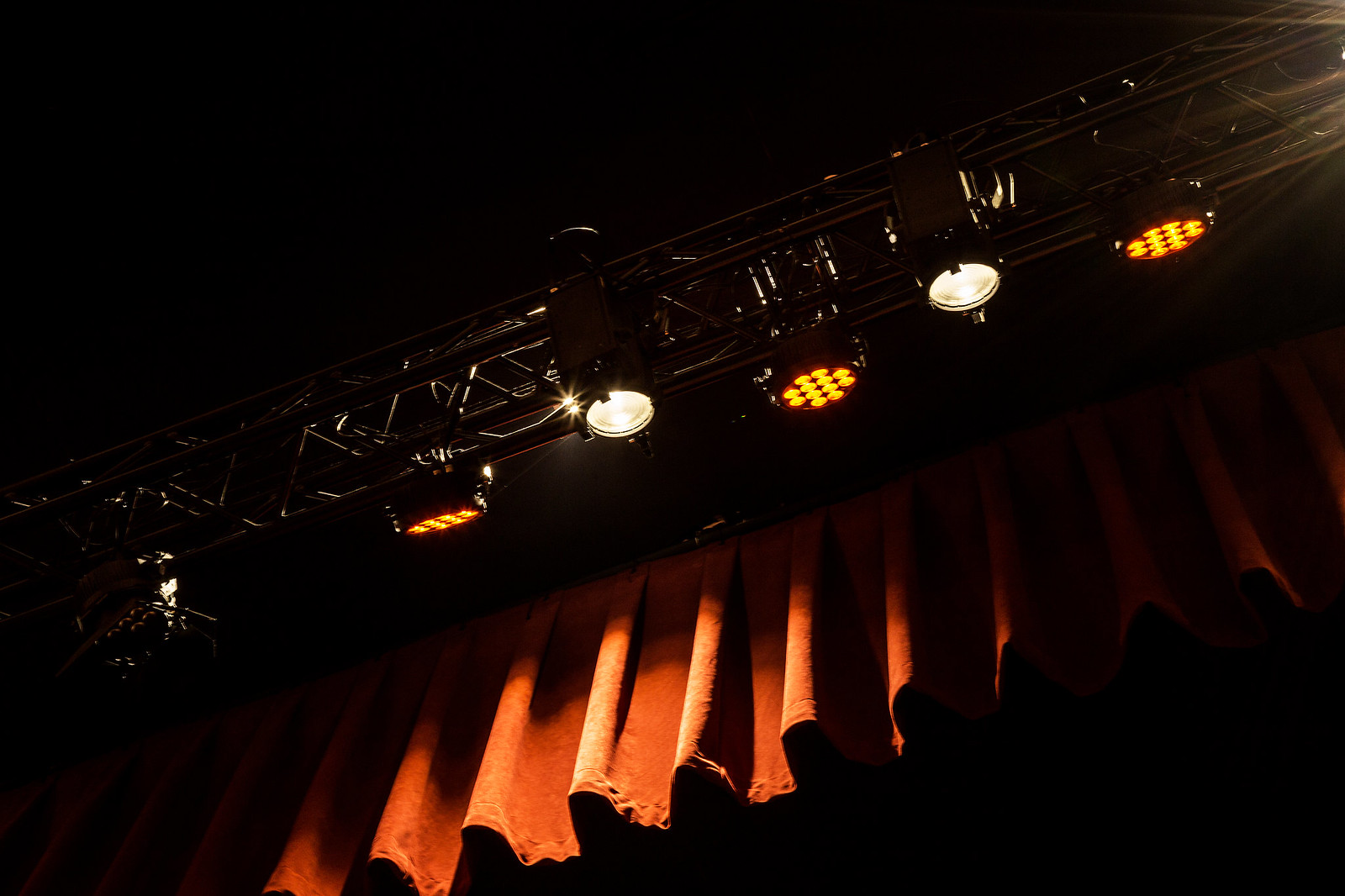
A captivating view of stage lights casting an intense glow on a dark curtain, embodying the essence of ‘Technical Design in Performance Spaces’.
We understand that lighting design is a pivotal element in setting the tone and mood for any performance. Effective lighting design maximizes the visual impact and guides the audience’s attention to the most important parts of the stage. It isn’t just about brightness or darkness; it’s about color temperature, contrast, and the direction of the lights. With advanced LED technology, designers have an extensive palette of colors and intensities at their disposal. This allows for real-time adjustments and dynamic effects that can be synchronized with the performance.
Sound Design
In sound design, we focus on clarity, acuity, and fidelity to ensure each word and note reaches the audience as intended. The placement of speakers and the use of acoustic treatments are crucial for optimal sound distribution. Sound design isn’t solely about volume; it’s about creating an aural world that complements the visual elements on stage. We incorporate the latest digital mixing boards that allow for precise control over every aspect of the audio experience.
Set Design
Set design transports the audience into the world of the performance. It’s the art of crafting physical spaces that support the narrative and withstand the rigors of live performance. We make use of modular and movable set pieces to offer versatility and quick changes between scenes. Sustainable materials and innovative construction methods contribute to creating sets that are both visually striking and enduring.
Stage Design
The stage is where all elements come together, and our stage design ensures it’s both functional and engaging. We prioritize the performer’s needs and the audience’s sightlines while incorporating elements that allow for seamless transitions. Versatile staging can support a range of performances, from intimate solo acts to elaborate ensemble pieces. It must bear the weight of heavy equipment and allow for secure mounting points for rigging systems.
Rigging Design
Rigging design is often the unsung hero, but we recognize its importance for safety and creative expression. Overhead rigging must support the weight of lights, scenery, and sometimes performers, without fail. We ensure that rigging structures are rigorously tested and comply with industry standards. Automated rigging systems have revolutionized the speed and precision with which scenes transform, ushering a new era of dynamic stage environments.
The Role of Technology in Technical Design
Advancements in Lighting Technology
Advancements in lighting technology have revolutionized the way we illuminate performance spaces. LED lighting has emerged as a game-changer, offering energy efficiency and superior color changing capabilities. With the advent of intelligent lighting systems, designers can now program complex sequences and movements that were previously unimaginable. It’s not just about brightening the stage; it’s about shaping moods and carving out atmospheres that resonate with every scene.
Innovations in Sound Technology
The domain of sound technology has seen significant strides with digital mixing consoles and 3D audio systems. Gone are the days of managing analogue systems with their inherent limitations. Now, sound engineers can craft rich, layered soundscapes that maintain clarity and directionality, enveloping the audience in a cocoon of sound. This leap in audio tech ensures that every whisper, crescendo, and acoustic nuance is delivered with precision.
Impact of Digital Set Design
Digital set design is transforming static backdrops into dynamic landscapes. With tools like video mapping and augmented reality, sets can transition seamlessly from a bustling cityscape to a tranquil countryside without manual interference. This digital prowess enables us to create more engaging narratives, where visual elements are not just backdrops but active storytellers that support the narrative.
Automation in Stage Design
Stage design isn’t left behind in the tech revolution. Automation has enabled intricate moving sets and elements that can change position swiftly and safely during a performance. The precision of automated systems means set changes are smoother and more consistent, allowing for complex staging that adds a layer of professionalism and spectacle to any production.
New Techniques in Rigging Design
Rigging design has grown leaps and bounds with new techniques that ensure safety and versatility. Motorized rigging systems allow for quick and precise scene changes, while automated fly systems make it possible to choreograph elaborate aerial sequences. These innovations have widened our horizons, allowing us to imagine and execute complex aerial displays that were once deemed too risky or technically challenging.
The Challenges and Considerations in Technical Design
Meeting the Needs of Different Performance Genres
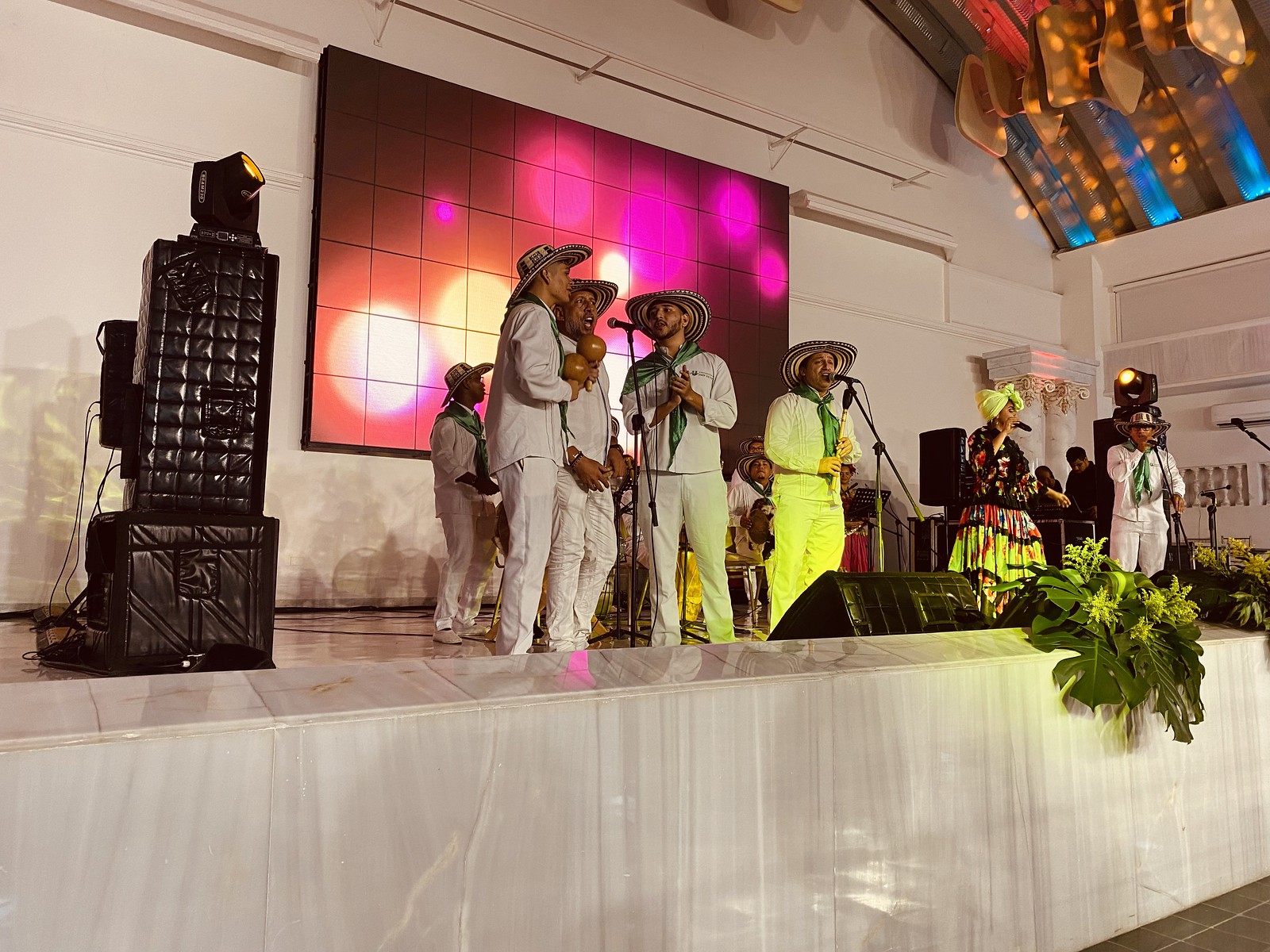
A dynamic stage scene, showcasing a blend of performance and technical design, embodying the essence of ‘Technical Design in Performance Spaces’.
When tackling technical design, we recognize that various performance genres present unique challenges. For example:
- Musical theatre often requires dynamic lighting and robust sound systems to handle live music and song.
- Dance performances rely heavily on spatial awareness, requiring precise lighting to accentuate movement.
- Dramatic plays may need subtle lighting cues and clear acoustics for dialogue delivery.
Adapting technical setups to accommodate these different needs is critical to ensure that each performance genre’s artistic intent is fully realized.
Integrating Technical Design with Artistic Vision
The heart of technical design lies in its ability to blend seamlessly with the director’s artistic vision. This means our technical teams must work closely with directors and set designers from the outset. Together, we develop a cohesive approach to incorporating:
- Lighting that reflects the mood and tone of the piece
- Soundscapes that enhance the narrative
- Scenic elements that transport the audience
It’s this collaboration that transforms a script into a sensory-rich live experience.
Balancing Functionality and Aesthetics
Achieving harmony between functionality and aesthetics is a tightrope walk in technical design. We ensure that every aspect of the technical design serves a purpose and adds value to the aesthetic appeal. Critical considerations include:
- The use of lighting and sound elements that are both effective and unobtrusive
- Stage designs that are versatile and can adapt to different scenes or performances
- Rigging systems that are hidden from the audience’s view to maintain immersion
By optimizing these elements, we create spaces that are both visually stunning and technically sound.
Ensuring Safety and Compliance
At the forefront of our technical design priorities is safety and regulatory compliance. We adhere to strict guidelines and best practices to protect performers, crew, and patrons. This involves:
- Rigorous testing of lighting, rigging, and sound equipment
- Regular maintenance and safety checks
- Adherence to local and national safety standards
Safety influences every decision in the technical design process to maintain an environment where the focus can remain on the performance and not on potential hazards.
The Collaborative Nature of Technical Design
Importance of Collaboration between Technical and Artistic Teams
Successful technical design in performance spaces is heavily reliant on the synergy between technical and artistic teams. For us to bring a concept to life, it requires a deep understanding of each other’s disciplines. Technical personnel must grasp the artistic vision, while artists must appreciate the possibilities and constraints of technology. We often see the most striking results when there’s a mutual respect and an open dialogue from the earliest conception stages through to final rehearsals.
- Clear Goals: Establishing shared objectives at the outset focuses the collaboration.
- Cross-Disciplinary Insight: When we engage in knowledge exchange, our projects gain depth and innovation.
- Efficient Problem-Solving: United teams resolve technical and artistic challenges more swiftly.
Communication and Coordination in Technical Design
Communication is the cornerstone of technical design coordination. We’ve learned that detailed planning and regular check-ins avoid misalignment and costly missteps. By utilizing project management tools and adhering to established protocols, we ensure that every lighting cue, sound effect, and set piece is in harmony with the overall design.
Tools and strategies that aid us in this aspect include:
- Digital Mock-Ups and Simulations: These allow us to anticipate and adjust design elements virtually.
- Centralized Communication Platforms: They streamline discussions, keeping everything documented and accessible.
- Rehearsal Feedback Loops: Constant updates between rehearsals bolster the refinement process.
Building Strong Relationships with Suppliers and Manufacturers
We can’t overstate the importance of fostering robust relationships with equipment suppliers and scenic manufacturers. Our most successful productions are often the ones where we’ve involved these partners from day one. Why? Because they offer valuable insights into the practicalities of bringing our designs to fruition. They inform us about the latest materials and technologies that can push our creative boundaries while being mindful of budgets and timelines.
- Exclusive Access: Solid relationships can grant us first looks at cutting-edge stage technologies.
- Custom Solutions: Collaborating closely with suppliers can lead to bespoke design elements that are unique to our production.
- Reliability: Trust built over prior successful projects typically guarantees us timely delivery and responsive service.
Engaging with these partners with clarity and consistency ensures our set pieces and technical gear not only meet the artistic vision but also surpass audiences’ expectations. Together, we create unforgettable experiences that captivate and move our spectators.
Conclusion
We’ve explored the multifaceted world of technical design, underscoring its pivotal role in crafting unforgettable live performance experiences. Our journey through the intricacies of lighting, sound, and stage design reveals a world where artistry meets technology, creating spaces that not only reflect a director’s vision but also captivate audiences. It’s clear that the ever-evolving nature of technical advancements demands our constant attention to deliver awe-inspiring spectacles. As we navigate the complexities of marrying functionality with aesthetics, we’re reminded that the essence of a great performance space lies in its ability to seamlessly blend these elements while prioritizing safety and compliance. By fostering collaboration and nurturing partnerships, we ensure that the final product—whether it’s for theater, music, or dance—resonates with every person it touches. Let’s continue to push the boundaries of what’s possible, ensuring every performance is as technically robust as it is artistically profound.
Frequently Asked Questions
What is technical design in live performances?
Technical design in live performances is the integration of lighting, sound, set, stage, and rigging design to create immersive environments that enhance the experience and align with the director’s vision and narrative needs.
Why is technical design important in live performances?
Technical design is crucial because it turns ordinary performances into evocative experiences, thereby fulfilling the director’s vision and engaging the audience in an immersive way.
How does technical design contribute to the success of a performance?
Technical design contributes to the success of a performance by ensuring that all technical elements—lighting, sound, and set design—work in harmony to create a cohesive and compelling environment that resonates with the audience.
What are some challenges in technical design for live performances?
Some challenges include catering to different performance genres, merging technical and artistic visions, balancing functionality with aesthetics, and ensuring safety and compliance in the design process.
How important is staying updated with technological advancements in technical design?
Staying updated with technological advancements is critical for performance spaces to remain competitive and relevant in the entertainment industry, ensuring they meet modern audience expectations.
Can technical design impact the competitive edge of a performance space?
Yes, up-to-date and innovative technical design can give a performance space a competitive edge by elevating the audience’s experience and potentially drawing more visitors.
What role does collaboration play in technical design for live performances?
Collaboration is vital in technical design, as it involves coordinated efforts between various departments and professionals to achieve a unified artistic vision and seamless performance execution.
Why is building relationships with suppliers important in technical design?
Building strong relationships with suppliers and manufacturers is significant because it ensures access to the latest technology, quality materials, and potentially better terms, which all contribute to successful technical design outcomes.
Our Portfolio

Project KK: Where Art and Technology Converge

Apartment in Barranquilla: Home Automation and Lighting
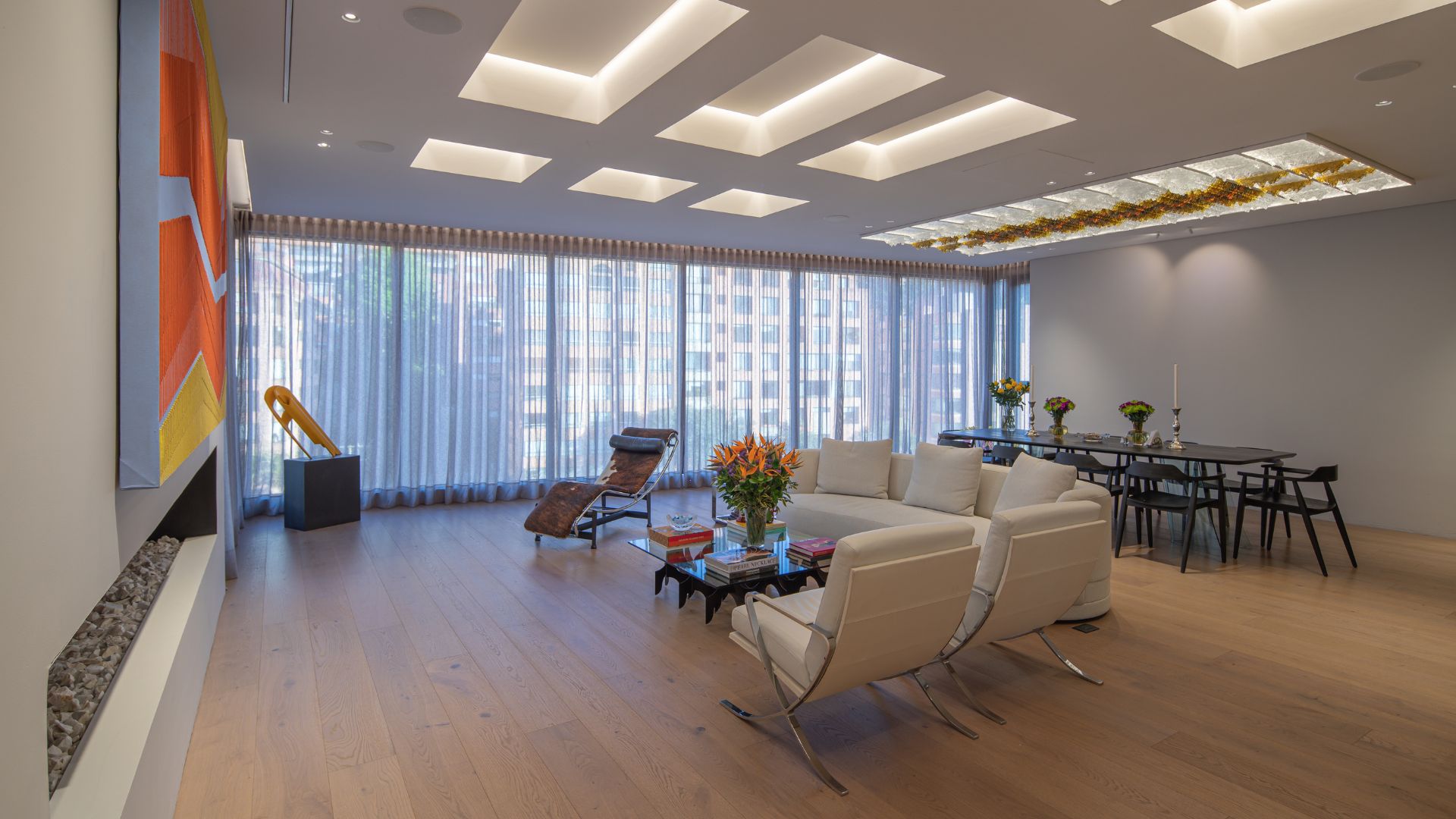
GP Apartment: Exceptional Design and Technology

Igniting Faith: The Technological Transformation of Valledupar Cathedral
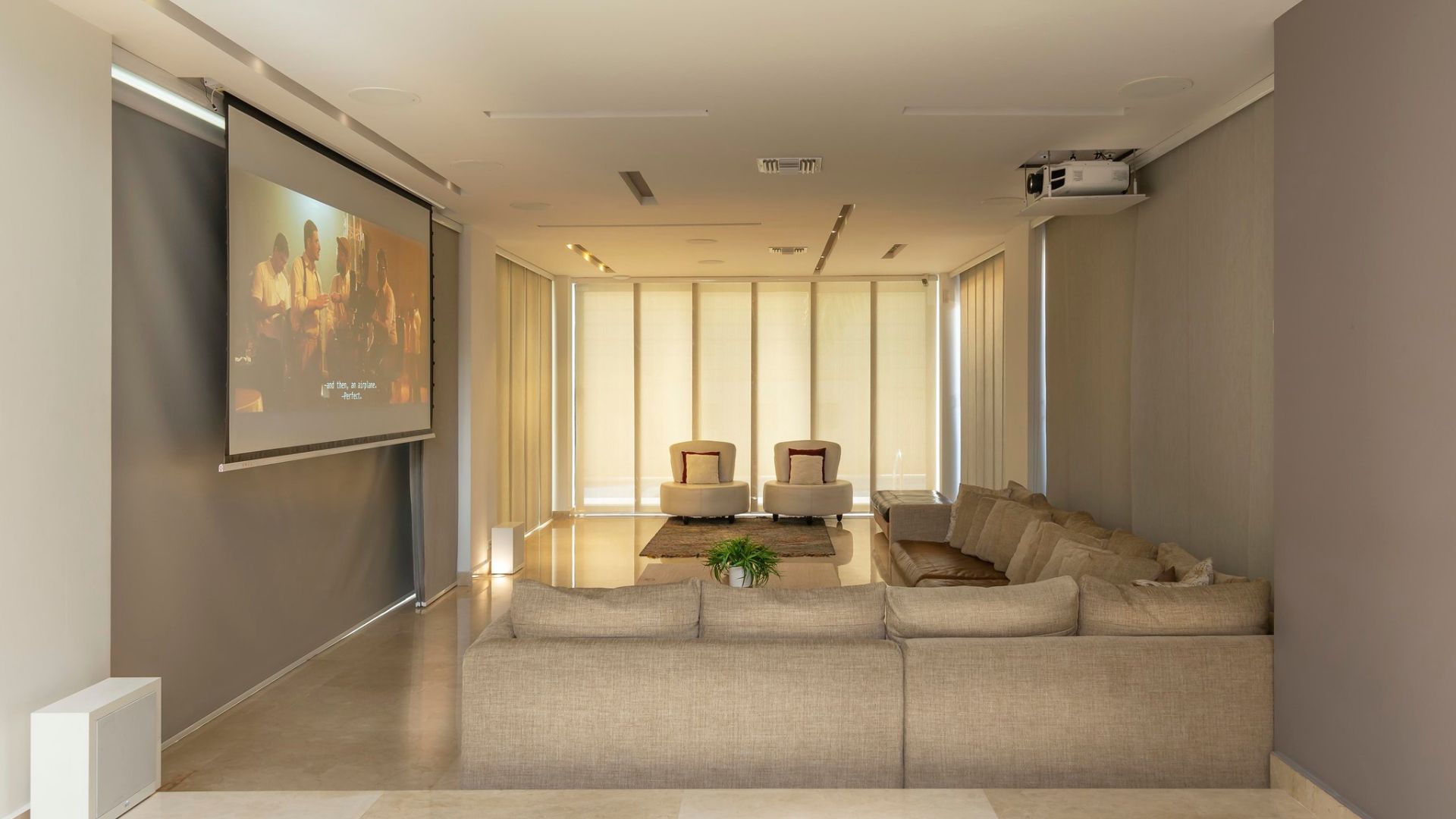
Smart and Exceptional Design: TC Project

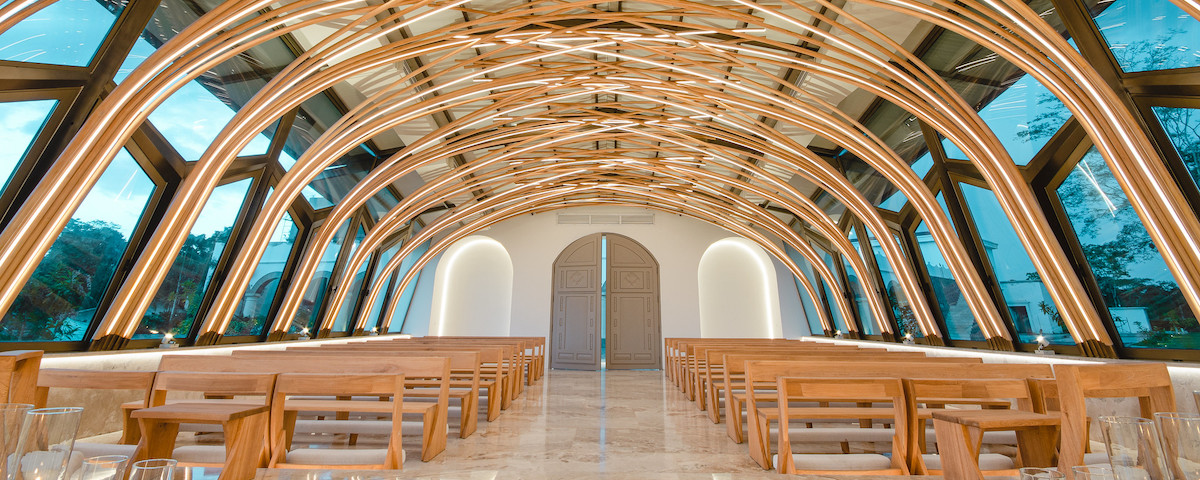
Chapel Hacienda Las Marías. The Evolution of Lighting in Worship Spaces

Innovation in Commercial Lighting: The Magic Behind the Verdi Project
Table of contents