Table of contents
Key Takeaways
- Designer ceiling lighting elevates the aesthetic appeal and ambiance of any space, acting as both a functional light source and a statement piece of art.
- A variety of designer ceiling lighting types, including chandeliers, pendant lights, flush mounts, and track lights, offer unique aesthetic and functional benefits to suit different spaces and design preferences.
- Choosing the right designer ceiling lighting requires considering room size, ceiling height, the style/theme of the space, and lighting functionality to ensure a harmonious and effective setup.
- Proper installation and maintenance, including following manufacturer instructions, ensuring support for heavy fixtures, and regular cleaning and bulb replacement, are crucial for the longevity and performance of designer ceiling lighting.
Benefits of Designer Ceiling Lighting
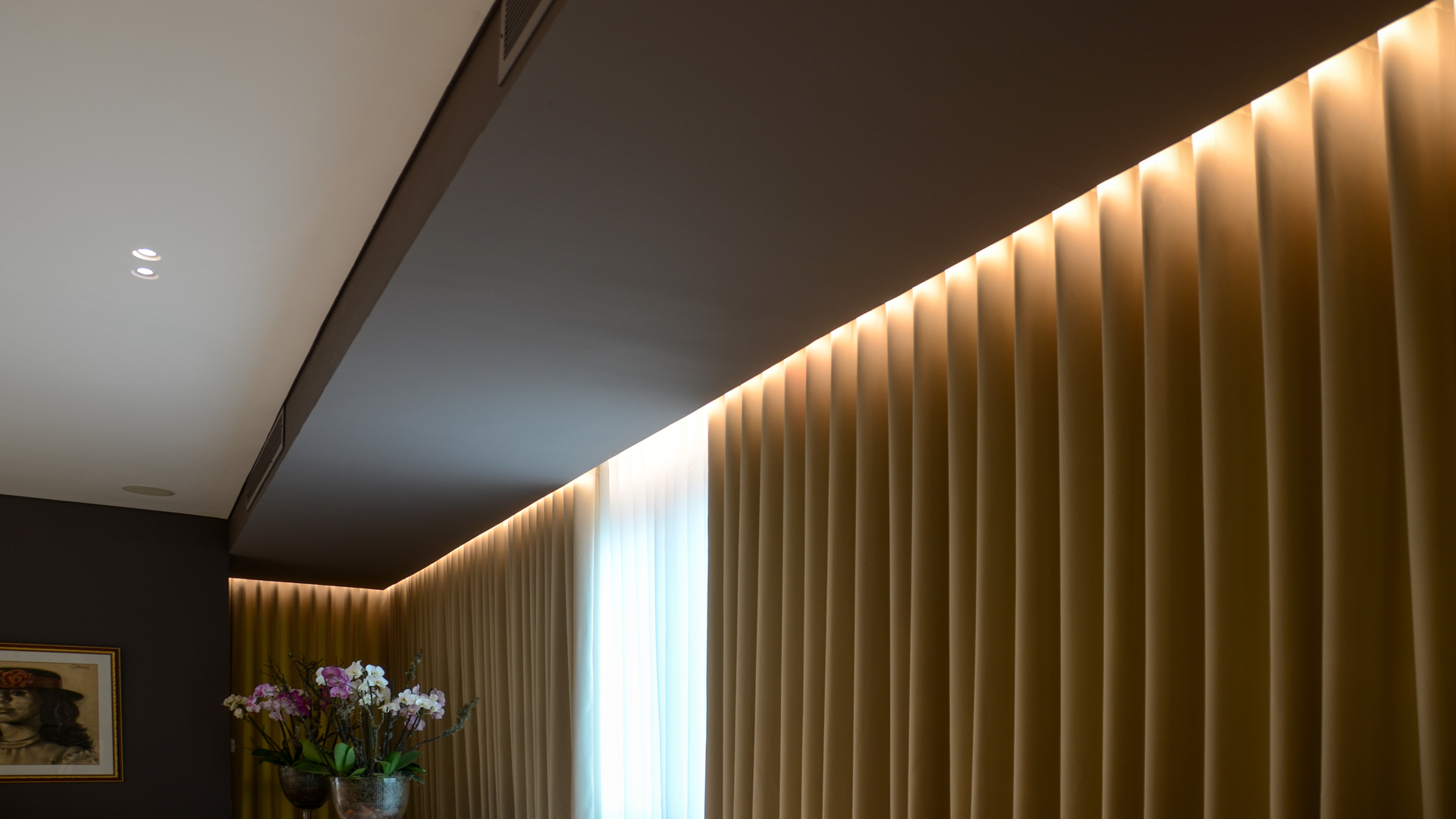
Ceiling lights over curtains.
Lighting is not just about visibility; it’s a statement of style and personality. When we explore the area of designer ceiling lighting, we investigate into the myriad ways it can dramatically uplift a room’s ambiance and aesthetic. Let’s break down how designer ceiling lighting can be a game-changer for any space.
Enhancing the Aesthetic Appeal of a Space
One of the most immediate benefits we notice with designer ceiling lighting is its unparalleled ability to enhance the aesthetic appeal of a space. Whether it’s the soft glow that adds warmth to a cozy reading nook or the bold, dramatic flair of a modern chandelier in the entryway, designer lighting serves as more than just a functional element. It’s a piece of art. High-quality materials, intricate designs, and unique light patterns play a pivotal role in complementing and elevating the interior decor, making the space more inviting and visually appealing.
Creating a Focal Point
Every room needs a focal point, and designer ceiling lights are exceptionally good at drawing the eye. By choosing a piece that stands out—be it through size, color, or design—we can create a stunning visual anchor that ties the room together. This isn’t just about aesthetics; it’s a strategic design choice. A well-chosen light fixture can draw attention to the highest points of a room, making the space feel larger and more open. Whether it’s a sleek pendant light over a dining table or a statement chandelier in the living room, the right ceiling light can transform the entire vibe of a place.
Offering Versatility in Design
The beauty of designer ceiling lighting lies in its versatility. Our choices are not limited by style, size, or color. Whether our interior design leans more towards rustic charm, minimalist modern, or eclectic chic, there’s a designer ceiling light to match. Also, advancements in lighting technology mean we’re no longer restricted by traditional lighting methods. LED lights, dimmable features, and smart home compatibility allow for a customized lighting experience that can adapt to our needs and moods throughout the day. This adaptability makes designer ceiling lighting not just an aesthetic choice but a practical one that can enhance the functionality of a space.
In exploring the vast possibilities presented by designer ceiling lighting, it’s clear that the right lighting choice can transform any room. From enhancing the beauty of our spaces to offering versatile design solutions, the impact of thoughtful lighting design cannot be overstated. As we continue to navigate the world of interior design, let’s keep in mind the powerful role lighting plays in creating spaces that feel as good as they look.
Factors to Consider when Choosing Designer Ceiling Lighting
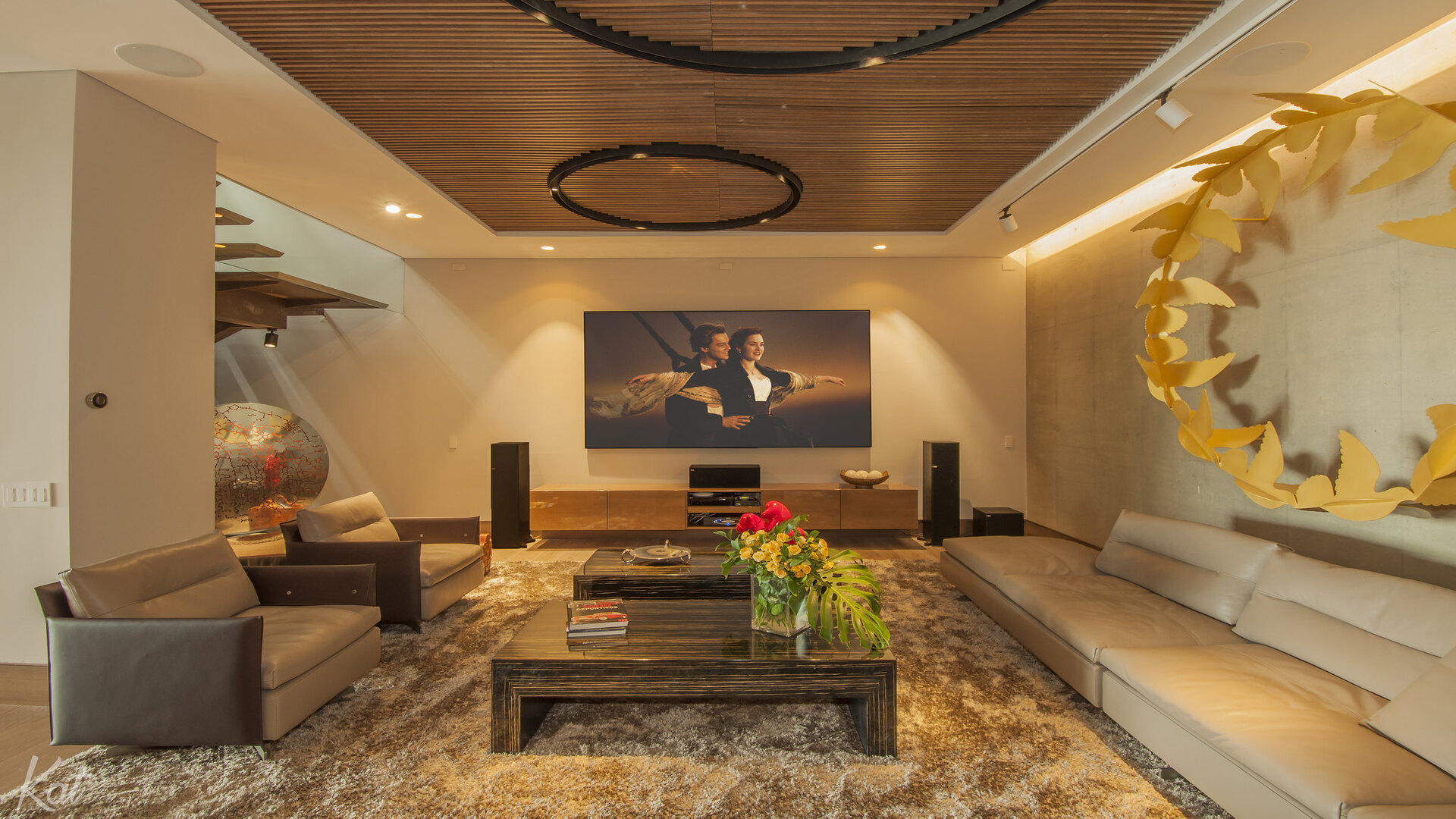
Living room artistic lighting desing
Selecting the right designer ceiling lighting is not just about picking a style you love; it involves considering various factors to ensure the light fits perfectly with your space and meets your needs. Let’s investigate into what these crucial aspects are.
Room Size and Ceiling Height
The first step in our journey is understanding the impact of Room Size and Ceiling Height on our lighting choices. For larger rooms, we look for fixtures that command attention and distribute light evenly across the space. Larger chandeliers or pendant lights often serve this purpose brilliantly. In contrast, smaller rooms benefit from sleek designs that complement the space without overwhelming it.
Ceiling height plays a pivotal role too. Rooms with high ceilings can accommodate grand, elaborate lighting fixtures that might seem overpowering in a space with lower ceilings. For lower ceilings, flush mounts or recessed lighting options are preferable, as they maintain a sense of openness and fluidity without sacrificing style.
Style and Theme of the Space
Moving on, we consider the Style and Theme of the Space. This is where we align our lighting choice with the room’s overall aesthetic. Designer ceiling lighting comes in an array of styles – from modern and minimalist to traditional and ornate. The key is ensuring the lighting isn’t just a functional addition but a piece that harmonizes with the room’s theme and enhances its overall appeal.
For a modern, minimalist space, we opt for fixtures with clean lines and simple geometric shapes. Conversely, traditional spaces can be elevated with lighting fixtures featuring intricate designs and rich materials.
Lighting Requirements and Functionality
Finally, let’s not overlook Lighting Requirements and Functionality. The primary purpose of any lighting fixture is to illuminate the space, but how it achieves this can vary widely. We assess the area’s lighting needs, considering factors like the need for adjustable brightness, direct or ambient lighting, and even energy efficiency.
For workspaces or reading areas, task lighting with directional capabilities ensures focused illumination. In contrast, living and dining areas often benefit from softer, ambient lighting that creates a warm and welcoming atmosphere. Also, advancements in lighting technology allow for features like dimming capabilities and smart home integration, providing a customized lighting experience tailored to our lifestyle and preferences.
When we weave together these essential considerations, choosing the right designer ceiling lighting becomes an well-informed choice that enhances both the functionality and aesthetic of our spaces.
Types of Designer Ceiling Lighting
When exploring the area of designer ceiling lighting, it’s crucial to understand the variety available. Each type offers a unique aesthetic and functionality, allowing for a customized approach to enhancing any space. Let’s investigate into the main categories.
Chandeliers
Chandeliers serve as a statement piece in any room, embodying elegance and sophistication. Traditionally associated with luxury, modern chandeliers have evolved, blending classic designs with contemporary elements. These fixtures are perfect for creating a focal point in living rooms, dining areas, and entryways. With materials ranging from crystal to metal and wood, chandeliers can complement any decor style. Their intricate designs and dramatic lighting patterns instantly elevate the ambiance of a space.
Pendant Lights
Pendant lights offer both style and substance, hanging from the ceiling to direct light downwards. Ideal for task lighting, they’re a popular choice over kitchen islands, dining tables, and workspaces. Pendant lights come in an array of styles, sizes, and materials, including glass, metal, and fabric. Their versatility makes it easy to find the perfect match for any interior design theme. Also, grouping pendant lights can create a stunning visual effect, adding depth and character to a room.
Flush Mount Lights
Flush mount lights are designed to sit close to the ceiling, making them an excellent option for rooms with lower ceilings where headspace is a priority. These lights distribute light evenly across the space, providing ample ambient lighting without being obtrusive. Available in a wide range of styles, from simple and sleek to ornate and decorative, flush mount lights can seamlessly blend with any room’s aesthetic. They’re particularly useful in hallways, closets, and bathrooms, where space is often limited.
Track Lights
Track lights consist of several adjustable light heads mounted on a continuous track, offering a flexible lighting solution that can be tailored to highlight specific areas or objects within a room. This type of lighting is ideal for spaces requiring directional light, such as art galleries, home studios, or kitchens. Track lights can also be used to accent architectural features or artwork, adding drama and interest. With their sleek, modern design, track lights can integrate well into contemporary homes, providing both functionality and style.
By understanding the distinct features and benefits of each type of designer ceiling lighting, we can make informed choices that not only illuminate our spaces but also enhance their overall aesthetic appeal.
Tips for Installing and Maintaining Designer Ceiling Lighting
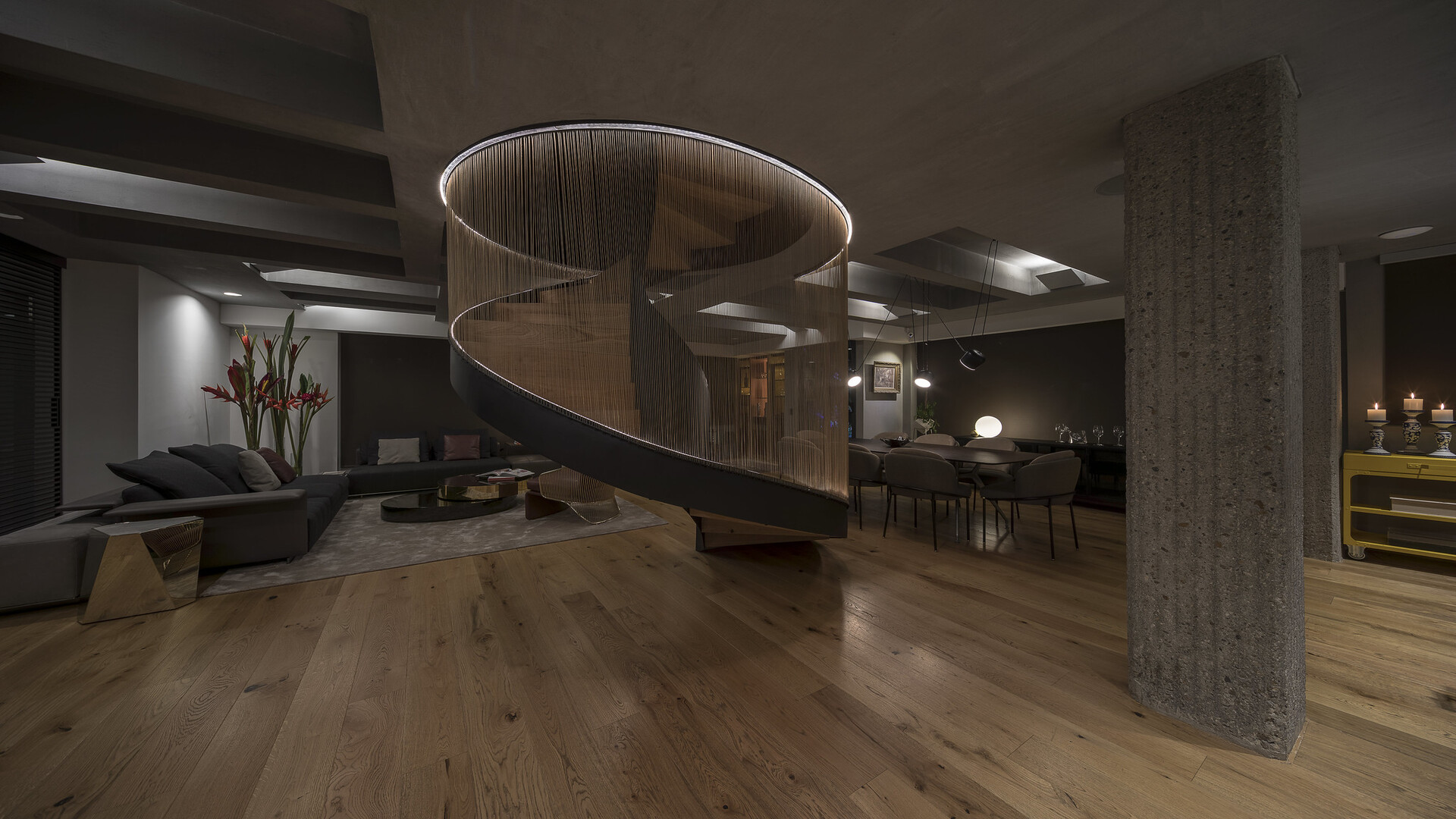
Designer Lights for stairs
When we investigate into the world of designer ceiling lighting, it’s not just about choosing the right fixtures that complement our spaces but also ensuring they are installed correctly and maintained well for longevity. Here, we’ll guide you through some pivotal steps.
Proper Installation Techniques
First things first, always follow the manufacturer’s instructions closely. Every designer ceiling light comes with a specific set of guidelines, tailored to ensure both the safety and optimal performance of the fixture. Secondly, it’s critical to consider the weight of the lighting fixture. Some designer lights are quite heavy and may require additional support to be safely anchored to the ceiling. Engaging with a professional electrician is often the best way to ensure that the installation meets all safety and building codes, avoiding any potential hazards.
Cleaning and Dusting Tips
Maintaining the pristine look of designer ceiling lights involves regular cleaning – a task that’s both simple and essential. To avoid scratching or damaging the surface, it’s best to use a soft, dry microfiber cloth. For tougher stains or built-up grime, a mild dish soap mixed with water will do the trick, but always make sure to gently pat the fixture dry afterward. It’s also wise to turn off the electricity to the fixture before cleaning, ensuring our safety as we preserve the aesthetic appeal of our lighting.
Bulb Replacement and Maintenance
Bulb maintenance is a key aspect of ensuring our designer ceiling lights continue to function beautifully and efficiently. It’s imperative to know the type of bulb your fixture uses and its maximum wattage. This information prevents us from using bulbs that could potentially overheat the fixture or underperform. LED bulbs are favored for their longevity and energy efficiency, making them a go-to choice for many modern fixtures. Remember, regular checks and timely bulb replacements not only extend the life of our lights but also enhance the ambiance of our rooms.
By adhering to these guidelines, we not only ensure that our designer ceiling lighting fixtures are properly installed and remain in top condition but also contribute positively to the aesthetic and functional ambiance of our spaces.
Get In Touch
We’ve explored the transformative power of designer ceiling lighting and its ability to elevate any space. By carefully selecting the right pieces that align with the room’s size, style, and lighting needs, we can create an ambiance that’s both functional and aesthetically pleasing. Whether it’s through the artistic flair of a chandelier, the modern simplicity of pendant lights, or the practical elegance of flush mounts and track lighting, the options are limitless. And with the right installation and maintenance, these lighting fixtures will not only serve as a focal point but also enhance the overall look and feel of our interiors for years to come. Let’s light up our spaces with designer ceiling lighting that reflects our unique style and meets our functional needs.
Frequently Asked Questions
Can designer ceiling lighting really serve as a piece of art?
Yes, designer ceiling lighting is not only functional but also serves as a piece of art. With high-quality materials and intricate designs, these lighting fixtures can significantly enhance the aesthetic appeal of a space.
How does designer ceiling lighting create a focal point in a room?
Designer ceiling lights can create a focal point by drawing attention upwards, which makes the space feel larger and more open. Their unique designs and light patterns can also complement and elevate the interior decor.
Is designer ceiling lighting versatile enough to match any interior design style?
Absolutely. Designer ceiling lighting comes in a wide range of styles, designs, and materials, making it easy to find options that match any interior design theme.
What factors should I consider when choosing designer ceiling lighting?
Considerations include the size and height of the room, the style and theme of your space, and your specific lighting requirements and functionality needs. These factors ensure you select the right fixture for your space.
What types of designer ceiling lighting are available?
The main types include chandeliers, pendant lights, flush mount lights, and track lights. Each type offers unique aesthetic and functional benefits suitable for different spaces and preferences.
Are there any tips for installing and maintaining designer ceiling lighting?
For installation, follow the manufacturer’s instructions closely or hire a professional. Maintenance generally involves regular cleaning, dusting, and timely bulb replacements to keep your lighting fixture in prime condition.
Our Portfolio

Casa PC: Design, Entertainment, and Technology

Master Auditoriums at UniNorte: How Schallertech Created a 21st Century Learning Space

CM: When Technology Meets Creativity
GP Apartment: Exceptional Design and Technology


Universidad del Atlantico Theater: A Legacy of Technological and Cultural Innovation

Metropolitan Stadium: Clear and Powerful Sound with Renkus-Heinz Speakers
Table of contents