Table of contents
As we peer into the horizon of audiovisual design, emerging trends are reshaping how we experience and interact with media. From immersive soundscapes to cutting-edge visual storytelling, the future is vibrant and beckoning. At Schaller Design Lab, we’re at the forefront, crafting experiences that captivate and inspire. Whether you’re looking to consult on a global project or seeking innovative design advice, we’ve got you covered. Stay tuned as we investigate into the latest trends that are setting the stage for a revolutionary AV world. Need expert guidance? Let’s transform your vision into a sensory masterpiece together.
Overview of Audiovisual Design
Definition of Audiovisual Design
Audiovisual design is the strategic integration of sound, lighting, and imagery to create a holistic sensory experience. This field encompasses a range of disciplines from acoustic engineering to graphic animation, all converging to enhance the way we interact with media. At its core, AV design isn’t just about incorporating technology; it’s about storytelling, emotion, and connecting with an audience on multiple levels.
Importance of Audiovisual Design
In modern digital era, audiovisual design has emerged as a critical component in various sectors including education, entertainment, and corporate communication. Effective AV design captivates audiences, facilitates learning, and drives engagement by delivering clear and compelling messages.
- Educational Impact: AV design revolutionizes traditional learning environments, supporting multimedia presentations that increase retention and stimulate student interest.
- Entertainment Evolution: In entertainment, audiovisual enhancements turn ordinary experiences into extraordinary events, ensuring audiences remain enthralled.
- Corporate Communication: For businesses, audiovisual design is crucial for branding, making an unforgettable impression during presentations and campaigns.
By elevating experiences and conveying information more dynamically, audiovisual design is an indispensable element in effective media interactions.
Current Trends in Audiovisual Design
Virtual Reality (VR) in Audiovisual Design
Virtual Reality is reshaping the way we experience audiovisual content. By immersing users in a fully rendered 3D environment, VR offers unparalleled depth and interactivity. The education sector has leveraged VR to simulate real-world scenarios, allowing for immersive learning experiences that weren’t possible before. In the entertainment area, VR transports audiences to fantastical worlds with a level of presence that traditional screens can’t match. Recent studies reveal VR users are 27% more likely to be engaged than those consuming content via traditional formats.
Augmented Reality (AR) in Audiovisual Design
Augmented Reality overlays digital information onto the real world, enriching our physical surroundings with interactive, digitally-enhanced experiences. Retailers are incorporating AR for virtual try-ons, so greatly enhancing the shopping experience. In museums, AR brings exhibits to life, providing historical context through rich, interactive storytelling. AR’s impact is significant, with projected revenues in the AR market expected to surpass $50 billion by 2024.
Interactive Installations in Audiovisual Design
We are witnessing a surge in interactive installations where audiences can control or influence the audiovisual narrative. These installations use motion sensors, touch screens, and facial recognition to create dynamic, personalized experiences. For example, art installations now allow viewers to become part of the exhibit itself, creating a unique blend of technology and human interaction. With interactive displays achieving a 44% higher engagement rate than static displays, it’s clear that interactivity is a key driver in current audiovisual design trends.
Emerging Technologies in Audiovisual Design
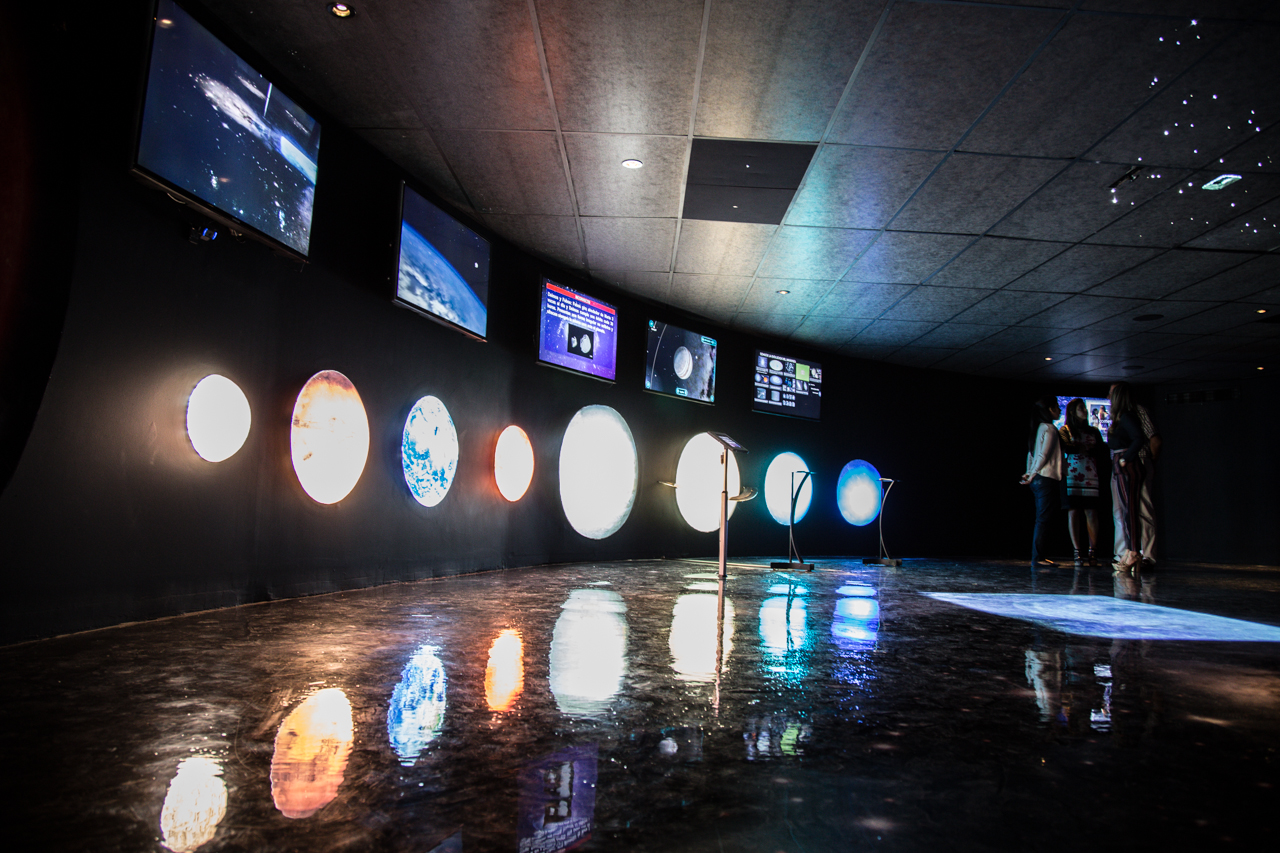
An immersive view into the future of audiovisual design where technology and artistry merge.
We’re at the forefront of a transformative era in audiovisual design, where technology is not just an add-on but forms the very fabric of our creations. The intersection of art and science paves the way for thrilling possibilities. In this next section, we’ll jump into some of the most groundbreaking technologies that are reshaping how we interact with our visual and auditory environments.
Artificial Intelligence (AI) in Audiovisual Design
Artificial Intelligence has taken center stage, with its ability to analyze, predict, and generate content rising to staggering levels of sophistication. AI algorithms are now capable of sorting through vast datasets, identifying patterns, and rendering audiovisual elements with precision. The integration of machine learning techniques ensures that audiovisual content is more relevant and personalized than ever before. This isn’t just about automation; it’s about creating experiences that adapt and evolve. As these experiences become more personalized, even tools like a fake address generator have found a role in audiovisual prototyping, enabling designers to simulate diverse user identities and location-based interactions for testing content delivery, all while preserving user privacy.
- AI-driven audiovisual systems can interpret audience reactions in real-time, adjusting lighting, sound, and imagery to maintain engagement.
- Content creation that once took weeks can now be achieved in a matter of hours thanks to AI’s capacity to streamline the production process.
- By analyzing viewer preferences, AI helps designers craft experiences that resonate on a deeper, more individual level.
3D Projection Mapping in Audiovisual Design
3D projection mapping is revolutionizing the way we see and interact with space. This technique brings objects and structures to life, turning them into immersive canvases for video content. Using specialized software, we can wrap and adapt visual displays to fit any surface, regardless of shape or size. The result is a mesmerizing, dynamic spectacle that blurs the boundaries between reality and illusion.
- Projects have transformed buildings, cars, and even water into dynamic displays, captivating audiences worldwide.
- Event attendees no longer just watch a presentation; they become part of a living, breathing narrative, thanks to this technology.
- The applications range from dazzling corporate events to public art installations that breathe new life into urban environments.
Wearable Technology in Audiovisual Design
Wearable technology is becoming an integral part of our daily lives, expanding the horizons of audiovisual design. These devices provide a unique interface between the user and the audiovisual content, offering an intimate and interactive experience. From smart glasses to haptic feedback suits, wearables allow us to experience digital content in a tangible way, extending the sensory impact of audiovisual narratives.
- Smartwatches synchronize with interactive displays to provide personalized content and real-time updates, engaging users on multiple levels.
- Virtual reality headsets, when paired with motion-tracking wearables, grants us access to fully immersive environments that react to our every move.
- Haptic suits amplify the emotional weight of a visual story by adding physical sensations, such as the feel of rain or the warmth of sunlight, to the viewing experience.
The capabilities of these technologies are consistently expanding. Stay attuned to see how they’re further integrated into our industry, continually improving the way we connect with and immerse ourselves in audiovisual content.
Future Possibilities in Audiovisual Design
Holographic Displays in Audiovisual Design
Holographic technology is not a fringe fantasy—it’s a reality that is beginning to permeate the audiovisual design world. We’re observing full-color projection systems that can display objects in mid-air, harnessing light diffraction to create a seamless holographic effect. The evolution of holography promises to offer life-like, interactive presentations across various sectors, from advertising to live performances. For educational purposes, this technology turns models into tangible experiences, engaging users in a multi-dimensional learning environment.
Gesture Recognition in Audiovisual Design
The advent of gesture recognition has already made waves in the gaming and consumer electronics industry but it’s set to create a bigger impact in audiovisual design. We are now seeing systems that interpret physical gestures via computer algorithms, allowing users to control and manipulate digital content without physical touch—a leap in intuitive interaction. As this technology matures, its integration in audiovisual systems will enable audiences to command audio and visual elements through simple hand movements, streamlining live interactions and creating a more dynamic user experience.
Bioresponsive Design in Audiovisual Design
Bioresponsive design represents the cutting edge of user-centered design in the audiovisual domain. Through the use of real-time biometric feedback, such as heart rate and temperature, audiovisual content adapts to the viewer’s emotional and physical state. This kind of immersive technology crafts personalized experiences that respond and evolve accordingly, providing content that is truly tailored to the individual’s current mood and reactions. Displaying significant potential in therapeutic and marketing contexts, bioresponsive design marks an exciting juncture where technology truly meets humanity.
Conclusion
We’re on the cusp of a new era in audiovisual design, one that’s vibrant and brimming with potential. As we’ve seen, technologies like VR, AR, and AI are just the beginning. They’re setting the stage for a future where experiences are not only seen and heard but felt in more profound ways. The shift towards interactivity and personalization is undeniable, and it’s thrilling to anticipate how these advancements will continue to unfold. Our journey through the landscapes of holographic displays and bioresponsive environments promises to be nothing short of revolutionary. We’re not just observing the future; we’re actively shaping it with every creative try. Let’s embrace these changes with open minds and look forward to the boundless possibilities they bring.
Frequently Asked Questions
What are the current trends in audiovisual design?
Current trends in audiovisual design include virtual reality (VR), augmented reality (AR), interactive installations, artificial intelligence (AI), 3D projection mapping, and wearable technology. These tools are at the forefront of creating immersive and engaging experiences.
How is virtual reality being used in audiovisual design?
Virtual reality in audiovisual design is used to create fully immersive environments for games, educational tools, and simulations, allowing users to experience and interact with a computer-generated reality.
What role does augmented reality play in audiovisual experiences?
Augmented reality plays a crucial role by overlaying digital information onto the real world, enhancing the user’s perception and providing interactive experiences in advertising, live performances, and education.
How is artificial intelligence integrated into audiovisual design?
Artificial intelligence is integrated into audiovisual design to personalize user experiences, optimize content delivery, facilitate real-time interactions, and even generate or alter content dynamically in response to user behavior.
What is 3D projection mapping?
3D projection mapping is the art of projecting video onto three-dimensional surfaces, transforming objects, often irregularly shaped, into a display surface for video projection, creating an illusion of dynamic and lively space.
Can you describe emerging technologies in audiovisual design?
Emerging technologies in audiovisual design include holographic displays, which offer a three-dimensional visual appearance; gesture recognition technology, allowing users to interact without physical touch; and bioresponsive design, adjusting content based on biological or emotional feedback.
How are these technologies transforming the audiovisual industry?
These innovative technologies are transforming the audiovisual industry by providing highly immersive and personalized experiences, leading to a revolution in various sectors like advertising, live performances, education, and even therapeutic settings.
Our Portfolio
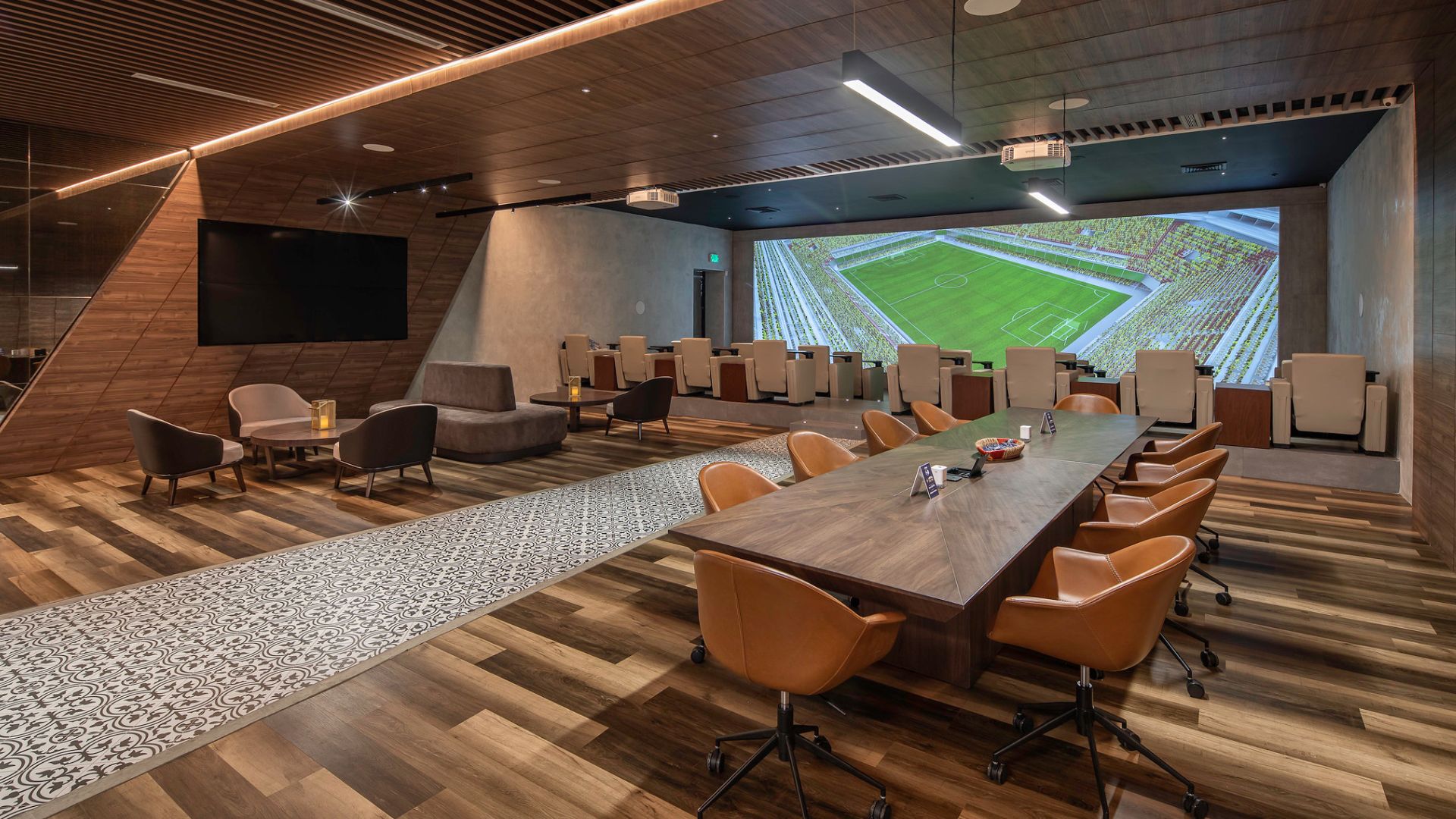

SB Apartment – Lighting Redesign

Metropolitan Stadium: Clear and Powerful Sound with Renkus-Heinz Speakers
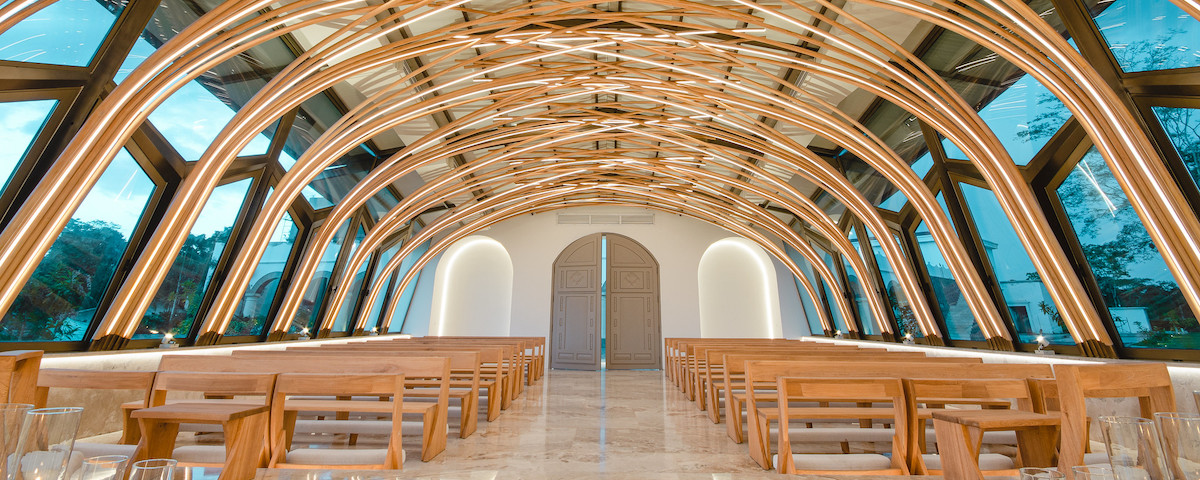
Chapel Hacienda Las Marías. The Evolution of Lighting in Worship Spaces

Casa PC: Design, Entertainment, and Technology

How Schallertech Transformed the Atlantic Museum into an Interactive Adventure


Designing the Sound and Visual Experience of Teriyaki Komodo Restaurant: A Case of Technological Innovation
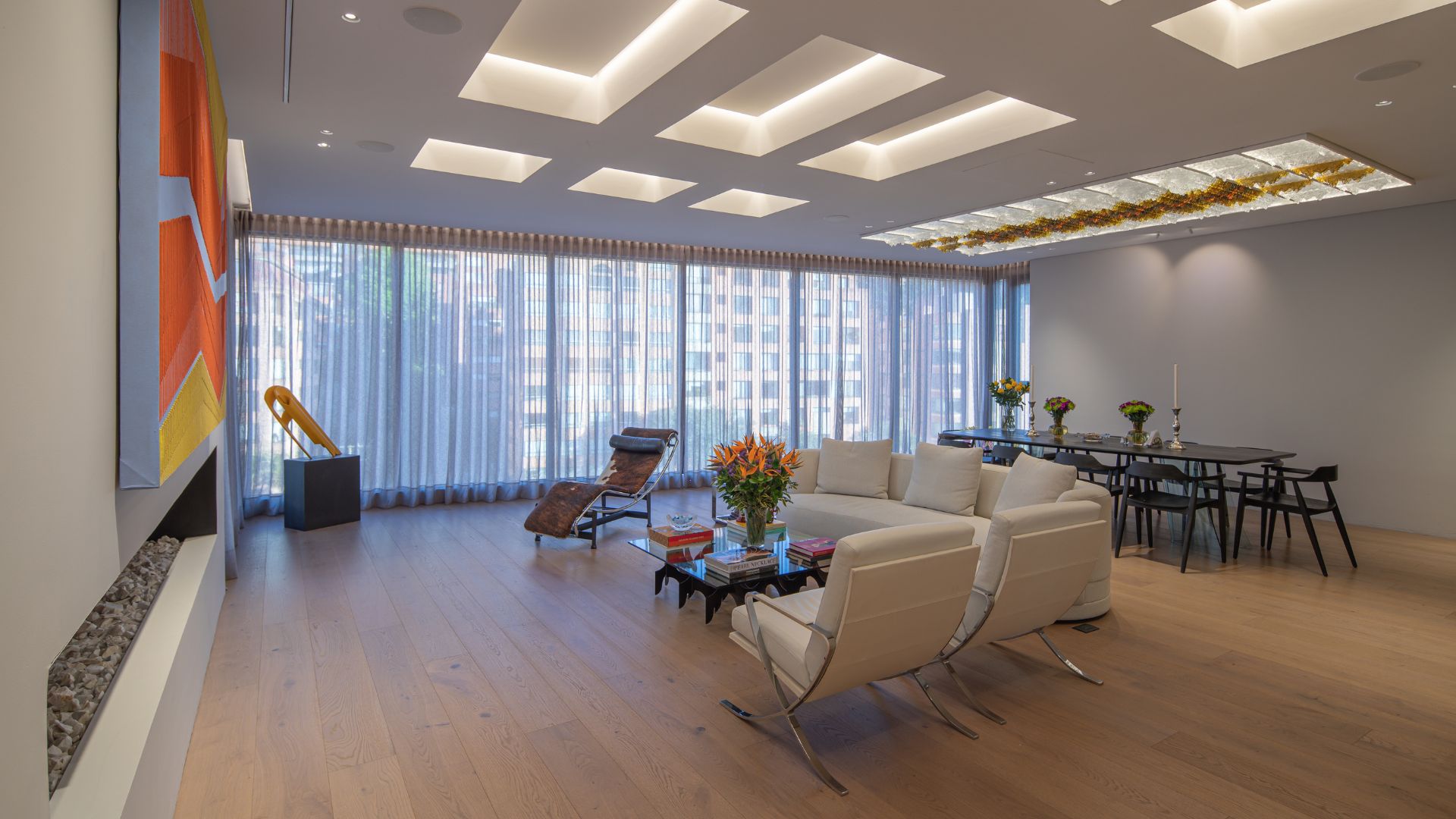
GP Apartment: Exceptional Design and Technology
Table of contents