Table of contents
In the rapidly evolving world of education technology, AI voice-controlled interactive AV systems are revolutionizing how we learn and teach. At Schaller Design Lab, we’re at the forefront of integrating these advanced solutions into educational environments.
Our expertise spans globally, catering to projects of any scale. Whether you’re seeking consultation, project design, or advice on implementing solutions and purchasing equipment, we’re here to assist. Join us as we explore the transformative potential of AI voice-controlled AV systems in education.
Key Takeaways
- AI voice-controlled interactive AV systems enhance education by providing hands-free, intuitive control over educational content, making learning environments more accessible, engaging, and efficient.
- These systems offer significant benefits including enhanced accessibility for students with disabilities, improved engagement through interactive learning experiences, and increased efficiency in teaching by streamlining content delivery.
- Implementing AI voice-controlled AV technology can transform traditional teaching methods by facilitating real-time lecture summaries, personalized learning through tailored research recommendations, and fostering interactive and participatory learning experiences.
- Successful integration of AI in educational settings involves overcoming technical, privacy, and adaptation challenges through careful planning, prioritization of data security, comprehensive training for faculty, and the selection of adaptable, multi-language capable systems.
- Regular feedback from users is crucial for the iterative improvement of these systems, ensuring they meet the diverse needs of educational institutions and contribute to a more inclusive and dynamic learning environment.
What are AI voice controlled interactive AV systems?

Micrófono inalámbrico tipo diadema
Definition and Functionality
AI voice-controlled interactive Audio-Visual (AV) systems are cutting-edge technologies that allow users to interact with digital content through voice commands. These systems use advanced voice recognition algorithms to understand spoken instructions, making it possible for users to control various AV content, such as videos, presentations, and audio files, without the need for physical controllers or keyboards. At their core, these systems comprise a sophisticated mix of AI, machine learning, and natural language processing technologies, enabling them to process and respond to a wide range of vocal inputs with accuracy.
These interactive systems can seamlessly integrate into educational settings, providing a hands-free, intuitive way for both educators and students to engage with educational materials. For example, a teacher could ask the system to play a specific educational video or adjust the volume without interrupting the flow of the lesson. Similarly, students could request additional information on a topic or navigate through lecture slides using only their voice. This hands-free approach not only streamlines the teaching and learning process but also makes technology more accessible to users with different abilities.
Benefits of Using AI Voice-Controlled Interactive AV Systems in Education
The adoption of AI voice-controlled AV systems in educational environments offers numerous benefits that enhance both teaching and learning experiences. One of the key advantages is the Enhanced Accessibility these systems provide. Students with mobility issues or visual impairments who might find traditional interfaces challenging can benefit greatly from voice-controlled systems. These users can easily access and navigate educational content, making learning more inclusive.
Another significant benefit is the Improved Engagement. Engaging students in the learning process is a constant challenge in education. AI voice-controlled AV systems add an interactive element to lessons, making learning more dynamic and captivating. Students can ask questions or control the pace of the lesson through voice commands, fostering a more interactive and engaging learning environment.
Finally, these systems promote Efficiency in Educational Settings. By streamifying content delivery and navigation, teachers save valuable time that can be better spent on teaching and interacting directly with students. Besides, the ease of access to information and the ability to multitask without physical constraints mean that both teachers and students can achieve more in less time.
By integrating AI voice-controlled interactive AV systems, educational institutions can create more accessible, engaging, and efficient learning environments, eventually enhancing the educational experience for all stakeholders involved.
How can AI voice controlled interactive AV systems improve education?

Tableros inteligentes en Proyecto Colegio Marymount por Schallertech.
Facilitating AV Control of Classroom Equipment
We’ve seen firsthand how AI-driven voice-activated systems seamlessly manage audio-visual equipment in classrooms. By simply vocalizing commands, educators can control projectors, screens, and sound systems without physical interaction. This hands-free control not only saves time but also reduces the technological hurdles often faced by less tech-savvy staff. It’s a game-changer, fostering a smoother, more efficient classroom environment that benefits both teachers and students.
AI Key Takeaways of the Lecture
Gone are the days when students had to frantically jot down notes, afraid of missing critical points. AI voice-controlled systems now summarize key lecture takeaways in real-time, ensuring that students have access to concise, accurate lecture summaries. This feature supports a diverse range of learning styles and needs, particularly benefiting those who require a little extra time to process new information. By providing digestible chunks of content, students can focus more on understanding the material rather than merely recording it.
Further Research Recommendations for Students
AI doesn’t stop at simplifying note-taking; it extends its capabilities to fostering in-depth learning. By analyzing the content covered in lectures, AI systems recommend additional reading materials and resources tailored to the lecture topics. This personalized approach encourages students to explore subjects more deeply, nurturing a culture of curiosity and continuous learning. It enhances the learning experience by providing a roadmap for students to expand their knowledge beyond the confines of the classroom.
Enhancing Engagement and Retention of Information
Our experiences tell us that students learn best when they’re actively engaged. Voice-controlled interactive AV systems are instrumental in creating interactive learning environments that stimulate students’ interest and curiosity. Through dynamic presentations and immediate access to supplementary materials, these systems cater to various learning preferences, thereby enhancing the overall education experience. Studies show that interactive learning strategies significantly improve information retention, a key benefit of integrating such advanced technology into education.
Facilitating Interactive Learning Experiences
Interactive learning experiences are at the heart of modern education, and AI voice-controlled systems are paving the way. These systems enable students to ask questions and receive immediate responses, engage in quizzes, and participate in polls—all through voice commands. This level of interaction encourages active participation, making learning a two-way street. It’s an approach that not only makes education more accessible but also more enjoyable, paving the way for a future where learners are constantly engaged and motivated.
Implementing AI voice controlled interactive AV systems in educational settings
When integrating AI voice-controlled interactive AV systems into educational environments, institutions face a myriad of challenges but can follow several best practices to ensure a successful implementation. Let’s jump into the specifics.
Challenges and Considerations
First and foremost, technical hurdles stand out. Implementing AI voice-controlled systems requires a robust IT infrastructure capable of supporting high-speed data processing and reliable connectivity. Schools often grapple with outdated hardware that struggles to meet these demands.
Data privacy and security are paramount. Educational institutions must safeguard sensitive student information against potential breaches. Establishing secure data storage solutions and ensuring compliance with regulations such as the Family Educational Rights and Privacy Act (FERPA) in the U.S is crucial.
Faculty adaptation presents another significant challenge. Teachers and staff need adequate training to comfortably use these systems. Without proper support and ongoing education, even the most advanced technology can go underused.
Cultural and language diversity in classrooms can complicate voice recognition accuracy. These systems must be sophisticated enough to understand a variety of accents and dialects to be truly effective.
Best Practices for Successful Implementation
To overcome these challenges, certain best practices are advisable:
- Engage in thorough planning and assessment. Before installation, assess the existing IT infrastructure, identify necessary upgrades, and set clear objectives for what the AI voice-controlled system needs to achieve.
- Prioritize data security from the start. Work with IT professionals to carry out robust encryption and secure network connections. Continuous monitoring for potential security threats is essential.
- Invest in professional development for faculty and staff. Provide comprehensive training sessions and materials to ensure everyone is comfortable and proficient with the new system.
- Choose adaptable systems. Opt for AI voice-controlled AV systems that offer multi-language support and can learn from interactions to improve understanding over time. This fosters inclusivity and ensures effectiveness across diverse student populations.
- Finally, solicit feedback regularly. Users can offer invaluable insights into how the system is performing in real-world educational settings. Use this feedback to make iterative improvements, enhancing both functionality and user satisfaction.
By exploring the challenges with a strategic approach and adhering to these best practices, educational institutions can vastly enhance learning environments. AI voice-controlled interactive AV systems, when effectively implemented, offer the potential to revolutionize education, making learning more engaging, accessible, and efficient.
The future of AI voice controlled interactive AV systems in education
We’ve navigated through the intricacies of integrating AI voice-controlled AV systems into educational environments. It’s clear that while challenges exist, the path forward is illuminated by strategic planning and a commitment to innovation. By prioritizing security and inclusivity and embracing continuous improvement, we’re not just overcoming obstacles; we’re setting new standards for educational excellence. The journey ahead promises to transform the world of learning, making it more dynamic and accessible than ever before. Let’s continue to push the boundaries, ensuring that education remains at the forefront of technological advancement. Together, we’re not just adapting to change; we’re leading it.
Our Portfolio

Art and Light: Contemporary Design in the SB Apartment

Casa PC: Design, Entertainment, and Technology
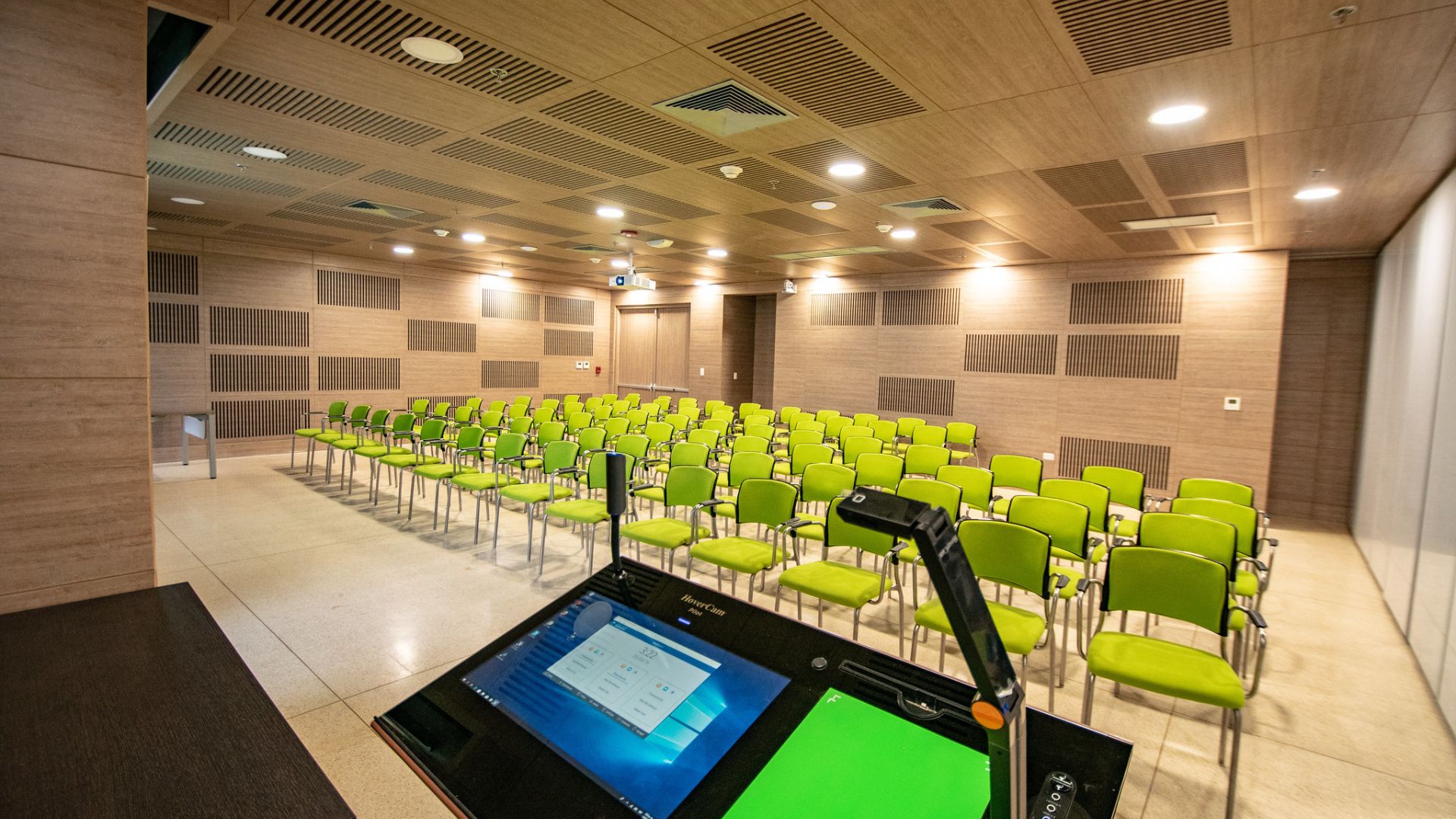

Mutis Auditorium at Rosario University. The Greatest Acoustic Challenge We Have Faced.

R&R: A Journey of Design, Technology, and Passion

GP Apartment: Exceptional Design and Technology

Innovation in Commercial Lighting: The Magic Behind the Verdi Project

Chapel Hacienda Las Marías. The Evolution of Lighting in Worship Spaces


Designing the Sound and Visual Experience of Teriyaki Komodo Restaurant: A Case of Technological Innovation
Table of contents