Table of contents
- Demystifying the Concept of AV Integration
- Understanding the Components of AV Integration
- Why AV Integration is Crucial in the Modern Era
- Diving Deeper: The Technical Aspects of AV Integration
- The Wide-Ranging Applications of AV Integration
- Case Study: Real-Life Examples of Successful AV Integration
- Common Misconceptions and Myths about AV Integration
- Evaluating the Costs: Is AV Integration Worth the Investment?
- Making the Decision: Factors to Consider When Opting for AV Integration
- Ready to Embrace AV Integration? Reach Out to Schallertech Today!
Demystifying the Concept of AV Integration
Audio-visual integration (AV integration) is the process of combining multiple audio and visual sources into a single, cohesive experience. This can be done for a variety of purposes, such as creating a more immersive entertainment experience in a home theater, or providing a more effective presentation for a business meeting.
AV integration typically involves the use of a variety of components, including:
- Audio sources, such as speakers, microphones, and amplifiers
- Video sources, such as projectors, televisions, and cameras
- Control devices, such as remote controls and touch panels
- A network infrastructure, to connect all of the components together
AV integration can be a complex process, but it can also be a very rewarding one. By combining different audio and visual sources into a single, cohesive experience, AV integration can create an immersive and engaging experience for users.
Understanding the Components of AV Integration
AV integration is a process that combines multiple audio and visual technologies into a single, cohesive system. This can include anything from connecting a TV to a sound system to creating a complex network of devices that can be controlled from a single interface.
The Basic Components of AV Integration
The basic components of AV integration include:
- Audio sources
- Video sources
- Amplification
- Speakers
- Control system
Each of these components plays a vital role in creating a successful AV integration system.
Audio Sources
Audio sources can include anything from a CD player to a streaming service. The type of audio sources you choose will depend on your needs and budget.
Video Sources
Video sources can include anything from a Blu-ray player to a streaming device. The type of video sources you choose will depend on the types of content you want to watch.
Amplification
Amplification is necessary to power your speakers and ensure that they produce clear, distortion-free sound. The amount of amplification you need will depend on the size and power of your speakers.
Speakers
Speakers are responsible for converting electrical signals into sound waves. The type of speakers you choose will depend on the size of your room and the type of content you want to listen to.
Control System
The control system is used to control all of the components in your AV integration system. The type of control system you choose will depend on your needs and budget.
Why AV Integration is Crucial in the Modern Era
In today’s digital world, AV integration is more important than ever before. As businesses and organizations increasingly rely on technology to communicate and collaborate, AV integration can help to improve efficiency, productivity, and communication.
Improved Collaboration
AV integration can help to improve collaboration by allowing people to share information and ideas more easily. For example, a conference room with an integrated AV system can make it easy for participants to share presentations, videos, and other materials. This can help to improve communication and productivity during meetings.
Enhanced Efficiency
AV integration can also help to improve efficiency by automating tasks and reducing the need for manual processes. For example, a hotel with an integrated AV system can use a touch-screen control panel to manage the lighting, temperature, and audio/visual equipment in a meeting room. This can save time and effort for the hotel staff, and it can also help to create a more positive experience for guests.
Improved Communication
AV integration can also help to improve communication by providing a more engaging and immersive experience. For example, a museum with an integrated AV system can use interactive displays to provide visitors with more information about the exhibits. This can help to create a more memorable and educational experience for visitors.
In conclusion, AV integration is a valuable tool that can help businesses and organizations to improve efficiency, productivity, and communication. As technology continues to evolve, AV integration will become even more important in the years to come.
Diving Deeper: The Technical Aspects of AV Integration
AV integration is a complex process that involves a wide range of technical components. In this section, we will take a closer look at some of the key technical aspects of AV integration.
Audio
The audio components of an AV integration system typically include speakers, amplifiers, and a mixer. Speakers are used to output sound, amplifiers are used to power the speakers, and a mixer is used to control the volume and balance of the audio signals.
Video
The video components of an AV integration system typically include a source device (such as a Blu-ray player or streaming media device), a display device (such as a TV or projector), and a video switch. The source device is used to input the video signal, the display device is used to output the video signal, and the video switch is used to control which source device is being used.
Control
The control components of an AV integration system typically include a remote control, a keypad, and a touch screen. The remote control is used to control the entire AV system, the keypad is used to control specific functions of the AV system, and the touch screen is used to control the AV system via a graphical user interface.
In addition to these core components, AV integration systems may also include a variety of other components, such as microphones, cameras, lighting, and networking equipment.
The specific components that are included in an AV integration system will vary depending on the specific needs of the user. However, the core components outlined above are typically included in most AV integration systems.
The Wide-Ranging Applications of AV Integration
AV integration can be used in a wide variety of settings, from homes to businesses to educational institutions. Here are just a few of the many applications for AV integration:
Home Theaters
AV integration is a great way to create a truly immersive home theater experience. With AV integration, you can control all of your audio and video sources from a single remote, and you can also create custom presets for different viewing experiences. For example, you could have one preset for watching movies, one for listening to music, and one for playing video games.
Corporate Conference Rooms
AV integration is essential for corporate conference rooms. With AV integration, you can easily share presentations, videos, and other content with your colleagues. You can also use AV integration to hold videoconferences with remote employees or clients.
Educational Institutions
AV integration can be used to enhance learning in educational institutions. With AV integration, teachers can easily share presentations, videos, and other materials with their students. AV integration can also be used to create interactive learning experiences.
Retail Stores
AV integration can be used to create a more engaging and interactive shopping experience for customers. With AV integration, retailers can display products in a more visually appealing way, and they can also use AV integration to create interactive displays that allow customers to learn more about products.
Other Applications
AV integration can also be used in a variety of other settings, such as healthcare facilities, government buildings, and houses of worship. With AV integration, you can create a more efficient and productive work environment, and you can also create a more comfortable and enjoyable living environment.
Case Study: Real-Life Examples of Successful AV Integration
Here are a few examples of how AV integration has been used to improve businesses and organizations:
1. A hospital uses AV integration to improve patient care
A hospital in California used AV integration to create a more efficient and patient-centered environment. The hospital installed a new system that allowed doctors and nurses to access patient information from anywhere in the hospital, and they also installed a new video conferencing system that allowed doctors to consult with specialists from other locations. The new system has helped the hospital to improve patient care and reduce costs.
2. A law firm uses AV integration to improve collaboration
A law firm in New York City used AV integration to create a more collaborative work environment. The firm installed a new system that allowed attorneys to share documents and presentations with each other, and they also installed a new video conferencing system that allowed attorneys to meet with clients and colleagues from anywhere in the world. The new system has helped the law firm to improve collaboration and productivity.
3. A retail store uses AV integration to create a more engaging shopping experience
A retail store in London used AV integration to create a more engaging shopping experience for its customers. The store installed a new system that allowed customers to watch product demonstrations, and they also installed a new interactive kiosk that allowed customers to place orders and get information about products. The new system has helped the store to increase sales and improve customer satisfaction.
These are just a few examples of how AV integration can be used to improve businesses and organizations. AV integration can be used to improve communication, collaboration, and productivity, and it can also be used to create a more engaging and immersive experience for customers.
Common Misconceptions and Myths about AV Integration
As with any new technology, there are a number of misconceptions and myths about AV integration that can prevent businesses from reaping the full benefits of this powerful technology. Here are some of the most common:
AV integration is only for large businesses
This is simply not true. AV integration can be beneficial for businesses of all sizes, from small startups to large corporations. In fact, AV integration can actually help small businesses save money by consolidating their AV systems and reducing the need for multiple vendors.
AV integration is too expensive
Again, this is a myth. AV integration can actually be a cost-effective way to improve the efficiency and productivity of your business. By consolidating your AV systems, you can reduce the number of vendors you need to work with, which can save you money in the long run.
AV integration is too complicated
This is another myth that prevents businesses from taking advantage of AV integration. In reality, AV integration is not as complicated as it may seem. With the help of a qualified AV integrator, you can easily integrate AV systems into your business without any hassle.
AV integration is not necessary
This is the most damaging myth of all. In today’s digital world, AV integration is essential for businesses of all sizes. By integrating AV systems into your business, you can improve communication, collaboration, and productivity. You can also create a more engaging and immersive experience for your customers.
If you’re still not convinced of the benefits of AV integration, here are a few real-world examples of businesses that have successfully used AV integration to improve their bottom line:
- A small law firm that was able to reduce its IT costs by 30% by consolidating its AV systems.
- A large hospital that was able to improve patient care by creating a more efficient and streamlined communication system.
- A retail store that was able to increase sales by 15% by creating a more engaging and immersive shopping experience.
These are just a few examples of the many ways that AV integration can benefit businesses. If you’re not sure whether AV integration is right for your business, talk to a qualified AV integrator today. They can help you assess your needs and create a customized AV integration solution that will help you achieve your business goals.
Evaluating the Costs: Is AV Integration Worth the Investment?
When it comes to AV integration, the costs can vary significantly depending on the specific needs of your project. However, there are a few factors that you can generally expect to impact the overall price tag.
The Size and Complexity of Your Project
The size and complexity of your project will be one of the biggest factors that determines the cost of AV integration. A small, simple project with a few basic components will obviously be less expensive than a large, complex project with a wide range of features.
The Type of Equipment You Choose
The type of equipment you choose will also impact the cost of AV integration. Higher-end equipment will typically cost more than lower-end equipment, so you’ll need to decide what features are important to you and what you’re willing to pay for.
The Labor Costs
The labor costs associated with AV integration can vary depending on the specific skills and experience of the technicians who are doing the work. You’ll need to factor in the cost of both installation and maintenance when you’re budgeting for your project.
Of course, the overall cost of AV integration is just one factor to consider when making a decision about whether or not to invest in this technology. You’ll also need to think about the benefits that AV integration can offer your business or organization.
In many cases, the benefits of AV integration far outweigh the costs. By investing in AV integration, you can improve the efficiency of your operations, enhance the customer experience, and create a more productive and enjoyable work environment.
If you’re still not sure whether or not AV integration is right for you, it’s a good idea to talk to a qualified AV integrator. They can help you assess your needs and determine if AV integration is the best way to achieve your goals.
Making the Decision: Factors to Consider When Opting for AV Integration
When it comes to making the decision of whether or not to invest in AV integration, there are a number of factors that you need to take into consideration. These factors include:
Your Budget
The first and most important factor to consider is your budget. AV integration can be a significant investment, so it’s important to make sure that you have the financial resources to cover the costs.
Your Needs
The next factor to consider is your needs. What do you hope to achieve with AV integration? Do you want to create a more immersive entertainment experience in your home? Do you want to improve collaboration and productivity in your workplace? Once you know what your needs are, you can start to narrow down your options and find an AV integration solution that meets your specific requirements.
Your Existing Equipment
If you already have some AV equipment in place, you’ll need to factor this into your decision. Will your new AV integration system be compatible with your existing equipment? If not, you may need to factor in the cost of replacing or upgrading your existing equipment.
The Expertise of the AV Integration Company
The final factor to consider is the expertise of the AV integration company that you’re considering hiring. Make sure that the company has a proven track record of success and that they have the experience and knowledge to meet your specific needs.
By taking these factors into consideration, you can make an informed decision about whether or not AV integration is right for you. If you do decide to invest in AV integration, you’ll be glad you did. AV integration can transform your home or workplace into a more enjoyable and productive space.
Ready to Embrace AV Integration? Reach Out to Schallertech Today!
Schallertech is a leading provider of AV integration services. We have a team of experienced professionals who can help you design, install, and maintain an AV system that meets your specific needs. We offer a wide range of services, including:
- Audio system design and installation
- Video system design and installation
- Control system design and installation
- Network system design and installation
- Project management
We can help you create an AV system that is both functional and stylish. Our systems are designed to integrate seamlessly with your existing infrastructure, and we can help you choose the right equipment to meet your budget and requirements.
If you are interested in learning more about AV integration, or if you would like to schedule a consultation, please contact us today. We would be happy to discuss your needs and help you create a solution that meets your specific requirements.
Our Portfolio

Universidad del Atlantico Theater: A Legacy of Technological and Cultural Innovation

Residential Design Casa JC: Sophistication and Technology
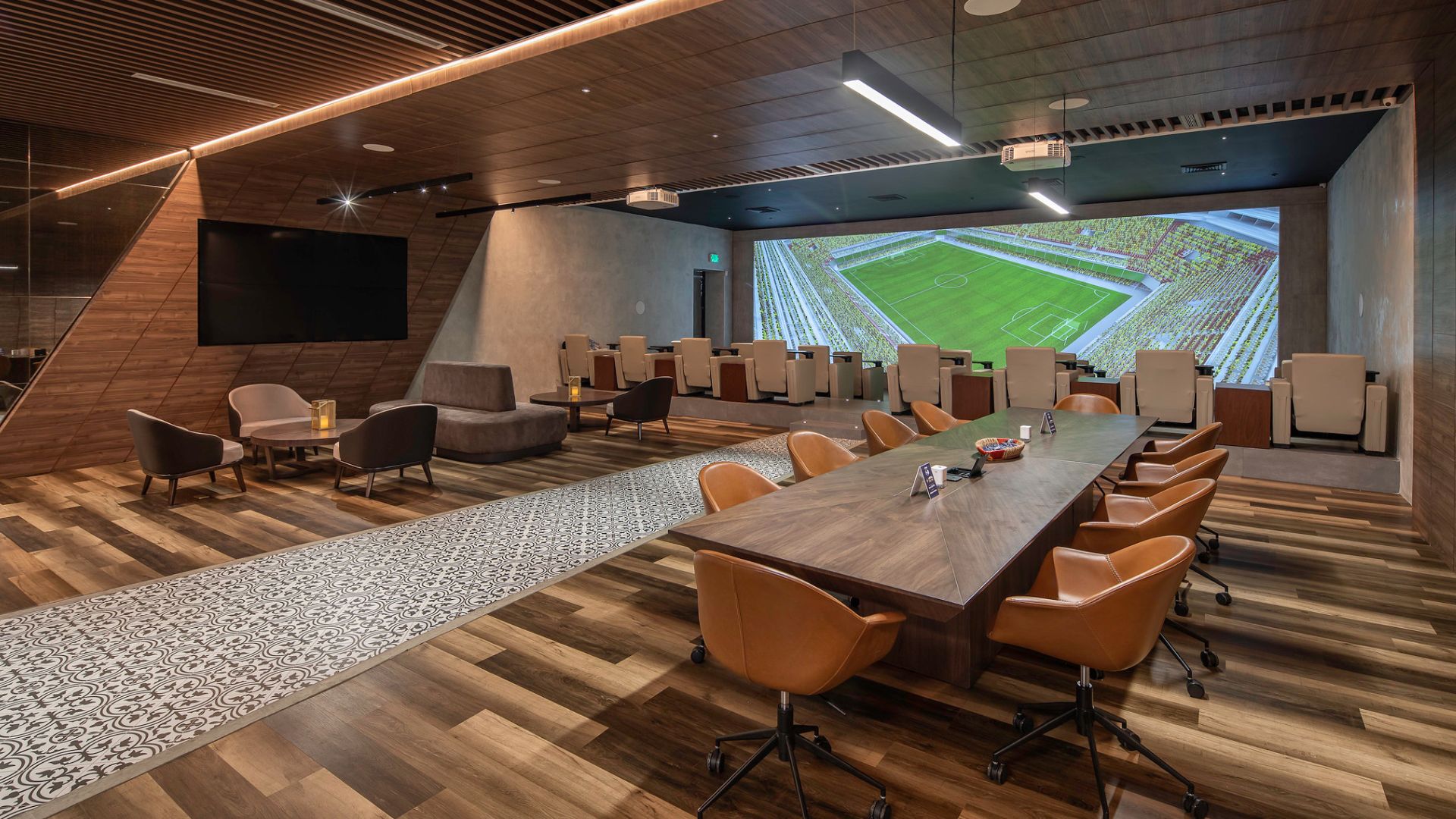
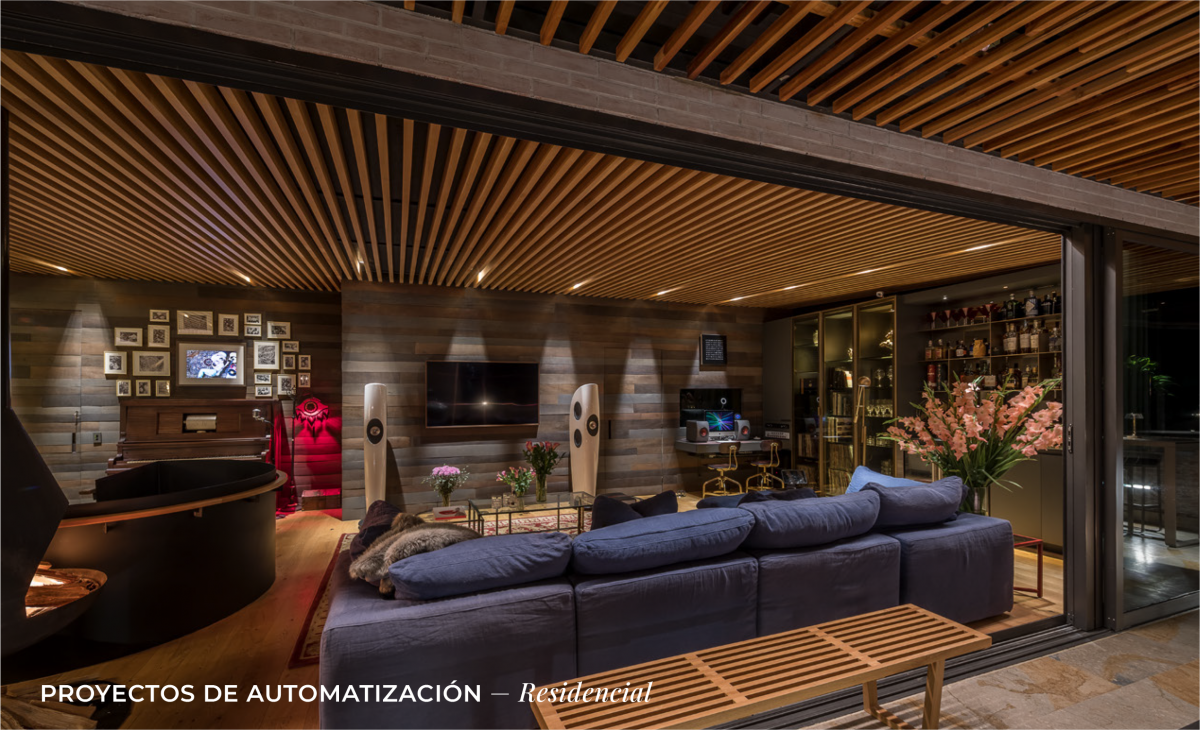
The House in the Air: Technological Transformation

Master Auditoriums at UniNorte: How Schallertech Created a 21st Century Learning Space

Igniting Faith: The Technological Transformation of Valledupar Cathedral
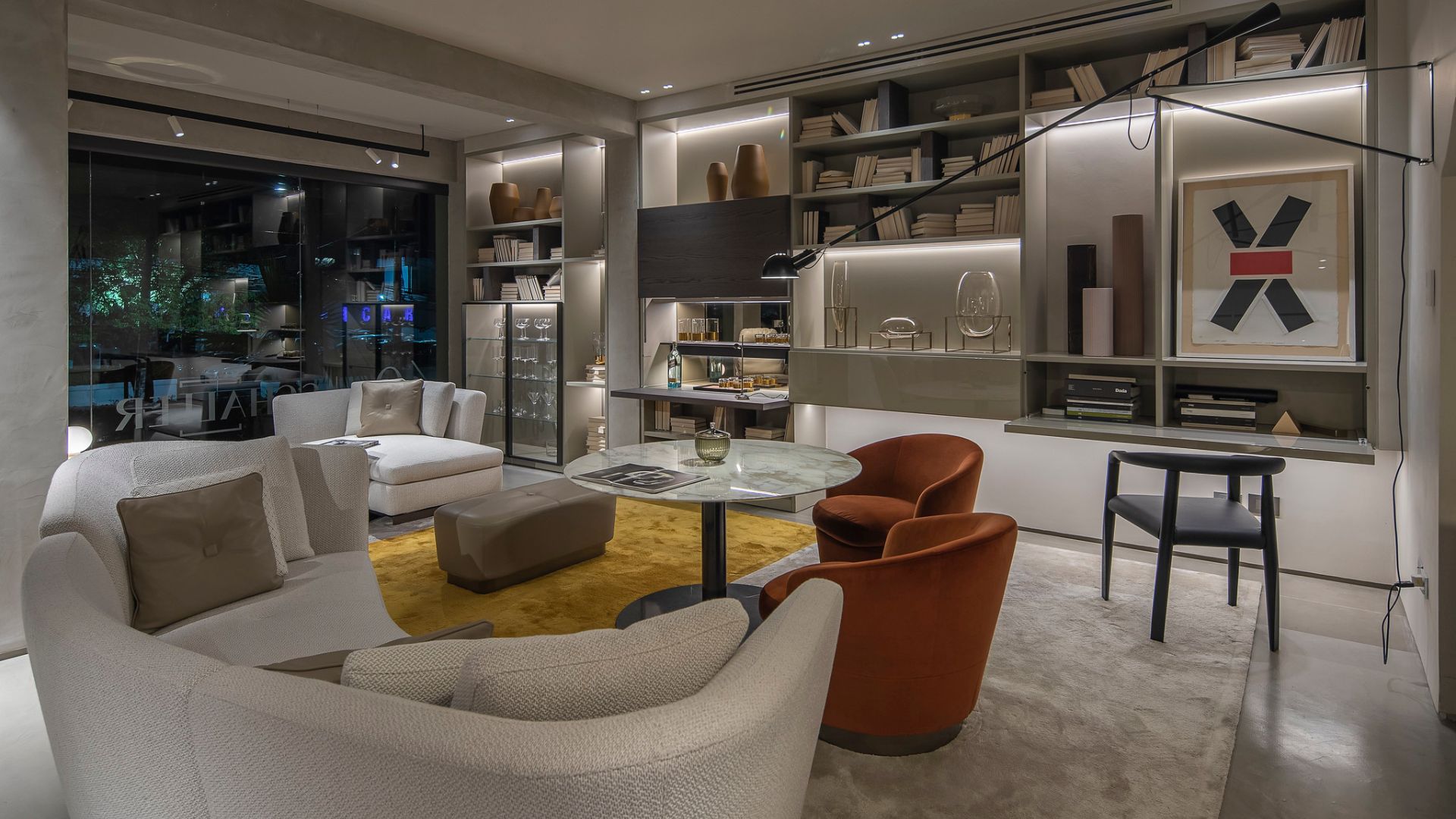
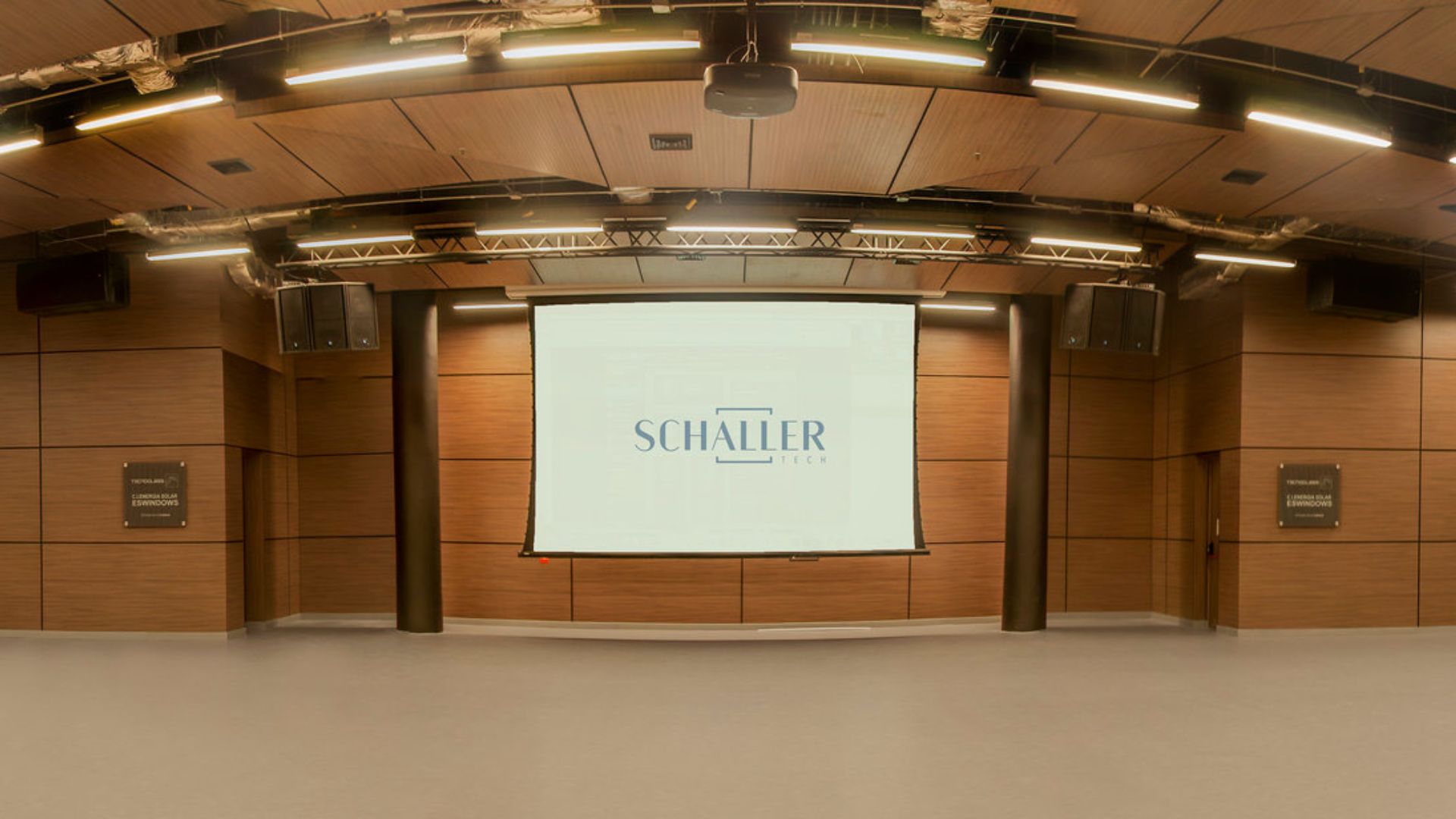

How Schallertech Transformed the Atlantic Museum into an Interactive Adventure

Table of contents
- Demystifying the Concept of AV Integration
- Understanding the Components of AV Integration
- Why AV Integration is Crucial in the Modern Era
- Diving Deeper: The Technical Aspects of AV Integration
- The Wide-Ranging Applications of AV Integration
- Case Study: Real-Life Examples of Successful AV Integration
- Common Misconceptions and Myths about AV Integration
- Evaluating the Costs: Is AV Integration Worth the Investment?
- Making the Decision: Factors to Consider When Opting for AV Integration
- Ready to Embrace AV Integration? Reach Out to Schallertech Today!