Table of contents
Key Takeaways
- Lighting is a transformative design element that sets the tone, creates ambiance, and enhances the aesthetic of a space through ambient, task, and accent lighting layers.
- Choosing the right lighting fixtures involves considering the room’s primary function, style, and natural lighting to select fixtures that complement the space’s functionality and aesthetic appeal.
- Layering lighting with a combination of ambient, task, and accent lighting enriches both the functionality and beauty of a room, allowing for dynamic and inviting spaces.
- Different types of lighting fixtures, including chandeliers, pendant lights, wall sconces, table lamps, and floor lamps, serve unique purposes and contribute to the overall lighting scheme of a space.
- Effective lighting design varies by room, with specific strategies for living rooms, kitchens, bedrooms, and bathrooms to ensure each space is adequately illuminated and aesthetically pleasing.
- Incorporating lighting into various interior design styles, such as modern, traditional, industrial, and coastal, requires selecting fixtures that align with the style’s characteristics to reinforce the desired atmosphere and look.
Decorating with Lighting

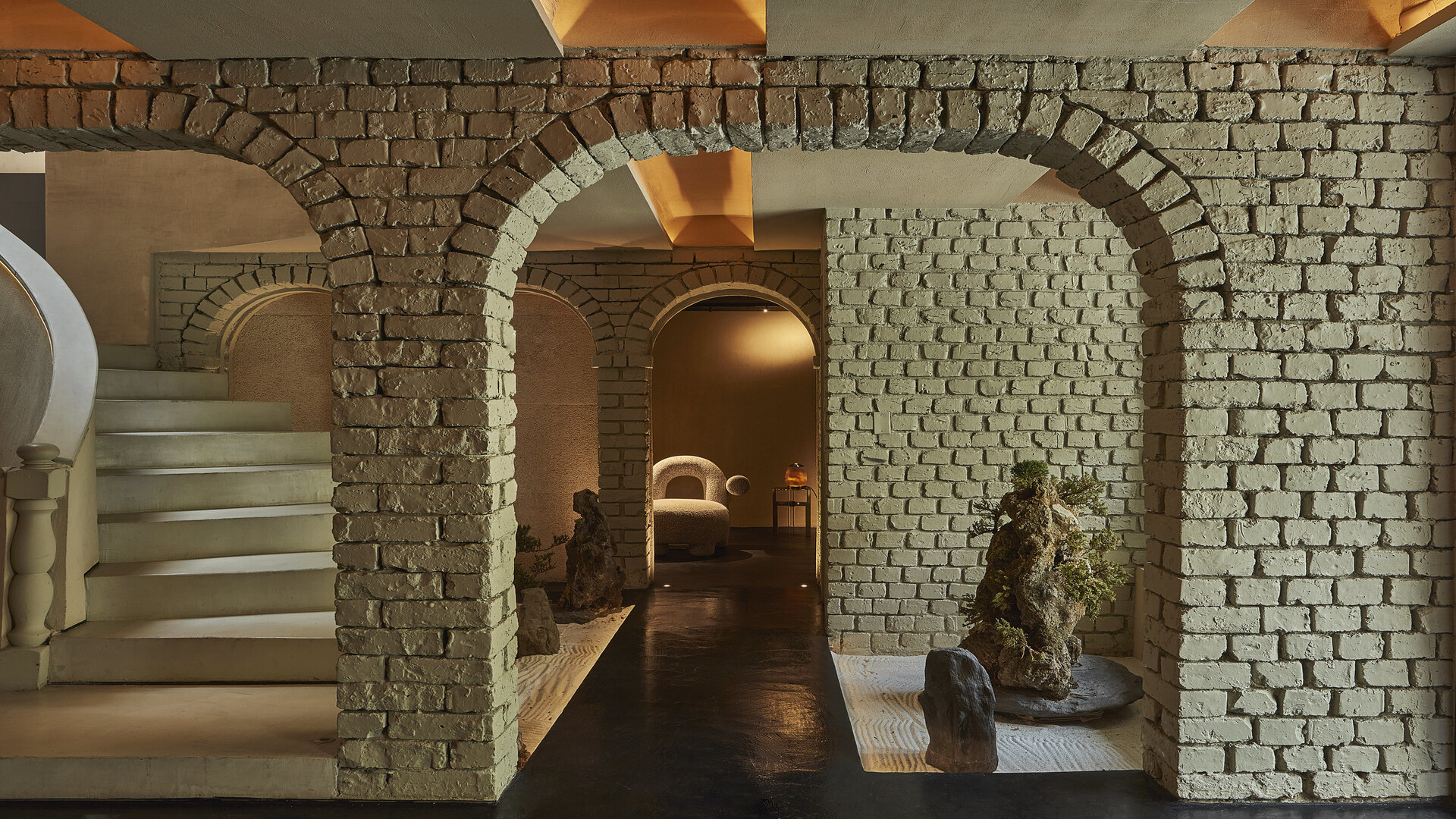
House project Gregory Schaller
When we talk about lighting, we’re delving into one of the most transformative elements in design. It’s not just about illuminating a room; it’s about setting the tone, creating an ambiance, and complementing the aesthetic of any space. Through strategic lighting, we can highlight architectural features, draw attention to art pieces, or simply set the mood for any occasion.
First off, ambient lighting lays the groundwork. It’s the base layer that ensures a room is adequately lit. Ceiling-mounted fixtures and recessed lighting are common go-to’s for ambient light, providing a comfortable level of brightness without overpowering the space.
Next, task lighting is crucial in areas where activities need focus, like reading, cooking, or working. Desk lamps, under-cabinet lighting, and pendant lights above kitchen islands are excellent examples of task lighting that blend functionality with style.
But, it’s accent lighting that really brings the magic, adding depth and dimension to a room. Think of wall sconces highlighting a painting, track lighting casting a glow on bookshelves, or floor lamps washing up against a dark corner. It’s these touches that can elevate a space from standard to spectacular.
Let’s not forget the impact of color temperature. Lighting isn’t just about brightness; the color of the light plays a pivotal role in shaping the room’s vibe. Warm lights emit a cozy, yellowish glow, ideal for living rooms and bedrooms, fostering relaxation. On the other hand, cool lights cast a more bluish tone, perfect for bathrooms and kitchens, where clarity and focus are key.
Innovative lighting controls add an extra layer of customization. Dimmers allow us to adjust the intensity of light to suit the time of day or desired atmosphere, while smart lighting systems can change colors and are programmable, offering ultimate control over the lighting scheme with just a tap on a smartphone.
In embracing these principles, we’re not just decorating with lighting; we’re crafting experiences, setting scenes, and transforming spaces into places where life unfolds beautifully. Through careful consideration of lighting layers, color temperatures, and control systems, any room can be elevated to its full potential.
Choosing the Right Lighting Fixtures
When diving into the world of interior design, the choice of lighting fixtures becomes a pivotal decision in decorating any space. This choice can dramatically alter the room’s ambiance, functionality, and aesthetic appeal. Let’s explore how to make informed decisions when selecting lighting fixtures for various spaces.
Determining the Purpose of the Space
Identifying the function of a room is the first step in choosing the right lighting fixtures. Different activities require different types of lighting. For instance, a kitchen, where precision tasks like cooking and chopping are performed, benefits greatly from bright, direct lighting. On the other hand, a living room, which serves as a hub for relaxation and socialization, calls for softer, more diffused lighting to create a welcoming atmosphere.
- Ambient Lighting for overall illumination
- Task Lighting for specific activities
- Accent Lighting to highlight decor or architectural features
Understanding the primary purpose of each room allows us to select lighting fixtures that enhance both its functionality and mood.
Considering the Style of the Room
The style of the room heavily influences the choice of lighting fixtures. Lighting should complement the room’s overall theme, whether it is modern, industrial, traditional, or eclectic. For a modern minimalist space, sleek and simple fixtures with clean lines work best. In contrast, ornate chandeliers and vintage lamps perfectly suit classical and traditional interiors.
Key considerations include:
- Fixture Material: Glass, metal, wood, or fabric
- Color and Finish: Matching or contrasting with the room’s palette
- Scale and Proportion: Ensuring the fixture size complements the room dimensions
Selecting lighting fixtures that align with the room’s style contributes to a cohesive and harmonious aesthetic.
Assessing the Natural Lighting
The amount and quality of natural light a room receives influence our lighting fixture choices. Spaces bathed in ample natural light may require less intense artificial lighting and can focus more on accent and task lighting elements. Conversely, rooms with limited natural light demand a strategic mix of ambient and task lighting to illuminate the space effectively.
We consider factors such as:
- Window Size and Placement: Dictates the flow of natural light
- Time of Day Usage: Determines the necessity for adjustable lighting
- Interaction with Artificial Light: How natural and artificial light blend during different times
By assessing the natural lighting, we ensure that our lighting fixtures provide the right balance of illumination, enhancing the room’s appeal and functionality without overwhelming or underlighting the space.
Layering Lighting in a Room
When we talk about transforming a space through decoration, lighting plays a pivotal role. Layering lighting in any room is fundamental to achieving both aesthetic beauty and practical functionality. We’ll break down the concept of layering lighting into three core types: ambient, task, and accent lighting. Each serves a unique purpose and when combined, they contribute to a well-rounded, dynamic room design.
Ambient Lighting
Ambient lighting, often referred to as general lighting, is the foundational layer that sets the overall mood of a room. It’s the soft, diffused light that fills a space without causing harsh shadows, mimicking natural daylight. Ceiling-mounted fixtures, LED downlights, and modern chandeliers are popular sources of ambient lighting. The key is to ensure this layer offers a uniform level of brightness throughout the room. Opting for bulbs with adjustable luminosity can allow for the flexibility to adapt the ambiance from day to night, ensuring every moment feels just right.
Task Lighting
Next, we have task lighting, which, as the name suggests, illuminates areas of a room dedicated to specific tasks. Whether it’s reading in a cozy corner, cooking in the kitchen, or working at a desk, task lighting ensures sufficient light to perform activities without straining the eyes. Desk lamps, under-cabinet strips, and pendant lights are among the go-to fixtures for task lighting. The effectiveness of task lighting hinges on its placement; it should be directed onto the task area without causing distracting glares or shadows. Incorporating dimmable task lighting fixtures can further enhance their utility, allowing for customizable brightness according to the task at hand.
Accent Lighting
Accent lighting is the final touch that elevates a room from functional to magazine-worthy. This type of lighting is used to highlight architectural features, artwork, or other decor elements that deserve attention. It acts as a guiding light, drawing the eye to areas of interest within the space. Spotlights, wall-mounted sconces, and track lighting are common choices for accent lighting. Strategic placement is crucial to maximize the impact of accent lighting; the goal is to create focal points that tell a story or evoke emotion without overwhelming the senses. Incorporating adjustable fixtures can also allow for changes in focus, ensuring the room’s dynamics can evolve with the decor.
As we navigate through the intricacies of decorating with lighting, it’s clear that the thoughtful application of ambient, task, and accent lighting not only enhances the functionality of a room but also its aesthetic allure. By layering these types of lighting, we can create spaces that are both inviting and inspirational.
Types of Lighting Fixtures
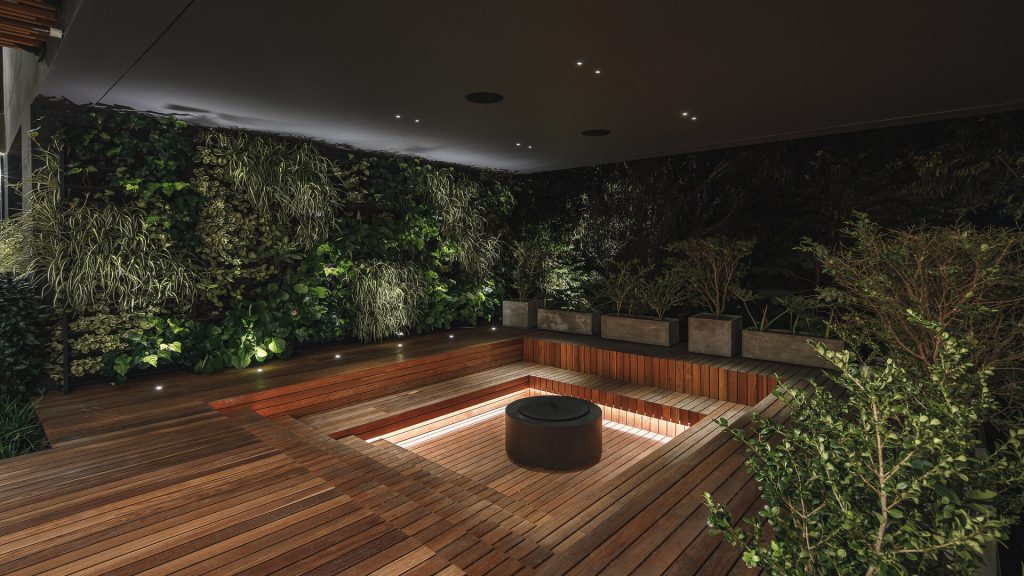
sauna-bonfire Area warm lights
Lighting isn’t just about illumination. It’s also a crucial element of interior design that can drastically alter the aesthetics and functionality of a space. With the right fixtures, we can enhance the ambiance, highlight architectural features, or create a cozy nook perfect for relaxation. In this section, we’ll jump into the various types of lighting fixtures that can help us achieve these goals.
Chandeliers
Chandeliers serve as statement pieces that can instantly elevate a room’s elegance. Traditionally associated with luxury and sophistication, modern chandeliers have evolved. They now come in a wide range of styles, from intricate crystal designs to minimalist contemporary pieces. Positioned typically in the center of a room, chandeliers are best suited for dining areas, foyers, and large living spaces. They not only provide ambient lighting but also act as a focal point that draws the eye upwards, enhancing the room’s perceived height.
Pendant Lights
Pendant lights hang from the ceiling, offering targeted lighting that’s perfect for task-oriented areas like kitchen islands, reading corners, or over dining tables. Their versatility in design, size, and material allows us to match them with any decor style. Using pendant lights in multiples is a popular way to achieve balance and symmetry, while a singular, oversized pendant can make a bold statement. The key is to hang them at the right height to illuminate the space effectively without obstructing the view.
Wall Sconces
Wall sconces are all about adding layers to our lighting scheme. Mounted on walls, they can provide ambient, task, or accent lighting, depending on their placement and design. Wall sconces are particularly useful in corridors, bedrooms, and living rooms where they contribute to a serene atmosphere. Besides their practicality, they are decorative elements that can complement other light sources and the overall decor. For a harmonious effect, we often install them in pairs or symmetrically distribute them along a hallway.
Table Lamps
Table lamps are undoubtedly among the most versatile lighting fixtures. Ideal for task lighting, they also contribute significantly to a room’s ambiance through their design and the warmth of light they emit. Whether it’s for reading in the living room, working in a home office, or adding a soft glow to a bedroom, table lamps come in an endless array of styles suitable for any purpose or aesthetic. They’re easy to move around, allowing us to experiment with different placements to find the perfect lighting balance.
Floor Lamps
Floor lamps are akin to mobile lighting towers that we can strategically place to enhance or create specific lighting effects in a room. They’re excellent for illuminating dark corners, providing focused light for reading, or emitting ambient light in a dimly lit space. Floor lamps come in a variety of designs, from sleek and modern to ornate and traditional, making them highly adaptable to our changing decor needs. They also offer the convenience of being easy to relocate, giving us the flexibility to refresh our lighting setup without a hassle.
As we explore the potential of these fixtures in decorating our spaces, it’s clear that each type of lighting serves a unique purpose. By selecting the appropriate fixtures and placing them thoughtfully, we can transform any room into a beautifully lit, functional, and inviting space.
Lighting Techniques for Different Areas
When we’re decorating our homes, it’s crucial to focus on how lighting can enhance and define our spaces. Different areas of the home serve different purposes and, as such, demand specific lighting strategies to both illuminate and elevate their aesthetics. Let’s jump into the ideal lighting techniques for various rooms, ensuring each space shines in its unique way.
Living Room
In the living room, ambient lighting is the foundational layer that sets the stage for a welcoming atmosphere. We usually achieve this with a combination of ceiling lights and soft, diffused lamps. But, the real magic happens when we introduce task lighting through floor lamps or table lamps next to reading nooks and seating areas. Accent lighting plays a pivotal role here as well; highlighting artwork, architectural features, or statement pieces with directional lights can transform the room into a gallery of personal treasures. Utilizing dimmers in this space allows for flexibility, adapting the light to suit any occasion, from a movie night to a lively gathering.
Kitchen
The kitchen, the heart of the home, requires a well-thought-out lighting plan that balances functionality with ambiance. Task lighting is paramount here—under-cabinet lights ensure countertops are well-lit for food preparation. Ambient lighting can be achieved with overhead ceiling fixtures, providing a uniform light that welcomes everyone into the space. Pendant lights over the kitchen island not only add a touch of style but also serve as both task and accent lighting. LED strip lights underneath cabinets or along toe kicks add a modern and sophisticated glow, ensuring every corner is illuminated.
Bedroom
Our sanctuaries at the end of the day, bedrooms ask for a lighting design that fosters relaxation and comfort. Ambient lighting should be soft and indirect, promoting a cozy and soothing atmosphere. Placing accent lights behind headboards or using floor lamps that cast a gentle glow can add layers of warmth. Task lighting becomes essential on bedside tables, allowing for evening reading or unwinding activities without straining the eyes. Integrating smart lighting systems that adjust to natural light patterns can also enhance the bedroom experience, helping us to wake up naturally or wind down with ease.
Bathroom
Lighting in the bathroom combines functionality with an element of luxury. Above all, task lighting around the mirror is critical for personal grooming; opting for wall-mounted sconces or a lighted mirror can provide shadow-free illumination. Ambient lighting can come from ceiling-mounted fixtures, giving a general brightness to the space. For those looking to add some drama, accent lighting can highlight architectural features or artwork. Waterproof LED strips around the bathtub or beneath vanities can turn an ordinary bathroom into a spa-like retreat, offering both aesthetics and functionality.
By tailoring our lighting choices to the specific needs and roles of each room, we can dramatically transform our homes’ ambiance and functionality.
Incorporating Lighting into Interior Design Styles

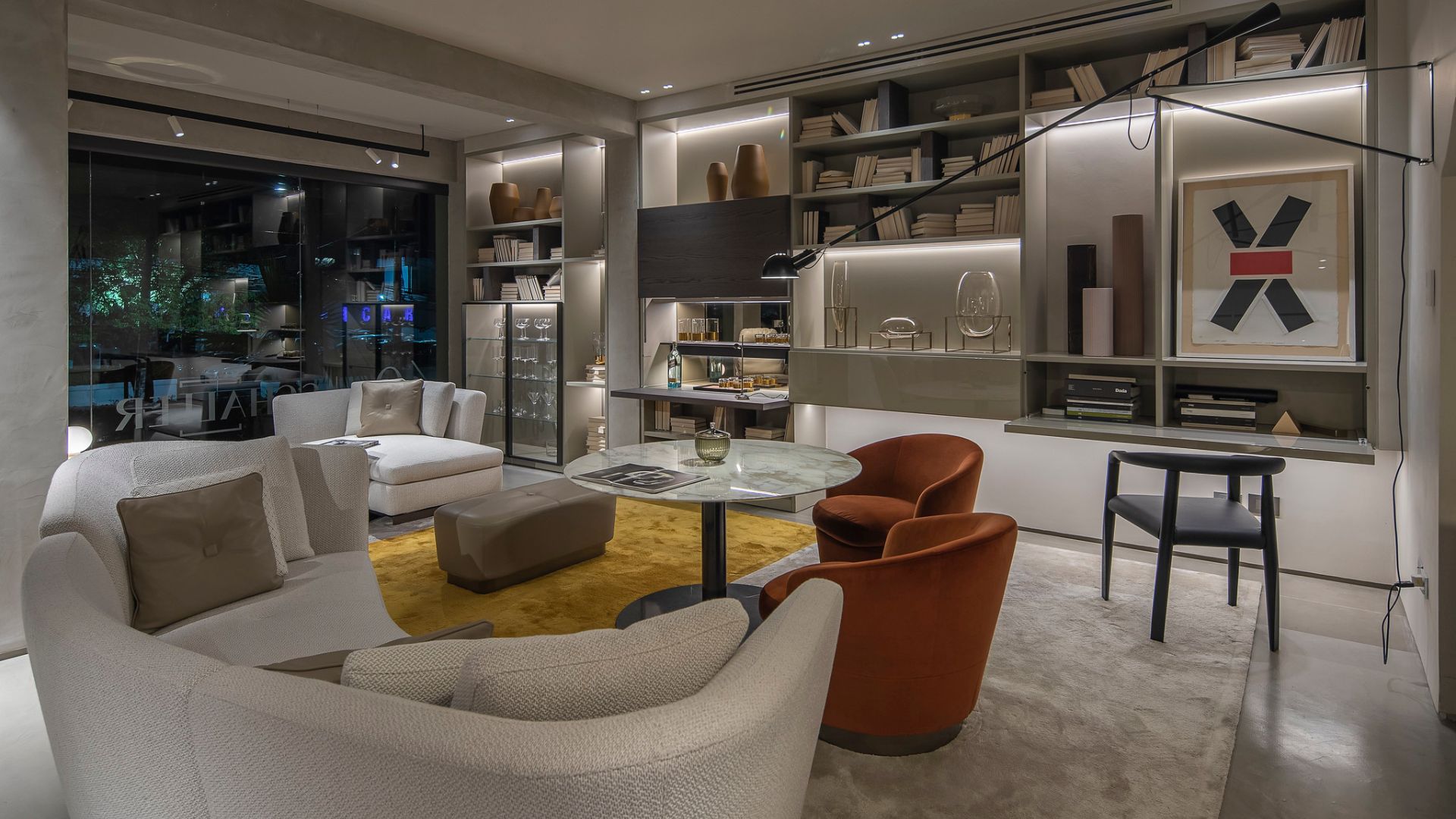
Bathroom cold lights design
When it comes to elevating the warmth and beauty of our homes, understanding how to incorporate lighting into different interior design styles is key. We’ve delved into several popular styles, detailing how lighting plays a pivotal role in each.
Modern Style
In the area of modern design, it’s all about simplicity, clean lines, and minimalism. Lighting fixtures that embrace geometric shapes and incorporate materials like metal, glass, or concrete are ideal. We aim for a sleek, uncluttered look, often choosing recessed lighting or track lights to complement the space without overwhelming it. LED strip lights under cabinets or along baseboards can add a subtle yet impactful glow, enhancing the modern aesthetic while providing functional illumination.
Traditional Style
Traditional design calls for a more ornate and luxurious approach to lighting. Chandeliers with intricate details, lampshades made from rich fabrics, and elegant sconces are hallmarks of this style. Lighting in a traditional setting isn’t just about function; it’s an integral part of the decor that adds a sense of warmth and sophistication. We often select fixtures with warm tones and materials like brass or wood, ensuring they complement the rich, detailed furniture and textiles typical of traditional interiors.
Industrial Style
Industrial design celebrates raw, unfinished looks and finds beauty in the utilitarian. Here, lighting plays a crucial role in enhancing the edgy, rugged charm. Think pendant lights with metal finishes, exposed bulbs, and fixtures that feature a mix of steel, iron, or copper. These elements bring a bold statement to the space while providing ample lighting. Adjustable arm lamps and track lighting are practical yet stylish choices that align well with the industrial vibe, offering versatility and function.
Coastal Style
Bringing the breezy, laid-back feel of the coast indoors relies heavily on picking the right lighting. Coastal style lighting tends to lean towards light, airy fixtures featuring materials like wicker, rattan, or light wood. Pendant lights or chandeliers that mimic natural elements such as driftwood serve not only as light sources but as art pieces that underscore the coastal theme. The use of ample natural light, supplemented by soft, warm artificial light, helps to create a serene, inviting atmosphere characteristic of coastal interiors.
Conclusion
We’ve explored how lighting isn’t just a functional aspect of home design but a transformative element that can elevate the ambiance and aesthetic of any space. By understanding the different types of lighting—ambient, task, and accent—and how they work together, we can create layers that not only illuminate but also add depth and character to our rooms. Remember, the right color temperature and innovative controls like dimmers and smart systems play a crucial role in achieving the perfect mood. Whether we’re designing for specific areas of the home or aiming to complement various interior styles, the strategic use of lighting can dramatically enhance both the functionality and beauty of our spaces. Let’s embrace the power of lighting to transform our homes into warm, inviting, and beautifully lit havens.
Frequently Asked Questions
What are the main types of lighting discussed in the article?
The article outlines three primary types of lighting: ambient, task, and accent lighting. Each type serves a specific purpose, from providing overall illumination to highlighting specific tasks or features within a space.
How does color temperature affect a room’s vibe?
Color temperature has a significant impact on a room’s atmosphere. Warmer temperatures create cozy, inviting spaces, while cooler temperatures offer a more alert and focused environment. The article emphasizes choosing the right color temperature to achieve the desired ambiance.
What are innovative lighting controls mentioned?
Innovative lighting controls include dimmers and smart lighting systems. These technologies allow for adjustable lighting levels and colors, enabling users to customize the ambiance of their space conveniently and efficiently.
Can you explain the concept of layering lighting?
Layering lighting involves using a combination of ambient, task, and accent lighting to create a balanced and functional space. The purpose is to achieve optimal illumination by addressing different lighting needs within a room.
What are some examples of popular fixtures for each type of lighting?
For ambient lighting, examples include chandeliers and pendant lights. Task lighting often involves table lamps and under-cabinet lights. Accent lighting can include wall sconces and spotlights.
How should lighting be approached differently in various areas of the home?
Each area of the home has unique lighting needs. The living room benefits from a mix of all three types of lighting, the kitchen needs task lighting for functionality, bedrooms benefit from softer, adjustable lighting, and bathrooms require bright, clear lighting.
How does lighting complement different interior design styles?
Lighting can enhance interior design by matching fixtures to the style of the space. Modern designs may use sleek, minimalist fixtures, traditional styles prefer ornate and classic designs, industrial spaces often incorporate metal and exposed designs, and coastal styles opt for light, airy fixtures.
By tailoring lighting choices to specific rooms and design styles, effective lighting enhances both the functionality and aesthetics of a home.
Our Portfolio

Turning Stars into Experiences: The Remodeling of the Combarranquilla Planetarium by Schallertech
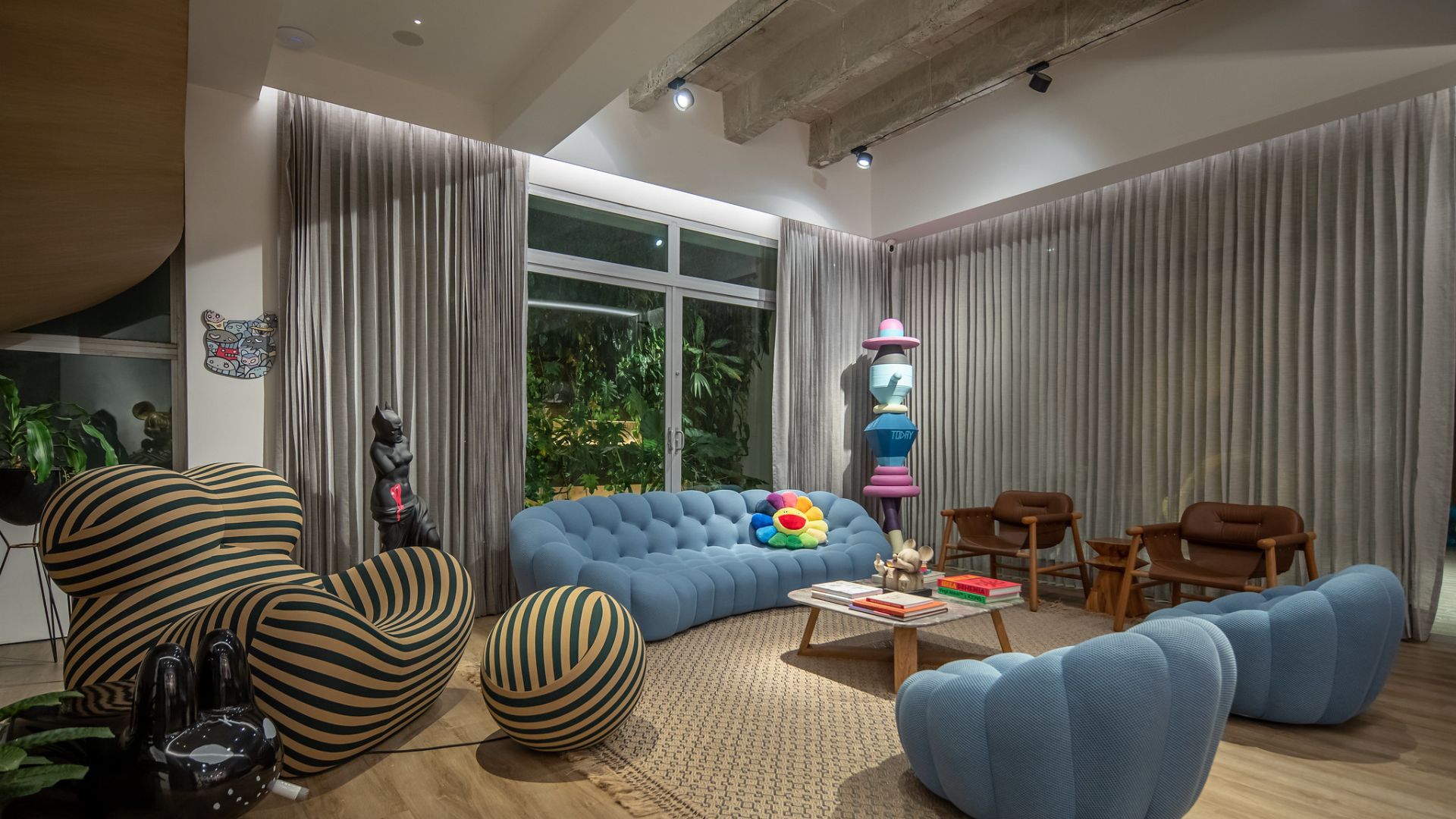
CM: When Technology Meets Creativity
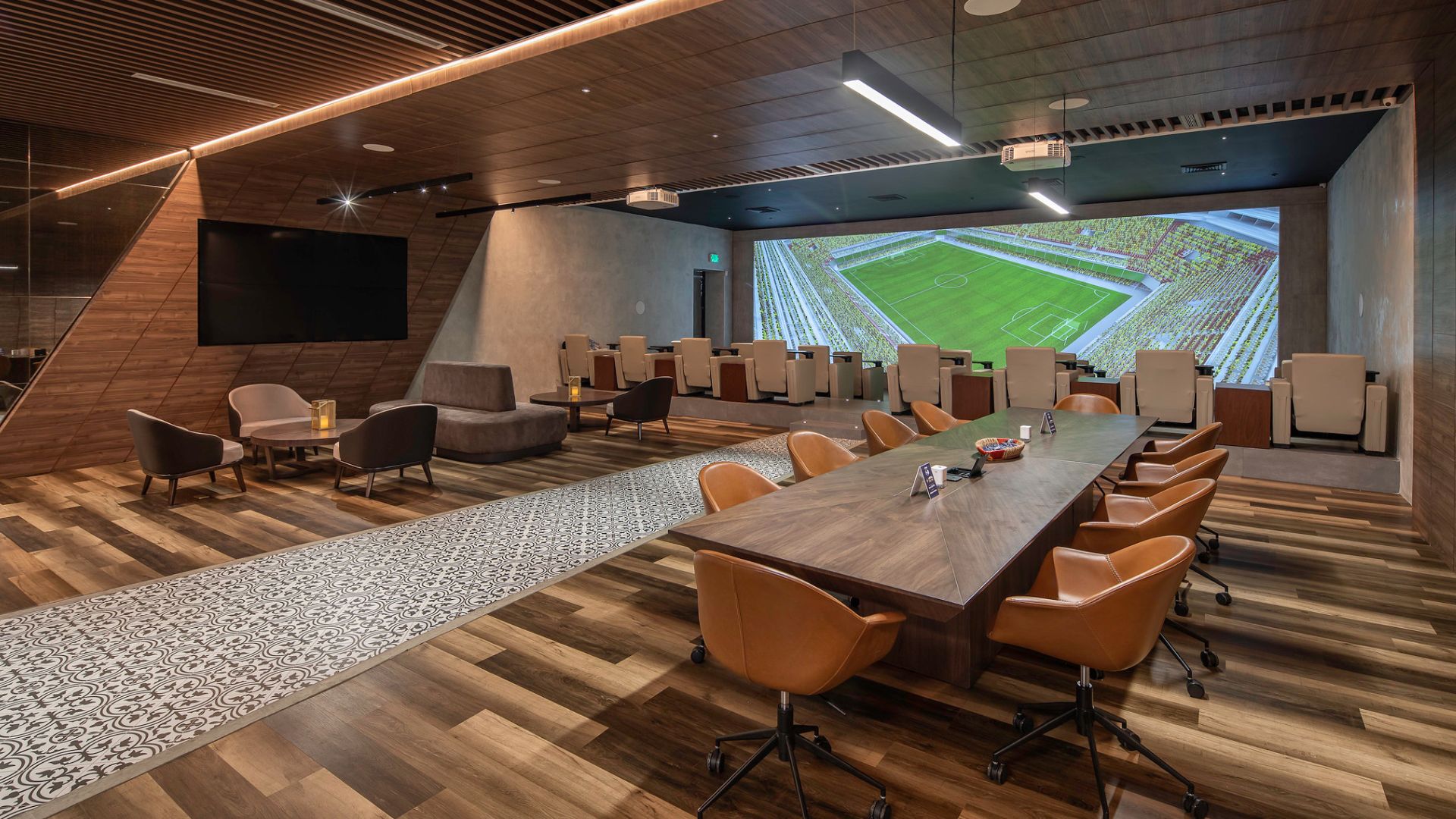


Residential Design Casa JC: Sophistication and Technology

Universidad del Atlantico Theater: A Legacy of Technological and Cultural Innovation

Santa Cecilia de Logroño Church
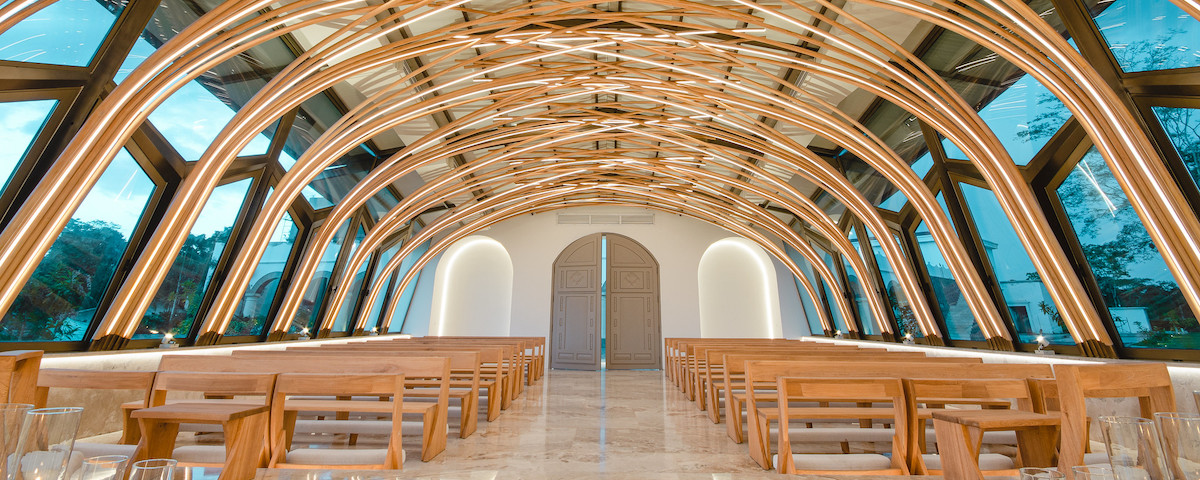
Chapel Hacienda Las Marías. The Evolution of Lighting in Worship Spaces
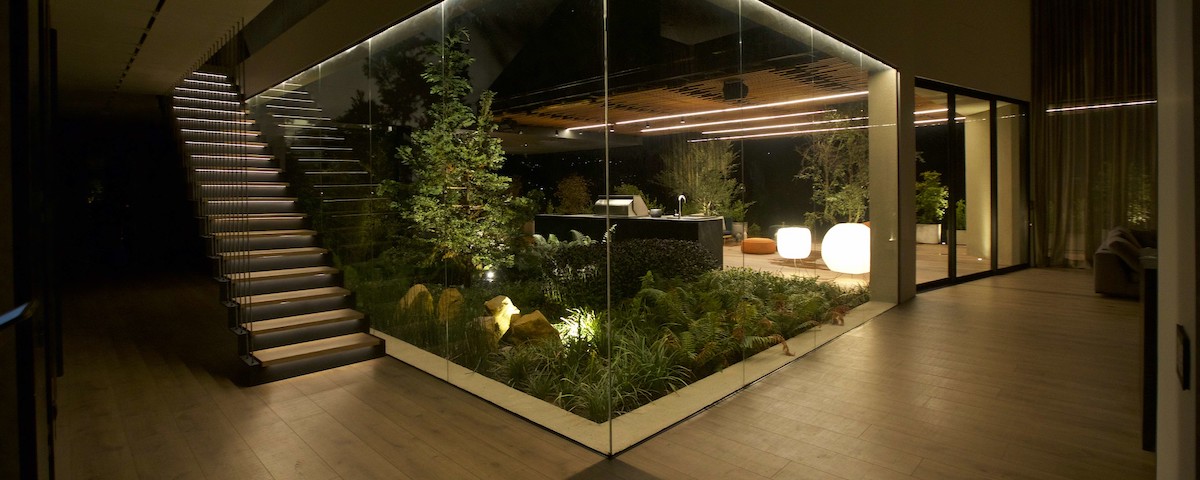
Lighting that Inspires: An Exceptional Design Project
Table of contents