Table of contents
Key Takeaways
- Understanding the psychological impact of lighting is essential, as different lighting types can influence mood and productivity, with natural light boosting happiness and specific artificial lighting creating ambiance.
- Balancing functional and aesthetic lighting enhances both the usability and beauty of a space, requiring skill in selecting and placing light fixtures to create the desired effect.
- Embracing technology with smart lighting systems offers convenience and personalization, allowing adjustments in brightness and color to match activities or mood within a space.
- Recognizing lighting as a critical design element can accentuate architectural features, highlight art, and create depth, proving its vital role beyond functionality.
- The importance of layering light involves combining ambient, task, and accent lighting to achieve a harmonious balance, enhancing a space’s functionality and creating an inviting atmosphere.
- Selecting the right color temperature and fixtures is crucial for setting a room’s mood, with warmer tones ideal for relaxation areas and cooler tones best for work and focus zones.
Lighting and Design

closet and recreational area
When diving into the world of lighting and design, we’re engaging with more than just fixtures and bulbs. It’s an exploration of how light shapes our experiences and emotions in any given space. At the heart of our discussion is the undeniable impact lighting has in transforming design concepts into living environments that resonate with warmth, functionality, and aesthetics.
The Psychology of Lighting
Understanding the psychology behind lighting is crucial for us. Different types of lighting evoke different feelings and can significantly influence mood and behavior. Bright, natural light is known to boost happiness and productivity, while softer, warmer tones can create a cozy, serene atmosphere. Utilizing this knowledge allows us to design spaces that not only look great but feel right.
Functional Vs. Aesthetic Lighting
In our journey, we distinguish between two primary functions of lighting: functional and aesthetic. Functional lighting focuses on the practical aspects, ensuring spaces are adequately lit for safety and usability. On the other hand, aesthetic lighting is about creating a sense of beauty and character. Balancing these aspects requires skill and an understanding of how light interacts with space.
Embracing Technology in Lighting Design
We cannot ignore the role of technology in elevating lighting design. Innovative solutions such as smart lighting systems not only offer convenience but also introduce an element of personalization that can drastically enhance the user experience. These systems allow for adjustments in brightness, color temperature, and even color to perfectly match the desired mood or activity within a space.
Lighting as a Design Element
Finally, recognizing lighting as a critical design element is pivotal. The right lighting can accentuate architectural features, highlight artwork, or create depth and dimension in a room. Strategic placement and selection of light fixtures can turn a mundane space into a visual spectacle. For inspiration, explore these Unique Apartment Lighting Ideas, proving that lighting is not just functional but a vital component of design itself..
Importance of Lighting in Design
In exploring the profound impact of lighting on design, we investigate into how it shapes our experiences, moods, and the very essence of spaces. It’s not just about making a room brighter; it’s about crafting an atmosphere that resonates with the soul of the place and those within it.
Enhancing Mood and Atmosphere
Lighting isn’t just functional; it’s transformative. It possesses the unique capability to alter moods and atmospheres within any space, making it an indispensable tool in the designer’s arsenal. Let’s consider the difference between the warm, inviting glow of a soft lamp and the energizing brightness of a well-placed overhead light. These lighting choices can drastically affect how we feel in a space. Studies have shown that natural light boosts mood and productivity, yet, in its absence, artificial lighting designed to mimic daylight’s spectrum can play a similar role. Ambient lighting creates a comfortable background, while task lighting focuses on functionality without sacrificing aesthetics. Together, they harmonize to enhance mood and overall atmosphere, proving that the right lighting is key to revealing a space’s potential.
Highlighting Key Features
Beyond setting the mood, lighting serves as a spotlight for the unique features and design elements within a space. Whether it’s illuminating a piece of art, casting shadows to accentuate architectural details, or simply guiding the eye through a room, lighting plays a pivotal role in how we perceive and appreciate design. Consider the strategic use of accent lighting to bring attention to a sculpture or the application of indirect lighting to gently highlight a textured wall; these choices not only showcase key features but also add depth and dimension to the design. By selectively illuminating areas, designers can create focal points and guide visitors’ attention, emphasizing the aspects they wish to stand out. This careful orchestration of light shapes our experience of the space, making the invisible visible and transforming the ordinary into the extraordinary.
Types of Lighting
Exploring various types of lighting is essential when considering how it shapes our experiences and moods in designed spaces. Let’s investigate into the specifics of natural, ambient, and task lighting, each playing a pivotal role in creating an atmosphere that resonates with the essence of a place and its occupants.
Natural Lighting
Natural Lighting is the most eco-friendly and cost-effective form of lighting available. It’s the light provided by the sun, filtered through windows and skylights, to illuminate an interior space. The quality and quantity of natural light a space receives can significantly affect the mood and productivity of its occupants. Studies have shown that natural light boosts vitamin D, improves mood, and increases productivity in workspace environments. By incorporating larger windows, skylights, and strategically placed mirrors, we can enhance the natural light in a space, making it feel more open, airy, and inviting.
Ambient Lighting
Ambient lighting, often referred to as general lighting, serves as the primary source of light in a space. It’s designed to provide a uniform level of illumination throughout an area, without any harsh contrasts or bright spots. Ambient lighting sets the tone of a room and can be achieved through a variety of sources such as ceiling-mounted or recessed fixtures, chandeliers, wall-mounted fixtures, and floor lamps. The intensity and color temperature of ambient light can dramatically alter the perceived size and warmth of a space. For instance, a room with warm, soft ambient lighting appears more welcoming and cozy, while cooler light creates a more alert and spacious environment.
Task Lighting
Task Lighting focuses on illuminating specific areas to make performing tasks easier, such as reading, cooking, or working on a computer. This form of lighting is critical in areas where detail-oriented activities are performed, as it helps reduce eye strain and improve concentration. Examples of task lighting include desk lamps, under-cabinet lighting, and pendant lights above kitchen islands. The key is to ensure that the light is bright enough to prevent strain but not so bright that it causes glare or harsh shadows. By properly integrating task lighting into a design, we can enhance functionality and productivity, while also adding an element of style to the space.
Incorporating a blend of natural, ambient, and task lighting can transform an ordinary space into an extraordinary one. By understanding and applying these types of lighting, we harness the power to create environments that are not only functional but also psychologically and aesthetically pleasing.
Designing with Lighting
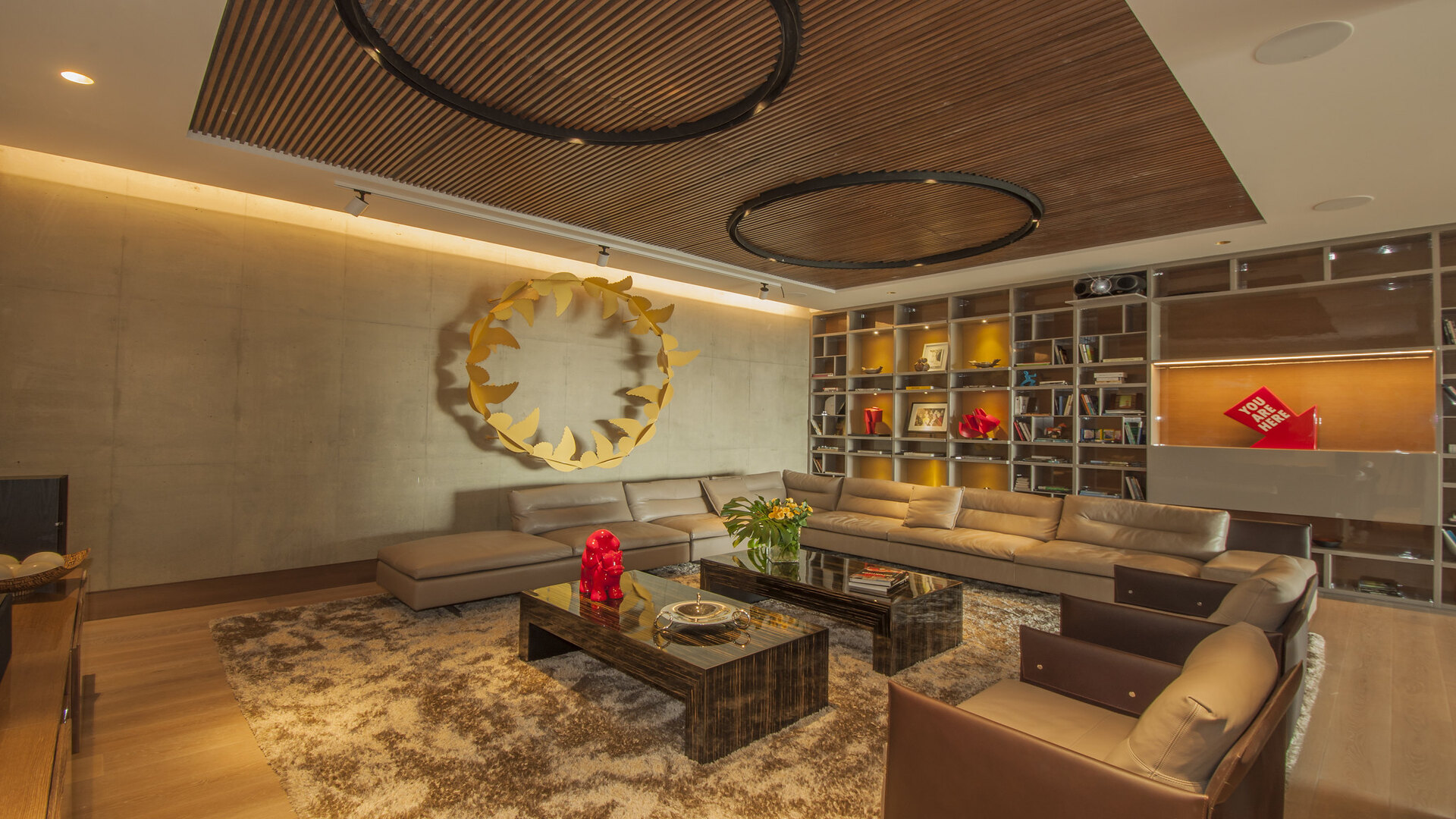
Living room with decorative lights and calid colors
When it comes to elevating the aesthetic and functionality of any space, lighting plays a pivotal role. It’s not just about ensuring areas are well-lit; it’s about using lighting as a strategic design tool. By blending various lighting types, we can create spaces that are not only visually appealing but also cater to our needs. Let’s jump into the strategies that can transform any room from ordinary to extraordinary.
Layering Light
Layering light is akin to adding depth and dimension to a space. Think of it as the art of combining multiple light sources to achieve a harmonious balance. There are three main types of lighting layers:
- Ambient Lighting: The foundational layer that provides overall illumination.
- Task Lighting: Focuses light on specific areas for tasks like reading or cooking.
- Accent Lighting: Highlights architectural features or artwork.
The key to successful lighting design lies in the seamless integration of these layers. This approach not only enhances the functionality of the space but also crafts an inviting atmosphere. By adjusting the intensity and direction of each layer, we can define different moods and scenes within the same room.
Using Different Light Fixtures
Diversity in light fixtures is crucial for a well-executed lighting design. Each fixture type serves a unique purpose, from creating ambiance to highlighting decor elements. Here’s a brief overview:
- Chandeliers and Pendants: Offer general lighting and serve as decorative focal points.
- Track Lighting and Spotlights: Ideal for accent lighting, focusing attention on art pieces or architectural details.
- Table and Floor Lamps: Provide task lighting along with adding a touch of style.
- Recessed Lighting and Flush Mounts: Perfect for ambient lighting, blending seamlessly with the ceiling.
Selecting the right fixtures involves considering both their form and function. It’s not just about finding lights that look good; it’s about choosing fixtures that serve the space’s specific needs while complementing its overall design style.
Considering Color Temperature
Color temperature significantly impacts the ambiance of a space. Measured in Kelvins (K), it determines whether light appears warm or cool. Here’s a quick guide:
| Temperature Range (K) | Light Appearance |
|---|---|
| Below 3000K | Warm White |
| 3100K to 4500K | Neutral or Cool White |
| Above 4600K | Daylight |
Warm white light creates a cozy and inviting atmosphere, ideal for living rooms and bedrooms. On the other hand, cool white and daylight tones offer clarity and invigoration, perfect for kitchens, bathrooms, and workspaces. Understanding the psychological effects of color temperature helps us tailor environments that align with our emotional and functional needs. Using dimmers and smart lighting systems, we can further refine the mood, making adjustments to suit the time of day or specific activities.
By mastering these design principles, we’re equipped to use lighting not just as a necessity, but as a powerful tool to enhance the beauty and functionality of our spaces. Whether it’s through layering light, selecting the right fixtures, or fine-tuning color temperatures, thoughtful lighting design can transform any area into a visually stunning and practical space.
Lighting and Color
When we jump into the world of lighting and design, it’s clear that color plays a pivotal role in how a space feels and functions. Let’s explore how varying types of lighting can influence color perception and overall ambiance.
Warm vs Cool Lighting
Warm lighting invites a sense of comfort and relaxation, making it ideal for living rooms and bedrooms. It’s characterized by its yellow and red tones, creating an atmosphere reminiscent of the golden hour. On the other hand, cool lighting is on the opposite side of the spectrum. With its blue and white tones, it mimics daylight, promoting concentration and alertness—perfect for offices and study areas.
Warm Lighting
- Creates a cozy, welcoming atmosphere.
- Often used in social spaces like living rooms and dining areas.
Cool Lighting
- Enhances productivity and focus.
- Best suited for workspaces and kitchens.
Understanding the impact of warm versus cool lighting is crucial in setting the right mood for each room in your home or workplace.
Color Rendering
Color rendering refers to how well a light source allows us to perceive colors as they truly are. It’s measured by the Color Rendering Index (CRI), with a scale ranging from 0 to 100. A higher CRI means colors under the light source appear more accurate to their natural hues.
High CRI Lighting:
- Enables accurate color perception.
- Ideal for spaces where color differentiation is critical, such as art studios and retail spaces.
- May distort colors, making them appear washed out or unnatural.
- Typically found in industrial or low-impact areas where precise color rendering is less important.
Integrating light sources with a high CRI can elevate a space, making colors pop and creating a more vibrant and authentic visual experience. Whether it’s showcasing artwork, creating the right ambiance in a retail store, or simply lighting your home, paying attention to the color rendering of your light sources can make all the difference.
Lighting Design Tips
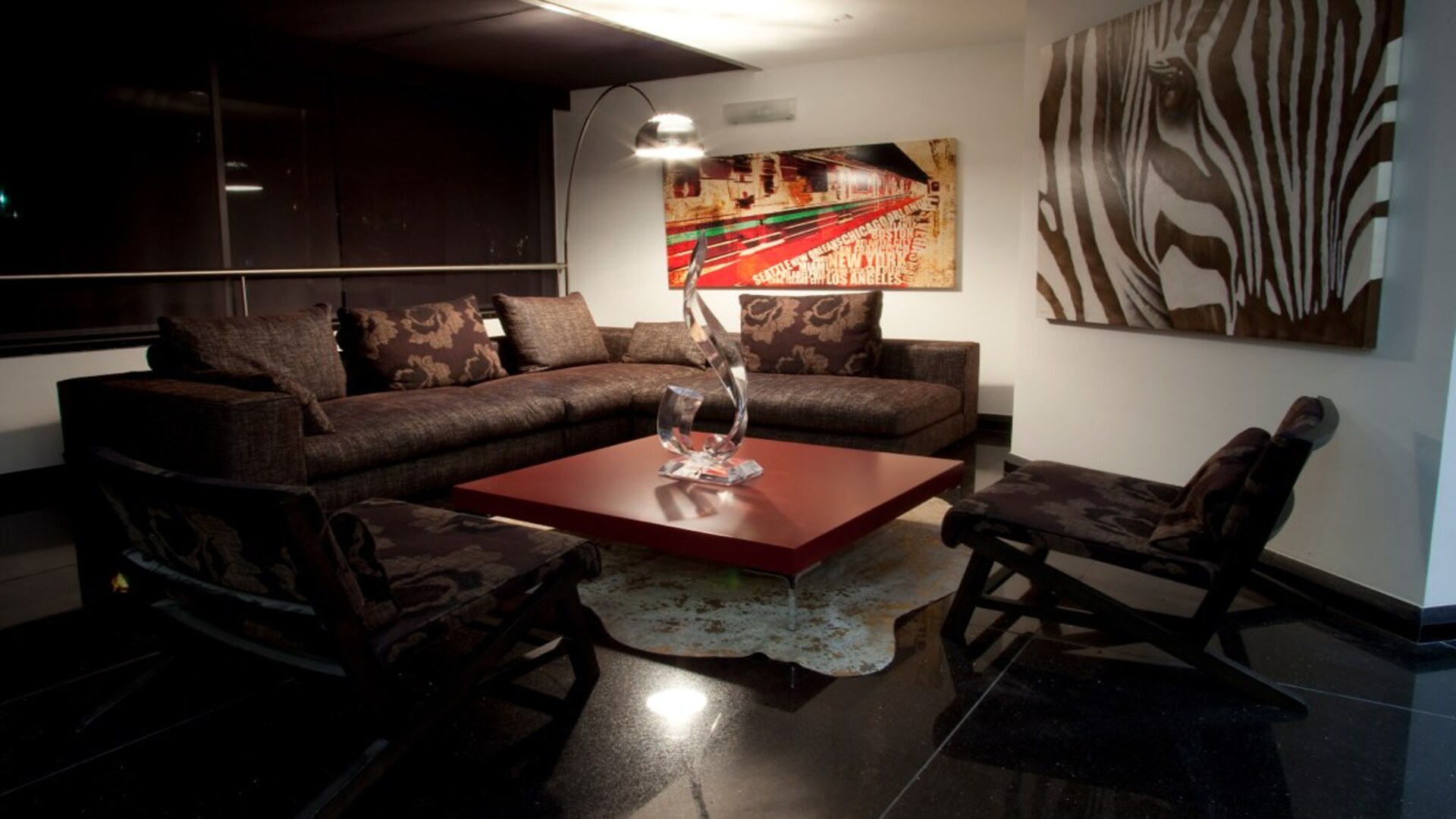
living room with illuminated sculpture
When we jump into the world of lighting design, it’s essential to consider how lighting isn’t just about illumination. It plays a pivotal role in both the functionality and aesthetics of a space. Let’s explore some essential tips that keep both these elements in harmony.
Balancing Functionality and Aesthetics
First and foremost, we’ve learned that the key to successful lighting design lies in the balance between functionality and aesthetics. This balance ensures that a space is not only well-lit but also resonates with the desired mood and style. To achieve this, we incorporate a mix of different lighting types. Ambient lighting provides the overall illumination of a space, task lighting focuses light where specific activities occur, and accent lighting highlights key features or decor. By carefully selecting the right type and placement of lighting, we enhance both the beauty and practicality of any room.
Also, understanding the impact of light color temperatures on a space’s ambiance is crucial. Warm light creates a cozy, inviting atmosphere, ideal for living rooms and bedrooms, where comfort is paramount. In contrast, cool light stimulates productivity and is better suited for kitchens and home offices. By selecting the appropriate color temperature, we tailor the atmosphere of each room to suit its purpose while maintaining a cohesive design aesthetic.
Creating Visual Interest
Creating visual interest through lighting involves more than just selecting stylish fixtures. It’s about how light interacts with the space and objects within it. We achieve visual interest by layering different types of lighting, creating a dynamic and visually appealing environment that draws the eye and enhances the room’s overall aesthetic.
One technique we often use is implementing a variety of light sources at different heights. For instance, combining overhead lighting with table lamps and floor lamps adds depth and dimension to a room. Another method is using directional lighting, such as track lights or adjustable spotlights, to spotlight artwork, architectural features, or other focal points. This not only illuminates these elements but also casts intriguing shadows and highlights, adding a dramatic flair to the space.
Also, integrating interactive and adaptive lighting systems can elevate the design even further. Smart lighting solutions that adjust brightness and color temperature based on time of day or user preference not only provide convenience but also allow for personalized lighting scenarios that complement individual lifestyles and activities, making each space truly unique.
Conclusion
We’ve journeyed through the transformative power of lighting in design, uncovering its ability to not only illuminate but also to shape our experiences and enhance the beauty of our spaces. From the cozy warmth of ambient lighting to the focused clarity of task lighting, we’ve seen how each layer works together to create environments that are both functional and inviting. Remember, the key to a successful design lies in balancing these elements, ensuring that functionality meets aesthetics in every corner of our spaces. By integrating high CRI light sources and considering color temperatures, we can craft spaces that truly reflect our desired ambiance and mood. Let’s embrace these principles, using lighting not just as a necessity but as a tool to bring our design visions to life. Together, we can illuminate the path to creating spaces that resonate with the essence of their occupants and stand out in the world of design.
Frequently Asked Questions
What is the role of lighting in design?
Lighting plays a crucial role in design by shaping experiences, moods, and the essence of spaces. It’s not just about illumination but creating atmospheres that resonate with the space and its occupants.
How does lighting affect mood and productivity?
Lighting can significantly enhance mood and boost productivity. Natural lighting is known to improve mood and increase productivity, while appropriate artificial lighting can energize or relax occupants depending on its intensity and color temperature.
What are the different types of lighting mentioned?
The article discusses natural lighting, ambient lighting, task lighting, and accent lighting. Each type serves a distinct purpose from setting the tone of a room, illuminating specific tasks, to highlighting design features and décor.
Can lighting design impact a room’s ambiance?
Absolutely. Lighting design can drastically alter a room’s ambiance. Color temperature, for instance, can range from warm white creating cozy atmospheres to cool whites fostering clarity and focus.
What is layering light and why is it important?
Layering light involves combining multiple sources of light (ambient, task, and accent lighting) to achieve a harmonious balance, create depth, and enhance the functionality and beauty of a space.
How does light color temperature influence a space?
Color temperature has a profound impact on a space’s ambiance. Warm lights tend to create a cozy and relaxed atmosphere, whereas cool lights are better for productivity and focus.
What is the significance of color rendering in lighting?
Color rendering, indicated by a light source’s CRI, is crucial for accurate color perception. High CRI lighting is ideal for areas requiring true color differentiation, like art studios and retail spaces, ensuring vibrant and authentic visual experiences.
How do different lighting fixtures contribute to design?
Each lighting fixture, from chandeliers and pendants to table lamps and recessed lighting, serves a unique purpose and contributes to the overall design style and mood of the space.
Why balance functionality and aesthetics in lighting?
Balancing functionality and aesthetics in lighting design ensures adequate illumination while creating the desired mood and style. This balance enhances both the beauty and practicality of a space.
What is the benefit of interactive and adaptive lighting systems?
Interactive and adaptive lighting systems adjust brightness and color temperature based on time of day or user preference, providing optimal lighting conditions and enhancing the user’s experience and comfort within a space.
Our Portfolio

Art and Light: Contemporary Design in the SB Apartment

Turning Stars into Experiences: The Remodeling of the Combarranquilla Planetarium by Schallertech

Igniting Faith: The Technological Transformation of Valledupar Cathedral

Universidad del Atlantico Theater: A Legacy of Technological and Cultural Innovation
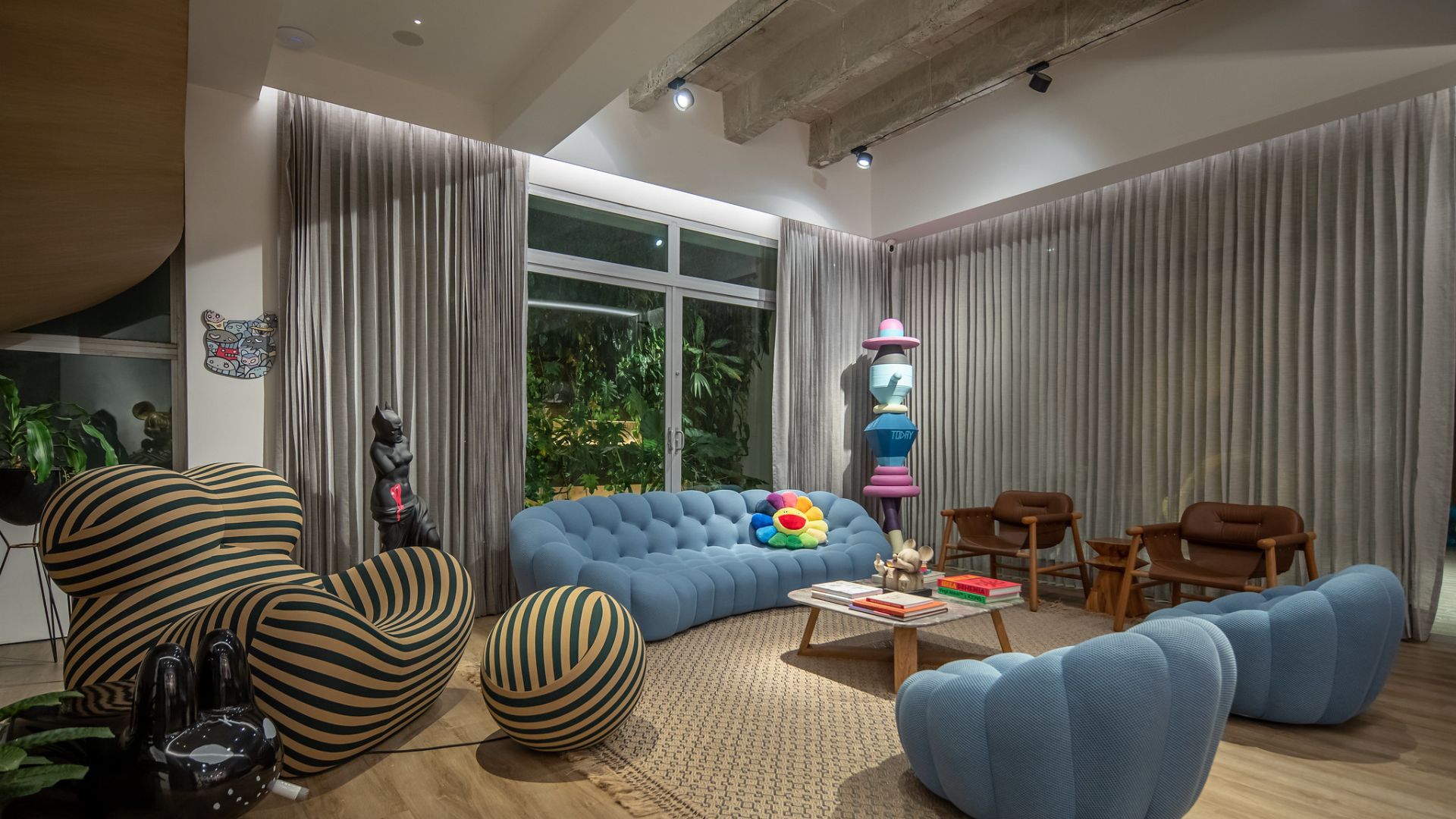
CM: When Technology Meets Creativity

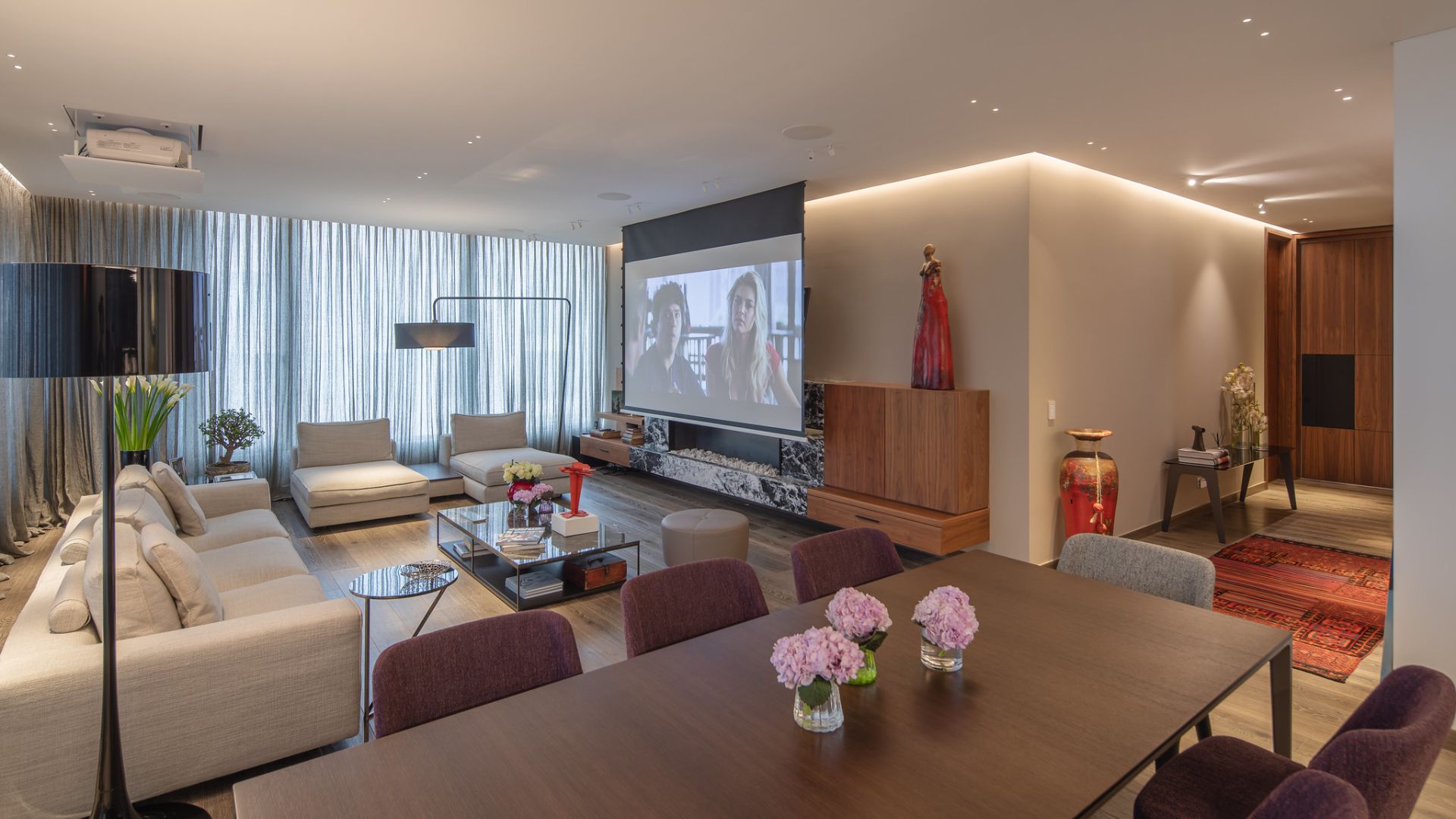
R&R: A Journey of Design, Technology, and Passion

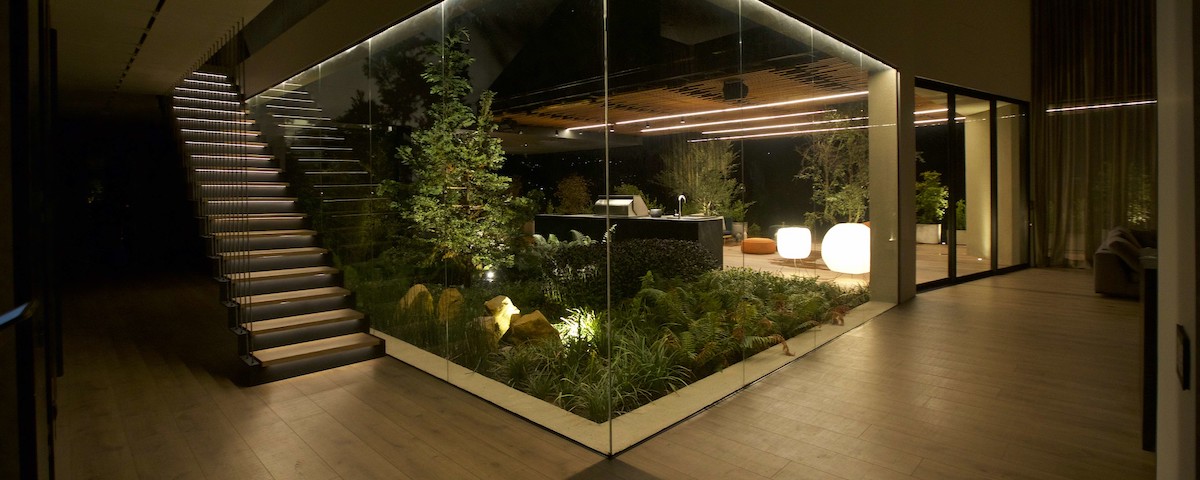
Lighting that Inspires: An Exceptional Design Project
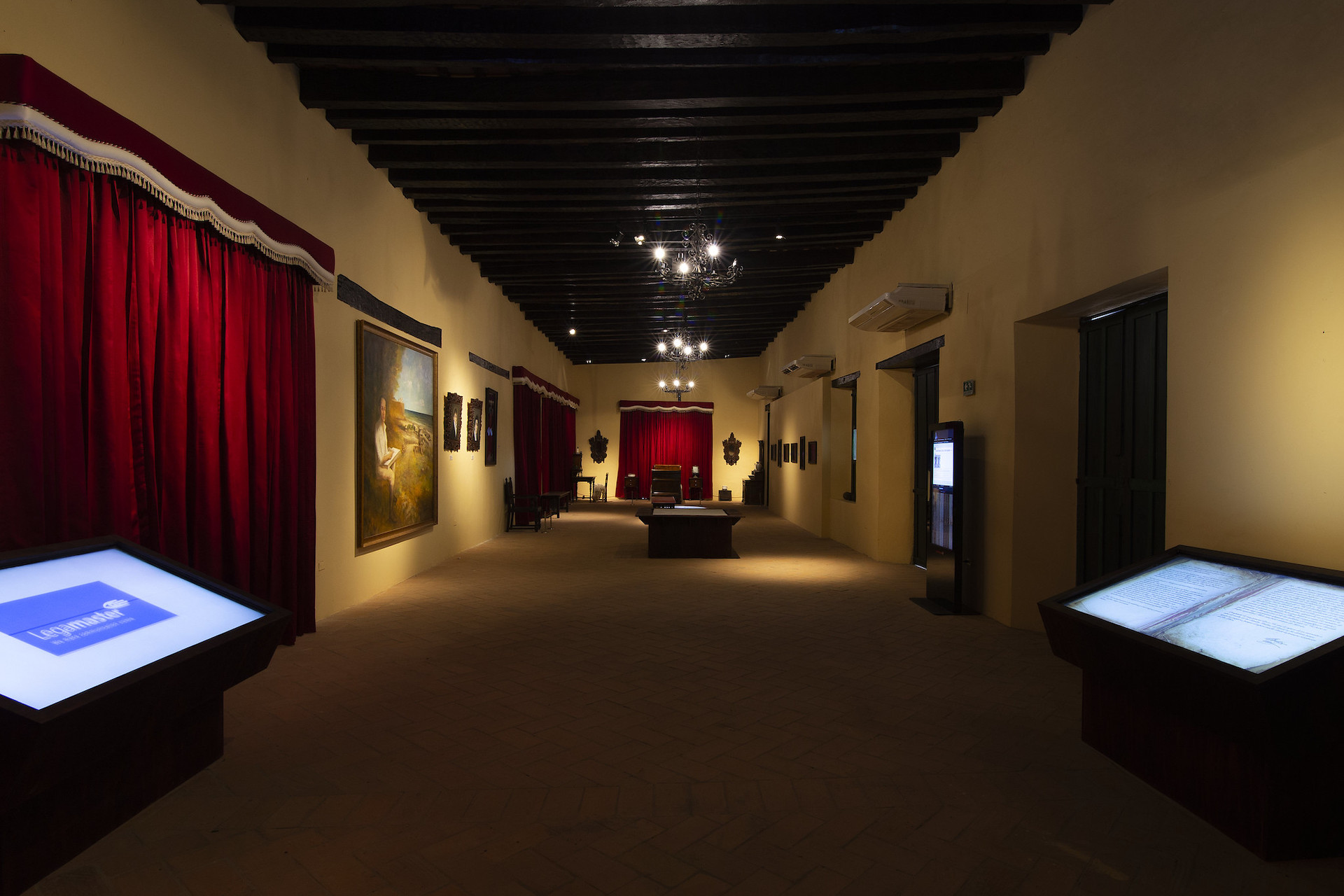
The Renaissance of the Bolivarian Museum of Soledad: Technology and Tradition Intertwined
Table of contents