Table of contents
In the world of AV design, lighting isn’t just a background player; it’s a star performer. It shapes experiences, sets moods, and creates the magic that can turn an ordinary space into an extraordinary one.
At Schaller Design Lab, we understand the transformative power of lighting. Whether it’s a conference room that needs to inspire or a theater that must enchant, we’ve got the expertise to illuminate your vision.
If you’re grappling with the complexities of integrating lighting into your AV projects, don’t hesitate to reach out. We’re here to help you design, consult, and find the perfect solutions, no matter where you are in the world.
Importance of Lighting in AV Design
Enhancing Visual Experience
In the area of audiovisual (AV) design, lighting acts as the brush that paints our sensory experiences with vivid colors. The visual experience is paramount in AV design, as it greatly impacts the audience’s perception and engagement. High-quality lighting can emphasize important elements, direct viewers’ attention, and even increase the clarity and resolution of video content. Lighting does more than just illuminate; it shapes the way we interpret and react to the visuals before us. During live events, strategic lighting design ensures that every moment is captured with the right intensity and angle, creating a live feed that is both appealing and dynamic. Similarly, in a theatrical performance, lighting design is critical in bringing scenes to life, providing depth to settings, and guiding the audience’s focus to the central action. The skillful manipulation of brightness and color temperature offers endless possibilities for enhancing the visual narrative.
Setting the Mood
Lighting is an indispensable tool for setting the mood and altering the ambiance of a space. It’s fascinating how different lighting colors and intensities can evoke various emotional responses from an audience. The mood can shift dramatically from one scene to the next, with the help of a well-designed lighting scheme. For example, warm lighting often creates a cozy and inviting environment, while cooler lights can instill a sense of alertness or serenity.
For AV design, understanding the psychological impact of lighting is crucial. Whether we’re creating an exhilarating concert atmosphere or a subdued environment for a corporate presentation, the lighting sets the underlying tone. This profound effect on the audience’s emotions and energy levels is what makes lighting an art form in itself. It’s not just about seeing the action; it’s about feeling a part of it.
Through careful planning and innovative design, we can use lighting to boost the emotional impact of any AV presentation. With the power to build tension, signal transition, and underscore key moments, lighting remains an incredibly versatile component of effective AV design.
Types of Lighting in AV Design
Ambient Lighting
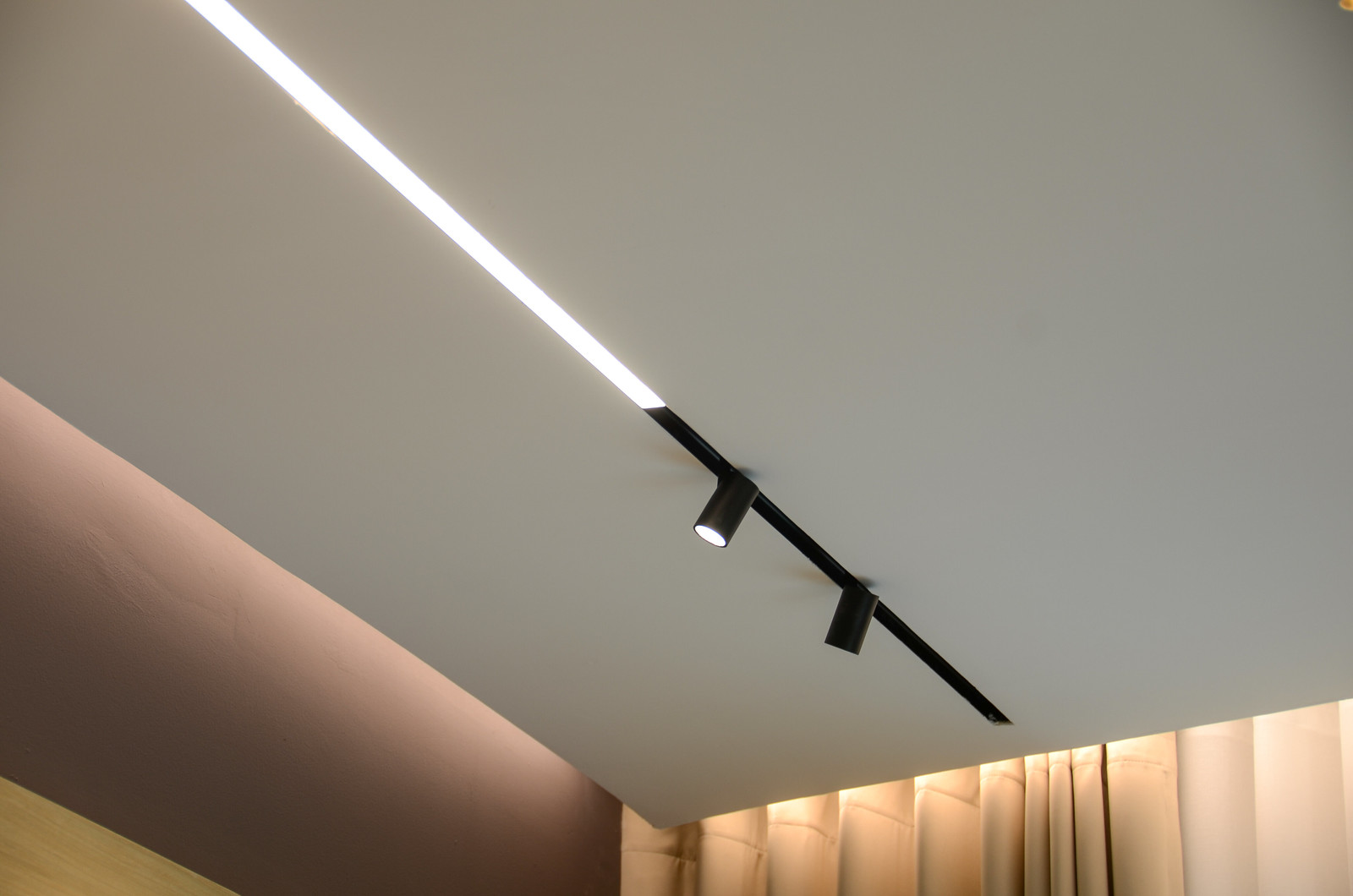
A sleek interior showcasing a modern lighting setup, with a focus on a bright, linear light that casts a strong white glow, accentuating the contrast between the ceiling and the wall.
When we discuss ambient lighting in AV design, we’re referring to the general illumination within a space. Ambient lighting provides a consistent level of light, often used as the baseline upon which additional lighting schemes are built. It’s crucial for ensuring that audiences aren’t straining their eyes, which can lead to discomfort and distraction. In an AV context, this form of lighting is typically soft and diffused so as not to create harsh shadows or glare that might interfere with the visibility of screens or displays.
Task Lighting
Task lighting, on the other hand, is all about functionality. Designed to illuminate specific work areas, it enhances visibility for tasks that require focus and attention to detail. In AV design, task lighting serves as a critical feature for control panels, workstations, and reading areas. It needs to be bright enough to prevent eye strain but must be strategically placed to avoid reflective glare on screens. The precise placement and intensity of task lighting ensure that every component of the AV setup is clearly visible, enabling optimal operation and interaction.
Accent Lighting
Finally, we explore accent lighting, the dramatic flair of the AV design world. Accent lighting is used to highlight key architectural features, artwork, or important elements within the space. In AV settings, it can be employed to draw attention to speakers, podiums, or exhibition pieces. This targeted illumination not only enhances the aesthetic value of a space but can also guide an audience’s focus, reinforcing the importance of featured content. Through smart use of accent lighting, critical aspects of the presentation are given prominence, thereby elevating the overall impact of the AV experience.
Factors to Consider when Designing AV Lighting
Color Temperature
When we investigate into color temperature, it’s essential to understand its impact on mood and perception in AV design. Color temperature is measured in Kelvin (K) and refers to how warm or cool the light appears. Lights with lower Kelvin values give off a redder, warmer glow, typically around 2700K to 3000K, setting a relaxed and intimate atmosphere. In contrast, higher Kelvin values, like 5000K or above, emit a blue, cooler light, mimicking daylight, which is ideal for concentration and alertness. Selecting the right color temperature is pivotal for ensuring the intended emotional response is elicited from the audience.
Lighting Intensity
The intensity of lighting, or illumination level, is another critical aspect. Measured in lumens, it’s directly linked to how well we can see and interact with the environment. Too dim, and we risk eye strain; too bright, and we experience glare. For balanced AV design, we must tailor the lighting intensity to the function of the space. An auditorium may require a higher intensity to focus attention on the speaker, while a gallery might opt for softer illumination to create an inviting space without overpowering the showcased artwork.
Direction of Lighting
Finally, the direction of lighting plays an influential role in visibility and focus. Proper light placement can cast shadows, create depth, and accentuate textures. Directional lighting could be from overhead, sidelight, backlight, or front light, each with its unique influence on perception. Overhead lighting is common for general illumination, while sidelighting emphasizes texture and depth. Backlight can create a sharp silhouette or highlight from behind, and front light is often used to illuminate a subject directly to reduce shadows. We must strategically position lights to shape the environment and achieve the desired visual effect within the AV design.
Best Practices for Lighting in AV Design
Using Dimmers
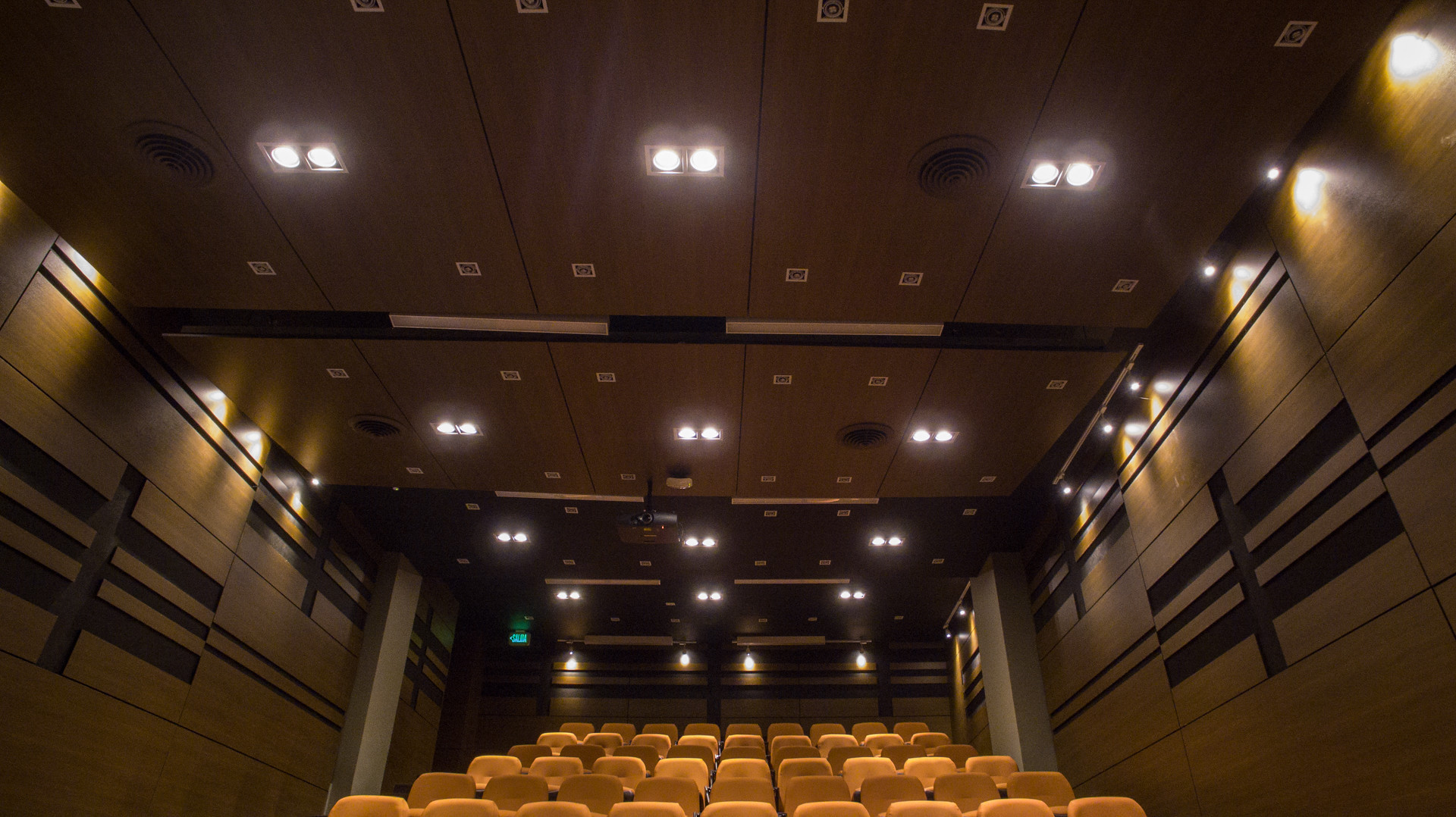
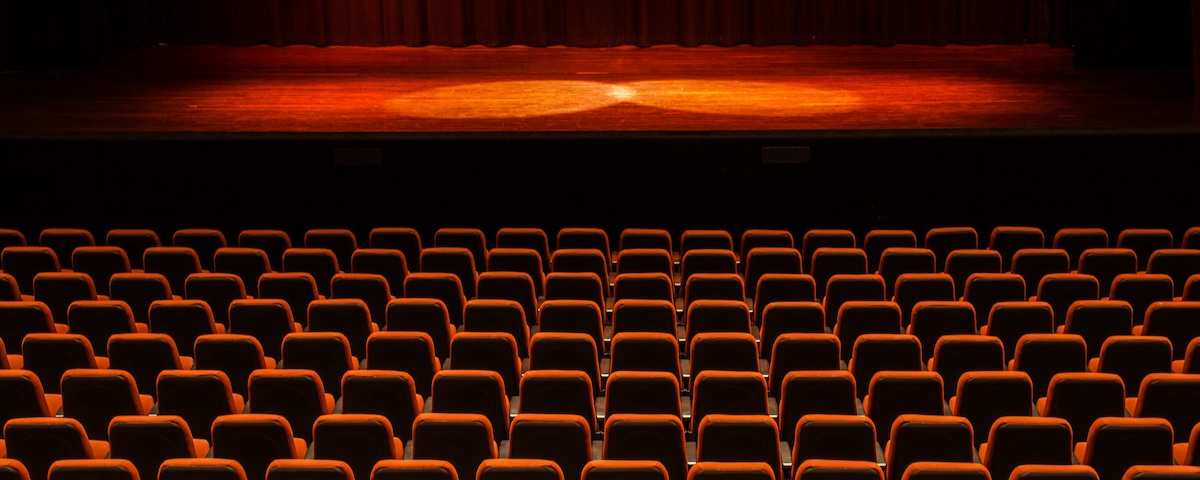
A modern, well-lit theater showcasing rows of empty orange seats, dark wooden walls, and a generously illuminated ceiling, ready for the audience.
We can’t overstate the impact dimmers have on an AV environment. By giving us the power to adjust light levels, dimmers allow us to adapt to various tasks and atmospheres. In boardrooms, for instance, we can dim the lights for presentations and enhance them for discussions. Research shows that dimming lights can reduce energy consumption by up to 20%, and when used with LEDs, this value can climb even higher. The precise control over intensity also lets us avoid the common issue of glare on screens, making dimmers not just a design choice but a practical element in AV design.
Creating Layers of Light
Layering light creates a dynamic environment that caters to different functions within a space. We look at three primary layers:
- Ambient lighting: Provides overall illumination and sets the base layer.
- Task lighting: Focuses on areas where specific tasks occur.
- Accent lighting: Highlights architectural features or important objects.
By integrating these layers, we ensure that every corner of the space is functional. This blending of light sources works wonders for both aesthetics and utility, as it provides versatility for any event or function taking place. Not to mention, layered lighting can make a room feel more spacious, which can be crucial in tight AV design spaces.
Proper Placement of Light Fixtures
The placement of light fixtures is crucial in eliminating shadows and reducing eye strain. In AV design, proper placement is non-negotiable. We consider the type of activity and the optimal angle of illumination for each fixture. Here are a few guidelines we follow:
- Indirect lighting: Best for reducing glare and creating a uniform light level.
- Direct lighting: Ideal for task areas but requires careful placement to avoid harsh shadows.
- Wall sconces: Contribute to ambient light and can add depth to a room when used correctly.
Each placement strategy ensures that light is not only balanced but also positively contributes to the space’s overall function. For example, when lighting a conference room, the main light source should come from above the seating area, but not directly overhead to prevent discomfort. Task lighting, on the other hand, should aim directly at the workspace while minimizing spill to adjacent areas.
Conclusion
We’ve seen how lighting plays a pivotal role in AV design, from setting the mood to enhancing functionality. By incorporating dimmers, layering light, and strategically placing fixtures, we can create an environment that’s both inviting and efficient. Remember, the right lighting setup can transform any space into a dynamic visual and auditory experience. Let’s put these insights into action and elevate our AV designs to new heights.
Frequently Asked Questions
What is the importance of lighting in AV design?
Lighting is crucial in AV design as it enhances the visual experience and sets the mood, making it key for creating the desired impact on the audience.
What are the three types of lighting mentioned in AV design?
The three types of lighting in AV design are ambient lighting, task lighting, and accent lighting, each serving a different purpose to optimize the viewing experience.
How can dimmers benefit AV lighting design?
Dimmers allow for adjustable light levels, which can reduce energy consumption and enable precise control over the lighting atmosphere in a room.
Why is creating layers of light important in AV design?
Creating layers of light caters to various functions within a space, ensuring lighting is both functional and aesthetically pleasing, while also enhancing the overall ambiance.
What is the significance of proper light fixture placement in AV design?
Proper placement of light fixtures is important to eliminate shadows, reduce eye strain, and improve the overall effectiveness of the lighting in coordination with AV elements.
Our Portfolio
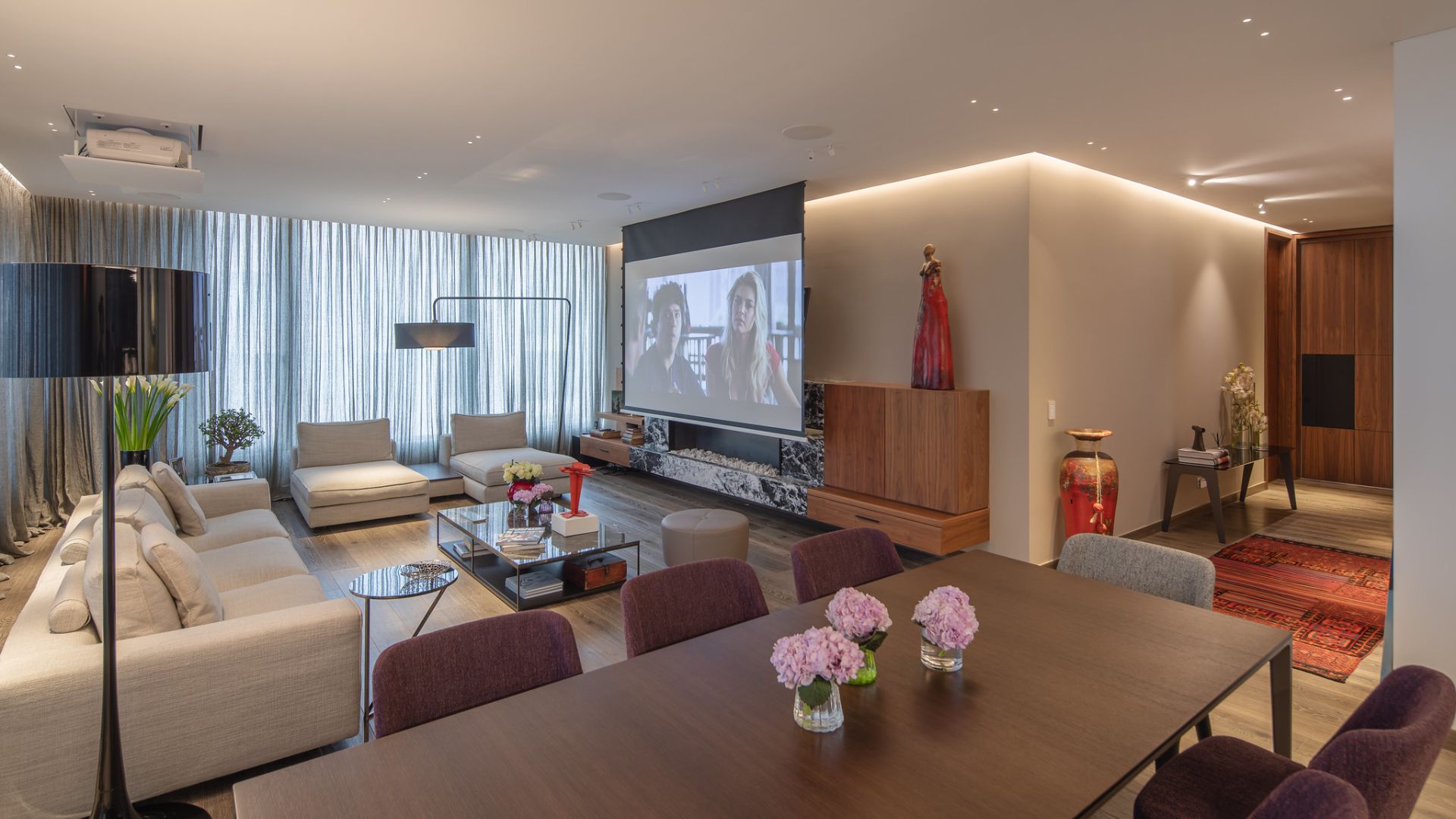
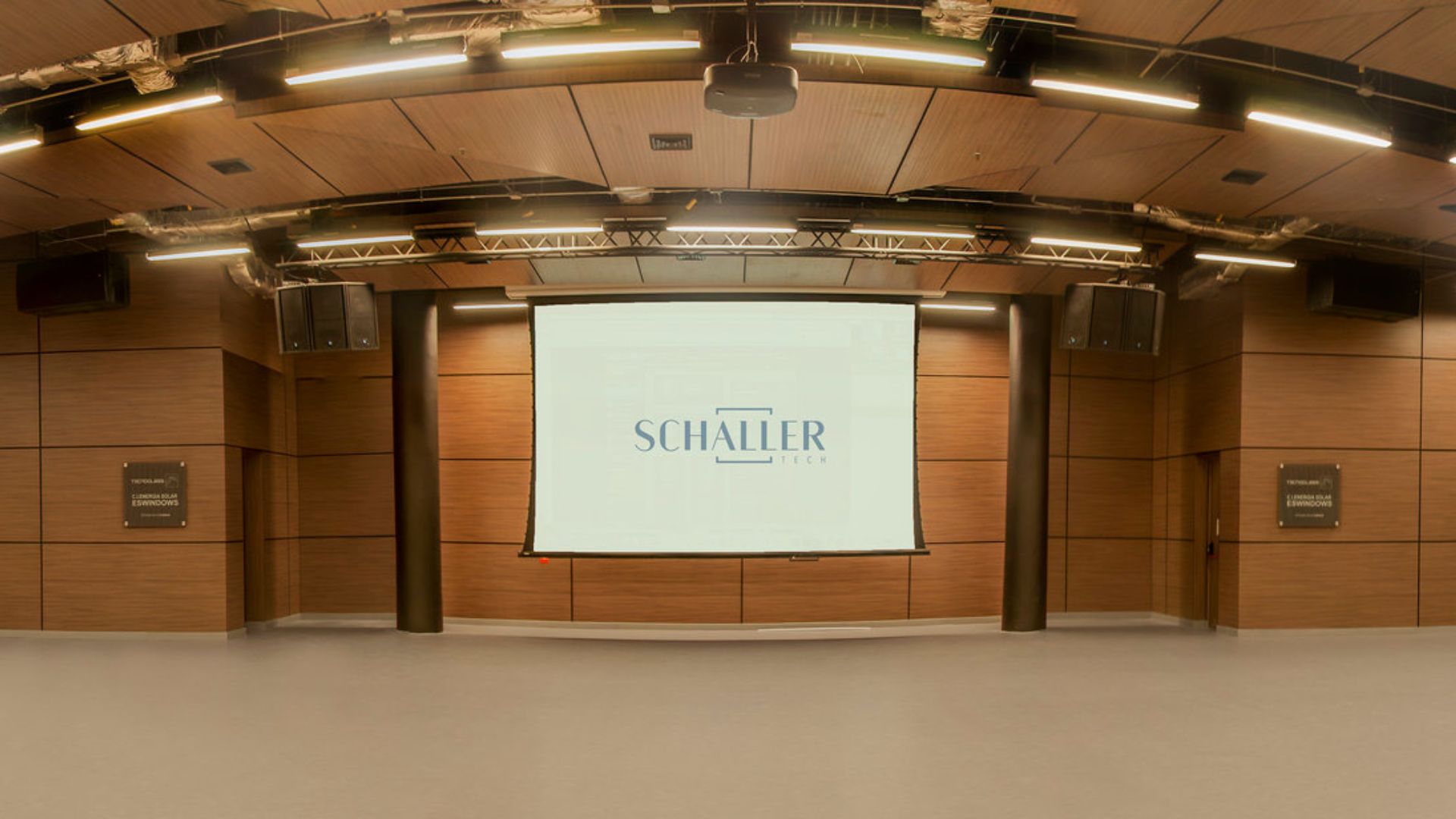

Apartment in Barranquilla: Home Automation and Lighting

How Schallertech Transformed the Atlantic Museum into an Interactive Adventure
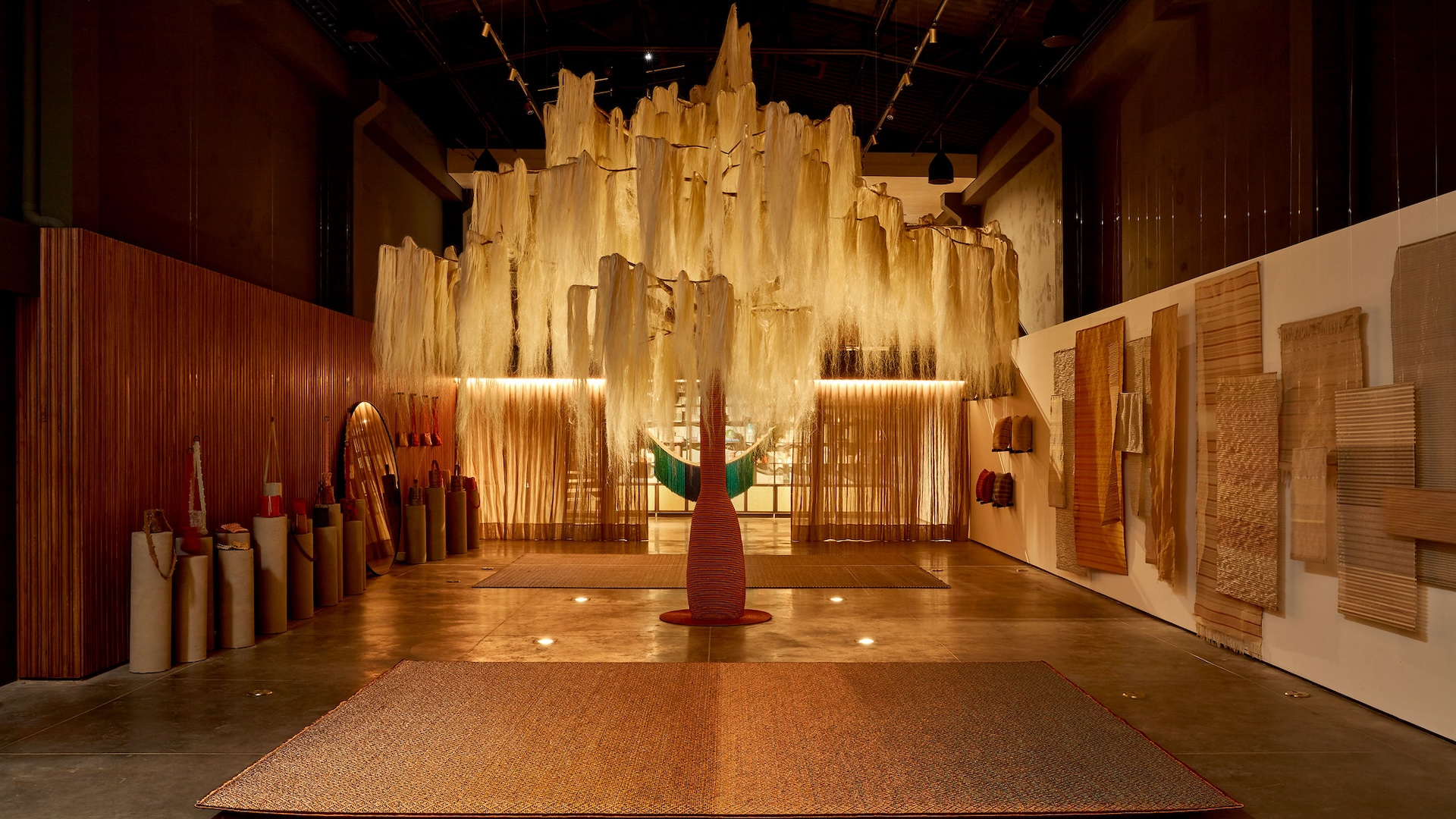
Innovation in Commercial Lighting: The Magic Behind the Verdi Project
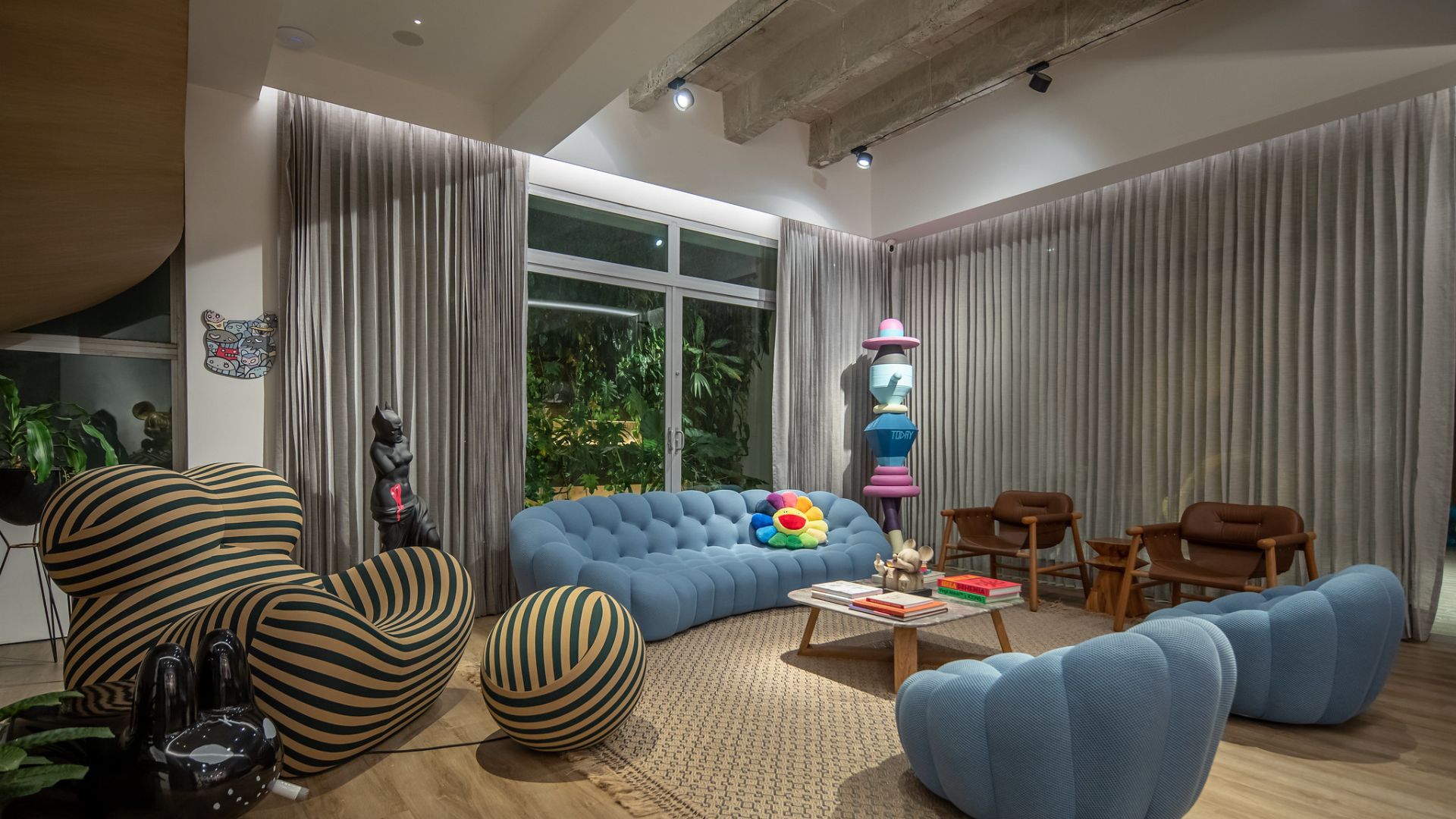
CM: When Technology Meets Creativity
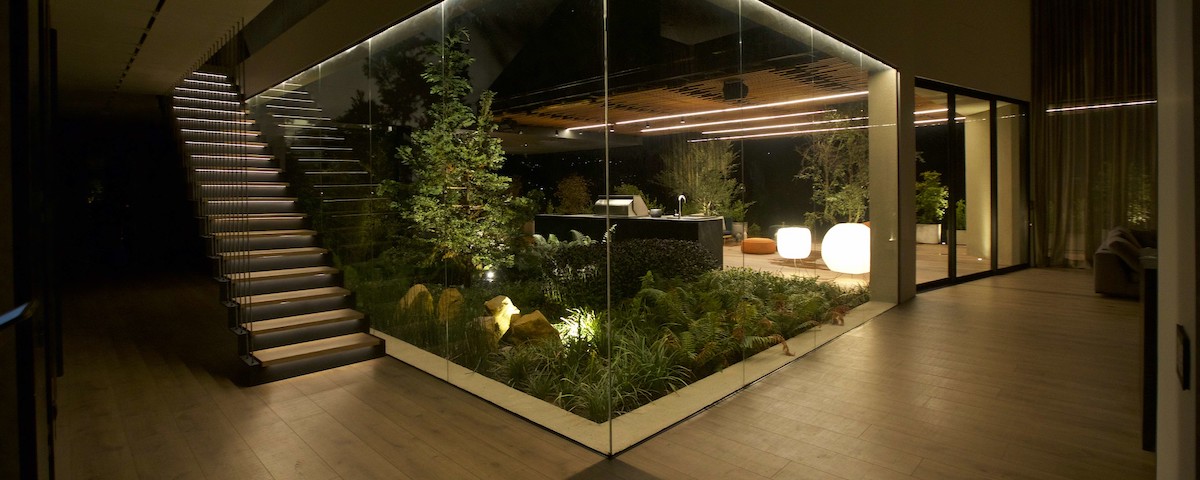
Lighting that Inspires: An Exceptional Design Project

SB Apartment – Lighting Redesign

Universidad del Atlantico Theater: A Legacy of Technological and Cultural Innovation
Table of contents