Table of contents
- Importance of Stage Lighting Design in Performing Arts Centers
- Elements of Stage Lighting Design
- Technical Considerations in Stage Lighting Design
- Designing Lighting for Different Types of Performances
- Collaboration and Communication in Stage Lighting Design
- Innovations and Trends in Stage Lighting Design
- Conclusion
- Frequently Asked Questions
Stage lighting design is the unsung hero of performing arts, transforming a good show into an unforgettable experience. It’s where technology meets creativity, and at Schaller Design Lab, we’re masters of this craft.
We understand that every performing arts center has a unique story, and our lighting designs aim to tell it brilliantly. Whether you’re looking to dazzle audiences or create intimate atmospheres, we’ve got the expertise to elevate your productions.
If you’re ready to make your performances shine, let’s talk. We work with projects worldwide, offering top-notch design, consulting, and state-of-the-art equipment. With Schaller Design Lab, your stage lighting will be in the spotlight.
Importance of Stage Lighting Design in Performing Arts Centers
When we walk into a performing arts center, it’s not just the actors or musicians that capture our attention. The art of stage lighting plays a pivotal role in creating the ambiance and mood necessary to transport audiences through various emotional landscapes. Without the careful choreography of lights, the story on stage can fall flat, no matter how powerful the performance.
Stage lighting design doesn’t only serve the aesthetic appeal; it’s essential for the practical visibility of performers. Properly lit spaces allow performers to navigate the stage safely while ensuring that every gesture and expression is visible, even to those in the back rows. Lighting designers often work hand-in-hand with directors and performers to synchronize lighting cues with stage action, highlighting key moments that drive the narrative forward.
Lighting can manipulate perception in striking ways. Through the strategic use of color, intensity, and movement, lighting designers can signify time of day, change of location, or a shift in mood. Here are some key elements that underline the importance of lighting design:
- Visibility: Ensuring that actors and set pieces are clearly seen by the audience.
- Focus: Directing the audience’s attention to where it’s needed on stage.
- Mood: Conveying the emotional tone of a scene through color and intensity.
- Shape and Texture: Adding depth and dimension to physical scenery.
- Rhythm and Pace: Matching the tempo of scenes with lighting transitions.
At Schaller Design Lab, we understand that stage lighting is not just about the technicalities; it’s about understanding the heartbeat of a performance and ensuring that heartbeat is felt by every audience member. We’ve honed our craft to elevate performances into immersive experiences that linger in the audience’s minds long after the curtain call.
With that said, the technical prowess of stage lighting cannot be understated. The equipment used must not only be top-of-the-line but also versatile enough to adapt to different genres and performance styles. It’s a complex symphony of technology and creativity, and when done right, it’s a silent character that plays a vital role on stage.
Elements of Stage Lighting Design
Lighting Instruments
We recognize a variety of lighting instruments as the backbone of any stage design. These devices fall into categories like spotlights, which include profiles and Fresnels, and wash lights. Spotlights provide a focused beam of light essential in highlighting actors or set pieces. Fresnel lights offer a softer beam ideal for blending the edges and creating a smooth wash. Automated fixtures, often referred to as intelligent lighting, allow for dynamic changes during a performance with their pan, tilt, and color-mixing capabilities. Our toolkit wouldn’t be complete without LED technology, which brings energy efficiency alongside a broad color spectrum. ### Color and Intensity
The hue and brightness of lighting profoundly influence the audience’s experience. Color filters, or gels, transform white light into vibrant colors that elicit specific emotions or signify different times of day. Intensity, on the other hand, is about the light’s strength and helps in creating depth and focus on stage. Dimmers and lighting control consoles are our precision tools for adjusting these aspects. We harness the power of color theory to evoke the right atmosphere, from the calmness of soft blue to the urgency of fiery red.
Direction and Angle
We leverage direction and angle to sculpt the performers and sets, creating a three-dimensional appearance. Side lighting can bring out textures, while back lighting may create dramatic silhouettes and highlights. We use front lighting to ensure faces are visible and expressive. Each light’s position—for instance, downlighting from directly above or uplighting from the floor—plays a strategic role in shaping the visual story. Our expertise in manipulating shadows and highlights through direction and angle allows us to tell a richer, more dynamic story on stage.
Technical Considerations in Stage Lighting Design
Power and Electrical Requirements

A glimpse of modern stage lighting design where functionality meets aesthetics.
In the area of stage lighting design, understanding power and electrical requirements is paramount. Seamless performances hinge on the reliable distribution of electricity to an array of lighting instruments. We start by assessing the total electrical load of our lighting rig and ensure it doesn’t exceed the venue’s power capacity. That’s typically measured in watts or amperes. We meticulously plan the layout of circuits, not only to prevent overloads but also to adhere to safety standards. Our designs feature dedicated circuits for equipment with high power demands to mitigate any risk of electrical faults. Balancing loads across phases ensures efficiency, while keeping an eye on potential future expansions allows our setups to be both resilient and adaptable.
Control Systems
Control systems are the nerve center for any stage lighting setup. They provide us with the ability to modify lighting cues with precision and in real-time. We integrate sophisticated consoles that help complex lighting designs and allow for programmable scenes and effects. These systems range from simple manual controllers to advanced computerized networks that can control not just lighting but also video and sound. We ensure that every instrument is properly addressed and mapped in the system for flawless cue execution. Integration of DMX (Digital Multiplex) protocols or even wireless solutions enhances the versatility and allows for real-time adjustments. Also, backups are critical: we always have contingency plans in place to prevent show-stopping failures. ### Rigging and Trussing
Rigging and trussing provide the skeleton for our stage lighting designs. It’s not just about hanging lights; it’s about implementing a safe and practical infrastructure to support them. Every venue has its unique characteristics, and we adapt our truss designs accordingly. We address factors like weight distribution, load-bearing limits, and the ease of access for maintenance. Safety is never compromised; all rigging equipment, including clamps, hoists, and safety cables, undergo rigorous inspection. Our truss configurations enable flexibility in design, allowing lights to be placed at strategic angles for optimal coverage and effect. When planning the layout, we make sure every fixture is both accessible for technicians and positioned to fulfill its role in creating the desired ambiance.
Designing Lighting for Different Types of Performances
When it comes to stage lighting design, tailoring the approach to the type of performance is essential for creating the desired atmosphere and impact. Each genre has unique requirements that dictate how lighting is used to maximize the audience’s experience.
Music Concerts
For music concerts, dynamic lighting is key to amplifying the energy of the performance. We consider the genre of music and tailor our lighting design to complement the tempo, style, and mood of the band or artist. Rock concerts often benefit from intense, high-energy lighting with strobes and frequent color changes, whereas a classical music performance may call for more subtle and static lighting to match the sophistication of the music. Intelligent lighting systems are a must, as they allow us to sync light movements with the rhythm of the music, keeping the visuals as captivated as the tunes.
Theater Productions
Theater productions require a more nuanced approach to lighting. This is where storytelling with lights takes center stage. We pay close attention to the script and director’s vision to ensure our lighting design effectively sets the scene, enhances the mood, and focuses the audience’s attention where it’s needed most. The play’s era, setting and thematic elements influence our choice of color temperatures and angles, helping to transport the audience into the story’s world. A well-planned use of spotlights can highlight key moments or emotions, and shadow play may add depth and mystery to the narrative.
Dance Performances
Dance performances are all about movement and the human body, so our lighting design focuses on accentuating the fluidity and grace of the dancers. Side lighting is particularly effective in sculpting the dancers’ muscles and creating depth on stage. We also play with backlighting to create silhouettes and convey drama. Colors are chosen to reflect the mood and style of the dance piece, whether it’s a vibrant ballet or a somber contemporary number. Lighting transitions are smooth and flowing, mimicking the dancers’ own movements to ensure a cohesive sensory experience.
Collaboration and Communication in Stage Lighting Design
Working with Directors and Producers
As experts in lighting design, we understand the crux of our work often comes down to effective collaboration. Working with directors and producers is a dance of interpretation and execution. They convey the story they want to tell, and it’s up to us to translate those visions into tangible lighting concepts. We jump into their creative thought process, ensuring that every hint of light and shadow contributes to the narrative. In tight-knit collaboration, we align on the mood, pacing, and significant moments that need illumination – literally and figuratively. This partnership not only clarifies artistic direction but guarantees that the lighting remains an integral and coherent part of the storytelling.
Collaborating with Set and Costume Designers
The relationship between lighting and the physical space is as essential as the narrative itself. Set and costume designers create the world on stage, and our lighting design must complement and enhance their work. By collaborating closely, we ensure colors pop, textures come alive, and that the interplay of light and material serves the story’s best interest. This synergy is vital – it maintains visual consistency and creates a cohesive aesthetic experience. We exchange ideas, samples, and even swatches, calibrating our lighting to account for the reflective and absorptive properties of sets and costumes.
Communicating with Technical Crew
A solid rapport with the technical crew makes or breaks a lighting design’s success. These are the unsung heroes who carry out our designs, and clear communication is our shared language. Timeliness and precision define our interactions, as we relay detailed cues, adjustments, and effects that need execution. We provide the crew with meticulous documentation and diagrams that leave no room for ambiguity. In turn, they give us real-time feedback from the technical perspective, facilitating adjustments that often save time and enhance the performance. Our relationship with the technical team is a cornerstone of our work, ensuring our lighting designs function flawlessly during live performances.
Innovations and Trends in Stage Lighting Design
LED Lighting Technology

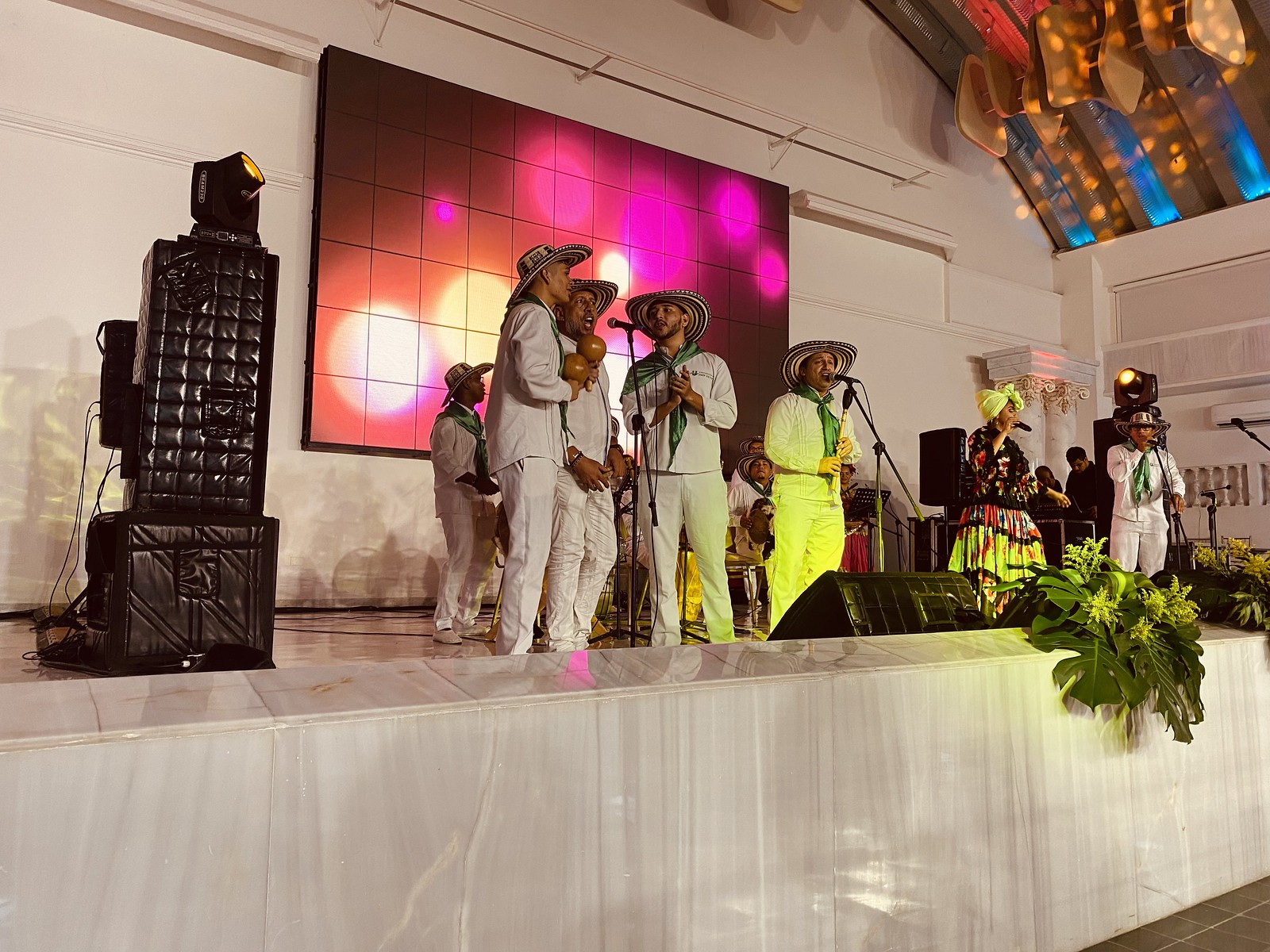
A group of performers illuminated under the bright, colorful lights on a modern stage.
The advent of LED lighting technology has revolutionized the stage lighting world. LEDs offer numerous advantages over traditional lighting methods with their low power consumption, minimal heat production, and extensive lifespan. These attributes not only reduce the operational costs but also contribute to environmental sustainability. Our experiences reveal that LEDs are incredibly versatile, capable of producing a wide spectrum of colors without the need for gels or filters. The high level of control over intensity and color temperature makes LEDs perfect for creating nuanced moods and atmospheres onstage.
| Advantages of LED Lighting | Details |
|---|---|
| Power Consumption | Significantly lower than traditional methods |
| Heat Production | Minimal, reducing cooling needs |
| Lifespan | Lasts longer, saving on replacement costs |
| Color Spectrum | Wide range, no need for gels/filters |
| Control | Precision in intensity and color |
Projection Mapping
Projection mapping is a dynamic trend that has taken stage design to new heights. This technology allows us to turn virtually any surface into a display, creating stunning visual landscapes that can transform the performance space. 3D video projections can wrap around objects, interact with performers, and shift the audience’s perspective. We’ve seen projection mapping used to astonishing effect, enveloping entire theaters in immersive scenes and augmenting the storytelling element of a performance.
| Projection Mapping Capabilities | Examples |
|---|---|
| Surface Versatility | Any surface can be a display |
| Interaction | Projections can interact with live performers |
| Immersive Experiences | Audiences are enveloped in visuals |
Interactive Lighting Design
Interactive lighting design is at the forefront of stage lighting innovation. This technique involves the use of sensors and real-time input to adapt the lighting to the actions and movements on stage. Audience Engagement levels soar as the lighting becomes a living part of the performance, responding to sound, movement, or even social media prompts. The result is a dynamic and responsive environment that blurs the line between the performer, the audience, and the technological spectacle.
| Interactive Elements | Impact |
|---|---|
| Sensor Technology | Allows real-time lighting adaptation |
| Audience Response | Lighting reacts to audience inputs |
| Performer Interaction | Lights respond to movements and sounds |
Conclusion
We’ve explored the intricate dance of light and shadow that transforms a stage into a world of its own. Tailoring our approach to each performance genre, we’ve illuminated the power of lighting in crafting atmospheres that captivate audiences. With the advent of LED technology, projection mapping, and interactive designs, we’re pushing boundaries and setting new standards in the performing arts. At Schaller Design Lab, we’re not just lighting a stage; we’re crafting experiences that resonate long after the final curtain falls. Our commitment to innovation and collaboration ensures that every performance is not only seen but truly felt.
Frequently Asked Questions
What are the key technical considerations in stage lighting design?
The key technical considerations include power and electrical requirements, control systems, and the rigging and trussing setup.
How does stage lighting vary between different types of performances?
Stage lighting must be tailored to create the appropriate atmosphere for music concerts, theater productions, and dance performances, with specific techniques and approaches for each genre.
What advantages does LED lighting offer in stage design?
LED lighting provides low power consumption, minimal heat production, and a broad color spectrum, making it a versatile choice for stage lighting.
How does projection mapping contribute to stage lighting design?
Projection mapping transforms surfaces into dynamic displays, creating immersive and visually captivating landscapes for the audience.
What is interactive lighting design, and how is it used on stage?
Interactive lighting design utilizes sensors and real-time input to alter lighting based on the actions and movements on stage, creating a dynamic and responsive environment.
Our Portfolio

Project KK: Where Art and Technology Converge

Casa PC: Design, Entertainment, and Technology

How Schallertech Transformed the Atlantic Museum into an Interactive Adventure
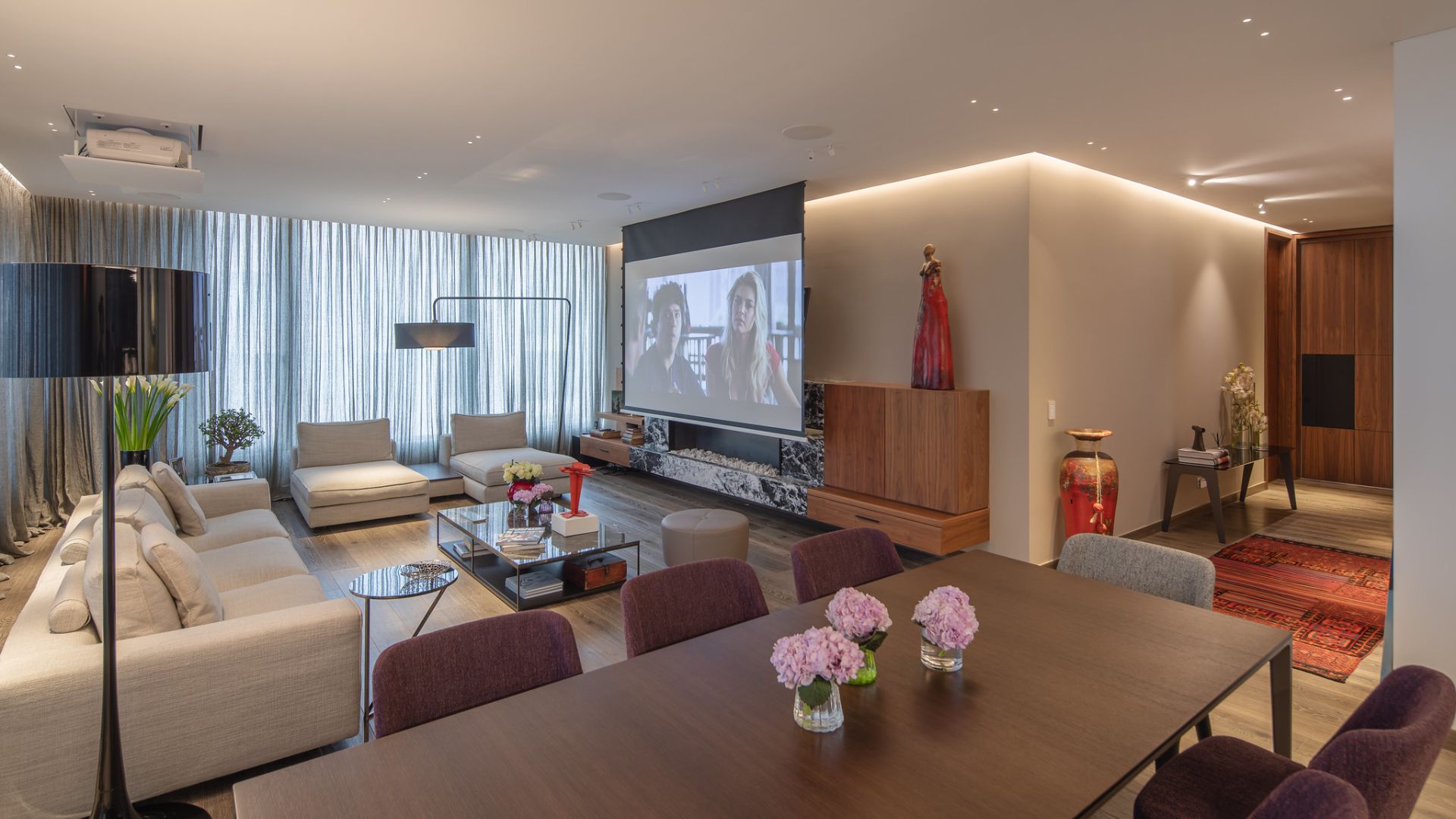


Apartment in Barranquilla: Home Automation and Lighting

Mutis Auditorium at Rosario University. The Greatest Acoustic Challenge We Have Faced.
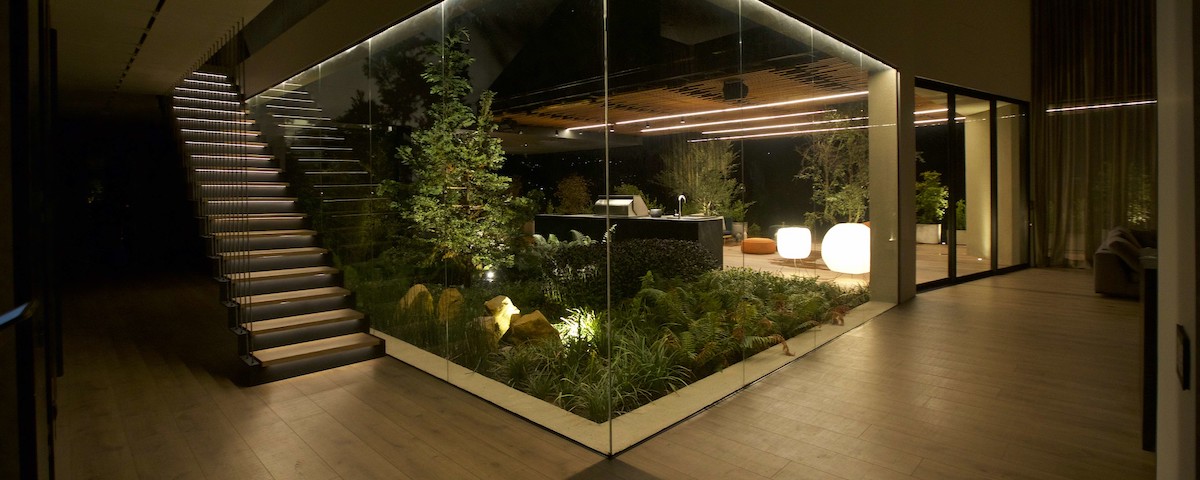
Lighting that Inspires: An Exceptional Design Project
Table of contents
- Importance of Stage Lighting Design in Performing Arts Centers
- Elements of Stage Lighting Design
- Technical Considerations in Stage Lighting Design
- Designing Lighting for Different Types of Performances
- Collaboration and Communication in Stage Lighting Design
- Innovations and Trends in Stage Lighting Design
- Conclusion
- Frequently Asked Questions