Table of contents
Key Takeaways
- Understanding Stage Lighting’s Functions: Stage lighting goes beyond mere visibility; it sets the mood, enhances the narrative, and directs audience focus through the manipulation of brightness, color, and texture.
- Innovations and Technology in Lighting: LED lights and moving head lights represent the forefront of stage lighting technology, offering efficiency, dynamic color capabilities, and versatility in creating engaging and memorable performances.
- Types of Stage Lighting: Key lighting types include floodlights for general ambiance, spotlights for focus and precision, PAR cans for versatility, and gobos for projecting patterns or textures, each contributing uniquely to a production’s atmospheric depth.
- Choosing the Right Lighting: Selection depends on several factors such as the size of the venue, the nature of the performance, budget considerations, technical requirements, and the importance of energy efficiency, underscoring the need for thoughtful planning and execution in lighting design.
- The Impact of Lighting on Stage Productions: Effective lighting is crucial for storytelling, capable of transforming a performance from simple to extraordinary by intricately weaving visuals that enhance both the aesthetic appeal and the audience’s emotional experience.
What is stage lighting?
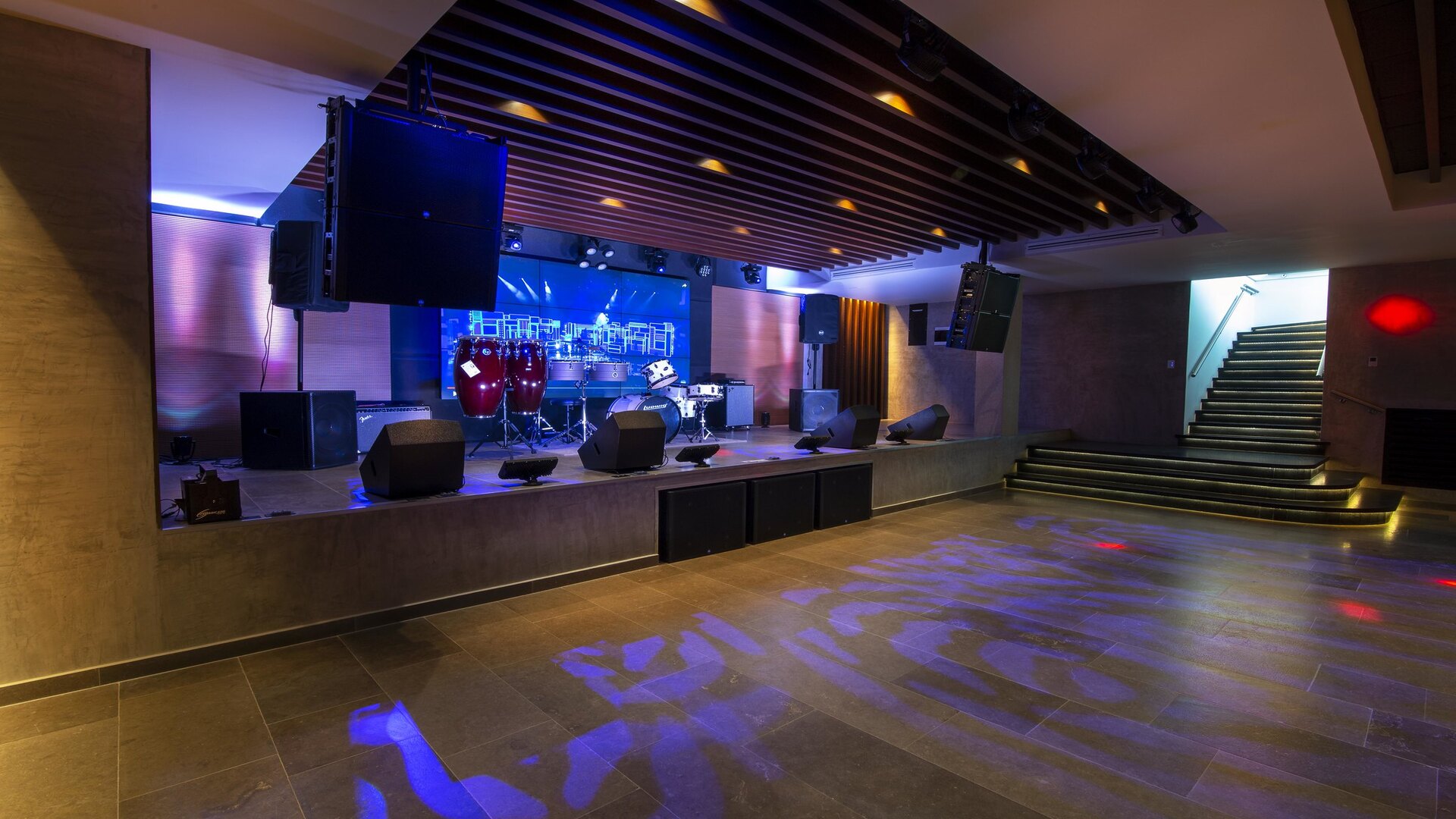
When we talk about stage lighting, we’re delving into the art and science of lighting as it applies to performances. This isn’t just about making sure the audience can see the actors. It’s about creating an atmosphere, shaping the audience’s focus, and enhancing the overall storytelling. It’s crucial for setting the mood, changing scenes seamlessly, and highlighting moments of importance.
Stage lighting serves several key functions, which include:
- Illumination: This is the basic, yet vital function of lighting. It ensures performers are visible but goes beyond mere visibility to enhancing texture, depth, and dimension on stage.
- Mood and Atmosphere: Lighting is indispensable in summoning the right emotions. A warm, soft glow might convey a serene, intimate setting, while harsh, cold lights can create a feeling of discomfort or unease.
- Focus and Direction: Through selective brightness and color, lighting guides the audience’s attention to where it’s most needed. This can be crucial in large productions where multiple actions occur simultaneously.
- Visibility: Ensuring visibility of the performers isn’t just about brightness; it involves the careful control of contrasts and shadows, too.
- Aesthetic Enhancement: The aesthetic appeal of a stage show can be dramatically improved with the right lighting design, adding beauty and spectacle to the performance.
Modern stage lighting involves a blend of traditional techniques and cutting-edge technology. The equipment range for achieving desired lighting effects is broad and varied. From spotlights that pinpoint a moment of importance to wash lights that bathe the stage in color, the options are extensive. LED technology has become a game-changer in this space, offering vibrant colors, efficiency, and adaptability that traditional lighting can’t match.
At its core, effective stage lighting is about storytelling. Each lighting choice, from the direction and color to intensity and movement, serves as a narrative tool. Whether it’s a subtle shift in color temperature to indicate a change in time or a dramatic spotlight to highlight a critical moment, lighting adds depth and dimension to the narrative.
Understanding the essential role of lighting is just the beginning. Our exploration into the types of stage lighting will uncover the specific techniques and equipment that bring performances to life. With the right knowledge and tools, any production can transform from a simple presentation to an immersive experience that captivates and enthralls.
The importance of stage lighting
When we talk about the allure and success of stage productions, we can’t overlook the pivotal role played by stage lighting. It’s not merely a tool for visibility; it’s an art form that breathes life into performances, transforming the mundane into the magical. Through our exploration, we’ve identified that stage lighting serves as the backbone of theatrical expression, influencing mood, enhancing storytelling, and guiding the audience’s focus.
Visibility is the most basic function of lighting, yet it’s crucial. Without proper lighting, even the most meticulously designed sets and costumes lose their impact. But when we dive deeper, we realize lighting does more than just illuminate; it shapes the narrative. By adjusting brightness, color, and contrast, lighting designers can evoke specific emotions, from the warmth of a sunrise to the chill of a moonlit night.
Mood and Atmosphere come next. Think of lighting as the visual music of the stage, underscoring each scene’s emotional tone. It’s fascinating how a subtle shift in lighting can turn a joyful scene melancholic, illustrating the power of lighting in storytelling. Our research has shown that audiences are more engaged when lighting dynamically reflects the narrative’s ebb and flow.
Focus and Direction are also crucial. With strategic lighting, we can direct the audience’s attention to where the story’s heart lies at any moment. Whether it’s spotlighting a soliloquy or darkening for a dramatic pause, lighting cues are integral to the pacing and focus of the performance.
Finally, Aesthetic Enhancement. Stage lighting adds depth and dimension to scenes, making two-dimensional stages feel like fully realized worlds. With techniques such as backlighting and side lighting, designers can sculpt actors’ appearances and the set, creating visuals that linger in the audience’s memory long after the curtain falls.
Through our ongoing investigation, we’ve learned that successful stage lighting is a symphony of technology, creativity, and precise execution. Each choice, from the type of light to its placement and color, is a deliberate stroke in the painting of a scene, indispensable in bringing the director’s vision to life.
Types of stage lighting

Theater Stage lights
When we jump into the world of stage lighting, it’s clear that the options and variations are vast. Each type of lighting plays a pivotal role in creating the perfect scene, enhancing the atmosphere, and bringing characters to life. Let’s explore the most commonly used types of stage lighting and their unique contributions to the world of theater and performance.
Floodlights
Floodlights are the workhorses of stage lighting, providing even, wide-ranging light over a large area. Their main job? To ensure that no corner of the stage remains in darkness, offering a baseline level of visibility. Ideal for lighting up backdrops or creating general ambiance, floodlights are indispensable in setting the scene before any specialized lighting comes into play.
Spotlights
Spotlights, in contrast, offer precision and focus. They’re the spotlight detectives of the stage, pinpointing actors or specific stage areas, and following movement with unerring accuracy. From the controlled beam of a followspot to the soft edge of a Fresnel, spotlights add depth and dimension, highlighting critical moments or emotions within a performance.
PAR Cans
PAR cans, or Parabolic Aluminized Reflectors, are the utilitarian soldiers of stage lighting, known for their versatility and reliability. These fixtures produce a wash of light that can be easily shaped and directed, making them perfect for both general illumination and accent lighting. With their rugged design, PAR cans are a go-to choice for touring productions and outdoor events.
Moving Head Lights
Moving head lights are the chameleons of stage lighting, capable of changing colors, patterns, and directions on the fly. They bring dynamic energy to performances, with the ability to sweep across the stage or audience in synchronized patterns. Ideal for concerts and high-energy theater productions, moving head lights add an element of surprise and visual excitement.
LED Lights
LED lights have revolutionized stage lighting with their energy efficiency, low heat output, and vibrant color capabilities. These lights can replicate almost any color on the spectrum, allowing designers unparalleled creativity in their lighting schemes. Also, LED fixtures are versatile, serving as spotlights, wash lights, or even as part of interactive installations.
Gobos
Gobos are essentially stencils for light, allowing designers to project patterns, shapes, or textures onto the stage or backdrop. From creating a forest scene with the shadow of leaves to projecting intricate designs for a dramatic effect, gobos add a layer of visual storytelling that can transform a scene with light alone.
Color Filters
Color filters are simple yet powerful tools in stage lighting. By altering the hue of the light, they can change the mood of a scene, signal a time of day, or enhance the thematic elements of a production. Whether it’s the warm glow of a sunset or the cool blue of a moonlit night, color filters play a crucial role in emotional and visual storytelling.
Strobe Lights
Strobe lights offer intense, rapid flashes of light, adding energy and tension to a scene or musical number. Often used to simulate lightning or add dramatic effect to rapid sequences, strobes are a dynamic tool that can elevate the visual impact of a performance. Though powerful, they’re used sparingly to preserve their dramatic impact.
Blacklights
Blacklights bring the unseen to life, illuminating fluorescent materials while leaving the surrounding area in darkness. They’re perfect for creating magical or supernatural effects on stage, transforming an ordinary scene into something otherworldly. From highlighting costumes to revealing hidden messages, blacklights add an element of mystery and excitement to any production.
As we navigate through the complexities of stage lighting, it’s clear that each type offers unique advantages and possibilities. From the broad wash of floodlights to the intricate patterns made possible with gobos, understanding these tools is crucial for anyone looking to master the art and science of lighting design.
Factors to consider when choosing stage lighting
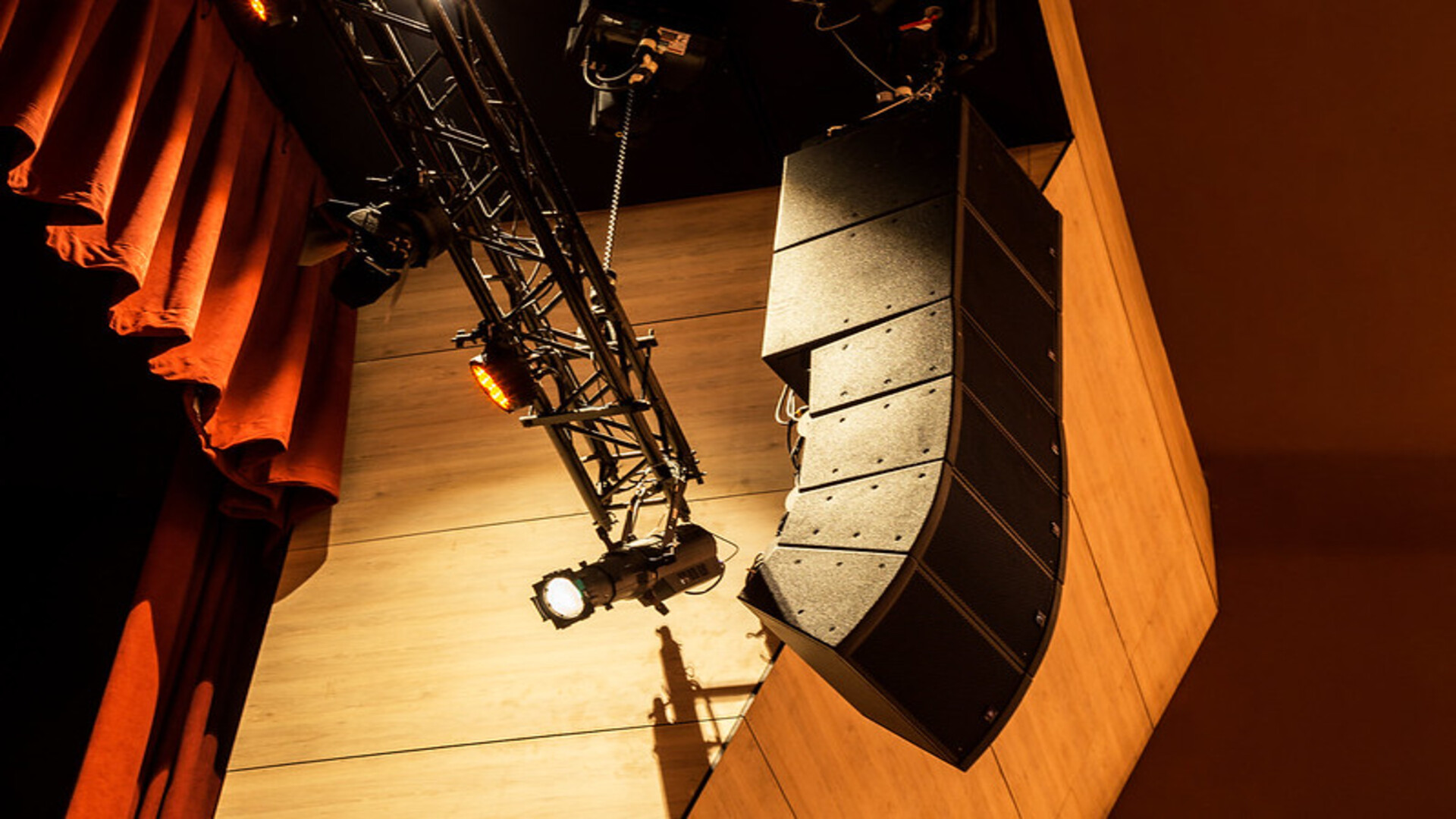
When diving into the complex world of stage lighting, it’s crucial to make informed decisions. Various elements must come into play to ensure that the lighting not only complements the performance but also maximizes functionality and efficiency. Let’s break down the key factors that need consideration.
Venue Size
The size of the venue dictates a significant portion of our lighting decisions. Larger venues demand powerful fixtures capable of throwing light long distances without losing intensity. In contrast, smaller spaces benefit from more compact, less intense lighting solutions that can create intimacy without overwhelming the area. The goal is to achieve balanced coverage that ensures visibility everywhere from the front row to the back, without leaving any dark spots.
Performance Type
The nature of the performance plays a pivotal role in choosing the right type of lighting. For dramatic plays, subtle lighting that can shift the mood and direct focus is essential. Musicals and dance performances, but, often call for more dynamic, colorful, and versatile lighting setups capable of keeping up with rapid action and changes in tone. Understanding the performance’s demands helps us select lights that can enhance storytelling and audience engagement.
Budget
Budgeting for stage lighting involves more than just upfront costs. It’s about finding the optimal balance between price, performance, and longevity. Investing in high-quality, durable lighting fixtures can lead to lower maintenance costs and less frequent replacements over time. We always aim to maximize the value of our investment by choosing the best available options within our budget.
Technical Requirements
Technical considerations form the backbone of any stage lighting setup. This includes compatibility with existing systems, ease of installation, and flexibility in control. Modern lighting designs often incorporate advanced features such as wireless control and programmable effects, which require technical aptitude to manage effectively. We assess our technical capacity to ensure that we’re not only keeping up with advancements but also capable of executing complex lighting arrangements flawlessly.
Energy Efficiency
In today’s world, energy efficiency isn’t just a buzzword; it’s a necessary criterion for choosing stage lighting. LED lights stand out as the front runners in this domain, offering significant savings on energy bills and reducing heat output compared to traditional lighting solutions. By prioritizing energy efficiency, we’re not only cutting costs but also contributing to environmental sustainability.
With these factors in mind, we navigate the intricate world of stage lighting, ensuring that our choices enhance performances, engage audiences, and uphold our commitment to quality and sustainability.
Get in Touch
We’ve journeyed through the transformative power of stage lighting, from its role in visibility and atmosphere to its impact on storytelling and audience engagement. It’s clear that the right lighting setup can elevate any performance, marrying technology with creativity to breathtaking effect. Whether you’re drawn to the dramatic flair of spotlights, the subtle mood-setting of LED lights, or the dynamic versatility of moving head lights, there’s a lighting solution that fits every vision and venue. Remember, the choice of lighting should always align with your performance’s needs, taking into account factors like venue size and energy efficiency. We’re here to guide you through this dazzling world, helping you make choices that not only enhance your production but also push the boundaries of what’s possible on stage. Let’s illuminate the path to your next unforgettable performance together.
Frequently Asked Questions
What is the main purpose of stage lighting?
Stage lighting serves several key purposes, including enhancing visibility, creating an atmosphere, shaping the audience’s focus, and enhancing storytelling. Its main goal is to support the overall production by adding depth and dimension to performances.
How does stage lighting influence mood and atmosphere?
Stage lighting plays a crucial role in setting the mood and atmosphere of a performance. Through the use of colors, intensities, and angles, lighting can evoke specific emotions and set the tone for scenes, thereby enhancing the audience’s experience.
What are the key functions of stage lighting?
The key functions of stage lighting include illumination for visibility, mood and atmosphere creation, directing audience focus, and aesthetic enhancement. These functions work together to support the narrative and visual impact of a production.
What types of stage lighting are commonly used?
Common types of stage lighting include floodlights, spotlights, PAR cans, moving head lights, LED lights, gobos, color filters, strobe lights, and blacklights. Each type offers unique benefits and is chosen based on the specific needs of the performance.
How should one choose the appropriate stage lighting?
Choosing the appropriate stage lighting involves considering factors such as the venue size, the type of performance, budget constraints, technical requirements, and energy efficiency. These considerations ensure the lighting supports the performance effectively while being cost and energy-efficient.
Why is understanding different types of stage lighting important?
Understanding the different types of stage lighting is crucial for anyone looking to master lighting design. It allows designers to make informed choices that enhance the storytelling, mood, and overall visual impact of a performance, ensuring a memorable experience for the audience.
Our Portfolio

Casa PC: Design, Entertainment, and Technology

Project KK: Where Art and Technology Converge
Innovation in Commercial Lighting: The Magic Behind the Verdi Project

R&R: A Journey of Design, Technology, and Passion

Residential Design Casa JC: Sophistication and Technology

Art and Light: Contemporary Design in the SB Apartment

Table of contents