Table of contents
At Schaller Design Lab, we understand that church acoustics play a pivotal role in enhancing worship experiences. It’s not just about hearing the sermon; it’s about feeling the power of every hymn and prayer.
We’re here to dive into the intricacies of sound in sacred spaces, exploring how architecture and design can elevate the spiritual journey. Stick with us as we unveil the secrets to achieving divine sound quality that resonates with every soul in the pews.
Importance of Acoustic Design in Churches
Enhancing the Worship Experience
At Design Lab, we understand that acoustic design is critical in crafting a worship space that allows every congregant to feel fully immersed in the spiritual experience. The right acoustics can enhance the worship experience by allowing the natural blend of voices and musical instruments to uplift spirits and foster a sense of community.
We focus on creating a harmonious balance, ensuring that from the first note of the organ to the last amen, every sound is clear and resonant. Our approach to acoustic design takes into account the unique characteristics of each church, tailoring solutions that cater to the needs of the worship community.
This strategic design is fundamental in transcending the ordinary, making the act of worship a more profound experience.
- Tailored acoustic solutions for each unique space
- Clarity and resonance of music and voice
- A harmonious blend of sound that enhances community spirit.
Clear Communication
For us at Design Lab, clear communication is paramount in church settings. Whether it’s a sermon, a reading, or communal prayer, clarity of sound conveys the message powerfully and without distraction. We’ve seen how poor acoustics can lead to misunderstandings, or worse, a disconnection from the service. That’s why we prioritize designing environments that enable every word spoken from the pulpit or stage to reach the ears of each congregant with unblemished clarity. Our expertise in sound isolation, reflective surfaces, and state-of-the-art audio technology transforms church acoustics into a conduit for clear, intelligible, and inspiring communication.
- Expertise in sound isolation and reflective surfaces
- Integration of advanced audio technology
- Unblemished clarity that strengthens the message’s impact
Factors Affecting Church Acoustics
Size and Shape of the Church
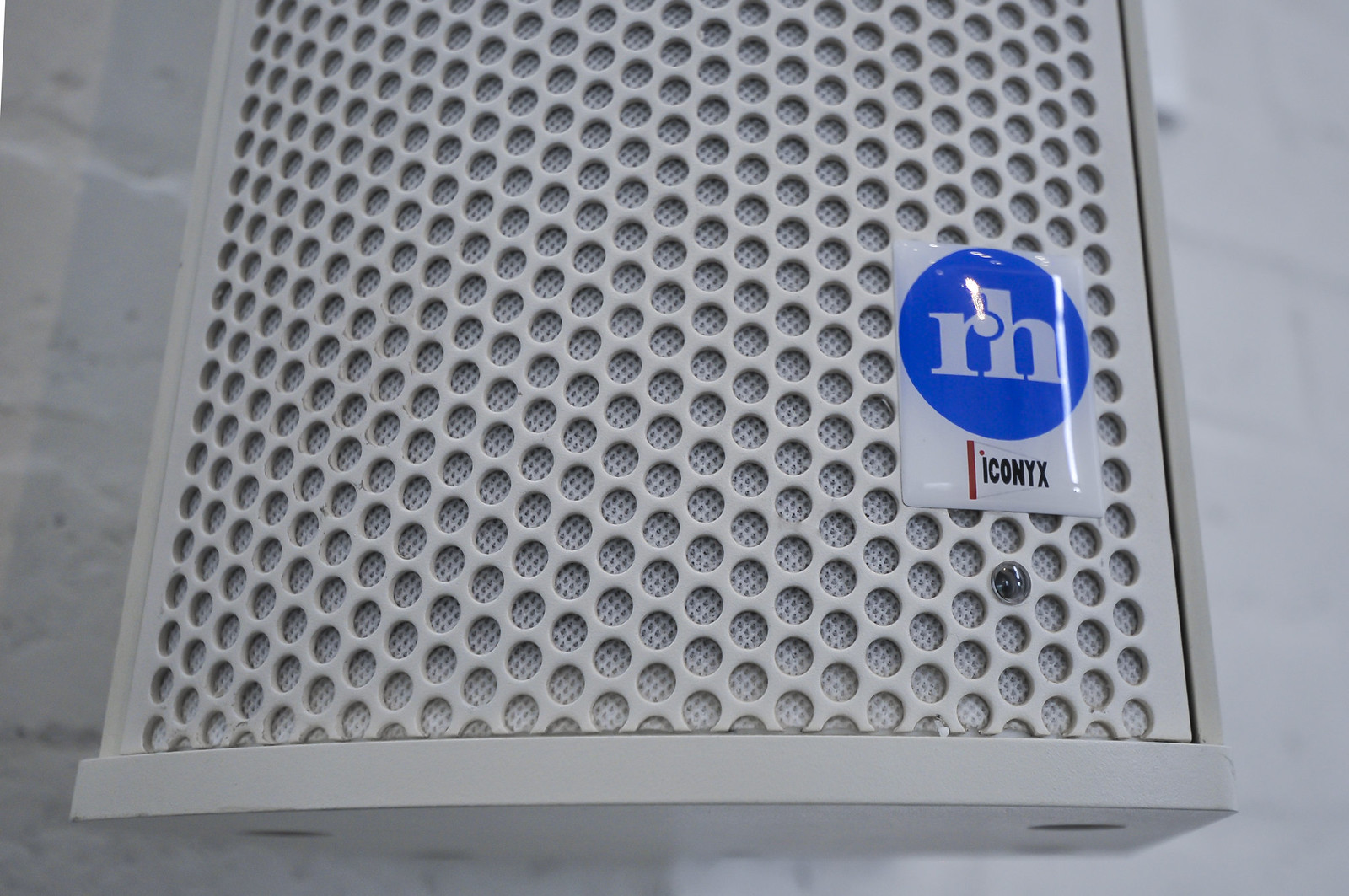
Experience the detail of this sleek, white perforated panel, adorned with an eye-catching ‘rh’ ICONYX sticker.
When we consider the acoustic design within a church, the size and shape emerge as pivotal influencing factors. Larger churches face more profound challenges in distributing sound evenly throughout the space. High ceilings and long, narrow naves can cause significant delays and echoes. The key lies in designing a space that reflects and projects sound efficiently, achieving both reverberation and clarity.
Materials Used in Construction
The construction materials play a critical role in shaping a church’s acoustic properties. Hard surfaces, like stone and concrete, tend to reflect sound, causing reverberation which can be both a benefit and a hindrance depending on its control. Conversely, softer materials such as wood or carpet can absorb those sound waves, potentially dulling the richness of a choir or organ performance. At Design Lab, we’re adept in assessing and selecting materials that complement and enhance the church’s natural acoustics.
Seating Arrangement
Another often overlooked aspect is the seating arrangement, which can influence acoustical experience significantly. Pews and chairs not only hold the congregation but also affect the way sound travels. We’ve found that fuller seating arrangements can absorb sound, reducing echo, while sparser arrangements do the opposite. Therefore, the layout and the type of seating can be calibrated to modulate acoustics and ensure that no matter where one sits, the message is received loud and clear.
Sound Reflection and Absorption
The balance between sound reflection and absorption is vital in acoustical planning. Excessive reflection leads to reverberation that can overlap speech, while too much absorption might render music lifeless. We consider where sound panels, architectural features, and furnishings are placed to either diffuse or absorb sound, thus tailoring a nuanced auditory experience that elevates worship without compromising speech intelligibility.
Common Acoustic Issues in Churches
Echoes and Reverberation
When it comes to church acoustics, echoes and reverberation can dramatically impact the quality of sound. These issues arise when sound waves bounce off hard surfaces, such as walls and ceilings, causing a persistence of sound after the original noise has ceased. This can lead to a muddling of musical performances and can make it difficult for congregants to understand spoken words. At Design Lab, we’ve seen that strategic placement of sound-absorbing materials can mitigate these effects, enhancing the clarity of the auditory experience.
Excessive Noise
Excessive noise in churches often stems from external sources like traffic, air conditioning units, or nearby activities. Internally, the sound of congregants, movement of furniture, and even the hum of electrical systems can add to unwanted noise levels. Controlling these noises is crucial for maintaining a reverent atmosphere. We recommend adequate insulation and specialized acoustic treatments to reduce intrusive sounds to provide a serene environment for worship.
Poor Speech Intelligibility
Speech intelligibility is critical in a church setting, where the message needs to reach the listeners clearly. Poor intelligibility may result from various acoustic problems, including excessive reverberation and background noise. We’ve learned that by optimizing the balance between sound reflection and absorption, Design Lab ensures that speech is not only audible but also comprehensible throughout the entire space.
Uneven Sound Distribution
Uneven sound distribution poses a significant challenge in many churches, leading to hotspots where the sound is too intense and dead zones where it’s barely heard. Factors contributing to this issue include the size and height of the church, as well as the placement of speakers and acoustical panels. Implementing a sophisticated sound system design and strategically positioning acoustical treatments can create a more uniform sound field, so everyone in the congregation can enjoy a consistent auditory experience.
Solutions for Improving Church Acoustics
Speakers with Directivity Control
At Design Lab, we’ve seen firsthand how cutting-edge technologies like beam steering drastically enhance church acoustics. With products like the Renkus-Heinz Iconyx, IC Live, and IC2 loudspeakers, directivity control is refined to an art form. These systems project sound waves precisely to the congregation, ensuring clarity and intelligibility. The advanced capabilities of RHAON & Beamware software empower sound designers to sculpt the audio environment effectively. Each loudspeaker tailors beams of sound to fit the unique architectural elements of the space.
The deployment of digital beam steering means that sound beams remain focused and contained. Narrow vertical dispersion keeps the audio aimed at listeners while avoiding reflective surfaces like ceilings and floors. Our experts at Design Lab prioritize the strategic positioning of loudspeakers to maximize direct sound pathways, reducing reverberation and eliminating echoes that often plague church services.
Acoustic Panels, Diffusers and Bass Traps
Addressing acoustics in historical churches demands sensitivity to their unique aesthetic. Nevertheless, this doesn’t mean we must compromise on sound quality. Acoustic treatment options such as panels, diffusers, and bass traps are available in a variety of styles that can complement the visual integrity of these spaces. Rather than standard installations, our approach at Design Lab includes:
- Customizable panels that blend with the church’s interior
- Aesthetic diffusers that serve as both acoustic treatment and art
- Discreet bass traps placed in strategic locations to manage low frequencies
Even in traditional settings, these solutions work in tandem to balance sound absorption and diffusion, contributing to a clearer and more harmonious acoustic environment. By calibrating these treatments to the specific requirements of each church, we ensure effective management of sound energy throughout the worship space.
Proper HVAC System Design
The hum of an HVAC system should never interfere with the sanctity of a church service. At Design Lab, we understand that a comprehensive approach to acoustics includes silence where it’s needed. Optimal HVAC system design involves integrating low-noise equipment and ensuring soundproofing measures are in place. Our process involves:
- Selecting equipment with proven low-noise levels
- Isolating mechanical vibrations from the structure
- Implementing duct designs that minimize airflow noise
By incorporating these techniques into the church’s architecture, we prevent intrusive noises from disrupting the clarity of the spoken word and the purity of musical performances. A properly designed HVAC system blends seamlessly into the background, upholding the reverent atmosphere that is so important to the worship experience.
Case Studies
Valledupar Cathedral
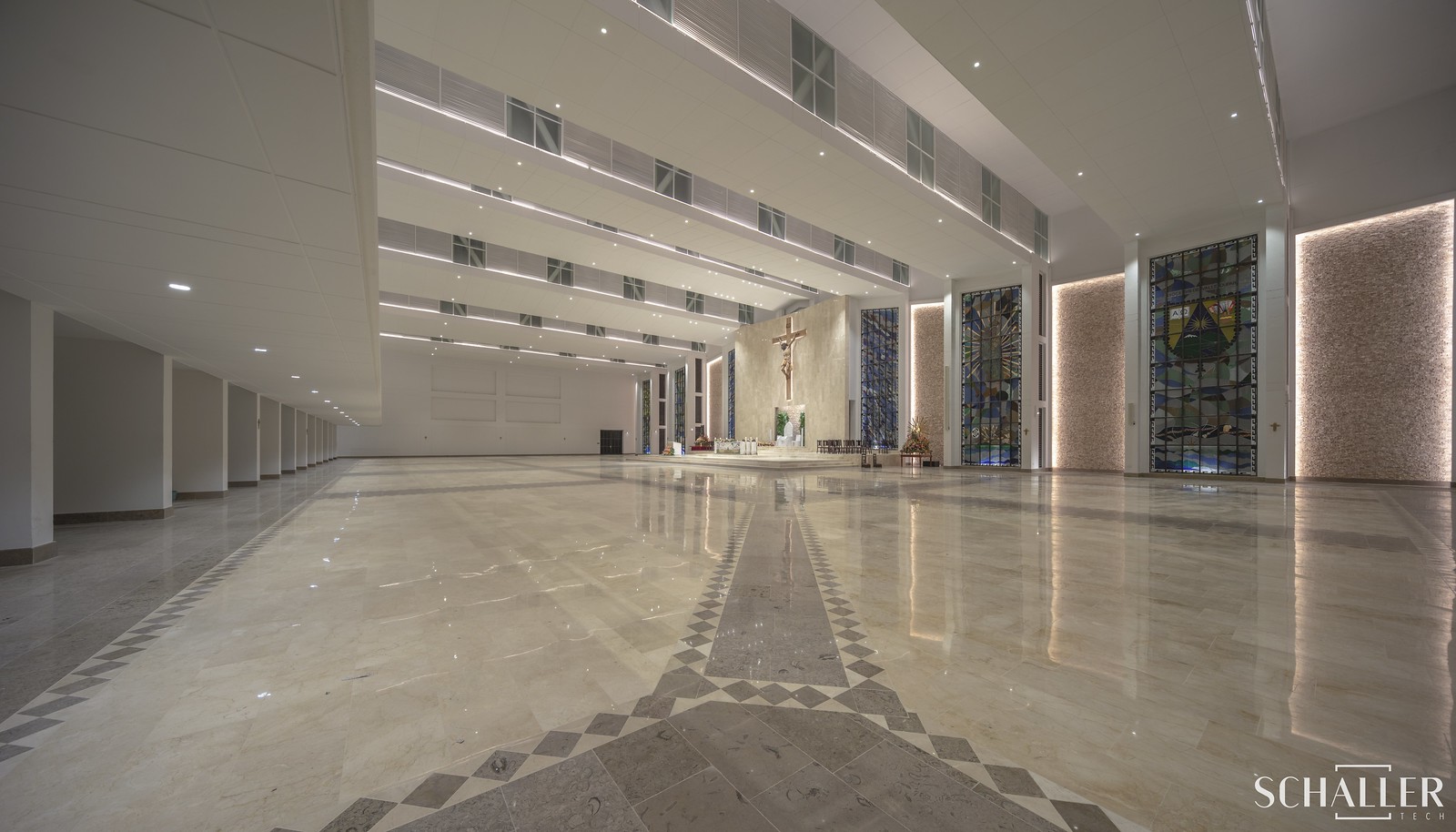
Step into this spacious and modern interior, featuring high ceilings, polished marble floors, and artistic installations.
When faced with the challenge of equipping Colombia’s largest cathedral with state-of-the-art audio technology, Schallertech turned to Renkus-Heinz loudspeakers for a solution. The vast dimensions of Santo Eccehomo Cathedral demanded impeccable sound coverage for up to 6,000 worshippers. With a ceiling peaking at 46 feet, the acoustical strategy had to prioritize both intelligibility and aesthetics.
Renkus-Heinz’s ICONYX series products became the perfect fit. Digital steerable array technology ensured that sound quality was never compromised, no matter where one sat. This technical choice by Schallertech’s CTO Freddy Sampayo didn’t just solve the acoustics puzzle—it did so while complementing the cathedral’s interior with a low-profile appearance that resonated with its traditional architectural elements.
St. John The Baptist Church
In Cirencester, England, the historic XII century St. John the Baptist Church sought an audio system that could overcome its acoustic challenges without disrupting its visual charm. CUK Group and Novum Audio Visual, facilitated the installation of three Renkus-Heinz ICC36/3 column arrays from the Iconyx Compact line, resulting in a seamless integration of technology and architecture.
The replacement of 12 outdated box speakers enhanced the church’s aesthetic, as noted by the Diocesan architect. The ICC36/3 columns not only blended with the church’s decor but also significantly improved sound delivery. As attested by Stuart Madden of Novum, visitors regularly marvel at the invisible yet powerful sound that now fills the church’s nave.
St. Mark’s Church
St. Mark’s Church, nestled in Philadelphia’s Rittenhouse Square, required an audio solution that matched its reputation as an outstanding concert venue. The church’s 1849 Decorated Gothic architecture created a beautiful but acoustically challenging environment, with a reverberation time of three seconds.
JD Sound & Video installed Renkus-Heinz IC Live Gen5 ICL-F-DUAL-RN arrays employing advanced beam steering technology tailored for the church nave. Six CX41 compact loudspeakers were strategically placed to serve as monitors. The result was a dramatic improvement in clarity and sound coverage throughout the church, offering even the furthest seated parishioners a clear auditory experience. Masses became more engaging, and parishioners were able to follow along with every word.
Setting the standard for complex acoustic environments, we, at Design Lab, recognize Renkus-Heinz’s beam steering capabilities as unparalleled, echoing the sentiment of audio professionals who handle challenging venues like St. Mark’s.
Conclusion
We’ve seen how Renkus-Heinz loudspeakers have transformed the auditory experience in sacred spaces. From the vast Valledupar Cathedral to the historic St. John the Baptist Church, the results speak volumes about the potential of advanced audio solutions. In Philadelphia, St. Mark’s Church’s leap in clarity is a testament to the power of beam steering technology.
It’s clear that when it comes to enhancing church acoustics, Renkus-Heinz not only meets the challenge but exceeds expectations, ensuring every word and note resonates with the congregation.
Frequently Asked Questions
What brand of loudspeakers did the churches in the case studies use?
Renkus-Heinz loudspeakers were used by the churches in the case studies to improve their acoustics.
Which series of Renkus-Heinz products were used in Valledupar Cathedral?
Valledupar Cathedral implemented Renkus-Heinz’s ICONYX series products for their sound system upgrade.
How many worshippers can the upgraded sound system in Valledupar Cathedral accommodate?
The upgraded sound system in Valledupar Cathedral ensures sound coverage for up to 6,000 worshippers.
What was the specific product used by St. John the Baptist Church in England for their acoustics?
St. John the Baptist Church in England used Renkus-Heinz ICC36/3 column arrays to improve their acoustic environment.
How did Renkus-Heinz products benefit St. Mark’s Church in Philadelphia?
St. Mark’s Church in Philadelphia benefited from improved clarity and sound coverage with the Renkus-Heinz IC Live Gen5 ICL-F-DUAL-RN arrays, equipped with advanced beam steering technology.
What is the key technology highlighted in the article for managing complex acoustic environments?
The key technology highlighted in the article is Renkus-Heinz’s advanced beam steering capabilities, which are particularly effective in complex acoustic environments.
Our Portfolio
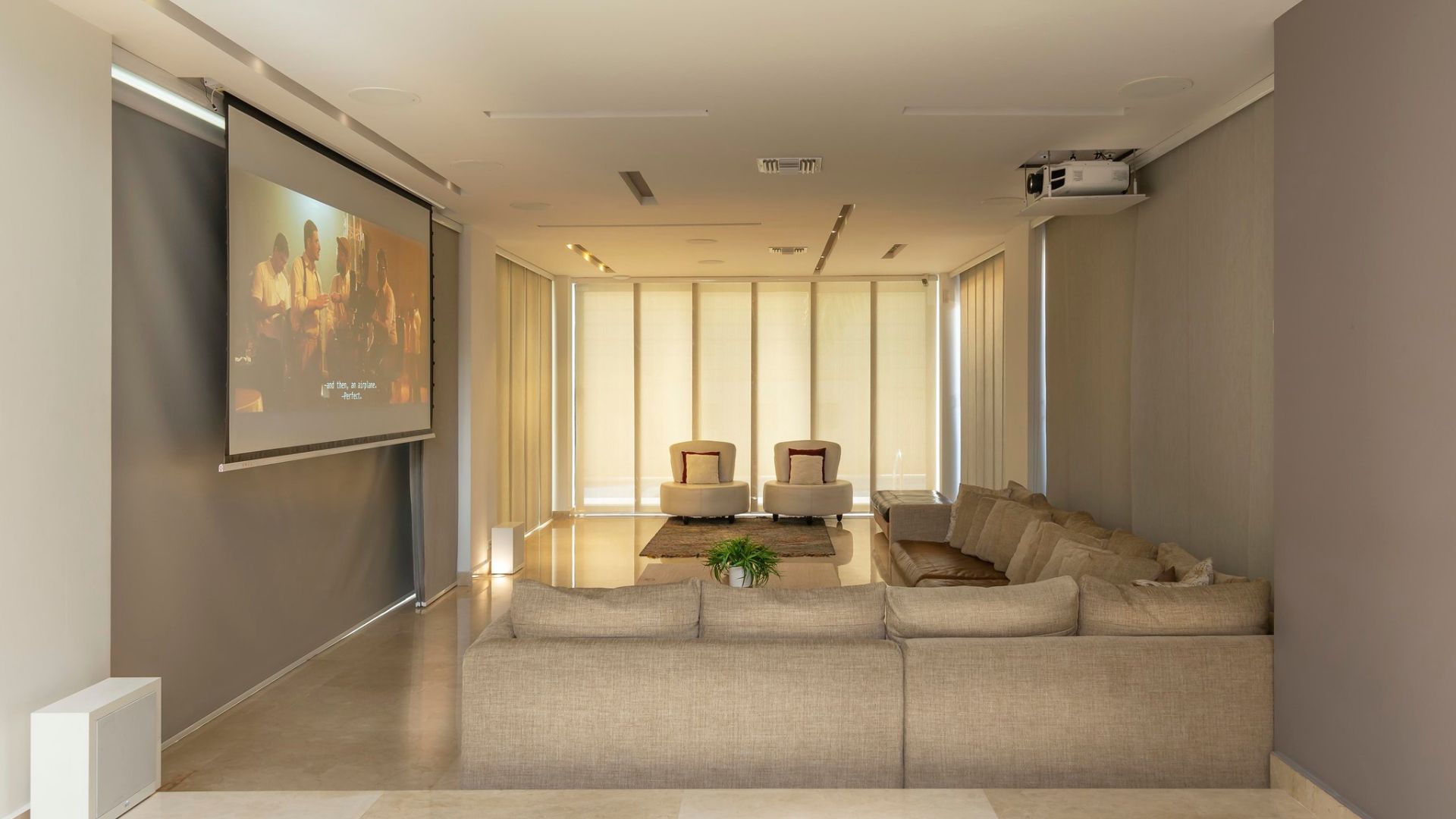
Smart and Exceptional Design: TC Project

Igniting Faith: The Technological Transformation of Valledupar Cathedral
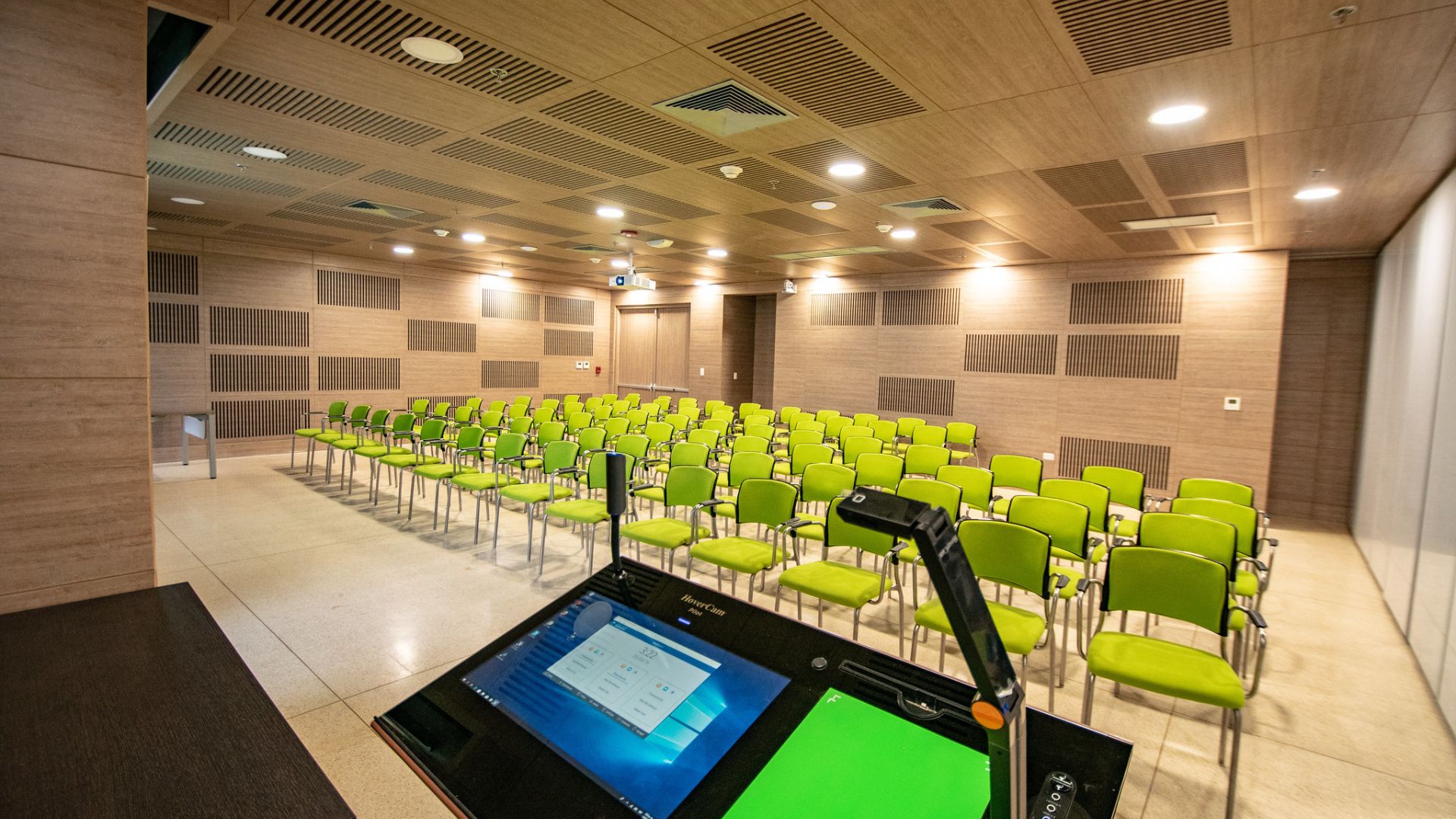

Residential Design Casa JC: Sophistication and Technology

Metropolitan Stadium: Clear and Powerful Sound with Renkus-Heinz Speakers
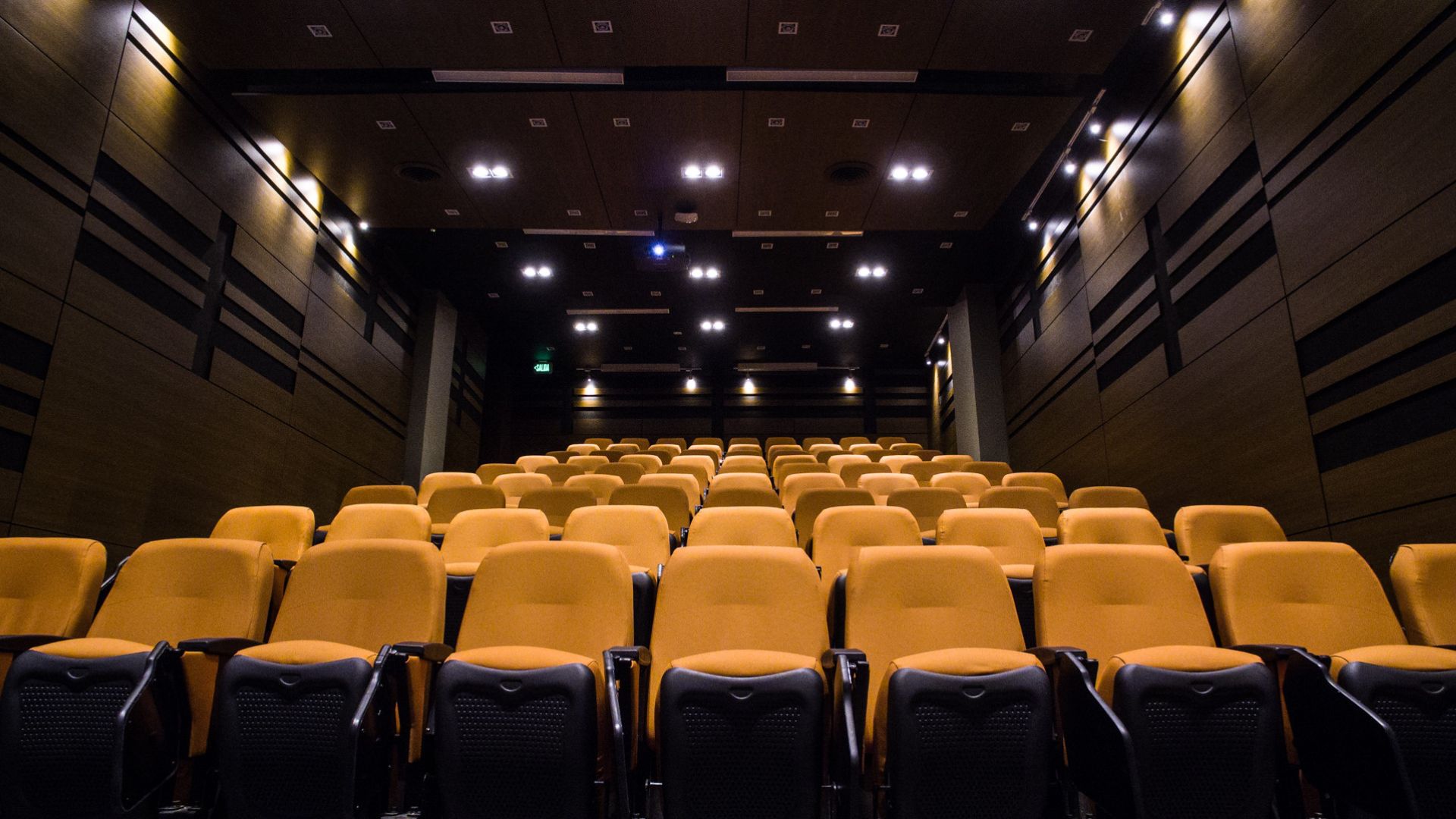

Universidad del Atlantico Theater: A Legacy of Technological and Cultural Innovation
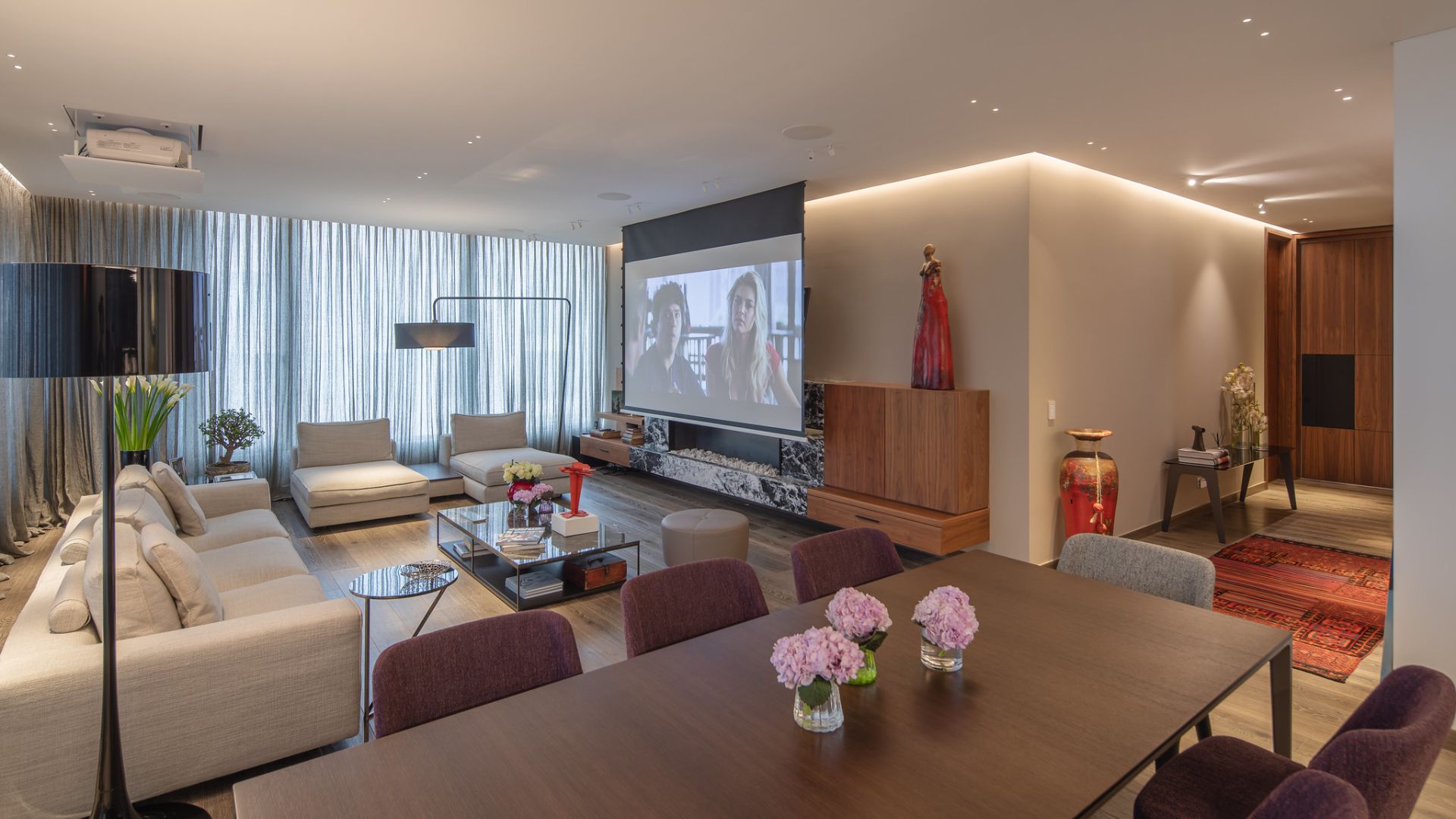

SB Apartment – Lighting Redesign

Art and Light: Contemporary Design in the SB Apartment
Table of contents