Table of contents
At Schaller Design Lab, we understand that unwanted noise isn’t just an annoyance—it’s a barrier to productivity and peace. That’s why we’re diving into the world of acoustic walls, the unsung heroes in the quest for quieter spaces.
We’ll explore how these innovative solutions can dramatically reduce noise levels and create serene environments. Whether you’re looking to enhance a home theater or keep an open-plan office productive, acoustic walls are the answer.
Join us as we uncover the benefits and applications of acoustic walls, ensuring you’re well-informed to make the right choice for your space. Let’s turn down the volume on the world’s chaos and tune into the harmony of well-designed acoustics.
What are Acoustic Walls
Definition of Acoustic Walls
Acoustic walls are specialized structures designed to block, absorb, or diffuse sound in a space. They’re constructed from materials with sound-dampening properties that mitigate noise pollution and improve sound quality within an environment. Unlike regular walls, acoustic walls often consist of dense insulation layers, soundproofing membranes, and strategically placed panels. They play a crucial role in creating acoustically balanced interiors for both residential and commercial spaces.
Importance of Acoustic Walls
The significance of acoustic walls in modern architecture cannot be overstated. Sound is a critical aspect of our sensory experience and the prevalence of high noise levels can adversely affect our daily lives. Acoustic walls are essential for:
- Enhancing privacy: They prevent sound from traveling between rooms or buildings, ensuring conversations remain confidential.
- Improving concentration: By minimizing external noise, these walls create a more conducive environment for work or study.
- Health benefits: Overexposure to noise can lead to stress, poor sleep, and other health issues. Acoustic walls help mitigate these risks.
- Superior audio experience: In spaces like home theaters or recording studios, these walls provide clear sound by reducing echoes and reverberations.
At Design Lab, we understand these needs and tailor our acoustic solutions to enhance the auditory experience of any space.
Importance of the STC Rating
Sound Transmission Class (STC) rating is a critical metric for evaluating the effectiveness of acoustic walls. The STC rating quantifies how well a partition attenuates airborne sound. A higher STC rating indicates better sound insulation properties. Here’s why the STC rating is paramount:
- Objective measurement: It provides a standardized method to compare the soundproofing capabilities of different materials and constructions.
- Informed decisions: When choosing acoustic solutions, the STC rating aids in selecting the most appropriate materials for the desired level of sound isolation.
- Regulatory compliance: Certain building codes and standards may require specific STC ratings to ensure adequate noise control in different types of constructions.
Utilizing STC ratings, Design Lab assists clients in making data-driven selections when optimizing their spaces for sound. It’s all about striking the right balance between functionality and acoustic performance.
Types of Acoustic Walls
Fabric Acoustic Walls

A glimpse into the construction process of an acoustic wall, featuring green insulation material for effective sound dampening.
At Design Lab, we’re well-versed in the variety of acoustic wall options, and fabric acoustic walls are particularly popular. They are known for their versatility and aesthetic appeal. These walls typically consist of a frame that holds specially designed fabric tightly in place, with sound-absorbing materials, like fiberglass or foam, nestled behind the fabric. Fabric acoustic walls effectively diminish echo and are often used in theaters, recording studios, and offices. Their customizable nature means they can blend seamlessly with any interior design, offering both functionality and style.
Perforated Acoustic Walls
Perforated acoustic walls bring a unique combination of design and practicality to the table. These walls have small holes or openings that allow sound waves to pass through and be absorbed by backing material, which reduces noise levels. Highly efficient at controlling sound reverberation, perforated walls are an ideal choice for spaces that combat distracting background noises, such as lecture halls and restaurants. Durability is another standout feature, making them a smart investment for busy, high-traffic areas.
Wooden Acoustic Walls
Authenticity and warmth infuse spaces featuring wooden acoustic walls, and these walls are more than just aesthetically pleasing. They’re also sound-absorbing powerhouses when crafted with the right design – grooves, slots, or drilled holes can enhance their sound-dampening capabilities. Wooden walls add organic beauty while improving acoustics in spaces like concert halls and corporate meeting rooms. Their natural resonance makes them a favorable choice for acoustical balance in environments where audio quality is paramount.
Concrete Acoustic Walls
Our expertise at Design Lab extends to the robust world of concrete acoustic walls. Known for their excellent sound isolation properties, these walls are constructed with dense, heavyweight concrete. Often seen in industrial settings or as sound barriers along highways, they’re unmatched in reducing low-frequency sounds. Concrete acoustic walls are less common in interior design but offer an industrial-chic look when incorporated purposefully. Plus, they’re extremely durable and low maintenance, standing up to the test of time with minimal upkeep.
Benefits of Acoustic Walls
Acoustic walls serve multiple functions, ranging from noise control to aesthetic enhancement. Here, we’ll delve deeper into the prime benefits they offer.
Noise Reduction
Noise pollution is a critical concern in today’s fast-paced society. By incorporating acoustic walls in a design strategy, we effectively mitigate unwanted sound transmission. Acoustic walls absorb sound waves rather than allowing them to bounce back into the environment, which substantially reduces noise levels. In settings such as conference rooms, classrooms, or recording studios, where clarity of sound is paramount, acoustic walls are essential in maintaining a serene atmosphere.
Improved Acoustics in Rooms
Beyond noise reduction, acoustic walls play a pivotal role in refining the sound quality within a room. By managing sound reverberation, these walls ensure that audio is crisp and clear. This is crucial for performance venues and lecture halls where optimal sound distribution is paramount. At Design Lab, we understand that every space has unique acoustic requirements. Our acoustic wall solutions are engineered to enhance speech intelligibility and overall sound quality, creating an auditory experience that is both pleasurable and functional.
Enhanced Privacy
Privacy is a commodity in today’s open-plan spaces. Whether in offices or medical facilities, acoustic walls provide an added layer of privacy by containing sounds within designated areas. Sensitive information remains confidential, and private conversations stay private. With acoustic walls, we can create “zones” within a larger space, ensuring that activities can be conducted without the concern of eavesdropping or distractions from external noise. Our clients at Design Lab value the discreet environment that acoustic walls procure, signifying trust in our expertise to devise spaces that cater to the nuanced needs of privacy and discretion.
Applications of Acoustic Walls
Offices
In modern office structures, acoustic walls play a crucial role in fostering productive work environments. By implementing these walls, we’ve witnessed how distractions and noise pollution are minimized, essential in open-plan offices where background chatter can prove disruptive. Design Lab understands that confidential conversations and meetings require discretion, which is why acoustic walls are integral in creating private spaces without the need for complete seclusion.
Educational Institutions
Educational institutions benefit significantly from acoustic walls. We’ve seen them enhance learning spaces by reducing echoes and controlling noise levels, which is vital for maintaining students’ focus and comprehension. In lecture halls and libraries, where clarity of speech is paramount, these walls help ensure that the spoken word is crisp and distinct. Moreover, they allow for flexible space management, permitting the creation of multifunctional areas adaptable to various educational needs.
Healthcare Facilities
Healthcare facilities prioritize a calm and restorative atmosphere, making acoustic walls a critical element. Our experience shows that patients experience reduced stress levels and enhanced privacy, contributing to their overall well-being. In environments where tranquility is fostering healing—like treatment rooms and patient wards—acoustic walls safeguard against unsettling external noises that can impede recovery.
Recording Studios
Recording studios are synonymous with outstanding sound quality, which is why acoustic walls are non-negotiable. These specialized barriers capture the pure essence of recordings by eliminating unwanted reverberations and sound leakage. At Design Lab, we’ve collaborated with professionals in the music industry to tailor acoustic solutions that ensure pristine audio capture for both vocalists and instrumentalists.
Home Theaters
The rise of home theaters has brought with it a demand for high-caliber sound isolation. Acoustic walls transform living spaces into immersive cinematic experiences. By installing these walls, we’ve helped clients achieve the perfect balance between bass and treble, allowing for movie-watching experiences that rival commercial theaters. Not only do they enhance the audio dynamics, but they also contribute to creating an undisturbed haven for film aficionados.
Factors to Consider When Choosing Acoustic Walls
Acoustic Performance
When assessing acoustic walls, the primary consideration is their sound-dampening capabilities. The Sound Transmission Class (STC) rating quantifies how well a partition attenuates airborne sound. A higher STC number indicates a greater capacity to block sound. At Design Lab, we’re meticulous about providing solutions that meet or exceed industry standards. It’s vital to know the specific acoustic needs of your space—whether it’s speech privacy in an office or sound clarity in a classroom—to select the appropriate product with the right STC rating.
Aesthetics
Acoustic walls must not only perform exceptionally but also blend seamlessly with your space’s design aesthetic. They come in a variety of colors, textures, and finishes to complement any setting. We understand that visual appeal is as significant as functionality. Our curated selection includes options that range from understated and professional to vibrant and expressive. Consider how the wall’s design will integrate with your current décor to maintain a cohesive and attractive environment.
Durability
Durability is a testament to the quality of acoustic walls. The materials should withstand the rigors of their environment without compromising acoustic integrity. Our offerings are constructed from high-quality materials designed to last, ensuring that your investment is protected over time. We recommend considering the impact resistance and the ability to resist wear and tear when selecting an acoustic wall system. Moisture resistance is another critical factor, especially in environments prone to damp conditions.
Installation Process
Lastly, the ease of installation can greatly impact your project timeline and budget. Acoustic wall systems with a simpler installation process save time and reduce labor costs. Design Lab’s acoustic walls are engineered for straightforward installation, providing a hassle-free experience without needing extensive modifications to existing structures. Additionally, consider the flexibility of the systems for future modifications or reconfigurations, which adds to the overall practicality and cost-effectiveness of the acoustic solution.
By addressing each of these factors—acoustic performance, aesthetics, durability, and the installation process—you’ll be equipped to make an informed choice. With Design Lab, rest assured that you’re selecting from some of the best acoustic walls on the market, arrayed with the features necessary to meet your specific requirements and style.
Tips for Installing Acoustic Walls
Assessing the Room’s Acoustic Needs

Experience the fusion of design and functionality with this wall, featuring geometrically shaped panels for effective sound dampening.
Before diving into installation, it’s crucial to evaluate the room’s unique acoustic requirements. Acoustic walls serve to enhance sound quality by mitigating noise pollution, and each space demands a tailored approach. We start by measuring the room’s dimensions and identifying potential noise sources. By pinpointing areas where sound transmission is highest, we can determine the type and placement of acoustic walls needed for optimal performance. The goal is to achieve the desired STC rating that suits the room’s function, whether it’s for private meetings or a concert hall.
Choosing the Right Acoustic Wall System
Selecting the appropriate acoustic wall system is paramount. At Design Lab, we help our clients sift through a myriad of options to find the perfect fit that blends effortlessly with their aesthetic vision while fulfilling their sound-dampening needs. We consider factors like material composition, thickness, and acoustic properties. Prefabricated panels are a popular choice for their ease of installation and consistent quality. It’s also essential to look for systems that come with comprehensive installation guides, as these can save valuable time and resources during the setup process.
Hiring a Professional Installer
For installation, working with skilled professionals is non-negotiable. We advocate for hiring a professional installer who has a proven track record with acoustic wall systems. These experts not only ensure that the installation is executed flawlessly but also that it adheres to building codes and regulations. They’re equipped with the necessary tools and knowledge to navigate any challenges that may arise during the installation process. Furthermore, professional installers can provide valuable insights on maintaining the durability and efficacy of your acoustic walls, solidifying your investment far into the future.
Ensuring proper installation of acoustic walls is just as crucial as selecting the right product. With our guidance at Design Lab, you’re well on your way to creating an acoustically balanced environment that meets your specific needs. From assessing room acoustics to choosing the system and hiring an installer, every step contributes significantly to the success of your acoustic wall project.
Conclusion
We’ve explored the essentials of acoustic walls, emphasizing the need to match them with our room’s specific sound requirements and design preferences. Opting for professional installation is crucial for achieving that perfect balance of function and form. Let’s embrace the transformative impact of well-chosen and expertly installed acoustic walls on our spaces, ensuring that every note and nuance is heard just as it’s intended.
Frequently Asked Questions
What should I consider when choosing acoustic walls?
When selecting acoustic walls, consider the acoustic needs of your room, the overall aesthetic vision, and ensure the chosen system meets sound-damping requirements effectively.
Is it important to match acoustic walls with the room’s aesthetics?
Yes, it’s important to select acoustic walls that blend with the room’s design, as they contribute to both the visual and auditory experience of the space.
Why is it recommended to hire a professional installer for acoustic walls?
Professional installers ensure that the acoustic wall system is installed correctly, adheres to building codes, and functions as intended for optimal sound control.
What impact does proper installation have on acoustic walls?
Proper installation is crucial in creating an acoustically balanced environment, ensuring that the walls perform effectively in controlling sound and reducing noise.
Can I install acoustic walls by myself?
While DIY installations are possible, hiring a professional is highly recommended to guarantee that the walls are installed properly and to avoid any issues with building regulations and performance.
Our Portfolio
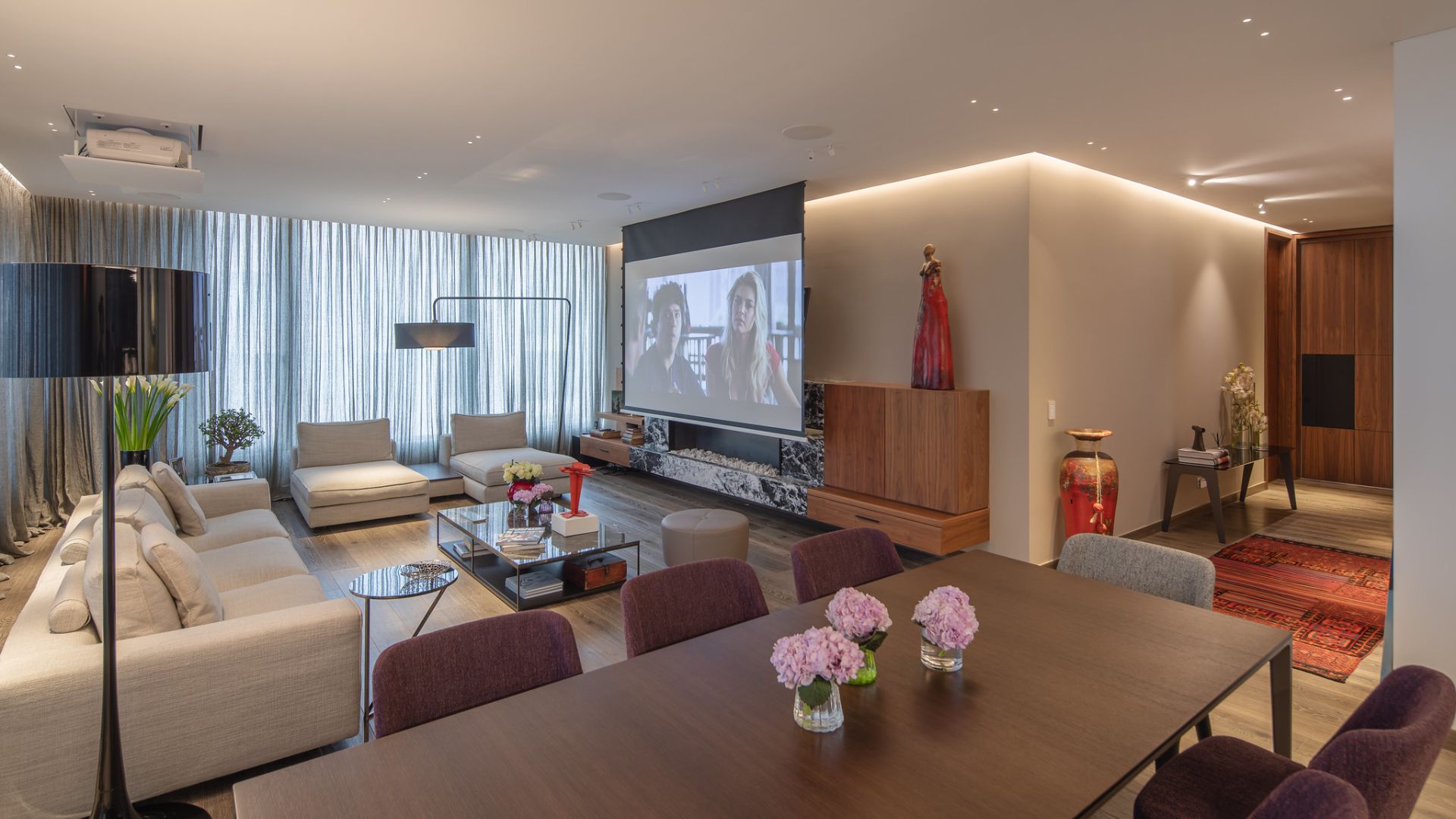

SB Apartment – Lighting Redesign

Innovation in Commercial Lighting: The Magic Behind the Verdi Project

Turning Stars into Experiences: The Remodeling of the Combarranquilla Planetarium by Schallertech

Project KK: Where Art and Technology Converge



Casa PC: Design, Entertainment, and Technology
Table of contents