Table of contents
As we move forward, the soundscape of our environments is becoming as crucial as the visual. At Schaller Design Lab, we’re always tuning into the latest trends in acoustic conditioning. We’re excited to share what’s on the horizon for creating spaces that sound just as good as they look.
From smart materials that adapt to noise levels to sustainable design that resonates with our eco-conscious values, the future of acoustic conditioning is vibrant and innovative. Join us as we explore these cutting-edge developments that promise to redefine our auditory experiences.
The Importance of Acoustic Conditioning
At Design Lab, we understand that good acoustic conditioning goes beyond aesthetics; it’s about creating a harmonious environment that can enhance comfort and productivity. We’ll delve into how this plays out across various aspects.
Improving Sound Quality
We strive to elevate the auditory environment within any space. With the advancement in acoustic materials and design strategies, improving sound quality has become an attainable goal for us. High-performance acoustic panels and sound-absorbing materials work together to refine the sound quality in a room. This makes it optimal for spaces like recording studios, home theaters, and auditoria where clarity of sound is paramount.
Enhancing Speech Intelligibility
Clear communication is vital, whether in the workplace, educational settings, or public areas.** Enhanced speech intelligibility** ensures that messages are understood without the strain of background noise or echoes. Our design interventions specifically target speech frequencies, using intelligent soundproofing solutions to achieve the perfect balance for verbal communication.
Reducing Noise Disturbance
A cornerstone of our design philosophy at Design Lab is the reduction of noise disturbance. Unwanted noise can be detrimental to our wellbeing, affecting concentration and causing stress. Strategically placed acoustic treatments can significantly diminish noise levels. By incorporating these elements into the heart of our designs, we ensure spaces are not only visually stunning but also acoustically serene.
Current Challenges in Acoustic Conditioning
Inadequate Soundproofing
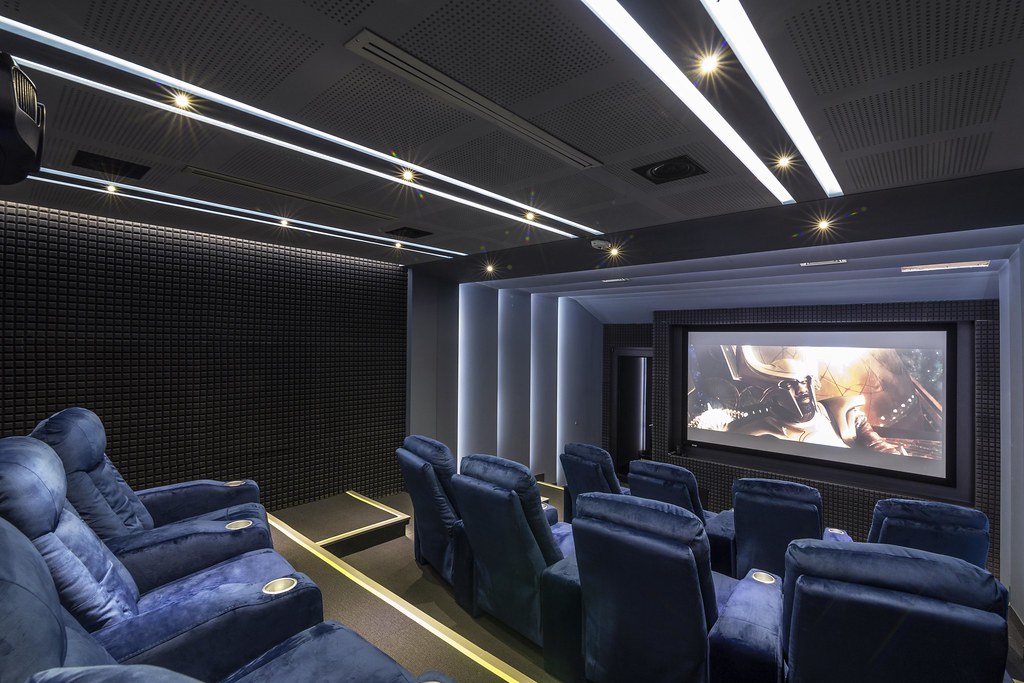
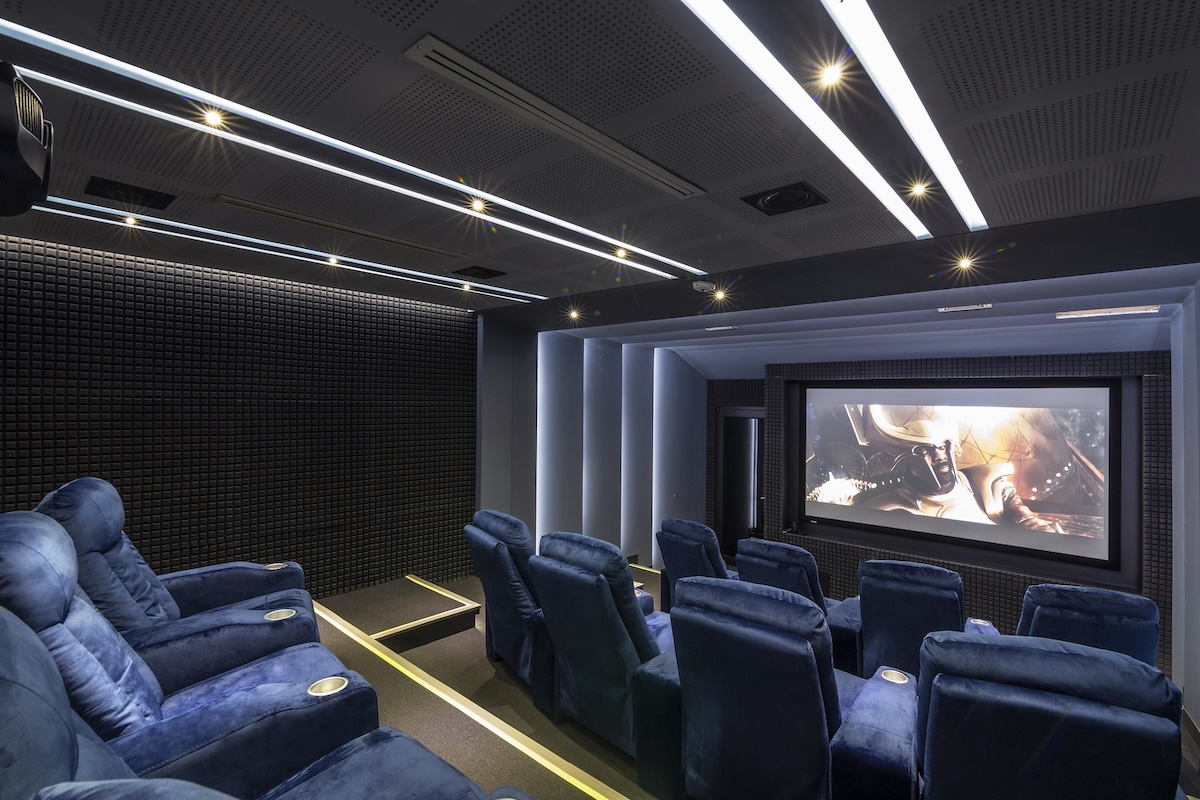
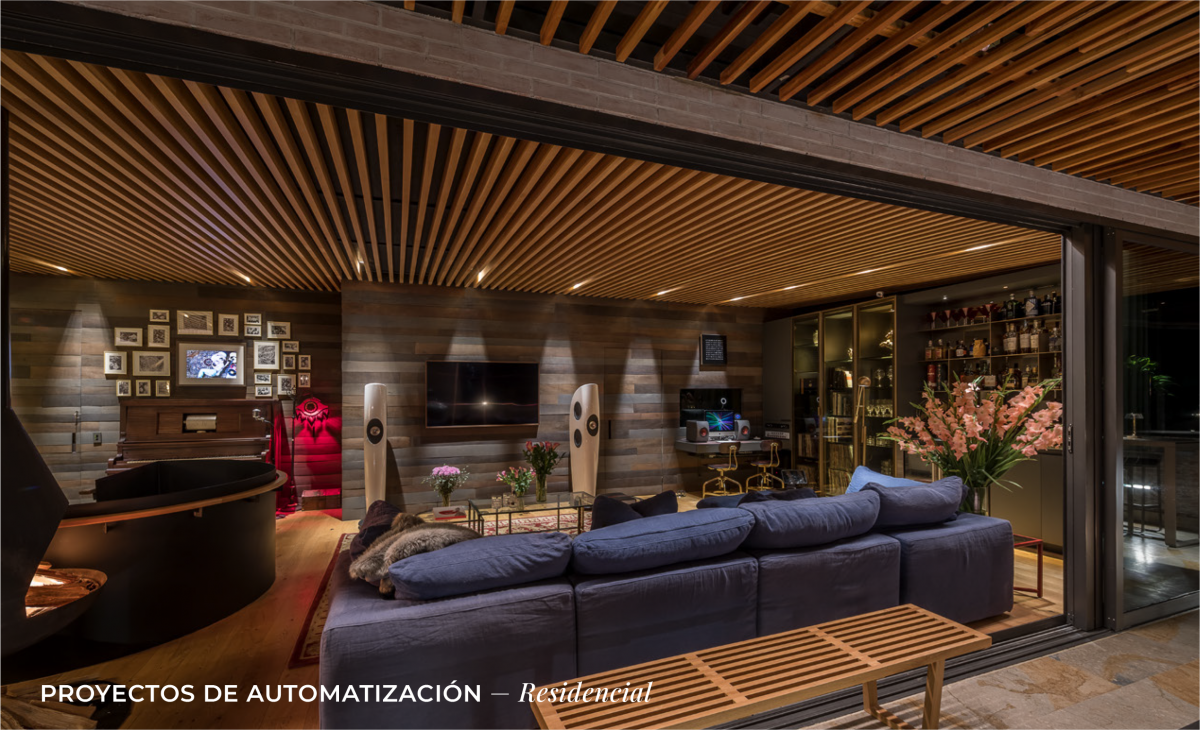
Experience the future of acoustic conditioning in this cozy, modern home theater.
In the realm of acoustic conditioning, we’ve identified a persistent hurdle: inadequate soundproofing in many commercial and residential buildings. As entities like Design Lab delve deeper into sound management solutions, it becomes evident that traditional construction methods often fail to address acoustic needs. This gap results in spaces where external noise creeps in, disturbing the tranquility expected within.
Modern lifestyles demand environments that cater to both dynamic work settings and serene living areas. Yet, gaps in windows, doorways, and even walls compromise these fundamental acoustic requirements. Efforts are underway to retrofit spaces with better sealants and sound-reducing fixtures, but overcoming the challenge of buildings not initially designed with soundproofing in mind remains an imposing task.
Inefficient Noise Absorption Materials
Another core issue we’re tackling is the prevalence of inefficient noise absorption materials. While there’s an abundance of products claiming to absorb sound, not all deliver what they promise. Research within Design Lab has revealed that some materials only offer minimal absorption, doing little to dampen echo or reverberation.
When it comes to achieving optimum sound quality, we can’t overstate the importance of high-performance absorption. Acoustic panels and foam that don’t meet strict performance criteria can leave room for excessive noise levels, directly affecting our comfort and cognitive function. Identifying and integrating materials that excel at converting sound energy into heat, thereby effectively reducing noise, is fundamental to the advancements we’re advancing in acoustic conditioning.
Lack of Customization Options
We’ve also noticed a considerable gap in customization options for acoustic solutions. Off-the-shelf products often assume a one-size-fits-all approach that doesn’t align with our unique spaces and acoustic needs. At Design Lab, we believe in personalization — each room or facility has its individual acoustic signature, demanding a tailored approach to its sound conditioning needs.
There’s a rising demand for adaptable and customizable systems that can be fine-tuned for various applications, whether that be a bustling office environment, a cozy home theater, or a large concert hall. We’re working towards overcoming these constraints by offering custom-designed acoustic elements that are both aesthetically pleasing and functionally effective. By championing diverse acoustic treatment options, we’re paving the way to more harmonious environments that are as individual as the people who use them.
Emerging Technologies in Acoustic Conditioning
As we delve into the advancements in acoustic conditioning, it’s apparent that technology is set to revolutionize how we approach sound management within our spaces. The pursuit for serene and sound-optimized environments has led to groundbreaking strides in this field.
Adaptive Acoustic Solutions
In the quest for perfect soundscapes, adaptive acoustic solutions stand out. These systems dynamically adjust to the real-time acoustic demands of a space. Serving a dual purpose, they enhance sound quality while mitigating unwanted noise. Imagine walking into a conference room where the acoustic environment adjusts to the number of occupants, their activities, or even the time of day. It’s not a concept of the future; it’s happening now.
We at Design Lab focus on integrating such smart systems into our product lines, ensuring our clients receive top-notch, up-to-date solutions. Adaptive acoustics are no longer a luxury but a necessary investment for modern spaces that require versatile sound control.
Active Noise Control Systems
Active noise control is the cutting-edge counterpart to traditional passive soundproofing. These systems detect and analyze incoming sounds, producing opposing sound waves to cancel them out – a phenomenon known as anti-noise. Crucial to maintaining tranquility in urban areas or industrial settings, active noise control systems are swiftly becoming indispensable.
Below is a quick look at some compelling benefits:
- Minimized stress due to lower noise levels
- Improved speech intelligibility in communication-centric environments
- Enhanced concentration and productivity
Active noise control systems are integral to our approach at Design Lab. We incorporate sophisticated algorithms and sensor arrays, providing our clients with an oasis of calm even in the noisiest of environments.
Smart Materials for Noise Reduction
The development of smart materials has ushered in a new era of acoustic conditioning. These materials have intrinsic properties that can be altered in response to external stimuli, such as temperature, electric fields, or even sound itself. Their versatility gives us the upper hand in crafting customized soundproofing solutions that were once deemed unachievable.
Imagine walls that change their density to block out traffic noise or ceilings that absorb excess sound during a live performance. These are just a few applications of smart materials, and their full potential is still being tapped into.
At Design Lab, we’re at the forefront of incorporating these materials into our innovative designs. By leveraging smart materials, we provide clients with an advanced line of defense against noise pollution. Our commitment to harnessing the latest technologies ensures that we stay ahead in delivering acoustic comfort tailored for each unique environment.
Future Applications of Acoustic Conditioning
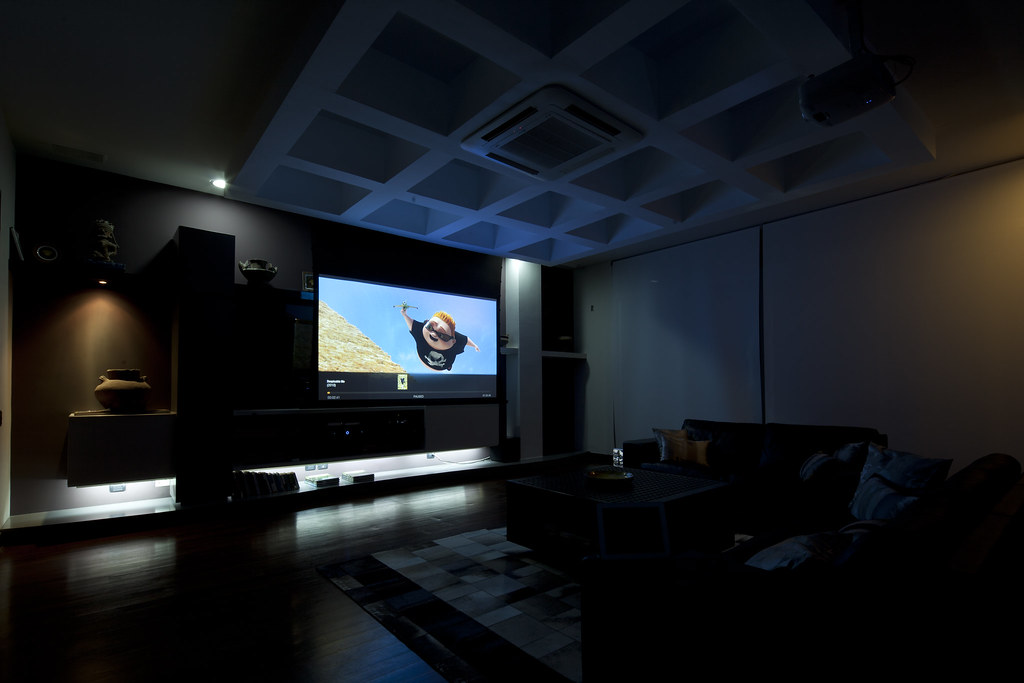
Dive into the future of home entertainment in this modern, cozy living room.
As we delve into the applications of acoustic conditioning, it’s vital to note how these solutions are set to change various industries. At Design Lab, we’re always on the cusp of these trends, and we’re excited to explore how they’ll shape our environments.
Open Office Environments
The traditional office landscape is undergoing a transformation with the introduction of acoustic conditioning technologies. In open office environments, noise can often be a hindrance to productivity and employee well-being. Our adaptive acoustic solutions create dynamic soundscapes that adjust to the occupancy levels and activities of the space. This leads to:
- Enhanced speech privacy for confidential discussions
- Reduced distractions for a focused work environment
- An overall increase in staff productivity
Imagine a workspace where sound zones adapt in real-time, providing clarity when needed while simultaneously promoting collaboration without disrupting adjacent colleagues. This is not a distant dream but a near-future reality as we integrate advanced acoustic strategies into the very fabric of workplace design.
Hospitality and Entertainment Industry
The hospitality and entertainment industry thrives on providing guests with an exceptional auditory experience. Upcoming applications of acoustic conditioning can ensure:
- Optimal sound quality during live performances
- Tailored acoustic environments for restaurants and lounges
- Customizable soundscapes in hotel rooms for guest comfort
We’re pioneering the integration of smart materials in concert halls and theaters to adjust reverberation times that suit different types of performances. Additionally, active noise control will become essential in areas where external noise pollution can detract from the hospitality experience, safeguarding patrons against unwanted distractions.
Healthcare Facilities
Healthcare facilities stand to benefit tremendously from the advancements in acoustic conditioning. Patient recovery times can be significantly reduced through:
- The creation of serene acoustic environments
- The mitigation of stressful noises from medical equipment and busy corridors
- The implementation of soundscapes that promote relaxation and well-being
With Design Lab’s forward-thinking solutions, we can manage the acoustic atmosphere of healthcare settings to support patient recovery while also aiding in noise stress reduction for healthcare workers. Our commitment is to enhance the overall patient care experience by providing peaceful auditory conditions conducive to healing as well as privacy.
The scope of acoustic conditioning applications across various sectors depicts a vibrant future, filled with spaces that cater perfectly to our auditory needs, elevating our experiences in ways we’ve only just begun to imagine.
Conclusion
We’re on the brink of a revolution in how we interact with the spaces around us, and acoustic conditioning is at the forefront. With Design Lab’s innovative approach, we’re poised to transform everyday environments into auditory havens. Whether it’s boosting productivity in bustling offices, enhancing guest experiences in hotels, or providing peace in healthcare settings, the potential is endless. Let’s embrace the sound of progress and tune into a future where acoustic comfort is a given, not a luxury.
Frequently Asked Questions
What are the benefits of acoustic conditioning in open office environments?
Acoustic conditioning in open office environments can improve speech privacy, minimize distractions, and boost employee productivity by creating a more focused and comfortable work atmosphere.
How can the hospitality and entertainment industry benefit from acoustic conditioning?
Acoustic conditioning ensures optimal sound quality for performances and allows for the creation of customized soundscapes that enhance guest comfort and overall experience within the hospitality and entertainment sectors.
What advantages does acoustic conditioning offer to healthcare facilities?
Within healthcare settings, acoustic conditioning can create a calming environment, promote patient relaxation and well-being, and help reduce noise-induced stress for healthcare workers, contributing to a more healing atmosphere.
How is Design Lab incorporating acoustic technologies into their designs?
Design Lab integrates acoustic conditioning technologies into their designs to elevate the auditory experience, tailoring the sound environment to the specific needs of various spaces and industries.
Our Portfolio

SB Apartment – Lighting Redesign

Universidad del Atlantico Theater: A Legacy of Technological and Cultural Innovation
Chapel Hacienda Las Marías. The Evolution of Lighting in Worship Spaces
Innovation in Commercial Lighting: The Magic Behind the Verdi Project

Residential Design Casa JC: Sophistication and Technology

The House in the Air: Technological Transformation
Table of contents