Table of contents
In the world of audio capture, shotgun microphones stand out for their precision and quality. We’ll investigate into what sets these mics apart, from their supercardioid patterns to their on-set versatility. Whether you’re a filmmaker, podcaster, or field recorder, understanding shotgun mics can elevate your audio game. We’ve got the insights to help you capture sound like a pro.
At Schaller Design Lab, we’re here to guide you through the maze of audio equipment. If you’re looking to design a project, need expert advice, or want to find the best audio solutions, reach out to us. We’re ready to assist with your global projects, ensuring top-notch results every time.
What is a Shotgun Microphone?
A shotgun microphone is distinctive in its design and functionality. Unidirectional by nature, it focuses on capturing sound from a particular direction. This is due to its narrow pickup pattern, which is often referred to as a supercardioid or lobar. It’s shaped like a tube, which significantly reduces the sensitivity to sound coming from the sides or behind the microphone. This design allows for clear audio capture, even in environments where background noise is prevalent.
Our understanding of these microphones reveals that they are essential for filmmakers, podcasters, and broadcasters who demand high-quality directional audio. A shotgun microphone’s primary function is to isolate the subject’s voice from ambient noise. This ability makes it a top choice for outdoor shoots and on-set applications where controlling the acoustic environment is challenging. What sets these microphones apart is their interference tube technology. The length of the tube plays a critical role in determining the directionality and frequency response. The longer the tube, the more directional the microphone and the better it performs at picking up sounds from a distance. But, this also means that the microphone may become more susceptible to wind and handling noise, which is why proper mounting and use of wind protection are crucial for outdoor use.
They’re commonly used on film sets attached to booms or placed on stands to capture dialogue. In television production, you’ll often find them mounted on cameras for run-and-gun style shooting. And for field recordings, journalists rely on these microphones’ precision to ensure that their interviews and reports cut through the noise.
For those who are looking to investigate deeper into the specifics of shotgun microphones, the Schaller Design Lab offers comprehensive insights for optimal audio project planning and execution.
Benefits of Using a Shotgun Microphone
Improved Audio Quality
When using shotgun microphones, users experience a significant bump in audio quality. These microphones excel in clarity and fidelity because of their design, picking up sound waves more accurately than omnidirectional types. They transform raw audio into a crisp, clean final product that stands out, especially in professional settings. Higher-end models boast an extended frequency response, ensuring that every subtle nuance of the sound is captured.
Directionality
The precise directionality of shotgun microphones is one of their primary advantages. We point them at a sound source and they capture audio from that direction, while minimizing input from other angles. This focus is possible due to their narrow pickup pattern, termed as a supercardioid or hypercardioid polar pattern. This trait makes them indispensable for targeting audio in crowded or multi-source environments where capturing a single subject is pivotal.
Noise Isolation
Our pursuit of clear audio often grapples with the challenge of background noise. Shotgun microphones specialize in noise isolation, rejecting sounds that do not originate from the targeted area. Outdoor shoots tend to have unpredictable ambient noise, and shotgun mics adeptly maintain the integrity of the primary audio signal. Proper mounting and wind protection, as previously mentioned, amplify this benefit, allowing us to isolate and enhance the subject’s voice or intended sound even in the noisiest conditions.
Types of Shotgun Microphones
Short Shotgun Microphones

A close-up view of a professional SHURE microphone, ready to deliver high-quality audio.
Short shotgun microphones are the go-to solution for run-and-gun videographers and field reporters. They typically measure between 6 to 12 inches and are known for their lightweight, portable design. Even though their compact size, they don’t skimp on audio quality. These microphones offer a tight pickup pattern perfect for interviews and on-the-go reporting. They do an admirable job at rejecting side noises, though not as effectively as their longer counterparts. Short shotgun mics are best used in controlled environments or situations where the subject is fairly close to the camera.
Medium Shotgun Microphones
Medium shotgun microphones are a step up in terms of directionality and noise rejection. Usually ranging from 12 to 18 inches, these microphones are ideal for television and film applications where the subject distance varies. Their longer interference tubes create a narrower area of sensitivity, allowing for better focus on the audio source while preserving clarity. Medium shotguns are versatile – they’re excellent for indoor scenes and can handle the challenges of outdoor locations when fitted with the appropriate wind protection.
Long Shotgun Microphones
Long shotgun microphones are the powerhouse in the world of targeted audio capture. Extending beyond 18 inches, they’re designed for situations where the distance between the microphone and the subject is significant. Thanks to their extended interference tubes, long shotgun microphones have the tightest pickup pattern. This means they’re superb at isolating dialogue on a noisy film set or picking up crisp sound effects at a distance. Keep in mind that with great power comes great responsibility; long shotgun mics require careful handling and are typically mounted on a boom pole for precise positioning.
Factors to Consider When Choosing a Shotgun Microphone
Polar Pattern
The polar pattern of a shotgun microphone determines the directionality and sensitivity to sound from various angles. Unidirectional polar patterns are the hallmark of these microphones, greatly favoring sound from the front while minimizing noise from the sides and rear. This feature is essential for isolating audio from the desired source and rejecting off-axis sounds, which is crucial in noisy or live environments. Certain scenarios, but, may benefit from a supercardioid or lobar pattern, each providing a different level of side rejection and rear sensitivity.
Length and Size
Length and size affect a shotgun microphone’s portability and field of use. Short shotgun microphones are compact, making them easy to handle and ideal for mounting atop cameras or for boom operators who need to maneuver easily. Medium-sized ones strike a balance between portability and directional focus. On the other hand, long shotgun microphones offer exceptional directionality due to their extended interference tubes, granting pinpoint accuracy in sound capture from a distance. It’s a trade-off – longer microphones typically exhibit a narrower pickup area but can be cumbersome in tight spaces.
Connectivity Options
Connectivity is key for ensuring a shotgun microphone seamlessly integrates with existing equipment. Most models connect via XLR cables, ensuring a balanced audio signal less prone to interference. Other models support 3.5mm outputs or wireless technology, which can be advantageous for quick setup or when mobility is paramount. For shooters using consumer-grade cameras or smartphones, specific microphones come with TRS or TRRS connectors, creating an effortless audio solution without the need for adapters.
Price Range
Shotgun microphones can span a wide price range, catering to different budgets and professional requirements. Entry-level options are available for those just starting out or in need of a simple solution. Mid-range microphones often incorporate enhanced features such as improved noise-reduction technology or rugged materials. At the higher end of the spectrum, professional-grade microphones deliver first-rate sound with exceptional clarity and sensitivity but come with a commensurate price tag. We understand that budget constraints are a reality, yet investing in the best microphone you can afford usually translates to better performance and longevity.
Durability
When we talk about durability, it’s about more than a microphone’s ability to handle a drop or two. It encompasses build quality, resistance to elements, and long-term reliability. Professional-grade shotgun microphones often boast sturdy metal construction and are engineered to endure the rigors of fieldwork. The inclusion of features like reinforced cables and robust windshields can safeguard the microphone against environmental challenges such as moisture, dust, and wind. Always consider a microphone’s construction materials and the presence of any weatherproofing measures to ensure your investment remains sound in the face of adversity.
How to Properly Set Up and Use a Shotgun Microphone
Mounting and Positioning
When we’re setting up a shotgun microphone, the foundation of capturing great audio starts with proper mounting and positioning. We ensure the microphone is securely attached to a boom pole or camera using a shock mount. This essential piece of equipment reduces handling noise and vibration that could otherwise ruin our recordings. We position our shotgun microphone close to the sound source but just out of frame to maintain the visual integrity of the shot. Aiming the microphone directly at the sound source captures the clearest audio, and if we’re outdoors, we always use a windscreen to minimize wind noise.
Setting the Polar Pattern
Before recording, we adjust the polar pattern on the shotgun microphone to match our recording environment. Most shotgun microphones feature a supercardioid pattern, designed to pick up sound from the front while minimizing noise from the sides and rear. We check the manufacturer’s specifications to understand the exact pickup pattern of our microphone and position it accordingly. By setting the polar pattern correctly, we capture the target audio clearly while maintaining the ambiance we want.
Adjusting the Gain and Levels
Optimizing audio quality also involves adjusting the gain and levels on the shotgun microphone. We start by setting the gain control on our recording device to a moderate level, ensuring we don’t introduce noise or distortion. Then we ask our subject to perform a sound check while we monitor the input levels. Our aim is to achieve peaks between -12 dB and -6 dB on our levels meter, which provides headroom to avoid clipping while capturing a strong signal.
Monitoring the Audio
Continuous audio monitoring is non-negotiable for us. We use high-quality headphones to monitor the sound being captured in real-time. This allows us to immediately identify and correct issues such as noise interference, signal distortion, or changes in the sound source’s volume. Monitoring ensures that what we’re capturing meets our standards for clarity and fidelity throughout the recording process.
Tips for Getting the Best Results with a Shotgun Microphone
Use a Windshield or Windscreen
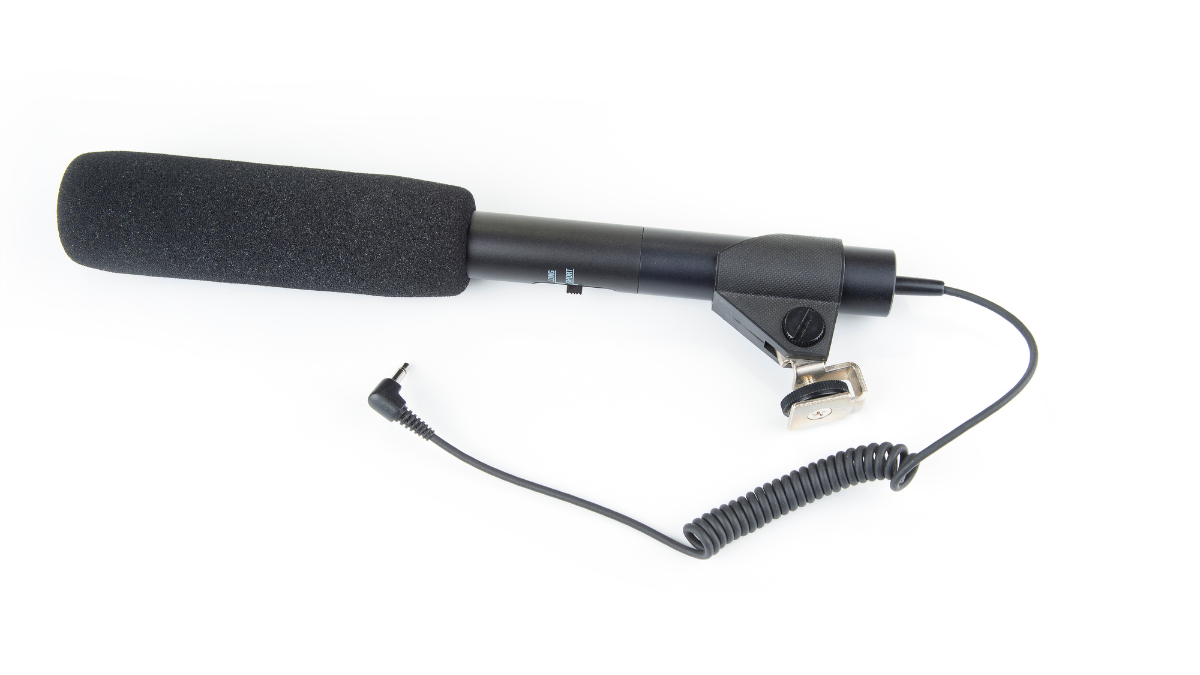
A close-up view of a shotgun microphone, ready to deliver high-quality audio in media production.
To ensure clarity in our recordings, always equip the shotgun microphone with a windshield or windscreen. These accessories are essential when recording outdoors as they reduce wind noise, which can otherwise distort the sound. Indoors, they also protect against unwanted breath sounds or plosives that can compromise the audio quality. They’re particularly effective in maintaining a clean signal, even in challenging weather conditions.
Minimize Background Noise
Minimize background noise for professional-sounding recordings. This means we must be strategic in our microphone placement, aiming to increase the signal-to-noise ratio. By doing this, the desired sound source is prominent, while the surrounding noises are less intrusive. To achieve this, let’s locate the quietest part of the set or recording environment and position ourselves accordingly.
Consider the Acoustic Environment
The acoustic qualities of the recording space have a huge impact on the sound capture. Hard surfaces may cause unwanted reflections and reverb, so we should seek out spaces with soft materials that absorb sound, like curtains or carpets. When recording in a lively room isn’t avoidable, we can position acoustic foam strategically to dampen reflections and enhance the audio capture.
Experiment with Different Angles and Distances
To find the sweet spot in audio pickup, experimenting with different angles and distances is key. Aiming the microphone directly at the sound source isn’t always the best position. Sometimes, positioning it slightly off-axis can yield a more natural sound or reduce the effect of plosives. We’ll try various placements to discern which arrangement best suits the individual recording situation.
Perform Regular Maintenance
Last but not least, regular maintenance is critical. Clean and check our shotgun microphones consistently to avoid any potential issues. Dust and dirt can impede performance, so it’s necessary to gently clean the microphone’s body and diaphragm. Also, check connections and cables for signs of wear and tear to ensure they’re always in top working condition. High-quality audio recordings rely on both skillful handling and an understanding of the tools at our disposal. By employing these tips, we take proactive steps to enhance our shotgun microphone’s performance and elevate the standard of our work.
Conclusion
We’ve armed you with the know-how to master shotgun microphones, ensuring you capture crystal-clear audio every time. Remember, it’s the subtle techniques and attention to detail that make all the difference. By implementing our tips and keeping up with maintenance, you’ll elevate your recordings from good to great. Now it’s time to put these strategies into action and let your enhanced audio speak volumes.
Frequently Asked Questions
What is the main purpose of using a windshield with a shotgun microphone?
Using a windshield or windscreen with a shotgun microphone serves to reduce wind noise and protect the mic from unwanted breath sounds or plosives, ensuring clearer audio quality.
How can background noise be minimized when using a shotgun microphone?
Background noise can be minimized by strategically placing the microphone away from noise sources and by considering the acoustic environment to prevent unwanted sound pickup.
Why should one experiment with microphone angles and distances?
Experimenting with different angles and distances helps find the best audio pickup for your specific recording situation, allowing for improved sound clarity and quality.
How important is regular maintenance for a shotgun microphone?
Regular maintenance is crucial for a shotgun microphone as it ensures longevity and consistent optimal performance, preventing issues that may degrade the sound quality.
Our Portfolio

Santa Cecilia de Logroño Church


Igniting Faith: The Technological Transformation of Valledupar Cathedral


R&R: A Journey of Design, Technology, and Passion

Innovation in Commercial Lighting: The Magic Behind the Verdi Project

Lighting that Inspires: An Exceptional Design Project

Universidad del Atlantico Theater: A Legacy of Technological and Cultural Innovation


Master Auditoriums at UniNorte: How Schallertech Created a 21st Century Learning Space
Table of contents