Table of contents
The Role of Lighting in Theater
Have you ever wondered how the magic on stage is created? How the audience is immersed in a story and feels the emotions of the characters? The answer is: theatrical lighting.
Theatrical lighting is an essential element in creating atmospheres and emotions on stage. Without good lighting, theater would be flat and boring. With good lighting, theater becomes a vibrant and living art.
In this article, we will explain the key elements of lighting design in the context of theater. We will show you how theatrical lighting enhances narrative and performance, how appropriate equipment and infrastructure are used, how innovation and technology are incorporated into stage lighting, and how safety on stage is ensured.
If you are interested in theater and want to know more about the design of lighting and its impact on stage, keep reading.
The Artistic Vision of Theatrical Lighting
Theatrical lighting is not just a technical issue. It’s also an artistic one. The main goal of theatrical lighting is to enhance the narrative and performance, complementing the vision of the director and actors.

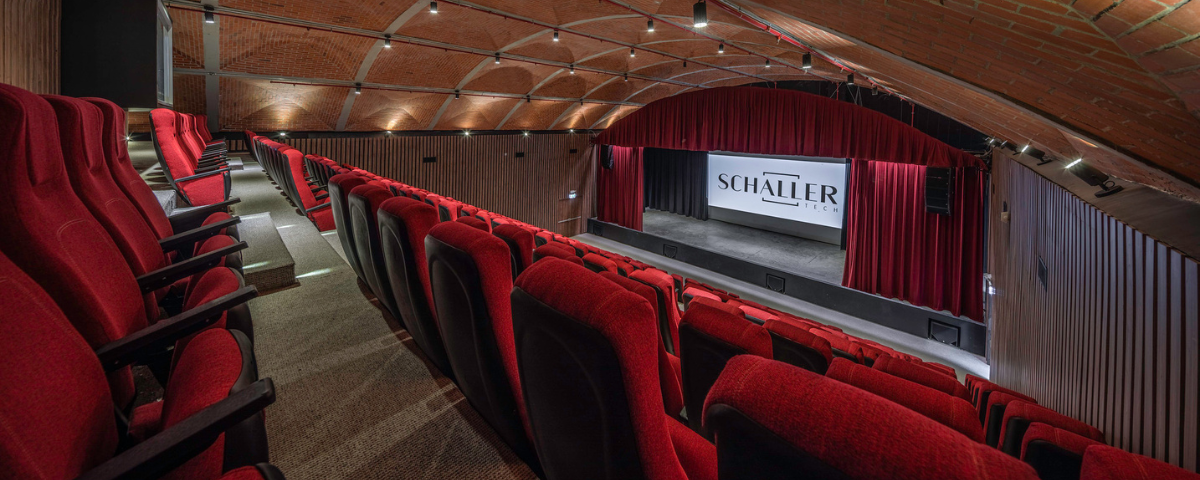
Atlantic University Theater Project by Schallertech
Theatrical lighting helps create the tone, rhythm, focus, and contrast of a theatrical work. Theatrical lighting can also suggest time, place, weather, and the mental state of the characters.
To achieve these objectives, the lighting designer uses different colors, shadows, and intensities to evoke different moods and create unique atmospheres. For example, blue light can convey coldness, sadness, or mystery; red light may indicate passion, violence, or danger; white light can represent purity, clarity, or realism.
The lighting designer also plays with shadows to create dramatic or symbolic effects. For example, a lengthened shadow may suggest a threat or power; a fuzzy shadow may reflect confusion or doubt; an absent shadow may imply invisibility or death.
Equipment and Infrastructure in Lighting Design
To create the artistic vision of theatrical lighting, appropriate equipment and infrastructure are needed. The equipment and infrastructure in lighting design include the different types of fixtures and lighting equipment used in theater.
Fixtures are devices that emit light and are classified based on their shape, size, power, and function. Some examples of fixtures are spotlights, par cans, ellipsoidals, wash lights, and projectors.

Stage Lighting at Atlantic University Theater
Equipment and infrastructure also include the lighting control system that allows programming and adjusting the lighting during the show. The lighting control system consists of a console that sends signals to dimmers that regulate light intensity, and circuits that connect the fixtures with the dimmers. The lighting control system enables the creation of scenes, transitions, and lighting effects in a precise and synchronized manner.
Innovation and Technology in Stage Lighting

Stage Lighting
Theatrical lighting is not a static art. It is a dynamic and constantly evolving art. Innovation and technology have revolutionized theatrical lighting and the creative possibilities it offers. Some examples of innovation and technology in stage lighting are:
- LED Lighting: LED lighting is a light source that consumes less energy, produces less heat, and allows color changes without the need for filters. LED lighting offers greater versatility, efficiency, and sustainability in lighting design.
- Smart Lighting: Smart lighting is a fixture that can move, focus, and change color automatically or be remotely controlled. Intelligent lighting allows for dynamic and spectacular effects on stage.
- Interactive Lighting:
- Interactive Lighting: Interactive lighting is a light fixture that can react to sound, movement, or other external stimuli. Interactive lighting allows for a greater connection between the lighting and the performance, as well as between the lighting and the audience.
Stage Lighting and Safety
Theatrical lighting must not only be beautiful and functional but also safe. Safety on stage is a priority for the lighting designer, as poor lighting can cause accidents or injuries to both actors and technical staff. Some safety considerations in lighting design include:
- Proper lighting for the safe movement of actors and technical staff: The lighting designer must ensure there is sufficient light for actors to see where they are and where they are heading, as well as for the technical staff to handle stage elements without risk. Sudden or excessive light changes that could dazzle or confuse the actors or the audience should also be avoided.
- Planning and training to prevent lighting-related accidents: The lighting designer should plan the lighting design in advance, taking into account the characteristics of the stage space, the needs of the production, and safety standards. They should also train the technical team on the proper use and maintenance of lighting equipment and infrastructure. In addition, they should conduct tests and rehearsals before the show to ensure everything is working correctly.

 Safety lighting in the theater of the Culture Factory. Project developed by Schallertech
Conclusion
In this article, we have explained the key elements of lighting design in the context of theater. We have shown you how theatrical lighting enhances narrative and performance, how to use the appropriate equipment and infrastructure, how innovation and technology are incorporated into stage lighting, and how safety on stage is ensured. We hope you have learned something new and enjoyed this article.
At Schallertech, you will find everything you need to light up your stages with quality and creativity. From fresnels, ellipsoidals, moving heads, optipares, consoles, filters, and gobos to control systems, special effects, smoke machines, and much more. Plus, you’ll get advice from experts in theatrical lighting to help you choose the most suitable products for your project.
Don’t hesitate any longer and contact us to discover all we have for you. You’ll love it!
Our Portfolio


Metropolitan Stadium: Clear and Powerful Sound with Renkus-Heinz Speakers

R&R: A Journey of Design, Technology, and Passion
The Renaissance of the Bolivarian Museum of Soledad: Technology and Tradition Intertwined
Innovation in Commercial Lighting: The Magic Behind the Verdi Project

Mutis Auditorium at Rosario University. The Greatest Acoustic Challenge We Have Faced.

Apartment in Barranquilla: Home Automation and Lighting
Table of contents