Table of contents
Key Takeaways
- User interfaces and controls are essential in transforming homes into smart hubs, offering unmatched convenience by enabling the control of lighting, temperature, and entertainment systems through simple actions.
- Intelligent home automation devices significantly enhance energy efficiency, with smart thermostats and lighting saving up to 12% and 20% on energy, respectively, contributing to both financial savings and environmental preservation.
- Security in smart homes is bolstered through integration with security cameras, smart locks, and alarms, providing homeowners with peace of mind through real-time alerts and remote access, ensuring homes are safe and secure.
- The evolution of user interfaces from keypads to touchscreen panels, voice control devices, and mobile apps has made home automation more accessible, catering to both tech-savvy users and those less familiar with smart technology.
- Centralized control systems and remote access capabilities are revolutionizing home automation by allowing homeowners to manage and monitor multiple devices from a single interface, ensuring convenience and efficiency.
- When selecting user interfaces and controls, considering factors such as user-friendly design, compatibility with existing systems, and scalability is crucial to ensuring the system meets current and future needs while providing an intuitive and seamless user experience.
Importance of User Interfaces and Controls
Enhancing Convenience and Comfort
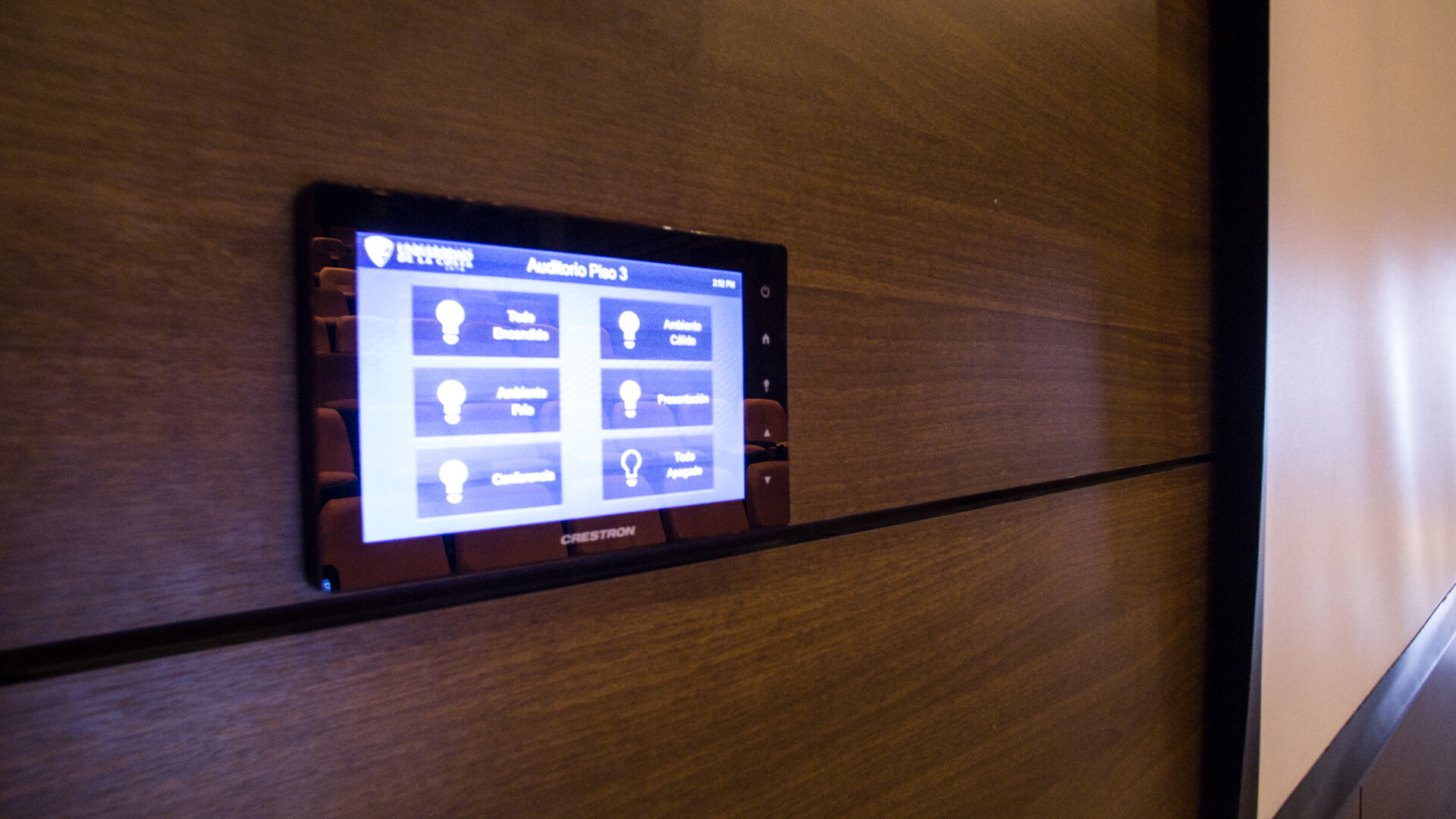
In the world of home automation, enhancing convenience and comfort is crucial. User interfaces and controls are at the heart of this transformation. They allow us to manage our homes with ease, enabling the adjustment of lighting, temperature, and entertainment systems with just a few clicks or voice commands. This level of personalization doesn’t just add to our comfort; it revolutionizes the way we interact with our living spaces. Imagine waking up to your favorite music, with the curtains automatically drawing to let in the morning light, all triggered by a simple voice command. This isn’t a glimpse into the future; it’s the reality we can create today with sophisticated user interfaces and controls.
Increasing Energy Efficiency
One of the most impactful benefits of advanced user interfaces and controls in home automation is their ability to significantly increase energy efficiency. By allowing us to monitor and control our home’s energy consumption in real-time, we can make smarter decisions that save both energy and money. For instance, smart thermostats learn our schedules and preferences, adjusting the heating or cooling systems to operate only when needed. The result is a reduction in unnecessary energy use, which is not only good for our wallets but also for the planet. Here’s a quick look at the potential energy savings:
| Device | Average Energy Savings |
|---|---|
| Smart Thermostats | Up to 10% – 12% |
| Smart Lighting | Up to 20% |
These figures highlight the eco-friendly potential of integrating smart controls in our homes.
Improving Security
In today’s world, security is more important than ever, and user interfaces and controls in home automation play a pivotal role in enhancing our home’s security systems. Through seamless integration with security cameras, smart locks, and alarm systems, we gain peace of mind knowing that our homes are safe and secure. Real-time alerts and remote access features mean that we’re always informed about what’s happening at our property, even when we’re miles away. By combining convenience with security, these systems not only protect our homes but also offer a level of control and assurance that was unimaginable just a few decades ago.
Types of User Interfaces in Home Automation
Keypads
When we think about controlling the myriad devices in our smart homes, keypads might seem like a blast from the past. Yet, they remain an integral part of many home automation systems. What sets keypads apart is their reliability. There’s something reassuring about physical buttons, especially for basic functions like turning lights on and off or arming a security system. The tactile feedback lets us know the action has been registered, without second-guessing. Also, keypads often come with customizable buttons, allowing us to tailor them to our most-used actions. This customization means that, even though their simplicity, keypads offer a level of convenience that’s hard to overlook.
Touchscreen Wall Panels
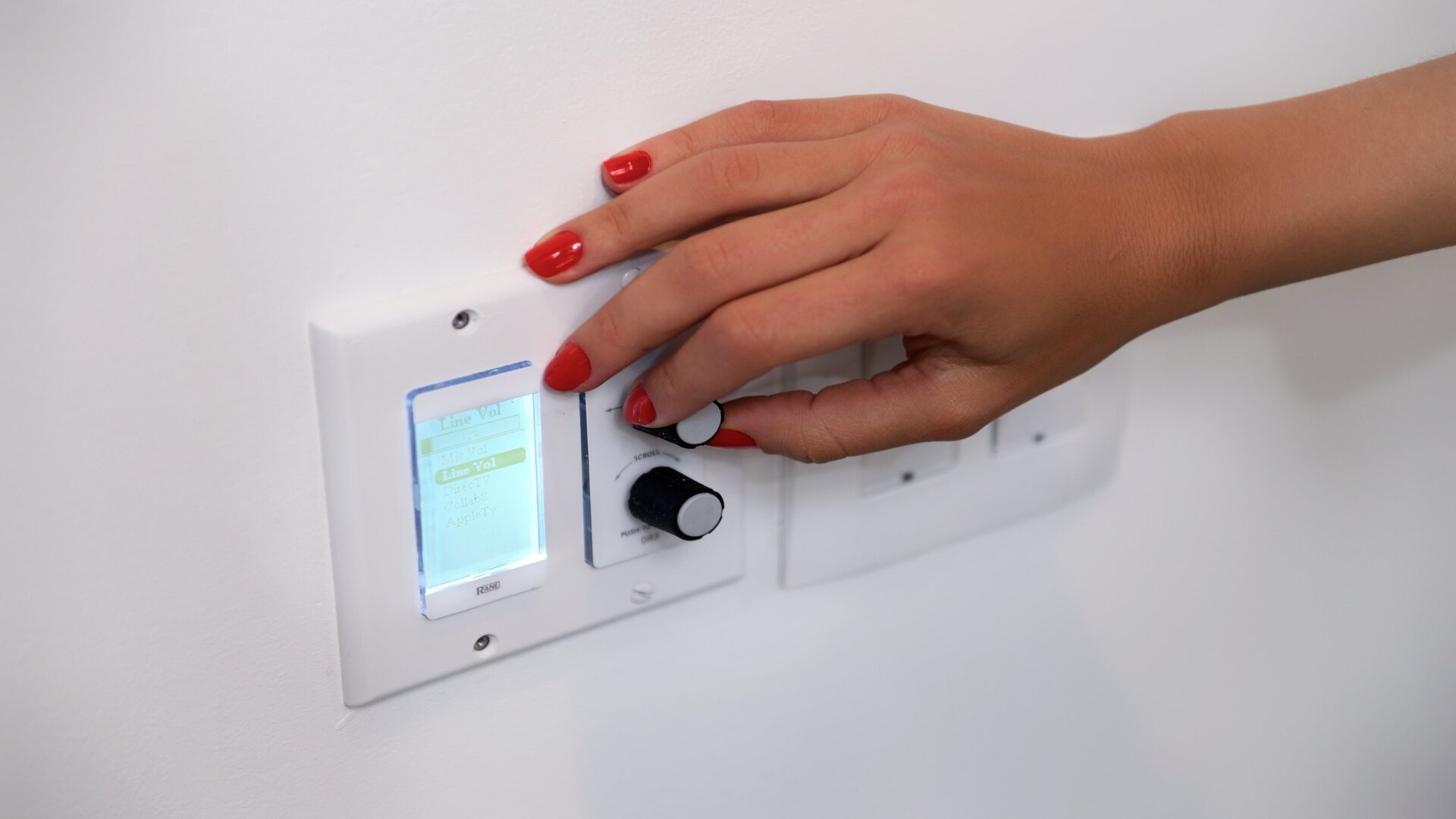
Moving from the simplicity of keypads, touchscreen wall panels represent the evolution of user interfaces in home automation. These panels not only enable us to control nearly every aspect of our smart homes — from lighting and climate to surveillance and entertainment systems — but also serve as central hubs for managing and monitoring our homes. The real magic of touchscreen panels lies in their intuitive interfaces. With clear, vibrant displays and the ability to configure complex scenes or routines with just a few taps, they cater to both tech-savvy users and those less familiar with smart home technology. Their sleek design also adds a modern touch to our living spaces, blending seamlessly into the home environment.
Voice Control Devices
Voice control devices have revolutionized the way we interact with our smart homes. By eliminating the need for physical interaction, they’ve made home automation more accessible than ever. Simply put, telling our home to dim the lights or play our favorite song feels like living in the future. The convenience of voice control lies in its hands-free operation, making it especially useful for those times when we’re cooking, cleaning, or our hands are otherwise occupied. It’s about simplifying our daily routines, providing an effortless way to interact with our digital assistants. Whether we’re asking for the weather forecast or controlling smart devices, voice control devices make it all possible with just a few words.
Mobile Apps
If there’s one interface that stands out for its ubiquity and versatility in home automation, it’s mobile apps. Virtually every smart device or system comes with its own app, putting control of our homes at our fingertips, no matter where we are. The power of mobile apps lies in their ability to provide us with remote access and real-time monitoring capabilities. This means we can adjust our thermostats while we’re away, check our security cameras on the go, or even unlock our front door for a guest from anywhere in the world. The convenience and peace of mind that come with this level of control are unparalleled. Besides, most apps offer customization options and the ability to set up routines or schedules, enhancing our home automation experiences and making our lives even more comfortable and efficient.
Integration of User Interfaces and Controls
Centralized Control Systems
In the area of home automation, centralized control systems have revolutionized how we interact with our homes. These systems serve as the brain of home automation, allowing us to manage multiple devices from a single interface. Imagine turning off lights, adjusting the thermostat, and checking security cameras all from one touchscreen panel or app. That’s the convenience centralized control systems offer. They’re designed to be intuitive, ensuring that anyone in the household can easily master their use. With these systems, we’re not just controlling our homes; we’re customizing our living environments to suit our preferences and schedules, making life more comfortable and efficient.
Remote Access and Monitoring
Remote access and monitoring take home automation to another level. Through mobile apps, we can control our home’s systems from anywhere in the world, provided we have internet access. Forget to turn off the lights or adjust the thermostat before leaving on a trip? No problem. A few taps on your phone, and you can rectify that from miles away. Beyond convenience, this capability offers peace of mind. Whether it’s receiving real-time alerts when a security camera detects movement or checking in on the temperature of your home during a heatwave, remote access and monitoring ensure that you’re always in the loop and in control.
Integration with Smart Devices
The magic of modern home automation lies in its ability to integrate with a wide array of smart devices. From smart bulbs and thermostats to voice-controlled assistants and automated window shades, each component can be interconnected to create a synchronized, efficient home environment. This interoperability allows us to create routines and scenarios that adapt to our lifestyles. Wake up to natural light as your smart blinds gradually let the sunrise in, while your favorite morning playlist plays softly in the background. At night, command your voice assistant to “activate night mode,” dimming the lights and locking the doors, all without lifting a finger. It’s this seamless integration that turns a house into a responsive, adaptive home, catering to our needs and preferences with unrivaled precision.
Factors to Consider when Choosing User Interfaces and Controls
When venturing into the area of home automation, the selection of user interfaces and controls is paramount. These elements are not just about turning devices on or off but are pivotal in enhancing the interaction between us and our smart homes. Let’s jump into the crucial factors we need to consider.
User-Friendly Design
At the heart of every home automation system is its usability. A user-friendly interface is the linchpin for ensuring our interactions are seamless and intuitive. The interface must cater to users of all ages and technical proficiencies, offering clear instructions and feedback. High readability, responsive design, and straightforward navigation are key components that define a user-friendly design.
Touchscreen panels and mobile apps have set the bar high, incorporating gestures and actions that we’re already familiar with from our smartphones. Voice-controlled devices take usability a step further by allowing hands-free operation, which is not only convenient but also accessible to users with physical limitations.
Compatibility with Existing Systems
Compatibility is a cornerstone for integrating new user interfaces and controls into our homes. The last thing we want is a mismatch between our shiny new device and the existing system. Compatibility ensures that devices can communicate effectively, creating a cohesive network rather than a disjointed assembly of gadgets.
Before adopting a new interface or control system, it’s essential to verify it works harmoniously with our current setup. This might involve checking protocols such as Zigbee, Z-Wave, or Wi-Fi and ensuring the product is compatible with major ecosystems like Amazon Alexa, Google Assistant, or Apple HomeKit. This foresight prevents headaches down the line and safeguards our investment.
Scalability and Expansion Options
As our needs evolve, so does our home automation system. Scalability refers to the ability of our user interfaces and controls to grow and adapt to new additions. The best systems are those that offer flexibility, allowing us to integrate more devices without overhauling the entire setup.
When considering scalability, we should look for systems that support a wide range of devices and services. Modular systems that allow us to add components as needed are particularly valuable. Also, cloud-based services offer significant advantages by enabling software updates that introduce new features and improvements, keeping our system at the cutting edge.
In exploring the journey towards a smart home, remembering these factors ensures we select user interfaces and controls that not only meet our current needs but are also geared for the future. Our choices should empower us, bridging the gap between technology and comfort, transforming our home into a sanctuary that responds to our every command with grace and precision.
Get In Touch
We’ve journeyed through the transformative world of home automation, understanding the pivotal role user interfaces and controls play in elevating our living experience. They’re not just tools; they’re gateways to a smarter, more efficient, and secure home. As we’ve seen, the choice of interface—be it keypads, touchscreen panels, voice devices, or mobile apps—can significantly impact how we interact with our home’s systems.
Choosing the right interface means aligning with our lifestyle, ensuring ease of use, and making sure our home’s technology grows with us. It’s about creating a home that not only listens but also responds to our needs with precision and agility. As we move forward, let’s embrace these innovations, making informed choices that turn our homes into the responsive, comfortable, and efficient spaces we all deserve.
Remember, the future of home automation is in our hands, and it’s brighter than ever. Let’s make the most of it.
Frequently Asked Questions
What are the benefits of user interfaces and controls in home automation?
User interfaces and controls in home automation provide convenience and comfort by enabling easy management of home lighting, temperature, and entertainment systems. They contribute to energy efficiency by optimizing home energy use in real-time, and improve home security through integration with various security devices, offering remote access and real-time alerts.
How do smart thermostats and lighting contribute to energy savings?
Smart thermostats and lighting adjust home environments based on user preferences and presence, optimizing energy consumption and reducing waste. This results in significant energy savings over time by automating heating, cooling, and lighting only when needed.
What are the different types of user interfaces available in home automation?
Home automation comprises various user interfaces such as keypads, touchscreen wall panels, voice control devices, and mobile apps. Each offers unique benefits: keypads for reliability, touchscreen panels for intuitive control and central hub features, voice control devices for hands-free operation, and mobile apps for remote access and monitoring.
How does the integration of user interfaces enhance the home automation experience?
The integration of user interfaces in home automation allows for centralized control of multiple devices from a single interface. This centralization, along with remote access and monitoring capabilities, offers unparalleled convenience and efficiency, allowing users to control their home’s systems from anywhere and creating a synchronized home environment.
What should be considered when choosing user interfaces and controls for home automation?
When selecting user interfaces and controls for home automation, consider user-friendly design for seamless interaction, compatibility with existing devices for effective communication, and scalability for future expansions. These factors ensure a system that is not only easy to use but also adaptable to new technologies and user needs.
Our Portfolio

Turning Stars into Experiences: The Remodeling of the Combarranquilla Planetarium by Schallertech

Master Auditoriums at UniNorte: How Schallertech Created a 21st Century Learning Space
The House in the Air: Technological Transformation

Designing the Sound and Visual Experience of Teriyaki Komodo Restaurant: A Case of Technological Innovation


How Schallertech Transformed the Atlantic Museum into an Interactive Adventure

Apartment in Barranquilla: Home Automation and Lighting


Art and Light: Contemporary Design in the SB Apartment
Table of contents