Table of contents
At Schaller Design Lab, we’re always on the hunt for cutting-edge software and tools that revolutionize acoustic design. We understand that the right technology can transform a space by perfecting its sound quality.
Today, we’re sharing our top picks for acoustic design software that’ll help you achieve auditory excellence. Whether you’re an architect, sound engineer, or a design enthusiast, these tools are game-changers in crafting the perfect acoustic environment.
Understanding Acoustic Design
Importance of Acoustic Design in Architecture
At Design Lab, we’ve observed the increasing integration of acoustic design into the architectural process. This is largely due to the growing recognition that soundscapes are as vital to a project’s success as its visual aspects. High-quality acoustic design ensures that spaces are not only aesthetically pleasing but also functionally sound. Buildings equipped with superior acoustic features enhance the user experience and often yield higher market values.
Architects who prioritize acoustics create environments that cater to the specific needs of their occupants. From reducing noise pollution in busy offices to creating serene atmospheres in healthcare facilities, effective acoustic design is crucial. When spaces are acoustically optimized, speech intelligibility is improved in auditoriums, privacy is heightened in residential areas, and workers’ productivity is boosted in open-plan offices. These are quantifiable benefits that affirm the importance of integrating acoustics during the initial design phases rather than as an afterthought.
How Acoustic Design Can Improve Sound Quality
Through precise acoustic design, at Design Lab, we enhance the sound quality within various environments. Our expertise in the realm of sound clarity, echo control, and reverberation management comes into play when we select and apply the right software and tools for your acoustic challenges.
The meticulous application of materials and design principles can drastically reduce unwanted noise and echoes, creating a more comfortable auditory environment. For example, incorporating sound-absorbent materials can lessen the impact of reverberation and improve speech intelligibility in lecture halls or conference rooms.
Moreover, sophisticated acoustic design can prevent sound leakage between spaces thus maintaining the confidentiality of conversations and allowing for multiple uses of closely situated areas. By leveraging state-of-the-art software and technology, we assist in creating soundscapes that are tailored to the desired experiences of end-users. Whether aiming for the crisp acoustics of a performance venue or the tranquility of a library, effective acoustic design is the key to ensuring our clients’ objectives are met.
Essential Software for Acoustic Design
Sound Modeling Software

Insight into a room under renovation showcasing the installation of green insulation material.
At Design Lab, we’ve discovered that investing in high-quality sound modeling software is critical for engineers and architects who are serious about acoustic design. These programs allow us to visualize the impact of sound in a given space before construction even begins. Sophisticated algorithms model sound waves and their interactions with different surfaces, providing us with invaluable insights into the acoustic properties of our design projects. We rely on these tools to predict potential issues and maximize sound clarity.
- Ease-Of-Use: Intuitive interfaces make it simple for us to manipulate variables and see results in real-time.
- Precision: Detailed settings help us account for materials, geometry, and other factors that influence sound behavior.
Some of the top software in the market bridges the gap between technical data and real-world application, ensuring our designs are both aesthetically pleasing and acoustically optimized.
Reverberation Analysis Tools
Understanding and controlling reverberation is crucial for the creation of comfortable auditory environments. Our team at Design Lab uses advanced reverberation analysis tools that measure and depict how sound reflects and decays within a space. These tools analyze various room shapes and materials, allowing us to fine-tune spaces for optimal sound absorption and diffusion.
Key benefits of these tools include:
- Predictive Analysis: We’re able to anticipate the reverberation time (RT60) and adjust our designs accordingly.
- Material Simulation: Testing different materials’ impact on reverberation ensures that the chosen ones fit the intended use of the space.
Through rigorous analysis, we eliminate unwanted echoes and enhance overall sound quality, reflecting our commitment to designing spaces where clarity and comfort are paramount.
Acoustic Simulation Software
Utilizing acoustic simulation software, Design Lab harnesses the power of virtual acoustics to create auralization experiences for clients and stakeholders. With these simulations, we render audible soundscapes that demonstrate what one would hear in the proposed environment. This powerful predictive capability ensures our acoustic solutions align with the desired auditory experience.
We value these simulations for their:
- Realistic Soundscapes: They render lifelike audio environments that help fine-tune our designs.
- User Engagement: Clients can “hear” the potential of a space, which supports better-informed decisions.
Whether we’re designing concert halls or private residences, acoustic simulation software plays a pivotal role in our ability to deliver soundscapes that achieve our clients’ visions.
Tools for Acoustic Measurement
Sound Level Meters
At Design Lab, we understand that precise measurement of sound levels is paramount in acoustic design. Sound level meters are the workhorses in our assessment toolkit. These devices accurately gauge the intensity of sound in the environment, providing us with decibel readings critical to our analysis. With advanced features like frequency weighting and time weighting, they offer a comprehensive insight into the acoustic environment. We utilize the data from these meters to ensure compliance with noise regulations and to create soundscapes that meet our clients’ exact specifications.
Signal Analyzers
The integrity of audio signals cannot be overlooked in our quest for perfect acoustics. Signal analyzers play a crucial role in this part of our workflow. Armed with these tools, we dissect complex waveforms to untangle the elements of sound. Signal analyzers help us pinpoint harmonic distortions, measure signal-to-noise ratios, and capture spectral contents. This level of detail aids us in diagnosing acoustic problems and tailoring solutions that cater to the unique needs of each space.
Room Acoustic Analyzers
Room acoustic analyzers are critical in modeling and modifying the sonic characteristics of a space. These sophisticated tools assist us in evaluating various attributes like reverberation time, speech intelligibility, and sound decay. We leverage this technology to simulate and predict how proposed design elements will influence a room’s acoustics. Whether it’s optimizing a concert hall or dampening noise in a busy restaurant, room acoustic analyzers provide us with the scientific backbone to make informed decisions on materials and design features.
Software and Tools for Room Design
Room Acoustic Modeling Software

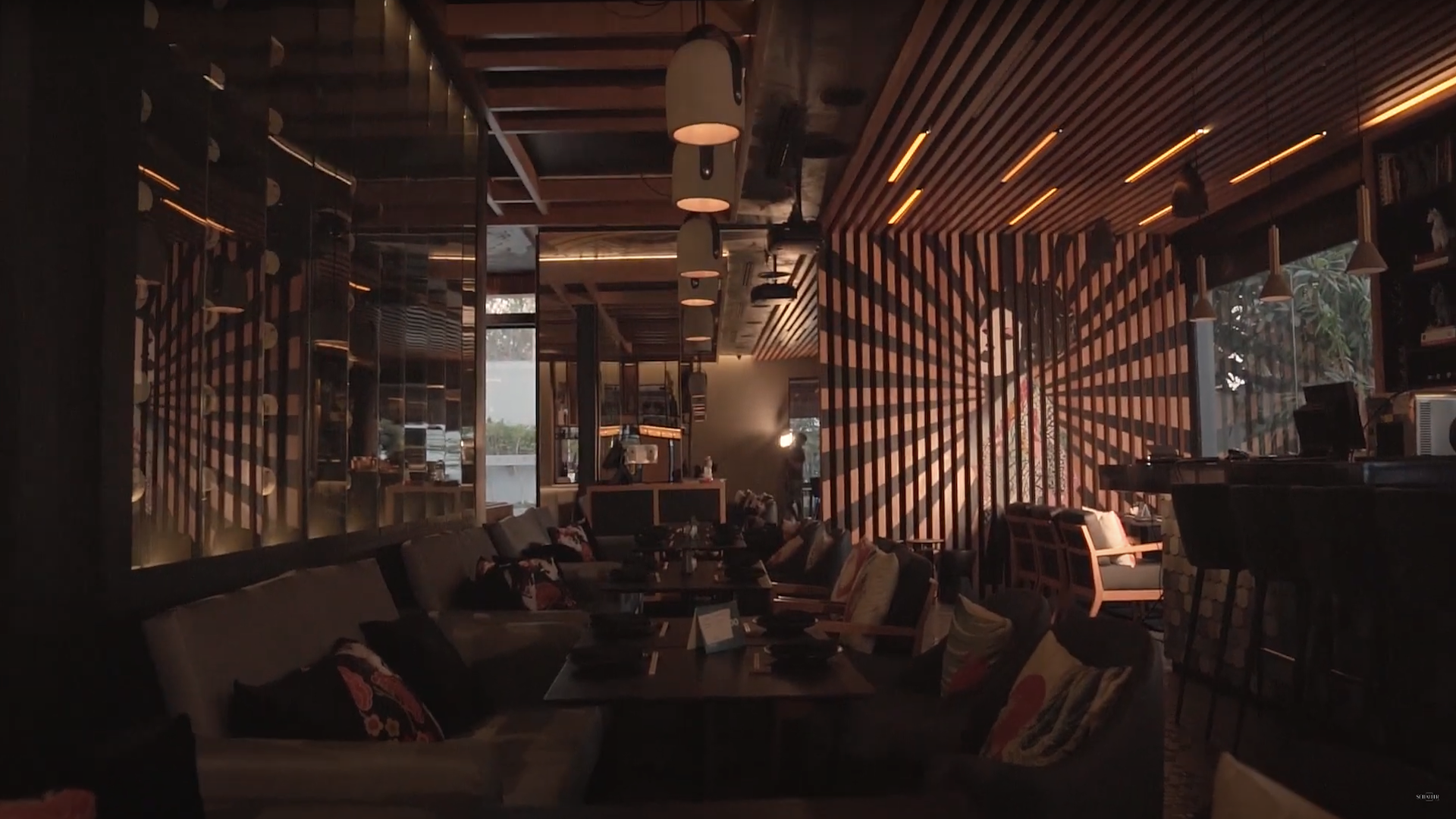
A modern meeting room brought to life with a vibrant geometric wall art installation.
In the world of acoustic design, precision is paramount. That’s where Room Acoustic Modeling Software comes into play. These powerful tools enable us to simulate the acoustic properties of any given space, providing crucial insights into how sound behaves in various environments. At Design Lab, we use state-of-the-art modeling software to create accurate aural snapshots. These simulations display how different designs will affect sound propagation, reverberation, and overall acoustic quality.
Leading room acoustic modeling software includes:
- EASE (Enhanced Acoustic Simulator for Engineers)
- CATT-Acoustic
- Odeon
Each software package comes with a unique set of features, but all share the ability to predict sound fields and reverberation times accurately. They’re essential for tweaking design elements before actual construction or renovation begins.
Absorption Coefficient Calculation Tools
One critical aspect of acoustic design is understanding materials’ impact on sound. Absorption Coefficient Calculation Tools are an acoustician’s best friend for determining how much sound various materials absorb. Knowing the absorption coefficients ensures we select the right materials for the desired acoustic outcome of a space. At Design Lab, our toolkit includes software capable of calculating these coefficients with high precision, taking into account frequency-specific absorption and the angle of incidence of sound waves.
Some notable tools and standards used in this process:
- ASTM C423 – Standard Test Method for Sound Absorption
- ISO 354 – Acoustics – Measurement of Sound Absorption
These guidelines and tools help to calculate the necessary data leading to informed decisions about material use in any project.
Diffuser Design Software
Achieving a balanced soundscape oftentimes requires the strategic use of diffusers. Diffuser Design Software assists us in crafting these crucial components that scatter sound waves, reducing focal points of intensity and creating a more uniform acoustic environment. Sophisticated algorithms within the software can optimize diffuser shape and arrangement to best suit the specific needs of a room.
When it comes to diffuser design, popular software includes:
- Skyline Diffuser Design Algorithms
- Quadratic Residue Diffuser Calculators
By employing these tools, we’re able to design a space that not only looks aesthetically pleasing but also meets the highest acoustic performance standards. The role of diffusers can’t be understated, and with the right software, we can ensure their optimal performance and integration into any room design.
Conclusion
We’ve explored the pivotal role of various hardware and software in shaping the acoustic environment. With the right tools at our disposal, we can measure, analyze, and model spaces to create the perfect auditory experience. Whether we’re fine-tuning a concert hall or ensuring an office meets noise regulations, these technologies are indispensable. Let’s harness the power of these acoustic design tools to craft spaces that sound just as good as they look.
Frequently Asked Questions
What is the role of sound level meters in acoustic design?
Sound level meters are instrumental in accurately measuring sound intensity and ensuring spaces meet regulatory noise standards. They’re essential for assessing and controlling noise pollution in diverse environments.
How do signal analyzers assist in acoustic problem-solving?
Signal analyzers are key for examining audio signals and identifying issues within an acoustic environment. They provide detailed insights which help professionals diagnose and solve specific acoustic problems.
Why are room acoustic analyzers important for architects?
Room acoustic analyzers allow architects to simulate the sonic characteristics of a space, influencing their material choices and design decisions. These tools are critical for optimizing the acoustics of a room or building.
Can software tools be used in acoustic room design?
Yes, software tools play a vital role in room acoustic design. They help to model acoustic properties, calculate material absorption coefficients, and design effective diffusers, crucial for creating a well-balanced acoustic environment.
Our Portfolio

Residential Design Casa JC: Sophistication and Technology

Metropolitan Stadium: Clear and Powerful Sound with Renkus-Heinz Speakers
CM: When Technology Meets Creativity

Mutis Auditorium at Rosario University. The Greatest Acoustic Challenge We Have Faced.

Turning Stars into Experiences: The Remodeling of the Combarranquilla Planetarium by Schallertech

Apartment in Barranquilla: Home Automation and Lighting

Casa PC: Design, Entertainment, and Technology

GP Apartment: Exceptional Design and Technology
Table of contents