Table of contents
- What is a Gooseneck Microphone?
- Types of Gooseneck Microphones
- Benefits of Using a Gooseneck Microphone
- Applications of Gooseneck Microphones
- Factors to Consider When Choosing a Gooseneck Microphone
- How to Properly Use and Maintain a Gooseneck Microphone
- Conclusion (Final thoughts and wrap-up)
- Frequently Asked Questions
Gooseneck microphones are the unsung heroes of the audio world, offering versatility and precision in various settings. We’re diving into the nitty-gritty of these flexible audio essentials, exploring why they’re a top pick for podiums, conferences, and studios alike.
At Schaller Design Lab, we’ve mastered the art of integrating gooseneck mics into any project. Whether you’re looking to design an auditorium, upgrade a boardroom, or simply seek advice on the best audio solutions, we’re here to help.
Need a hand with your project, wherever you are in the world? Reach out to us for expert consulting and top-notch equipment recommendations. Let’s make your audio experience seamless and professional.
What is a Gooseneck Microphone?
Definition and Function
A gooseneck microphone is a versatile audio capturing device with a flexible neck, allowing precise positioning. Unlike handheld or stationary mics, gooseneck microphones provide stability and adaptability in a variety of contexts. They are specifically designed for hands-free operation, often mounted on podiums or attached to consoles. The flexible neck—the “gooseneck”—is the hallmark of these microphones, enabling users to adjust the angle and proximity to the speaker’s mouth for optimal sound quality. This malleability ensures clear audio capture even in challenging acoustic environments.
- Adjustability: The defining feature of gooseneck microphones is their flexible stem, which can be bent into numerous shapes to suit different scenarios.
- Durability: These microphones are built to withstand regular manipulation and environmental factors like heat, moisture, and the occasional bump or knock.
- Sound Quality: Gooseneck microphones are engineered with precision to deliver crisp and clear audio, focusing on the speaker’s voice while reducing background noise.
- Mounting Options: They offer various mounting possibilities, such as permanent installations or temporary, easily removable setups.
The core components of a gooseneck microphone system typically include a capsule, which captures sound, an internal preamp, and the gooseneck itself. Connectivity options are diverse, with models offering everything from traditional XLR connectors to USB hookups for digital compatibility. The extended reach of the gooseneck also ensures that the microphone element can be placed closer to the sound source without intruding into the visual space, maintaining an unobtrusive presence.
Types of Gooseneck Microphones
Wired Gooseneck Microphones

A close-up view of a wooden podium with a gooseneck microphone, ready for a public speaking event.
We rely on wired gooseneck microphones for guaranteed connectivity and consistent power supply. They offer high-quality sound by directly connecting to sound systems with minimal interference risks. These microphones often feature XLR connectors, which professionals regard as the industry standard due to their balanced signal transmission that effectively reduces noise. Durability is another key advantage, as they tend to have fewer points of failure than their wireless counterparts. Wired gooseneck microphones are the go-to choice for:
- Podiums
- Lecterns
- Conference Rooms
Their ability to integrate with existing sound systems without the need for batteries or charging makes them a preferred choice for many installed audio solutions.
Wireless Gooseneck Microphones
Wireless gooseneck microphones provide users with ultimate flexibility and freedom of movement, making them ideal for dynamic speaking environments. They operate on various frequency bands to ensure a clear transmission, with some models offering the ability to switch frequencies to avoid interference. Among their key benefits, we find:
- Portability
- Ease of setup
- Reduced cable clutter
Wireless models typically require batteries or charging, and they harness technologies like Bluetooth or Wi-Fi for connectivity. Crucial to their performance, these microphones come with receivers that must stay within a certain range to maintain a stable connection. For contexts where cabling is impractical or mobility is vital, wireless gooseneck microphones stand out as the smart solution.
Benefits of Using a Gooseneck Microphone
Flexibility and Adjustability
We can’t overstate the importance of flexibility when it comes to microphones. Gooseneck microphones stand out for their adjustable design, allowing us to fine-tune the mic position with ease. The neck’s malleability ensures that we can direct the mic towards the sound source, be it for a speaker, an instrument, or any audio-required task. This adaptability makes it a superior choice for environments where speakers vary in height and speaking position, such as lecture halls or debate stages.
Also, the flexibility of a gooseneck microphone means that we can adjust it on the fly without interrupting the event. Its capacity to be repositioned quickly without causing noise or disturbance keeps presentations professional and interruption-free.
Great Sound Quality
Exceptional sound quality is a hallmark of gooseneck microphones. Because of their close proximity to the sound source, they capture clear and robust audio. The design includes a focused pickup pattern which helps to minimize background noise, resulting in a cleaner and more intelligible sound output. This makes them ideal for situations where clarity of speech is paramount.
Plus to reducing ambient noise, built-in technology like internal shock mounts and windscreens further enhance the sound quality. These features work to reduce handling noise and plosives, ensuring that we deliver crystal clear audio in every use case.
Improved Aesthetics
Gooseneck microphones not only excel in functionality but also enhance visual presentation. Their slender design is discrete and non-obstructive, providing an uncluttered view for both audiences and cameras. This is vital during televised or recorded events, where microphone visibility can impact the overall impression.
The sleek appearance of gooseneck microphones blends seamlessly with professional environments, maintaining a high level of design aesthetics. Whether it’s a corporate conference room or an upscale event hall, the minimal footprints of these microphones ensure that style is never compromised for functionality.
Applications of Gooseneck Microphones
Conference Rooms and Boardrooms
When we’re in conference rooms and boardrooms, clear communication is key. Gooseneck microphones excel in these environments thanks to their unobtrusive design and superior sound quality. Executives and speakers can adjust them on-the-fly, ensuring they’re always heard. High-profile meetings often hinge on the clarity of dialogue, and these microphones deliver. Because they’re frequently built with cardioid or supercardioid pickup patterns, they focus on the speaker’s voice while reducing the sound from the rest of the room. This is particularly useful during video conferencing, where every word counts and must be as clear as possible.
Lecture Halls and Classrooms
In educational settings, such as lecture halls and classrooms, audibility is essential for effective learning. Gooseneck microphones are the go-to audio solution, offering instructors the flexibility to move around without loss of audio quality. Whether they’re giving a lecture, conducting a Q&A session, or engaging with students, the mics can be easily adjusted to suit the speakers’ positions. Plus, their compatibility with existing AV systems makes them an ideal choice for integrating into multimedia presentations, further enriching the educational experience.
Houses of Worship
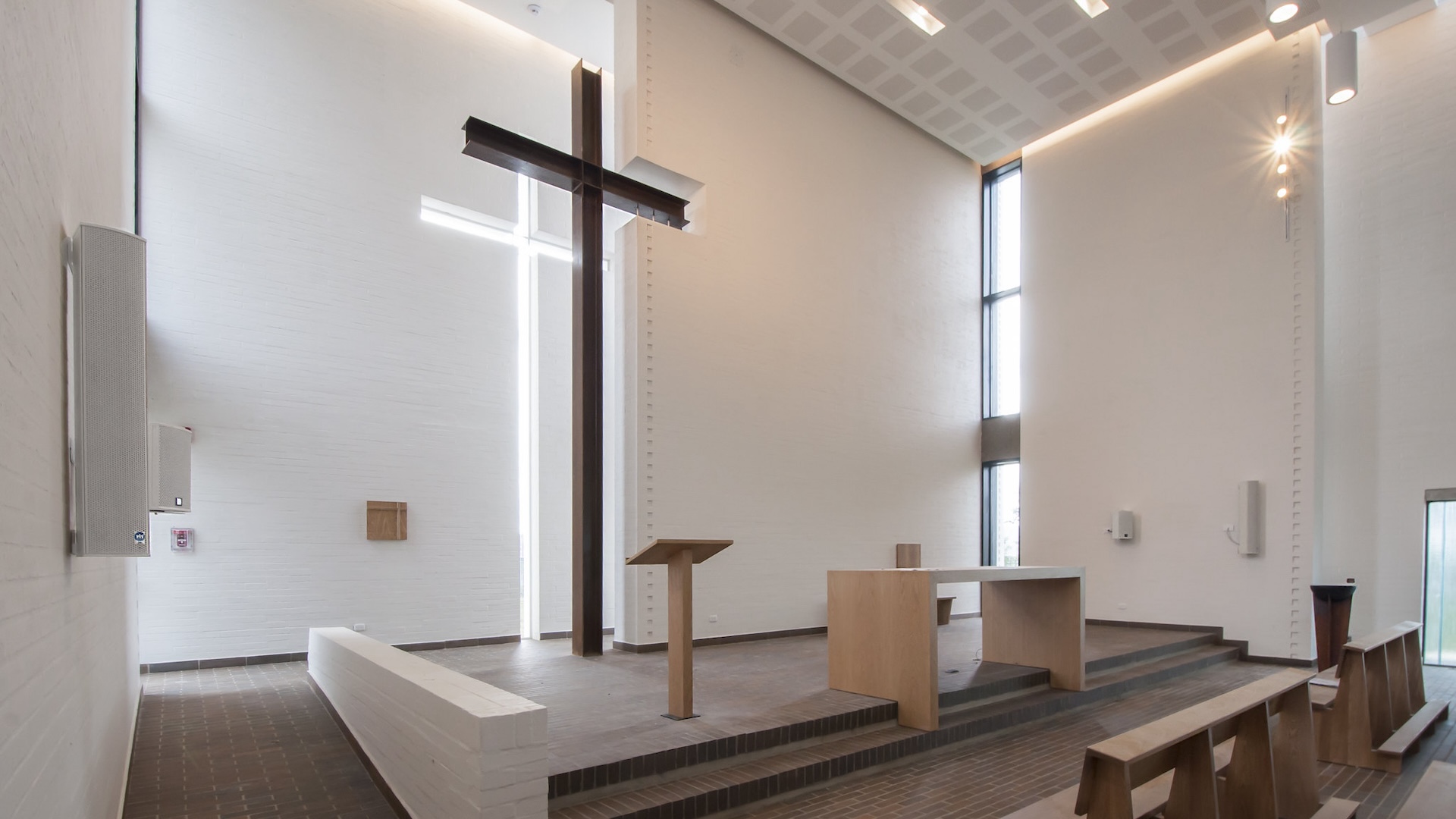
Houses of worship present a unique set of acoustic and aesthetic challenges. With gooseneck microphones, clergy and speakers enjoy unmatched sound clarity even in large, reverberant spaces. The microphones’ slender profile means they blend in with altars and pulpits without drawing attention away from the service. Advanced noise-canceling capabilities ensure that prayers, sermons, and readings are delivered to congregations with reverence and without interruption. Their reliable performance supports the solemnity of religious ceremonies, enhancing worshipers’ overall spiritual experience.
Factors to Consider When Choosing a Gooseneck Microphone
Length and Flexibility
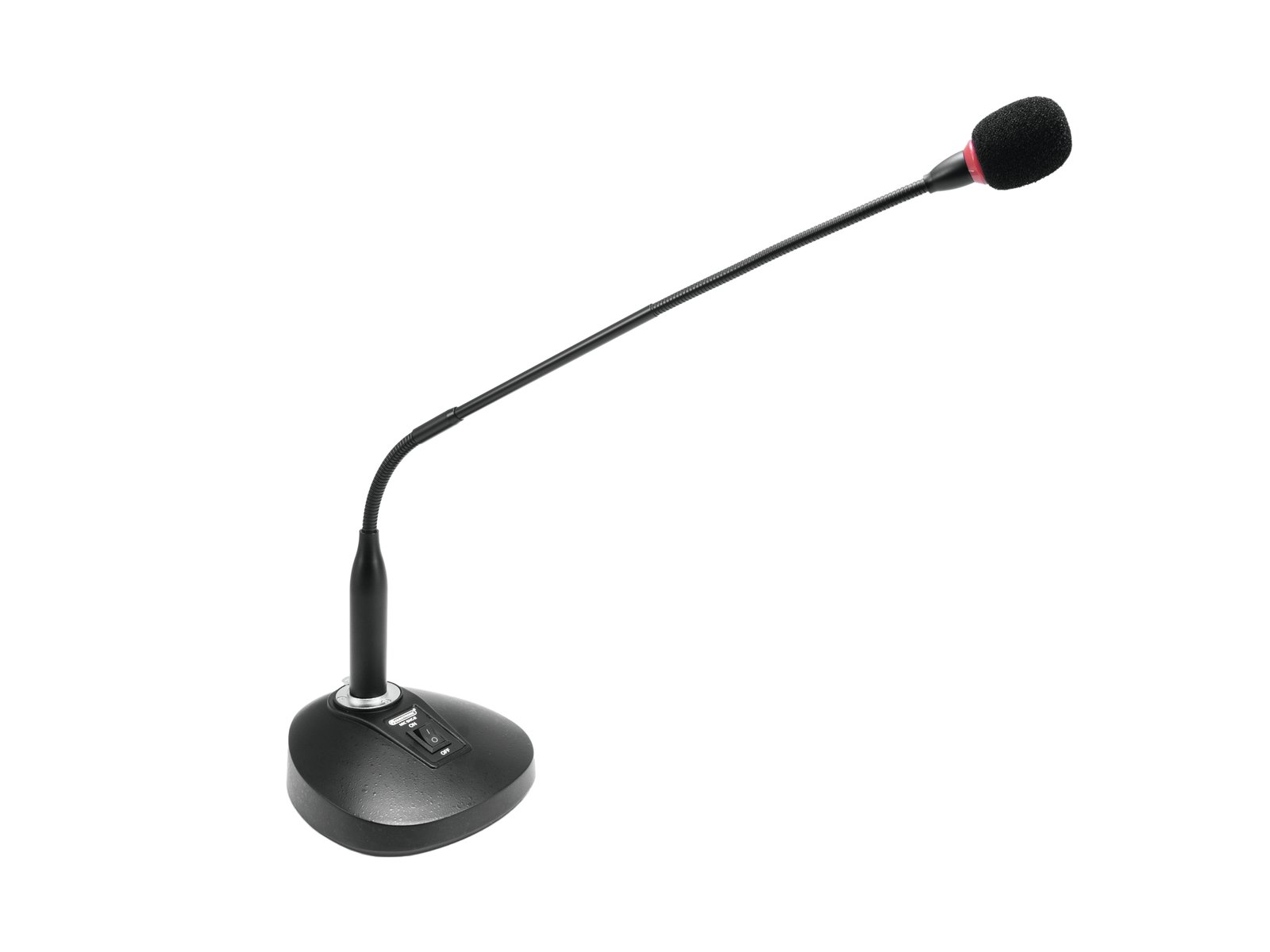
A close-up view of a black desktop microphone with an adjustable gooseneck stand, ready for a recording session.
When selecting a gooseneck microphone, it’s critical to assess the setting in which it’ll be used. Gooseneck length is a key variable, as it determines how close the mic can get to the speaker without being obstructive. Shorter goosenecks are perfect for personal desks or smaller tables, whereas longer ones are ideal for podiums or situations where more reach is necessary. Flexibility is another important aspect—we need a microphone that holds its position once adjusted. A rigid gooseneck can be frustrating, making it tough to direct the sound accurately, while an overly flexible one might not stay put.
Polar Pattern and Directionality
The polar pattern of a microphone inherently affects its capacity to pick up sound from different directions. Gooseneck microphones often feature cardioid or hypercardioid patterns, which are excellent for focusing on sound from the front while rejecting noise from the sides and rear. This directional quality ensures that the speaker’s voice is captured clearly, with minimal pickup of extraneous sounds. For environments with a lot of ambient noise, a microphone with a tight polar pattern is a game-changer, guaranteeing that only the intended audio is amplified.
Connectivity Options
Understanding the connectivity requirements is vital when choosing a gooseneck microphone. Most models come equipped with XLR connectors, which are standard in the audio industry and provide a reliable connection to audio systems. But, in modern digital era, USB connectivity is becoming increasingly common, especially in setups that require quick plug-and-play functionality with computers or other digital devices. Ensuring that the microphone’s connectivity aligns with the existing audio-visual (AV) systems in place will save time and hassle during installation and use. No matter the specific demands of the space or the preferences of the users, paying close attention to these factors will make the process of selecting the perfect gooseneck microphone far more straightforward.
How to Properly Use and Maintain a Gooseneck Microphone
Positioning and Placement
Properly positioning a gooseneck microphone ensures optimal sound quality and reduces the chances of feedback. It’s crucial to place the microphone close enough to the speaker’s mouth—around six to twelve inches works best. The microphone’s gooseneck should be flexible yet firm enough to hold the capsule steady, avoiding any unnecessary movement that might distort the sound.
When setting up the microphone, take into account the room’s acoustics. Hard surfaces can cause sound to bounce, leading to reverberation. To minimize this, position the microphone away from reflective surfaces. Likewise, ensure it’s oriented in such a way to capitalize on its polar pattern—if it’s a cardioid microphone, for instance, aim the “dead” area towards unwanted noise sources.
Cleaning and Maintenance Tips
Regular cleaning and maintenance are essential to prolong the life of a gooseneck microphone. Dust and moisture are the main culprits that can degrade your microphone’s performance over time. Here are simple steps we can take to preserve our gooseneck microphone:
- Disconnect the microphone before any cleaning to prevent electrical damage.
- Use a soft, dry cloth to wipe down the gooseneck and its base. For tougher grime, a cloth dampened with isopropyl alcohol can be effective.
- To prevent dust build-up, use a soft-bristled brush to gently clean the microphone grill.
- To protect the inner components, never use a spray cleaner directly on the microphone. Instead, spray onto a cloth and then apply.
- Store the microphone in a dry, clean place when not in use. A protective case is ideal to avoid accidental damage.
Regular testing and listening for any changes in sound quality can alert us to potential issues before they become serious problems. Keeping cables neatly organized and free from tangling also helps maintain signal integrity and extends the life of the connectors. Remember, the care we put into our equipment reflects on the quality of our audio output.
Conclusion (Final thoughts and wrap-up)
We’ve covered the essentials of maximizing the performance of your gooseneck microphone. Remember, it’s all about the details—proper positioning, careful maintenance, and regular testing are key to ensuring your mic delivers the best sound. Stick to these guidelines and you’ll enjoy crisp, clear audio that can elevate any event or recording session. Here’s to great sound and the satisfaction of a well-maintained piece of equipment!
Frequently Asked Questions
What is the proper way to position a gooseneck microphone?
The proper way to position a gooseneck microphone is to adjust it so that it points towards the sound source at an appropriate distance to ensure optimal sound quality and reduce feedback.
How do I clean my gooseneck microphone?
Clean your gooseneck microphone with a soft, dry cloth. Avoid using liquid or abrasive cleaners that can damage the microphone components.
Why is it important to regularly test my gooseneck microphone?
Regular testing is crucial to ensure your gooseneck microphone is functioning correctly and to maintain the best possible sound quality during its use.
How should I store my gooseneck microphone when not in use?
When not in use, store your gooseneck microphone in a dry, clean place free from dust and other contaminants that could affect its performance.
What is the best way to maintain the cables of a gooseneck microphone?
Maintain the cables by organizing them to prevent tangling, which can lead to damage over time, and ensure the ongoing integrity of the microphone’s signal.
Our Portfolio


Lighting that Inspires: An Exceptional Design Project

Innovation in Commercial Lighting: The Magic Behind the Verdi Project


GP Apartment: Exceptional Design and Technology

Mutis Auditorium at Rosario University. The Greatest Acoustic Challenge We Have Faced.

R&R: A Journey of Design, Technology, and Passion

SB Apartment – Lighting Redesign

Metropolitan Stadium: Clear and Powerful Sound with Renkus-Heinz Speakers
Table of contents
- What is a Gooseneck Microphone?
- Types of Gooseneck Microphones
- Benefits of Using a Gooseneck Microphone
- Applications of Gooseneck Microphones
- Factors to Consider When Choosing a Gooseneck Microphone
- How to Properly Use and Maintain a Gooseneck Microphone
- Conclusion (Final thoughts and wrap-up)
- Frequently Asked Questions