Table of contents
- The Impact of Acoustics on Learning and Comprehension
- Understanding the Basics of Acoustics for Classrooms
- Classroom Soundproofing: Strategies for Noise Reduction
- Acoustic Treatment Solutions for Schools
- The Role of Acoustic Panels in Classroom Noise Control
- Designing Classrooms with Optimal Acoustics
- Conclusion
- FAQ
Investing in the right acoustics for classrooms is a crucial component in fostering educational success. By designing suitable classroom acoustics, schools, colleges and universities can facilitate effective learning experiences for students of all ages. In this article, we delve into how classroom acoustics design helps create environments that encourage educational progress, and share practical strategies for managing sound in educational spaces.
Key Takeaways
- Implementing effective sound management in classrooms is vital for enhancing learning outcomes.
- Acoustics affect various aspects of learning, such as concentration and comprehension.
- Understanding the fundamentals of acoustics for classrooms is essential for making informed decisions about soundproofing and sound absorption solutions.
- Custom-made acoustic panels tailored to specific classroom needs play an important role in noise control and improving the overall learning environment.
- Collaborative consultation with educational stakeholders ensures holistic classroom designs that address the acoustic needs of both educators and learners.
The Impact of Acoustics on Learning and Comprehension
Acoustics play a vital role in educational spaces, significantly affecting learning outcomes and comprehension. By examining real-life examples of acoustic challenges and their solutions, we can better understand the importance of controlling ambient noise and reverberation for educational success.
Classroom noise reduction and sound management for educational spaces are crucial in maintaining an optimal learning environment. Noise disturbances not only disrupt lesson flow but also hinder students’ ability to concentrate and absorb information. A noisy classroom can negatively impact:
- Students’ attention and focus
- Comprehension and retention of new material
- Speech intelligibility for teachers and students
“A well-designed acoustic environment can lead to significant improvements in both student achievement and teacher wellbeing.”
Effective sound management strategies can help reduce noise levels, making it easier for students to concentrate and comprehend new information. Some examples of real-life acoustic challenges and their solutions include:
- Fixing nearby noise sources: Installing sound barriers around noisy playgrounds, roads, or construction sites can significantly minimize distractions and create a quieter environment for learning.
- Eliminating internal noise pollution: Replacing loud HVAC systems with quieter models, sealing gaps around windows and doors, and using soft furnishings and acoustic panels to absorb sound can all help create a more conducive learning space.
- Reducing reverberation time: High-ceiling classrooms and hard surfaces can cause sound to bounce and create an echo effect that disrupts learning. Installing appropriate acoustic treatments and materials can help control reverberation, ensuring that the teacher’s voice is clear and intelligible.
Through these examples, we can see the value of investing time and resources into optimizing acoustics in the classroom. Ensuring a favorable acoustic environment not only enhances learning outcomes and comprehension but also contributes to a more engaging and enjoyable experience for both students and teachers. By implementing effective classroom noise reduction measures and prioritizing sound management, educational professionals can help foster a productive and efficient learning atmosphere for all.
Understanding the Basics of Acoustics for Classrooms
Creating an ideal learning environment that supports students’ success requires a blend of numerous factors, including class size, teaching methods, and classroom design. Among these considerations, acoustics for classrooms have emerged as an essential component. In this section, we will delve into the fundamentals of classroom acoustics, how educators can measure sound quality in educational spaces, and the standards and benchmarks for achieving optimal acoustics in schools.

Acoustic Wall at our DesignLab Showroom. Panels are made with recycled PET materials
Defining Classroom Acoustics
Classroom acoustics refers to the manner in which sound behaves within an educational space. It involves various aspects such as sound reflection, absorption, and transmission. The goal of effective acoustic treatment for schools is to ensure that students and teachers can communicate clearly without being disrupted by excessive noise or reverberation. Moreover, it entails creating a conducive environment for learning by minimizing external noise and controlling sounds within the classroom.
It is crucial for educators to understand the basic principles of acoustics to design classroom spaces that support efficient teaching and learning.
Measuring Sound Quality in Educational Spaces
In order to maintain a high-quality learning environment, it is vital to measure and assess sound quality within classrooms. One essential metric for measuring sound quality is Noise Criteria (NC) levels. NC levels measure the impact of background noise on speech intelligibility and overall comfort in a space. For an optimal learning environment, the recommended NC level should be below 35.
Another important aspect of sound quality measurement is Reverberation Time (RT), which refers to the time it takes for a sound to decay by 60 decibels. Excessively long reverberation times can make it difficult for students to understand speech clearly, which affects their ability to follow lessons. The recommended RT for classrooms is below 0.6 seconds for unoccupied spaces.
Tools for measuring classroom acoustics include sound level meters, which measure sound pressure levels, and room acoustics software that can calculate reverberation times, among other metrics.
- Sound level meters: Portable devices that measure sound pressure levels in the classroom, helping educators identify areas with excessive noise.
- Room acoustics software: Analyzing tools that calculate various acoustic metrics, such as reverberation times, and provide recommendations for achieving optimal acoustics in educational spaces.
Additionally, noise control in classrooms is enforced through the American National Standards Institute (ANSI) S12.60 Standard for Acoustic Performance Criteria, which provides guidelines for acceptable levels of noise, reverberation, and HVAC system performance in classrooms.
By understanding the basics of classroom acoustics and sound quality measurement, educators can create a conducive learning environment that supports academic success. Acoustics play a fundamental role in establishing a comfortable and efficient educational setting where students can thrive.
Classroom Soundproofing: Strategies for Noise Reduction
Implementing effective classroom soundproofing is crucial to facilitate learning and ensure students stay focused. Educators and administrators can purposefully build classrooms by employing practical classroom noise reduction strategies.
In this section, we will explore various solutions to address both external and internal noise pollution in classrooms, providing expert tips for maintaining a conducive learning environment.
“The more conducive the learning environment, the more focused and engaged students can be.”
Here are some proven classroom noise reduction strategies:
- Soundproofing Material: Incorporate materials like acoustic panels, acoustic foam, or mass-loaded vinyl which assist in reducing noise levels. These materials can be applied to walls, ceilings, and floors to diminish sound transfer.
- Door Seals and Weatherstripping: Sealing gaps around doors and windows with door seals and weatherstripping helps prevent noise infiltration.
- Double-Glazed Windows: Installing double-glazed windows reduces external noise transfer while maintaining energy efficiency. Upgrading to laminated glass further enhances soundproofing capacity.
- Carpeting and Rugs: The use of carpets, rugs, and padding aids in absorbing sound and minimizing echo in a classroom environment.
- Furniture Selection: Opt for furniture with a greater sound-absorbing capacity. High-backed chairs, cushioned seating, and modular furniture are excellent options.
- Quiet HVAC Systems:Invest in quiet heating, ventilation, and air conditioning (HVAC) systems, engineered to work at low noise levels thus maintaining classroom comfort without compromising sound management.
In addition to these strategies, promoting good classroom noise management practices contributes significantly to a conducive learning environment. Encouraging students to maintain low voices, minimizing unnecessary movement, and allocating designated quiet areas within the school premises can further reduce noise disruptions during lessons.
In conclusion, effective classroom soundproofing and noise reduction strategies require a holistic approach encompassing purposeful classroom design and sound-cognizant practices. By implementing these techniques in sync, educators and school administrators can pave the way for superior learning outcomes across all educational levels.
Acoustic Treatment Solutions for Schools
Designing optimal learning environments requires thoughtful consideration of numerous factors. A key aspect is the integration of effective sound management for educational spaces. In this section, we will discuss various acoustic treatment solutions, specifically focusing on custom-made acoustic panels and eco-friendly sound absorption.
Customizing Acoustic Panels for Enhanced Learning Environments
In order to create optimal acoustics for classrooms, it is crucial to consider the unique characteristics of each space. Custom-made acoustic panels not only help manage sound but also contribute to the aesthetics of the room. They can be tailored to fit specific classroom sizes, shapes, and design preferences. Our team at DesignLab works closely with school administrators and educators to develop custom-made acoustic panels for classrooms that support students’ learning and enhance their overall experience.
“The best acoustic panels are those that are designed with the specific needs of the space and its occupants in mind. They should be visually appealing, effective in controlling noise and reverberation, and easy to install and maintain.”
By investing in custom-designed acoustic solutions, schools can significantly improve students’ concentration, comprehension, and learning outcomes.
Eco-Friendly Sound Absorption with Recycled Materials

Recycled Acoustic Panel made from PET. You can choose your own colors .
Environmental stewardship and sustainability are important values that schools can embrace even when addressing their acoustic needs. Eco-friendly sound absorption is achievable with the use of recycled materials for acoustic solutions, such as PET plastic. These materials can be transformed into highly effective acoustic panels that promote better sound management in classrooms while supporting environmental sustainability.
- Reduced waste and carbon footprint: By using recycled materials, schools contribute to waste reduction and lower their carbon footprint.
- Cost-effective: Eco-friendly materials offer an affordable option for implementing sound absorption solutions without compromising on quality and performance.
- Health and safety: Sustainable acoustic materials like PET plastic are non-toxic and safer for students and staff.
Overall, custom-made acoustic panels and eco-friendly sound absorption solutions provide a practical means to enhance learning environments and prioritize student wellbeing, all while supporting environmental sustainability.
The Role of Acoustic Panels in Classroom Noise Control
Acoustic panels play an essential role in controlling noise within a classroom, ensuring a conducive environment for learning. Sound absorption solutions are crucial to maintain the optimal balance between speech clarity and noise control. In this section, we explore the functions and effectiveness of these panels in various educational settings.
Before diving into acoustic panel specifics, it’s vital to understand the science behind their design. Acoustic panels typically consist of materials that are engineered to absorb sound waves, preventing them from reflecting off hard surfaces and causing echoes or reverberations. These panels are specifically designed to ensure clear communication without any unwanted disruptions, making them ideal acoustic solutions for classrooms.
“Effective classroom acoustics are essential to create a learning environment that promotes comprehension, equal access to information, and reduces the strain on students and teachers.”
There are various types of acoustic panels available, with their unique qualities and specifications. Some of the popular types include:
- Fabric wrapped panels: A cost-effective and highly customizable option that provides excellent sound absorption with an aesthetically pleasing appearance.
- Wooden panels: Offer a combination of both sound diffusion and absorption while adding a warm, organic touch to the classroom design.
- Perforated or slotted panels: Ideal for educational institutions looking for robust sound absorption without compromising on the visual appeal of their interiors.
Implementing the right acoustic panels improves the overall learning scenario, positively influencing students’ concentration and comprehension levels. Here are some benefits of using acoustic panels in classrooms:
- Reduced noise levels and reverberation times, enhancing speech intelligibility.
- Promotion of a calm and conducive environment that encourages learning and collaboration.
- Minimized strain on both students and teachers, resulting in improved academic performance and well-being.
- Inclusion of hearing-impaired students by improving access to audible information.
While implementing sound absorption solutions in classrooms, it is crucial to consider factors such as material type, size, and placement of the panels. Analyzing these factors, along with professional guidance, can yield the most optimal results.
To sum up, acoustic panels are a vital aspect of noise control in today’s classrooms. By investing in the appropriate solution, schools can establish a productive and inclusive learning environment that fosters educational success.
Designing Classrooms with Optimal Acoustics
Creating the perfect learning environment involves a delicate balance between aesthetics and effective sound management. In this section, we delve into the process of classroom acoustics design, emphasizing the integration of visual appeal alongside acoustic principles. Furthermore, we highlight the significance of collaborative acoustic consultation in ensuring comprehensive and functional solutions for educational spaces.
Integrating Acoustic Design with Aesthetics
A successful classroom acoustics design should not only cater to the auditory needs of students and teachers but also capture the essence of a visually inviting and inspiring learning atmosphere. Aesthetic sound management is the key to achieving this double goal.
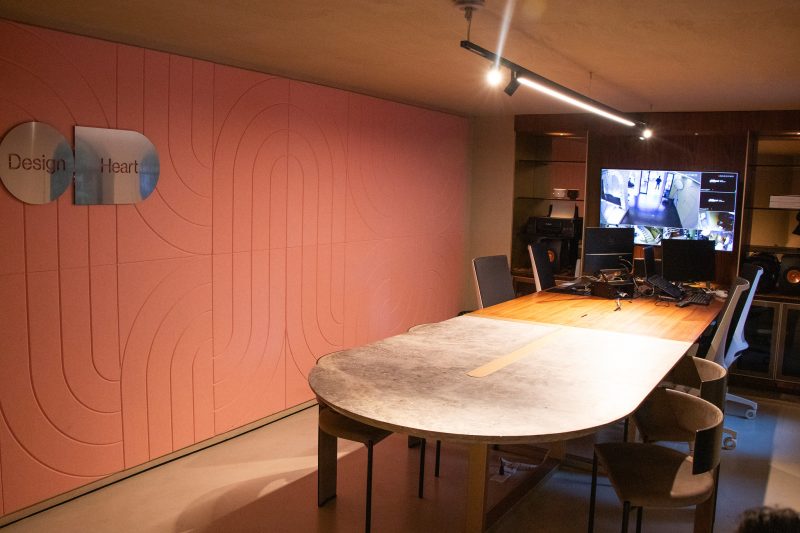
Acoustic Wall at our DesignLab Engineering Office. Panels are made with recycled PET materials
By incorporating custom-made acoustic panels, schools can enhance their classrooms with designs that complement their existing themes and layouts. The selection of materials, colors, and patterns offer a myriad of possibilities to create a unique and harmonious blend of visual and acoustic elements.
“A well-designed learning space is a blend of exceptional acoustics and architectural beauty, stimulating creativity and fostering efficient learning.”
Sound Management Through Collaborative Consultation
When planning sound management for educational spaces, fostering collaborative acoustic consultation with various stakeholders is essential. Involving educators, administrators, architects, and acoustic experts during the design process will ensure that each classroom meets specific acoustic needs while maintaining an educational mission and vision.
Some essential steps in the consultation process include:
- Identifying the objectives and priorities of each learning space.
- Determining the specific acoustic requirements based on the activities conducted in the classroom.
- Developing a shared understanding of how acoustic design can foster better learning outcomes.
- Establishing clear communication channels between all parties involved to ensure seamless execution and ongoing support.
Adopting an inclusive approach to classroom acoustics design promotes the creation of learning environments that not only cater to the auditory needs of students and teachers but also provide visually stimulating and vibrant atmospheres that inspire creativity and curiosity.
Conclusion
In this article, we have emphasized the significance of acoustics for classrooms in achieving educational success. By understanding the impact of sound on learning outcomes and comprehension, educational professionals can make informed decisions regarding classroom design and sound management in their institutions.
Implementing effective soundproofing strategies, utilizing acoustic treatment solutions such as custom-made acoustic panels, and incorporating sustainable materials can all contribute to improved classroom environments. Additionally, the integration of acoustic design with aesthetic elements and collaborative consultation ensures that classrooms are not only visually appealing but also sonically optimized for success.
Ultimately, the attention to classroom acoustics and sound design is a crucial aspect of enhancing the education experience for students and educators alike. By prioritizing these factors, we can pave the way for better learning outcomes, comprehension, and overall educational success in our schools.
FAQ
Why are acoustics important for classroom learning?
Optimal acoustics in classrooms improve learning outcomes and comprehension by minimizing distractions and enhancing communication between teachers and students. Students can better concentrate and process the information presented, resulting in improved academic performance.
What factors contribute to poor acoustics in educational spaces?
Poor acoustics in classrooms can result from external noise sources, excessive reverberation, inadequate sound insulation, and poorly designed room layouts. These factors can make it hard for students to hear and understand speech, leading to decreased engagement and reduced learning potential.
What are some effective classroom noise reduction strategies?
Classroom noise reduction strategies include sealing gaps in walls and windows, installing soundproof doors, incorporating sound-absorbing materials like acoustic panels, and arranging furniture and partitions to break up sound paths. Schools can also implement campus-wide initiatives, like limiting noise-generating activities during instructional hours or creating quieter outdoor spaces.
How can acoustic panels improve classroom acoustics?
Acoustic panels for classrooms help control noise by absorbing unwanted sound energy and reducing echo and reverberation. These panels can be customized to fit various classroom sizes, shapes, and aesthetic preferences, leading to a more comfortable and acoustically optimized learning environment.
Can eco-friendly materials be used for sound absorption in classrooms?
Yes, sustainable sound absorption solutions using recycled materials like PET plastic are available and highly effective. By choosing eco-friendly acoustic products, schools can contribute to environmental stewardship while improving their acoustic environments.
How does DesignLab approach classroom acoustics design?
DesignLab takes an inclusive approach to sound management by collaborating with educational stakeholders such as teachers, administrators, and architects. This ensures that classroom designs holistically address acoustic needs while integrating aesthetics and functionality to create visually appealing and sonically optimized learning spaces.
Our Portfolio


Master Auditoriums at UniNorte: How Schallertech Created a 21st Century Learning Space

Turning Stars into Experiences: The Remodeling of the Combarranquilla Planetarium by Schallertech
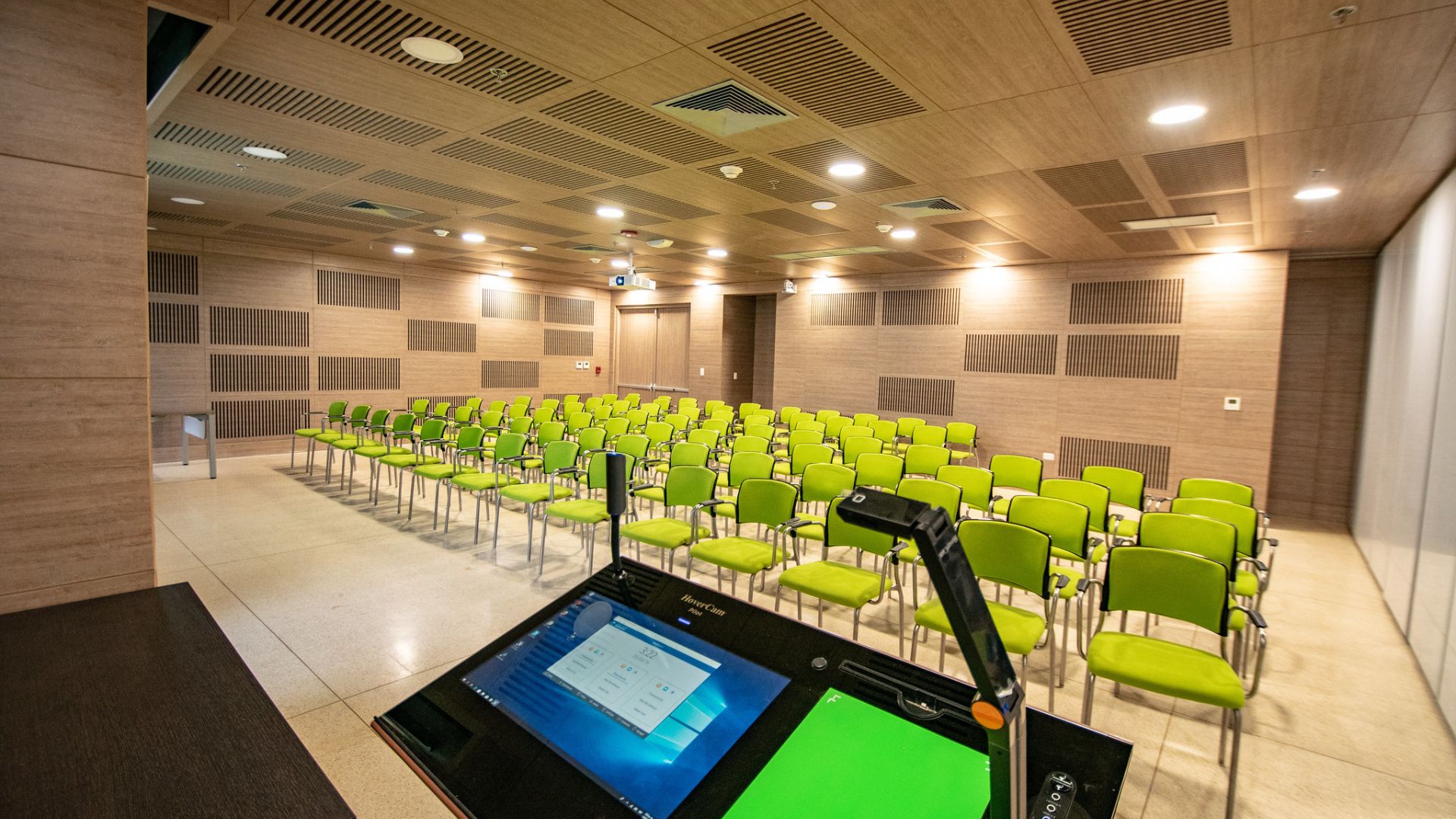


Igniting Faith: The Technological Transformation of Valledupar Cathedral

Innovation in Commercial Lighting: The Magic Behind the Verdi Project

How Schallertech Transformed the Atlantic Museum into an Interactive Adventure

CM: When Technology Meets Creativity

Universidad del Atlantico Theater: A Legacy of Technological and Cultural Innovation
Table of contents
- The Impact of Acoustics on Learning and Comprehension
- Understanding the Basics of Acoustics for Classrooms
- Classroom Soundproofing: Strategies for Noise Reduction
- Acoustic Treatment Solutions for Schools
- The Role of Acoustic Panels in Classroom Noise Control
- Designing Classrooms with Optimal Acoustics
- Conclusion
- FAQ