Table of contents
- Embracing the Digital Transformation: A Fresh Look at Museum Technology Consulting
- The Growing Influence of Technology in Museum Spaces: An Overview
- Choosing the Right Technology: Critical for Museum Operations and Visitor Experience
- The Importance of Digital Collections: Preserving Heritage and Engaging Virtually
- Interactive Exhibits and Augmented Realities: The New Normal in Museums
- Meeting Standards in Museology: Do Museum Technology Consulting Firms Make a Difference?
- Overcoming Technical Challenges: How Consultants Simplify the Process
- Training Your Team for the Technological Future: Ensuring Smooth Transition
- Ready for a Tech-Upgraded Museum? Contact Schallertech Today for Expert Guidance
Embracing the Digital Transformation: A Fresh Look at Museum Technology Consulting
The digital age has redefined many sectors, and the world of museums is no exception. With the rise of technology, museums are no longer just brick-and-mortar institutions housing artifacts. They have transformed into dynamic spaces that engage, educate, and entertain visitors through a blend of traditional displays and innovative tech solutions. But navigating this landscape of digital possibilities can be overwhelming for many museum professionals, and this is where museum technology consulting comes into play.
Museum technology consultants bridge the gap between heritage and innovation. These professionals bring a wealth of knowledge about the latest technological trends and how they can be integrated into museum spaces to enhance the visitor experience. Whether it’s implementing a new interactive display, developing a mobile app for self-guided tours, or digitizing an ancient artifact for virtual exploration, consultants provide the expertise and guidance to make these projects successful.
Furthermore, the rise of virtual spaces and online exhibitions has underlined the importance of digital outreach. Museums are no longer confined to their physical locations. With the assistance of technology consultants, institutions can reach global audiences, providing educational content and digital experiences that transcend geographical boundaries. By embracing the digital transformation, museums are not only preserving the past but also shaping the future of education and engagement. As technology continues to evolve, partnering with a museum technology consultant ensures that institutions remain at the forefront of innovation, delivering meaningful and memorable experiences to visitors, both in-person and online.
The Growing Influence of Technology in Museum Spaces: An Overview

Interactive Quizz at the planetarium. Questions & Answers can be changed at anytime by personnel.
In recent years, technology has rapidly transformed the landscape of the museum world. No longer just static spaces filled with artifacts, museums have evolved into dynamic environments, harnessing the power of technology to provide visitors with immersive, interactive, and informative experiences. The integration of tech solutions, such as “”Audio Video Solutions for Museums”” and “”Interactive Museum Displays””, has significantly elevated the traditional museum experience, captivating audiences of all ages.
With advancements like augmented reality, virtual reality, and interactive touchscreens, visitors can now engage with exhibits in ways previously unimaginable. For example, imagine a visitor walking through an ancient history section, where, with the aid of augmented reality glasses, they can see ancient civilizations come to life around them. Such technological integrations not only make learning more engaging but also bring history, art, and culture to life in unprecedented ways. This transformation goes hand in hand with the increasing expectation of digital natives, who seek tech-driven experiences everywhere they go.
Beyond visitor engagement, technology has also revamped behind-the-scenes operations. From state-of-the-art security systems to advanced inventory databases, and even crowd management tools, technology ensures the museum’s operations are smooth, efficient, and modern. Moreover, digital archiving and the emphasis on “”Digital Collections”” ensure that the invaluable artifacts and information are preserved for generations to come, safe from physical degradation. As we navigate this digital age, the marriage between museums and technology will only grow stronger, redefining the ways we preserve and appreciate our collective history and culture.
Choosing the Right Technology: Critical for Museum Operations and Visitor Experience
In today’s digital age, technology has become an essential part of museum operations and visitor experience. From interactive exhibits and augmented reality to online ticketing and virtual tours, technology can be used to engage visitors, enhance their learning, and improve the overall museum experience.
However, with so many different technologies available, it can be difficult for museum professionals to know which ones are right for their institution. That’s where museum technology consulting firms come in.
These firms can help museums assess their needs and identify the best technologies to meet those needs. They can also provide guidance on implementation, training, and maintenance.
By working with a museum technology consulting firm, museums can ensure that they are using the right technologies to improve operations and provide a better experience for their visitors.
Here are some of the benefits of working with a museum technology consulting firm:
- Expert guidance and support
- Access to the latest technologies
- Peace of mind knowing that your technologies are being used effectively
- Improved museum operations and visitor experience
- Increased engagement.
If you’re a museum professional who is looking to improve your museum’s operations and visitor experience with technology, I encourage you to consider working with a museum technology consulting firm.
The Importance of Digital Collections: Preserving Heritage and Engaging Virtually

Interactive Consulting Kiosk
In the past, museums have relied on physical artifacts and exhibits to tell their stories and engage their visitors. However, in recent years, there has been a growing trend towards digitizing museum collections. This trend is driven by a number of factors, including the increasing popularity of online learning, the need to preserve fragile artifacts, and the desire to reach a wider audience.
There are many benefits to digitizing museum collections. First, it allows museums to make their collections more accessible to the public. Visitors can now learn about artifacts from all over the world without having to travel to a physical museum. Second, digitization can help to preserve fragile artifacts by reducing the amount of handling they require. Third, digitization can help museums to reach a wider audience by making their collections available online.
Of course, there are also some challenges associated with digitizing museum collections. One challenge is the cost of digitization. Digitizing a large collection of artifacts can be very expensive. Another challenge is the need to ensure that the digitized collections are accurate and reliable.
Despite the challenges, the benefits of digitizing museum collections outweigh the risks. Digitization can help museums to preserve their collections, reach a wider audience, and provide more engaging and interactive experiences for their visitors.
Interactive Exhibits and Augmented Realities: The New Normal in Museums

Augmented Reality at the Combarranquilla Planetarium
Interactive exhibits and augmented realities (AR) are becoming increasingly common in museums, as they offer a way to engage visitors and bring exhibits to life. Interactive exhibits allow visitors to learn about exhibits in a more hands-on way, while AR can provide a more immersive experience by overlaying digital information on top of the real world.
There are many different ways to incorporate interactive exhibits and AR into museums. Some common examples include:
- Touchscreen kiosks that allow visitors to explore exhibits in a digital format
- Participatory exhibits that allow visitors to interact with objects or exhibits in a physical way
- AR apps that allow visitors to see digital information about exhibits overlaid on the real world
Interactive exhibits and AR can be a valuable tool for museums, as they can help to engage visitors, improve learning, and increase visitor retention. However, it is important to note that these technologies can also be expensive to implement and maintain.
If you are considering incorporating interactive exhibits or AR into your museum, it is important to do your research and make sure that you have the budget and resources to support these technologies. You should also work with a qualified museum technology consulting firm to help you design and implement your interactive exhibits or AR experiences.
Meeting Standards in Museology: Do Museum Technology Consulting Firms Make a Difference?

Content production for the Simon Bolivar Museum.
In the museum industry, there are a number of standards and best practices that institutions are expected to adhere to. These standards cover everything from the way collections are managed and preserved to the way exhibits are designed and presented.
For museums that are looking to implement new technologies, it can be difficult to know which standards they need to comply with. This is where museum technology consulting firms can make a difference.
Consultants can help museums understand the various standards that apply to their specific institutions, and they can also provide guidance on how to implement new technologies in a way that meets those standards.
In addition, consultants can help museums stay up-to-date on the latest trends in museum technology. This can be important for ensuring that museums are using the most effective technologies to meet the needs of their visitors and staff.
Overall, museum technology consulting firms can play a valuable role in helping museums meet the standards of the museum industry. By providing guidance and expertise, consultants can help museums ensure that they are using technology in a way that is both effective and compliant.
Overcoming Technical Challenges: How Consultants Simplify the Process
Technology is constantly evolving, and it can be difficult for museums to keep up with the latest trends. This can lead to a number of challenges, including:
- Incompatibility between old and new systems
- Lack of expertise in-house to implement new technologies
- High cost of new technologies
- Security risks
Museum technology consulting firms can help museums overcome these challenges by providing:
- Expert advice on the latest technologies
- Assistance with planning and implementing new systems
- Training for staff on how to use new technologies
- Support with security and maintenance
By working with a museum technology consulting firm, museums can ensure that they are using the latest technologies to their full potential and that they are meeting the needs of their visitors.
Training Your Team for the Technological Future: Ensuring Smooth Transition
As museums continue to embrace the digital transformation, it is essential to train your team on how to use and maintain the new technologies that you implement. This will ensure a smooth transition and help your staff to get the most out of your new tools.
There are a number of ways to train your team on new technologies. You can provide in-house training, send them to workshops or conferences, or hire a consultant to help you out. The best approach will vary depending on the size and needs of your museum.
Once your team has been trained, it is important to provide ongoing support. This can be done through regular check-ins, online tutorials, or a helpdesk. By making sure your team has the resources they need to succeed, you can help them to embrace the digital transformation and make it a success for your museum.
Ready for a Tech-Upgraded Museum? Contact Schallertech Today for Expert Guidance
Are you ready to take your museum into the 21st century? If so, you need to partner with a museum technology consulting firm like Schallertech. We have over 20 years of experience helping museums of all sizes implement innovative technologies that improve operations, enhance the visitor experience, and meet the highest standards in museology.
What We Can Do for You
Schallertech can help you with a wide range of museum technology projects, including:
- Audio-visual solutions for exhibits and presentations
- Interactive museum displays
- Architectural acoustics for exhibits
- Museum automation services
- Lighting design
- Virtual tours and other digital offerings
- Training for your staff on how to use your new technologies
Why Choose Schallertech?
We have a proven track record of success in helping museums of all sizes achieve their technology goals. We are also a trusted partner of leading museum technology companies, so we can provide you with the best possible products and services.
If you are ready to take your museum into the 21st century, contact Schallertech today for a free consultation. We will help you create a customized technology plan that meets your specific needs and budget.
Visit our website to learn more about our services or to request a quote.
Our Portfolio


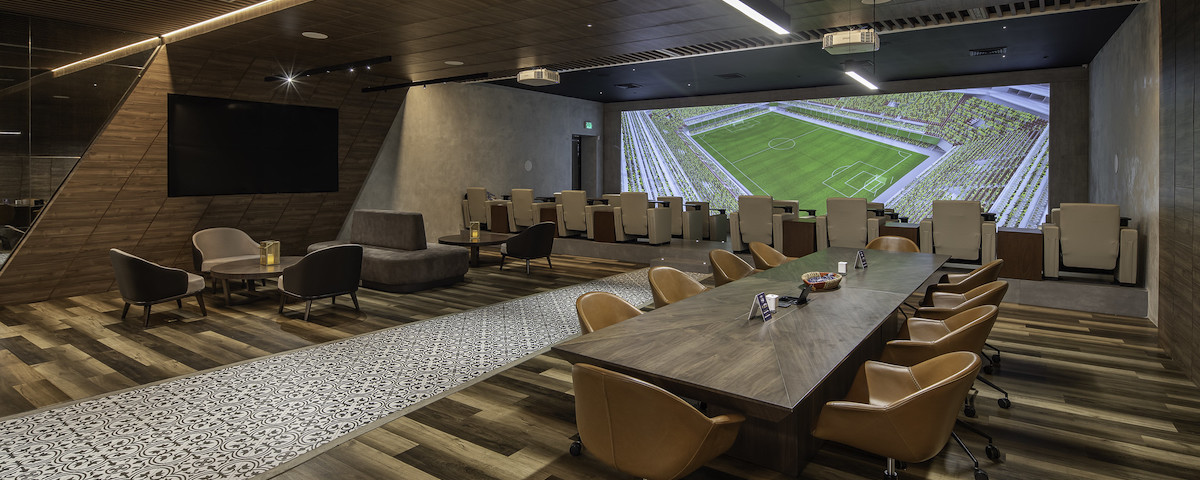
Casa PC: Design, Entertainment, and Technology
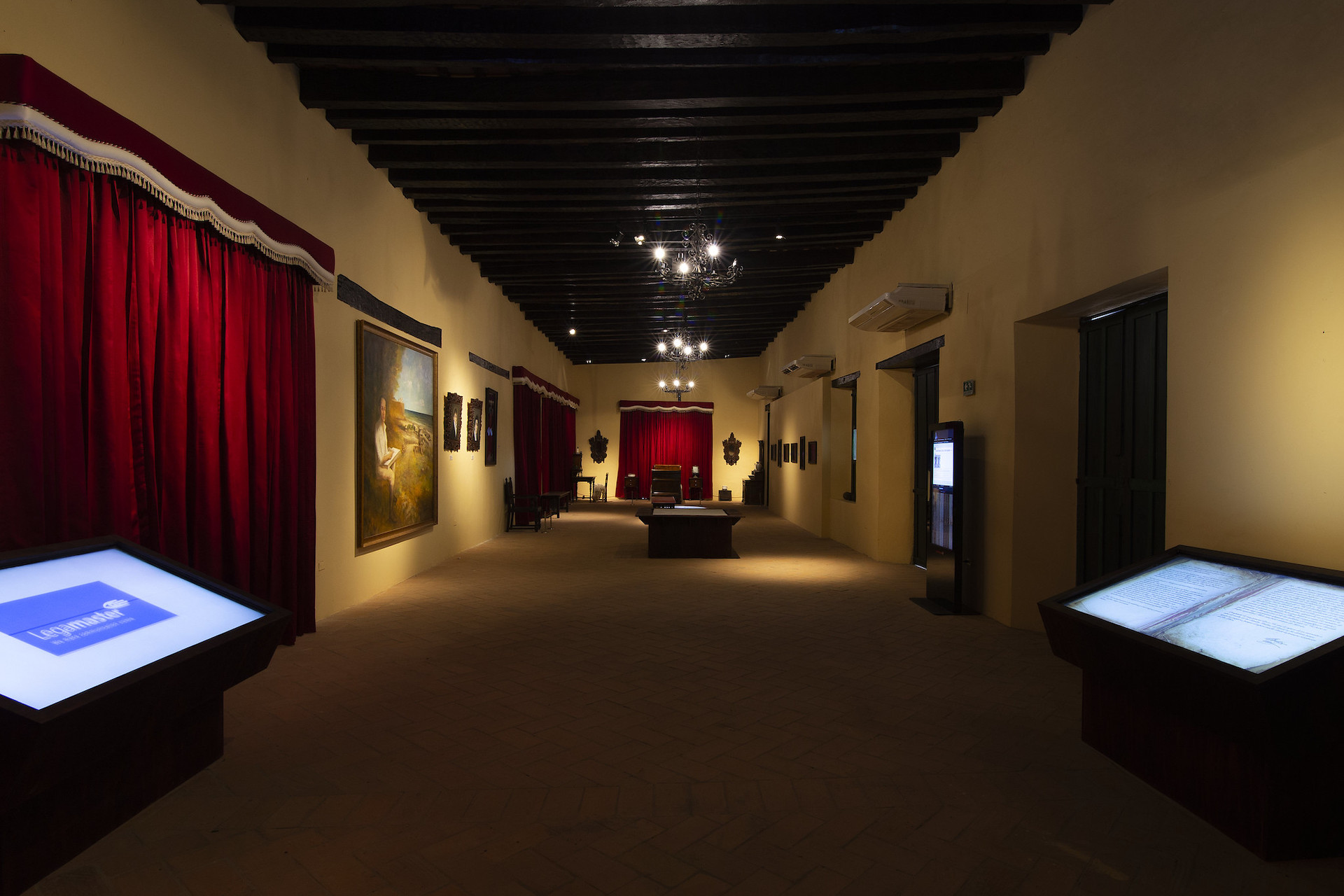
The Renaissance of the Bolivarian Museum of Soledad: Technology and Tradition Intertwined


Art and Light: Contemporary Design in the SB Apartment

CM: When Technology Meets Creativity

Turning Stars into Experiences: The Remodeling of the Combarranquilla Planetarium by Schallertech
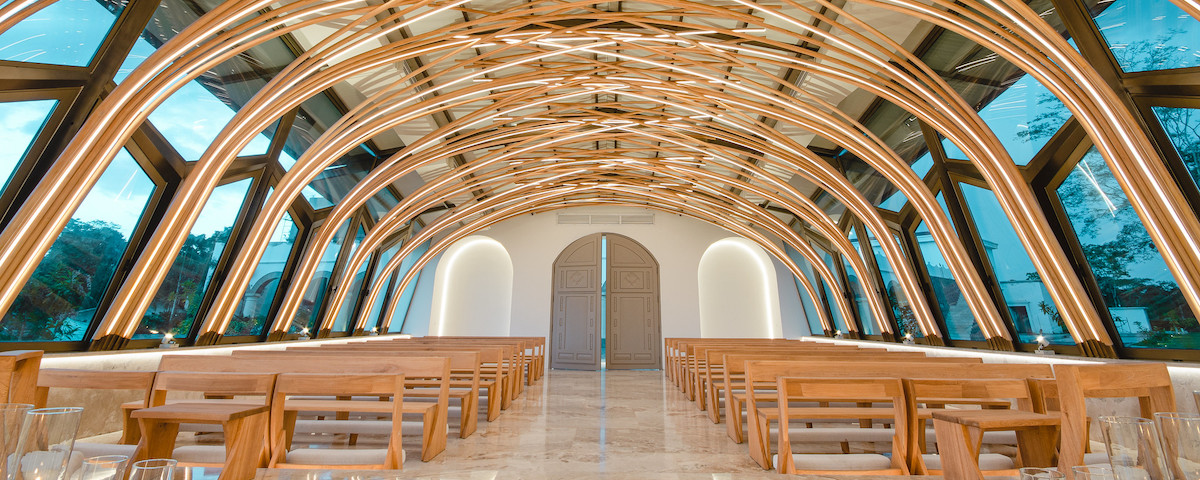
Chapel Hacienda Las Marías. The Evolution of Lighting in Worship Spaces

Lighting that Inspires: An Exceptional Design Project

R&R: A Journey of Design, Technology, and Passion
Table of contents
- Embracing the Digital Transformation: A Fresh Look at Museum Technology Consulting
- The Growing Influence of Technology in Museum Spaces: An Overview
- Choosing the Right Technology: Critical for Museum Operations and Visitor Experience
- The Importance of Digital Collections: Preserving Heritage and Engaging Virtually
- Interactive Exhibits and Augmented Realities: The New Normal in Museums
- Meeting Standards in Museology: Do Museum Technology Consulting Firms Make a Difference?
- Overcoming Technical Challenges: How Consultants Simplify the Process
- Training Your Team for the Technological Future: Ensuring Smooth Transition
- Ready for a Tech-Upgraded Museum? Contact Schallertech Today for Expert Guidance