Table of contents
- Understanding the Importance of Sound Systems in Churches
- Deciding Between Portable and Permanent Systems
- Key Components of Church Sound Systems
- Planning Your Budget
- The Process of Installing a Church Sound System
- Avoiding Common Mistakes in Sound System Installation
- When to Consider Hiring an AV Company
- Case Studies: Successful Church Sound System Upgrades
- Conclusion
- Frequently Asked Questions
Understanding the Importance of Sound Systems in Churches
In today’s rapid world, where the quality of audiovisual experiences defines our engagement levels, neglecting the importance of a robust sound system in churches would be a disservice to congregants and clergy alike. We, at Schaller Design Lab, recognize that a church’s sound system is not just a tool for amplification, but an integral part of the worship experience. Let’s investigate into how sound systems can transform ceremonies and events, enhancing spirituality and community connection.
How Sound Enhances Worship Experiences
A worship experience transcends ordinary boundaries when every word and note resonates perfectly within the sacred walls of a church. Clear, crisp sound plays a pivotal role in nurturing the spiritual journey of each congregant. Whether it’s the subtle intonations of a preacher’s sermon or the harmonious chords of a choir, sound systems ensure these elements are conveyed flawlessly. We’ve found that churches equipped with high-end sound systems report a more engaged congregation, as every member feels directly spoken to and part of the community. This direct connection fosters a stronger spiritual atmosphere, allowing for a more profound worship experience.
Imagine a scenario where the message is lost amidst crackles and echoes, or the music lacks depth and richness. Such scenarios disrupt the communal flow of energy, detracting from the worship’s emotional impact. By integrating state-of-the-art sound technology, we ensure that every whisper and crescendo is captured and delivered with the same intensity as it was intended.
The Role of Sound Systems in Church Ceremonies and Events
Churches are not just places for weekly worship; they are venues for a myriad of ceremonies and events, each with its unique audio requirements. From weddings and christenings to concerts and community gatherings, a versatile sound system is key to making these moments memorable. Flexibility and control are paramount, allowing sound operators to adjust settings for different types of events effortlessly. Clear sound facilitates a deeper connection, whether it’s between marrying couples and their guests, or between speakers and their congregations during large gatherings.
Also, in the digital age, many churches extend their reach beyond physical boundaries through live streaming and broadcasting services. A robust sound system ensures that the message is not just heard but felt, even through a screen. This expands the church’s influence, allowing it to touch more lives than ever before.
At Schaller Design Lab, our approach to designing and implementing sound systems in churches centers on customized solutions that address specific needs while pushing the limits of audiovisual technology. By doing so, we enhance the worship experience, ensuring it remains as impactful and immersive as possible. Through careful consideration of acoustics, equipment quality, and aesthetic integration, we transform ordinary spaces into domains where every sound serves a purpose, and every voice is heard.
Deciding Between Portable and Permanent Systems
In the dynamic world of sound systems for churches, making an informed choice between portable and permanent setups is crucial. At Schaller DesignLab, we understand that each church has unique needs and constraints, heavily influencing this decision. Here, we’ll guide you through key considerations to ensure your church makes the most out of its audio system investment.
Considerations for Your Church’s Architecture
Church buildings range from historical edifices with intricate designs to modern spaces that boast sleek aesthetics. The architecture of your church plays a pivotal role in determining the type of sound system you need.
- Historic Buildings: In churches with historic significance, structural changes for sound system installations may be restricted. Here, portable sound systems offer a versatile solution that respects the architectural integrity, without compromising on quality. They can be easily set up and removed as needed, preserving the church’s aesthetic and historical value.
- Modern Spaces: Contemporary church buildings often feature more flexible designs, catering to various functionalities from worship services to community events. Permanent sound systems are ideal for these spaces, as they can be seamlessly integrated into the design and structure, providing consistent, high-quality sound coverage for every use case.
Evaluating Your Church’s Audio Needs
Understanding the audio needs of your congregation is fundamental in choosing between portable and permanent sound systems.
- Size and Layout of Congregation Area: Larger churches with expansive seating areas require sound systems that can deliver clear, undistorted sound across considerable distances. Permanent installations, with strategically placed speakers and amplifiers, ensure even sound distribution. Conversely, smaller congregations or those with variable seating layouts may find portable systems more adaptable to their changing needs.
- Type of Services and Events: Churches that host a variety of events, from traditional worship services to multimedia presentations and live performances, need versatile systems. Portable sound systems provide the flexibility to adjust the audio setup based on the specific requirements of each event. For churches focusing mainly on services with less variability in audio needs, permanent sound systems provide a reliable, maintenance-free solution.
- Budget and Resources: Budget considerations cannot be overlooked. Portable systems may initially appear more cost-effective, but for churches with consistent audio requirements, the investment in a permanent system pays off in the long run with better sound quality and fewer needs for replacements or upgrades. Also, consider the availability of volunteers or staff trained to handle and configure the equipment, as permanent systems may require less frequent adjustments.
At Schaller DesignLab, we’re committed to merging design, art, and technology to create audiovisual experiences that resonate with congregations. Whether your church opts for the adaptability of portable sound systems or the integrated approach of permanent setups, we’re here to ensure your audio solutions elevate the worship experience while staying true to your architectural and budgetary constraints.
Key Components of Church Sound Systems
Mixers: The Heart of Sound Control
At Schaller DesignLab, we understand that the mixer is the cornerstone of any sound system, particularly in a church setting. It’s where all audio inputs—from microphones, instruments, and media players—converge and are balanced to create a harmonious output. We emphasize the importance of selecting mixers that offer both versatility and intuitive control, ensuring that every service, whether a sermon or a musical performance, is delivered with clarity and depth. Our team expertly tailors mixer solutions that cater to the specific acoustics and demands of church environments, blending cutting-edge technology with ease of use for volunteers or professional sound technicians alike.
Speakers: Delivering Clarity and Range
We’re proud to incorporate advanced speaker technologies like the steerable array systems offered by renowned brands such as Renkus-Heinz into our projects. Churches benefit immensely from this technology, especially in architecturally challenging spaces where traditional speakers fall short. Steerable array technology ensures that sound is not only projected with utmost clarity but is also directed precisely where it’s needed, minimizing reverberations and enhancing intelligibility. We blend this innovative approach with our aesthetic sensitivity, ensuring that these powerful audio solutions complement the sacred architecture without intrusion.
Microphones: Capturing the Message
For capturing the essence of every message and performance, we turn to top-tier microphones known for their unparalleled clarity and dependability. Integrating high-quality microphones into church sound systems is non-negotiable for us. They ensure every word spoken and every note sung reaches the congregation crystal clear. Our preferred microphones excel in dealing with a range of acoustical challenges, from picking up the gentle nuances of a whispered prayer to managing the dynamic range of a full choir. We meticulously select and position microphones to optimize audio capture, providing a seamless auditory experience for all attendees.
Monitors: For Performers and Speakers
Finally, we pay close attention to the inclusion of monitors in the church’s sound system design. Monitors play a critical role in facilitating a feedback loop for speakers and performers, enabling them to hear themselves and adjust their delivery in real-time. This component significantly contributes to the overall quality of the worship service by ensuring consistent audio levels and reducing strain on vocalists. We incorporate discreet yet powerful monitoring solutions that allow performers to stay connected with the worship experience, supporting them in delivering their best performance without distraction.
Planning Your Budget
Designing the perfect sound system for a church is a challenging yet rewarding try. While quality is paramount, budget constraints often shape the project’s scope. In this section, we’ll jump into how to balance cost and quality and explore potential sources of funding. Understanding these elements ensures that the project aligns with the church’s financial capabilities without compromising on delivering a superior auditory experience.
Balancing Cost and Quality
When it comes to installing a new sound system, it’s tempting to prioritize cost-saving measures. But, investing in high-quality components can save money in the long run. At Schaller DesignLab, we’ve seen the benefits of choosing reliable, state-of-the-art equipment that not only meets our client’s current needs but also accommodates future expansions. By focusing on sound quality and durability, churches can avoid frequent replacements or upgrades, eventually reducing costs over time.
We recommend starting with a thorough assessment of the church’s needs. This includes considering the size of the congregation, architectural acoustics, and types of services or events hosted. With this information, we can help tailor a system that delivers clear, rich sound without overspending on unnecessary features. Opting for modular systems allows for phased purchases, dividing the total cost into more manageable portions while ensuring that each addition seamlessly integrates with the existing setup.
Potential Sources of Funding
Finding the funds for a new sound system can seem daunting, but several avenues can help cover costs. We always advise our clients to explore all their options, starting with the congregation itself. Fundraising events, targeted donations, and special offerings often generate significant contributions towards technological upgrades. These methods also have the added benefit of fostering a sense of community ownership over the project.
Grants are another viable source, especially for churches with historic significance or those involved in community outreach programs. Many organizations offer financial aid to religious entities looking to improve their facilities for better community service. Also, interest-free loans or financing options tailored for non-profit entities can provide the necessary funds with more flexibility than traditional loans.
Engaging with local businesses or members of the congregation who own businesses can also lead to sponsorships. In exchange for funding, churches can offer advertising opportunities or named acknowledgments within the facility. It’s a win-win: businesses receive exposure while contributing to a meaningful cause, and churches get one step closer to achieving their sound system goals.
By strategically exploring these potential sources of funding and prioritizing investments in quality components, we can work together to create a sound system for your church that excels in both performance and financial feasibility.
The Process of Installing a Church Sound System
At Schaller DesignLab, our expertise in providing high-end A/V solutions blends seamlessly with our passion for creating aesthetically pleasing, user-centered designs. When it comes to installing sound systems for churches, we’ve honed a process that guarantees excellence, blending design, art, and technology to meet the unique needs of each space.
Initial Discovery and Needs Assessment
We begin by thoroughly understanding the unique needs of your church. Our team dives deep into a discovery phase, analyzing the architectural elements, existing sound infrastructure, and the auditory requirements of your congregation. This initial assessment ensures our proposals are not just technically sound but also align with the aesthetic and spiritual atmosphere of your church.
Design Development and Preliminary Budgeting
Following our assessment, we craft bespoke sound system designs that incorporate state-of-the-art technology and artistic design principles. Our designs are not only efficient but also reflect the latest in A/V and acoustics technology. At this stage, we also provide a preliminary budget, meticulously balancing high quality with cost-effectiveness.
Formalizing the Design: Drawings and Documentation
Once we’ve aligned on the vision and budget, our team formalizes the design. We create detailed drawings and documentation, ensuring every aspect of the sound system installation is planned meticulously. This meticulous approach guarantees that the final outcome not only meets but exceeds expectations.
Installation and Testing
Our highly experienced team then takes over to bring the design to life. We ensure that the installation process is smooth, adhering strictly to the agreed-upon timelines and quality standards. Testing is an integral part of our process, ensuring every component of the sound system performs optimally in the unique acoustical environment of your church.
Commissioning and Final Adjustments
Upon installation, we don’t just walk away. Our commissioning phase involves making fine adjustments to the sound system to ensure every note and word reaches your congregation with clarity and warmth. We understand the importance of perfect sound delivery in enhancing the spiritual experience.
Training and Ongoing Support
At Schaller DesignLab, our relationship with you continues well beyond installation. We provide comprehensive training to your team, ensuring they can manage and operate the sound system efficiently. Our ongoing support and maintenance services ensure your sound system continues to deliver exceptional performance, year after year.
By choosing Schaller DesignLab for your church’s sound system installation, you’re not just getting technical expertise; you’re benefiting from a partnership that values quality, innovation, and a deep understanding of the fusion between technology, design, and art.
Avoiding Common Mistakes in Sound System Installation
Understanding Coverage and Design Needs
When it comes to installing a sound system in a church, it’s crucial to understand that one size does not fit all. We’ve observed that many churches encounter issues because the design does not adequately cover the entire space or meet the congregation’s specific needs. At Schaller DesignLab, we prioritize a thorough needs assessment to ensure that every corner of your worship space receives clear and balanced sound. This involves:
- Analyzing the church’s architecture to identify potential acoustic challenges.
- Ensuring that speaker placement is optimized for even coverage without creating dead zones or feedback issues.
- Tailoring the sound system to support the church’s unique worship style, whether it’s traditional hymns or contemporary bands.
By meticulously planning and designing the sound system, we ensure that every congregation member enjoys a rich and immersive worship experience.
The Importance of Professional Training for Your Sound Team
In our experience, a high-end sound system can only perform as well as the individuals operating it. Investing in professional training for your sound team is non-negotiable. At Schaller DesignLab, we provide comprehensive training and ongoing support to ensure that your team is equipped with the knowledge and skills to:
- Operate the sound system efficiently, making real-time adjustments as needed.
- Diagnose and troubleshoot common issues to minimize disruptions during services.
- Use the system’s full capabilities to enhance worship and engage the congregation.
Empowering your sound team with professional training not only maximizes the potential of your investment but also elevates the overall worship experience.
Avoiding Poor System Design and Planning
One of the most common pitfalls in sound system installation is inadequate design and planning. A poorly designed system can lead to issues such as feedback, uneven sound distribution, and excessive reverberation, detracting from the worship experience. At Schaller DesignLab, our approach to avoiding these issues includes:
- Conducting detailed acoustic simulations to predict how sound will behave in your space.
- Integrating state-of-the-art A/V, lighting, and acoustic solutions to create a harmonious and efficient environment.
- Consulting closely with our clients throughout the design process to ensure the final system aligns with their vision and requirements.
Our commitment to meticulous planning and high-quality design not only prevents common installation mistakes but also sets the stage for a sound system that exceeds expectations.
When to Consider Hiring an AV Company
New Construction and Major Renovations
When embarking on new construction or major renovations for your church, incorporating professional AV services from the start is crucial. At Schaller DesignLab, we understand that integrating state-of-the-art audiovisual technology is not merely an addition but a foundation of modern worship spaces. Early involvement ensures that the AV system’s infrastructure complements the architectural design, preventing costly retrofitting post-construction. We work closely with architects and designers to embed seamless and efficient AV solutions that enhance the worship experience without compromising the aesthetic appeal or the architectural integrity of the space.
Assessing DIY vs. Professional Installation
Deciding between a DIY and a professional AV installation isn’t just about upfront costs. It’s about long-term value and reliability. Our experience shows that DIY projects often encounter unforeseen challenges—leading to system failures, inadequate coverage, and eventually, higher expenses due to necessary overhauls or replacements. Schaller DesignLab brings a wealth of knowledge, ensuring that your church’s sound system is optimized for your specific needs. We leverage our expertise to avoid common pitfalls, providing a system that’s not just a fit for today but scalable for tomorrow. By choosing a professional installation, you’re investing in quality, efficiency, and longevity.
Evaluating If Your Church Is Ready for an AV Company
Determining the right time to bring in an AV company involves assessing your church’s current and future needs. If your congregation is experiencing issues with sound clarity, system reliability, or if the technology no longer supports the way your community worships, it’s time to consult with professionals. Schaller DesignLab specializes in creating customized AV solutions that elevate worship experiences. From advanced sound systems, lighting, to live streaming capabilities, we ensure your technology aligns with your church’s mission and vision. Our approach is not just about installing equipment; it’s about fostering a partnership to continually support your evolving AV needs. With a focus on design, technology, and user experience, we’re here to guide your church into the next phase of its technological journey, ensuring you’re equipped to connect with your congregation in the most impactful way.
Case Studies: Successful Church Sound System Upgrades
Learning from Real-World Examples
In our journey as Schaller DesignLab, we’ve encountered numerous churches each with unique sound system challenges. Through these experiences, we’ve not only honed our expertise but have also gathered valuable lessons from real-world examples. Here, we reflect on some successful church sound system upgrades that underscore the importance of professional AV solutions.
Identifying the Need for an Upgrade
First things first, recognizing the need for an upgrade is paramount. Often, churches come to us when their congregations express difficulty in hearing sermons or when musicians struggle with sound quality during worship. One of our first projects involved a church where outdated technology was diminishing the clarity of their services. Our assessment pinpointed issues like uneven sound distribution and obsolete equipment. Armed with this knowledge, we developed a plan that levered state-of-the-art AV technology to transform their auditory experience, ensuring every word and note reached the congregation with crystal clear clarity.
Tailoring Solutions to Unique Spaces
Every church has its unique architecture, which greatly influences acoustics. We pride ourselves on devising customized solutions that harmonize with each space’s aesthetic and acoustic properties. In one case study, a church with a traditional, high-ceilinged nave presented a significant echo problem. Our solution involved strategically placing sound-absorbing materials and installing line array speakers that directed sound accurately, minimizing echoes. This approach not only improved sound clarity but also preserved the church’s historic beauty.
Overcoming Budget Constraints
Budget is often one of the biggest hurdles in upgrading church sound systems. But, our experience has taught us that creativity and expertise can stretch any budget. For a small community church with limited funds, we implemented a phased upgrade plan. Starting with the most critical improvements, such as upgrading the amplifier and soundboard, we were able to significantly enhance the sound quality. This incremental approach allowed the church to manage costs without compromising on the desired outcome.
Emphasizing User-Friendly Systems
Ensuring that the sound system is user-friendly is crucial for churches, where volunteers often operate the equipment. We focus on installing systems that are intuitive and offer training sessions for volunteers. This approach was particularly effective in a case where the prior complexity of the sound system deterred volunteer participation. Post-upgrade, the volunteers were more confident in managing the system, which in turn improved the overall sound management during services.
Conclusion
We’ve explored how crucial sound system upgrades are for enhancing church services through Schaller DesignLab’s case studies. Our journey underscores that recognizing the need for improvement, customizing solutions, and implementing user-friendly technology are key steps toward a significant auditory enhancement. By addressing architectural challenges and budget constraints, churches can achieve a sound system that not only meets their needs but also elevates the worship experience. Let’s embrace the power of state-of-the-art AV technology to make every service unforgettable.
Frequently Asked Questions
How do I control sound in a church?
To control sound in a church, consider hiring a professional to evaluate your space and recommend solutions tailored to your architecture. They may suggest installing sound-absorbent materials, optimizing speaker placement for even sound distribution, or adjusting the layout to minimize echoes and improve clarity.
Do churches need music licenses?
Yes, churches require permission to use copyrighted materials such as song lyrics and music. The Church Copyright License offers a simplified route, covering over 600,000 worship songs and hymns, eliminating the need for direct permission from copyright owners for each song.
Why are churches so echoey?
Churches are often echoey due to their stone walls and high ceilings, similar to the inside of an instrument’s soundbox. This structure creates a rich ambient sound but can hinder the clarity of spoken words and the distinction of musical lines.
How do I choose a speaker for my church?
When choosing a speaker for your church, consider the room size and shape, congregation size, and whether the system should be portable or permanent. Look into active and passive speakers, ceiling and surface-mount options, and point-source speakers to find the best fit for your needs.
What is needed for a church sound system?
A comprehensive church sound system includes loudspeakers, often enclosed in boxes for stacking or flying in arrays; subwoofers for low frequencies; amplifiers to boost audio signals; and an audio console for mixing and controlling the sound. These components are essential for achieving high-quality sound distribution.
Our Portfolio

Apartment in Barranquilla: Home Automation and Lighting
Lighting that Inspires: An Exceptional Design Project

Mutis Auditorium at Rosario University. The Greatest Acoustic Challenge We Have Faced.

Residential Design Casa JC: Sophistication and Technology

R&R: A Journey of Design, Technology, and Passion


Project KK: Where Art and Technology Converge

Metropolitan Stadium: Clear and Powerful Sound with Renkus-Heinz Speakers
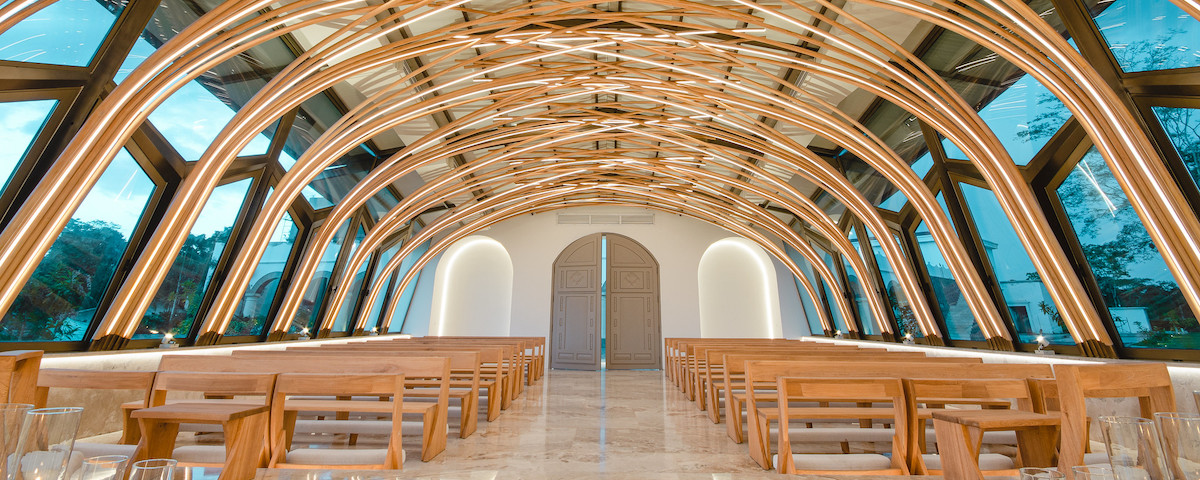
Chapel Hacienda Las Marías. The Evolution of Lighting in Worship Spaces
Table of contents
- Understanding the Importance of Sound Systems in Churches
- Deciding Between Portable and Permanent Systems
- Key Components of Church Sound Systems
- Planning Your Budget
- The Process of Installing a Church Sound System
- Avoiding Common Mistakes in Sound System Installation
- When to Consider Hiring an AV Company
- Case Studies: Successful Church Sound System Upgrades
- Conclusion
- Frequently Asked Questions