Table of contents
We’ve all experienced it—the clamor of a crowded restaurant where you can’t hear your friends across the table. At Schaller Design Lab, we understand that restaurant acoustics aren’t just about noise; they’re about the essence of dining out. It’s the subtle interplay of sound that can make or break the ambiance of a dining experience.
In this article, we’re diving deep into the world of restaurant acoustics. We’ll explore how sound impacts the dining atmosphere and why it’s a critical component for any successful restaurant. Stick with us as we unveil the secrets to crafting the perfect acoustic environment that keeps patrons coming back for more.
Understanding Restaurant Acoustics
The Impact of Noise on Restaurant Experience
We’ve all walked into restaurants that hit us with a wall of sound. It’s not just about the volume; it’s the quality of that noise. Research shows that excessive noise in a restaurant can negatively impact a diner’s experience, sometimes even more than the quality of food. Loud environments make conversations difficult, possibly leading to strained vocal cords and an overwhelming sense of dissatisfaction. Diners are less likely to return to a restaurant where they have to shout to be heard.
We at Design Lab understand that a restaurant’s atmosphere is as important as its menu. Studies indicate that when noise levels go beyond 70 decibels, it interferes with the taste perception of food. Yes, the louder the noise, the less savory the meal may seem. Managing the sound within a venue keeps the focus on what’s important: enjoying a meal and the company around the table.
Design Considerations for Noise Reduction
Creating the right acoustic environment isn’t just about dampening sound; it’s about smart design. At Design Lab, we’ve learned that the shape of the room, the materials used in construction, and even the layout of the furniture can all influence how sound travels and is absorbed.
- Material Choices: Hard surfaces reflect noise, while softer materials like fabric can soak it up. Strategic placement of sound-absorbing materials on walls, ceilings, and even floors can make a significant difference.
- Furniture Selection: The furnishings chosen for a restaurant should complement the acoustics. Upholstered seats, for example, can absorb sound, while wood or metal chairs can amplify it.
- Ceiling and Wall Treatments: Hanging acoustic panels, installing baffles, and employing decorative, sound-absorbent ceiling tiles are some ways to manage sound reflection and absorption.
- Flooring Options: Carpets and rugs have excellent sound-damping properties compared to tile or hardwood floors.
Finally, noise control doesn’t start and end with the interior. Outdoor soundscaping can also play a pivotal role, where elements like water features or vegetation can contribute to a tranquil auditory experience before the guests even step inside. Our role is to integrate these considerations seamlessly, ensuring that each design choice enhances the acoustic quality of the dining setting, making every meal at your restaurant a memorable one – for all the right reasons.
Soundproofing Techniques for Restaurants
Acoustic Materials and Treatments
At Design Lab, we understand that the choice of acoustic materials is critical in creating an ideal dining environment. To reduce unwanted noise, we recommend investing in noise-absorbing panels and acoustic ceilings. These are designed to dissipate sound energy rather than reflecting it back into the room. For walls, fabric-wrapped panels and acoustic wallpapers offer an aesthetically pleasing solution that doubles as a sound deadener.
On hard surfaces, consider the application of sound-dampening paint. Our team favors treatments containing tiny vacuum-sealed beads that absorb sound waves, effectively generating a quieter space. The floors also play a crucial role in managing noise. Opting for materials like carpet or cork can significantly decrease the clattering of footsteps and movement of furniture.
Layout and Interior Design Strategies
In planning the layout of a restaurant, we’re careful to balance aesthetics with functionality. Strategic placement of furniture and partitions creates pockets of sound within larger spaces, steering noise away from dining areas. High-backed booths and thick, upholstered chairs not only add comfort but also serve as sound barriers. Integrating living plants into the decor can help absorb noise while enhancing the ambience.
The design of the ceiling should incorporate varying heights and textures. For instance, a combination of dropped ceilings over bar areas and higher ceilings in dining areas can compartmentalize sound effectively. Our team also recommends the use of lightweight baffles or clouds that hang from the ceiling to catch and diffuse noise. Integrating these elements with Design Lab’s expertise ensures that every corner of the restaurant harmonizes to reduce noise pollution and elevate the dining experience.
By promoting these soundproofing techniques, we at Design Lab not only focus on the visual identity of a space but also its auditory quality, ensuring patrons leave with a memorable and pleasant dining experience.
Implementing Acoustics in Restaurant Operations
Staff Training and Communication
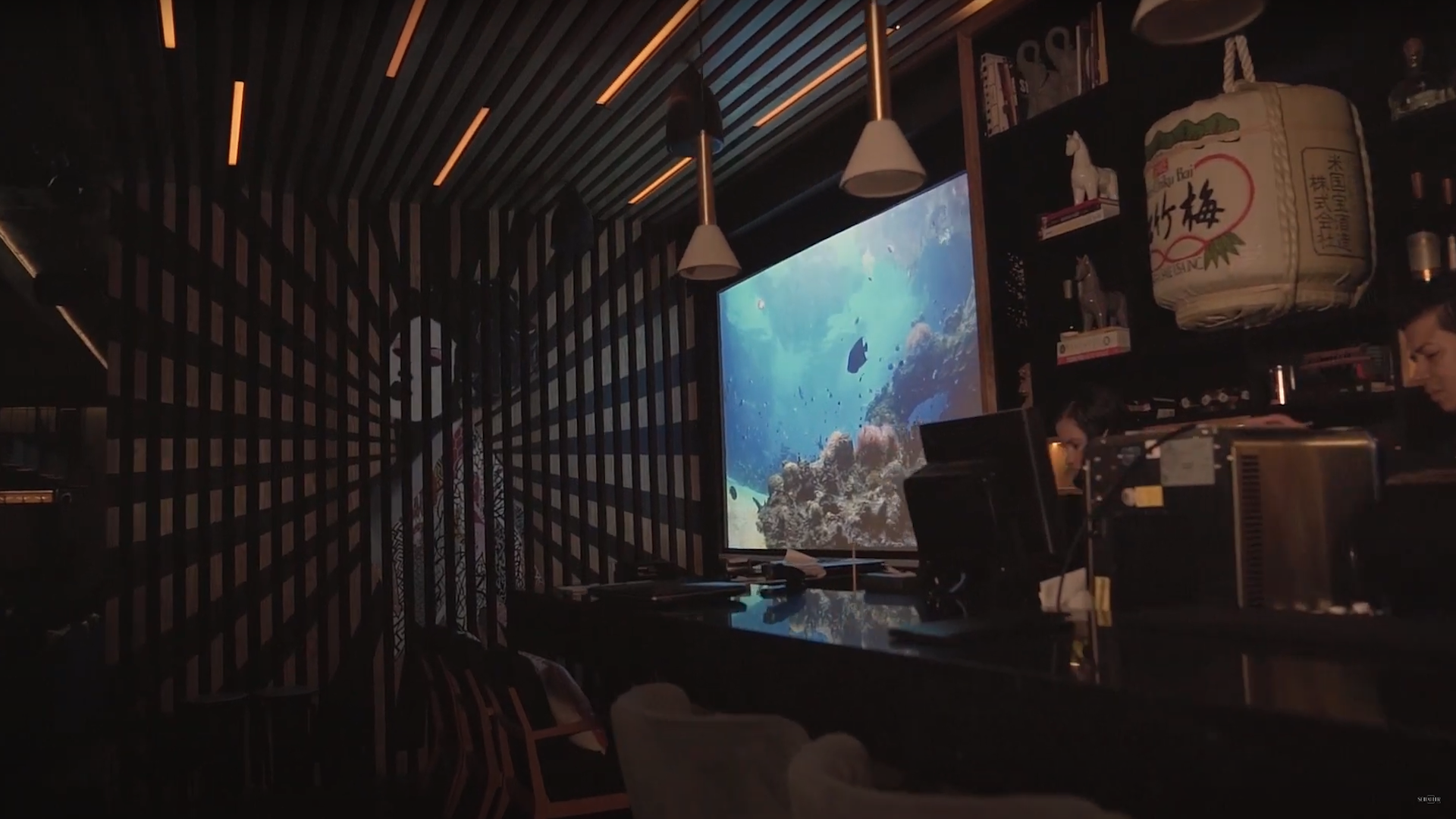
Dive into the deep blue sea while enjoying your favorite drink at this stylish bar, featuring a large screen displaying an underwater scene.
At Design Lab, we understand the power of a well-informed team in enhancing the dining experience through optimal acoustics. Training staff on the importance of sound management is crucial.
- Our servers know to speak clearly and at a moderate volume, ensuring customers feel heard without adding to the noise level.
- We equip our team with best practices for moving furniture and dishware softly to minimize clatter.
- Our staff members are trained on the acoustic features of the restaurant, allowing them to address any customer inquiries with confidence.
Effective communication strategies are also integral to maintaining a pleasant acoustic environment. Managers maintain a steady flow of information, ensuring every team member is up-to-date on seating arrangements, customer preferences, and peak times that may affect the restaurant’s noise levels.
Using Technology for Noise Control
We leverage state-of-the-art technology to keep our restaurant’s noise levels in check. Smart systems monitor and adjust the acoustic environment in real time:
- Sound masking technology subtly fills in the sound spectrum, making conversations private and reducing overall noise.
- Sophisticated speaker systems are strategically placed to provide even, pleasant background music that doesn’t intrude on conversations.
We’ve also integrated quiet kitchen appliances and tools to reduce the noise that emanates from the heart of the restaurant. Every piece of technology we select aims to maintain the delicate balance between a lively atmosphere and a conversation-friendly space.
Case Studies of Restaurants with Good Acoustics
Teriyaki Komodo Restaurant
At Teriyaki Komodo, our quest for perfect acoustics led us to Community Brand Speakers. We know seamless integration of sound and design isn’t just an option—it’s essential. Let’s take a closer look at how Design Lab implemented these groundbreaking solutions.
Community Brand Speakers: The Harmony between Aesthetics and Acoustics
- Dining Area: Integrating built-in speakers that match the restaurant’s aesthetic was our go-to strategy. These speakers deliver a Clear and Crisp Sound suitable for an intimate dining atmosphere.
- Bar Area: The hanging speakers we installed enhance the energetic vibe while still preserving the ability to hold a conversation without shouting.
- Outdoor Area: Achieving consistent acoustics outdoors can be tough, but the overhead speakers we chose ensure Uniform Sound Distribution, maintaining the restaurant’s ambiance seamlessly from inside to out.
Caimán del Río Food Zone
In 2019, we wrapped up an ambitious project at Caimán del Río, transforming it into a culinary marvel of Barranquilla. The glass-walled edifice posed a significant challenge with High Reverberation. Design Lab’s innovative acoustic strategies were crucial in countering this effect.
We installed special acoustic materials that not only absorb sound but also possess Fire-Retardant Properties, a necessary feature considering the plethora of kitchens onsite. The speaker and wiring selections were equally strategic; designed to withstand high levels of salinity, we incorporated Community brand speakers—hanging internals and surface-mounted externals.
The video system is yet another marvel we’re particularly proud of, featuring monitors built for 16/7 operation coupled with an HD-BaseT video distribution system. This sophisticated setup guarantees that guests at Caimán del Río enjoy an immersive audio-visual experience without the intrusion of excessive noise.
Welcoming Guests to a World-Class Experience
It’s our delight at Design Lab to have contributed significantly to this project, ensuring every visitor at Caimán del Río enjoys a memorable and pleasant auditory experience.
Conclusion
We’ve seen firsthand how soundproofing and acoustics play a crucial role in enhancing the dining experience. By adopting innovative technologies and training our staff, we’ve created auditory environments that delight our guests. Teriyaki Komodo and Caimán del Río stand as testaments to the positive impact of these strategies. Let’s continue to prioritize our patrons’ comfort by investing in sound solutions that turn a simple meal into an immersive sensory journey.
Frequently Asked Questions
What are the key techniques for soundproofing a restaurant?
Effective soundproofing techniques for a restaurant include using acoustic materials, such as panels and curtains, implementing sound-masking technology, installing strategically placed speaker systems, utilizing quiet kitchen appliances, and training staff on maintaining a noise-friendly environment.
How important is staff training in restaurant acoustics?
Staff training is crucial in maintaining a pleasant acoustic environment in a restaurant. Educating employees on how to communicate effectively without adding to the noise level can significantly improve the overall auditory experience for guests.
Can technology help control noise levels in a restaurant?
Yes, technology such as sound masking systems and strategically positioned speaker systems can help control and mitigate noise levels in a restaurant, contributing to a more enjoyable dining atmosphere.
What changes can be made in the kitchen to reduce noise?
Integrating quiet kitchen appliances and tools can greatly reduce the amount of noise that emanates from the kitchen, helping to maintain a more peaceful environment in the dining area.
Are there any real-world examples of restaurants with effective soundproofing?
Yes, the article provides case studies of two restaurants, Teriyaki Komodo and Caimán del Río, which have successfully implemented soundproofing strategies, including the use of specific speaker systems and acoustic materials to enhance the dining experience for guests.
Why is creating an excellent auditory experience important for restaurants?
Creating a world-class auditory experience is important because it significantly affects the overall satisfaction of restaurant guests. A good acoustic environment can lead to a more relaxing and enjoyable dining experience, encouraging patrons to return.
Our Portfolio


Project KK: Where Art and Technology Converge

R&R: A Journey of Design, Technology, and Passion

Santa Cecilia de Logroño Church

How Schallertech Transformed the Atlantic Museum into an Interactive Adventure
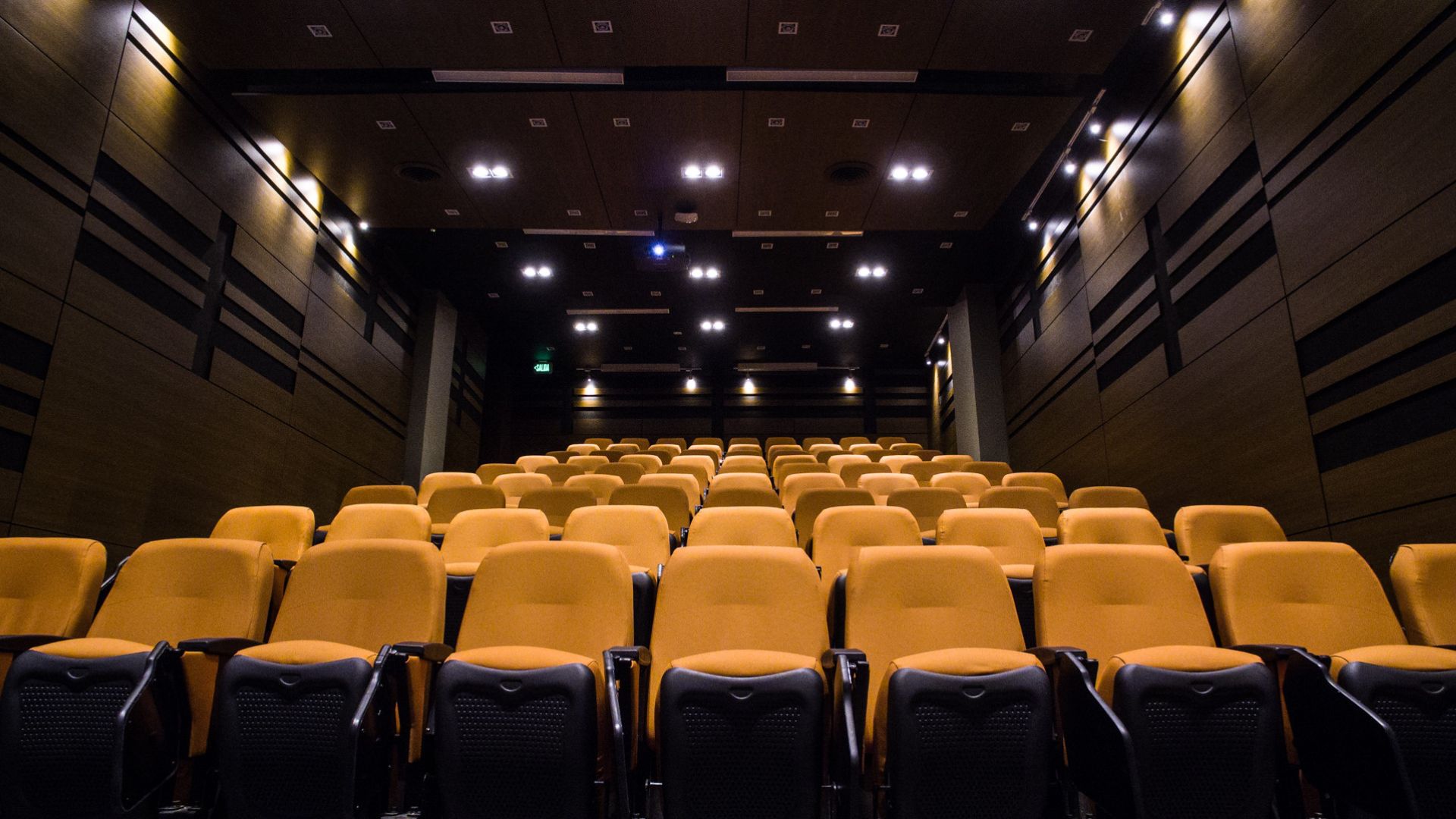

Master Auditoriums at UniNorte: How Schallertech Created a 21st Century Learning Space

Casa PC: Design, Entertainment, and Technology

SB Apartment – Lighting Redesign
Table of contents