Table of contents
In the world of performing arts, acoustics can make or break the audience’s experience. We understand that every note, every line delivered, hinges on the clarity and quality of sound. At Schaller Design Lab, we’re at the forefront of crafting acoustic environments that resonate with both performers and patrons alike.
Our expertise isn’t just about reducing echoes or dampening noise; it’s about creating a sonic masterpiece. If you’re looking to elevate your performing arts center to acoustic excellence, we’re here to guide you. From consulting to project design, we offer solutions and equipment that hit the right note, no matter where you are in the world. Let’s make your space sound spectacular.
Importance of Acoustics in Performing Arts Centers
Enhancing the Audience Experience
In performing arts centers, acoustics are not just an ancillary concern; they’re at the heart of how audiences connect with a performance. We understand that top-notch acoustics can make the difference between a good show and a breathtaking one. When sound travels unimpeded and arrives clear and rich at every ear, the resonance deepens engagement, and every whisper or crescendo reaches its full emotional impact.
Acoustic excellence in these spaces ensures that sound waves are managed effectively, providing an immersive audio experience for the entire audience. This includes:
- Minimizing echoes and reverberation
- Eliminating muddiness or blurring of sounds
- Ensuring consistency of audio levels throughout the venue
By controlling these elements, we ensure that patrons leave with the performers’ intended auditory experience firmly etched in their memories.
Enabling Artistic Expression
For artists and performers, the acoustics of a space can be as important as their instruments or voices. Good acoustics support artists in fully expressing their artistic vision and can amplify their performance to a higher level of excellence. Our goal is to create environments where sound not only supports but enhances the art form. We appreciate how the right acoustical design can:
- Allow performers to hear themselves and each other without unnatural electronic amplification
- Encourage dynamic range and nuance in performance
- Support clarity of diction, ensuring lyrics and dialogues are not lost
These factors not only benefit the performers but also add depth to the audience’s experience. When artists are confident in the acoustics of a venue, they’re free to focus on their performance, leading to more passionate and compelling shows. With our focus on acoustics, we’re committed to being a part of that transformative journey from stage to seat.
Factors Affecting Acoustics in Performing Arts Centers

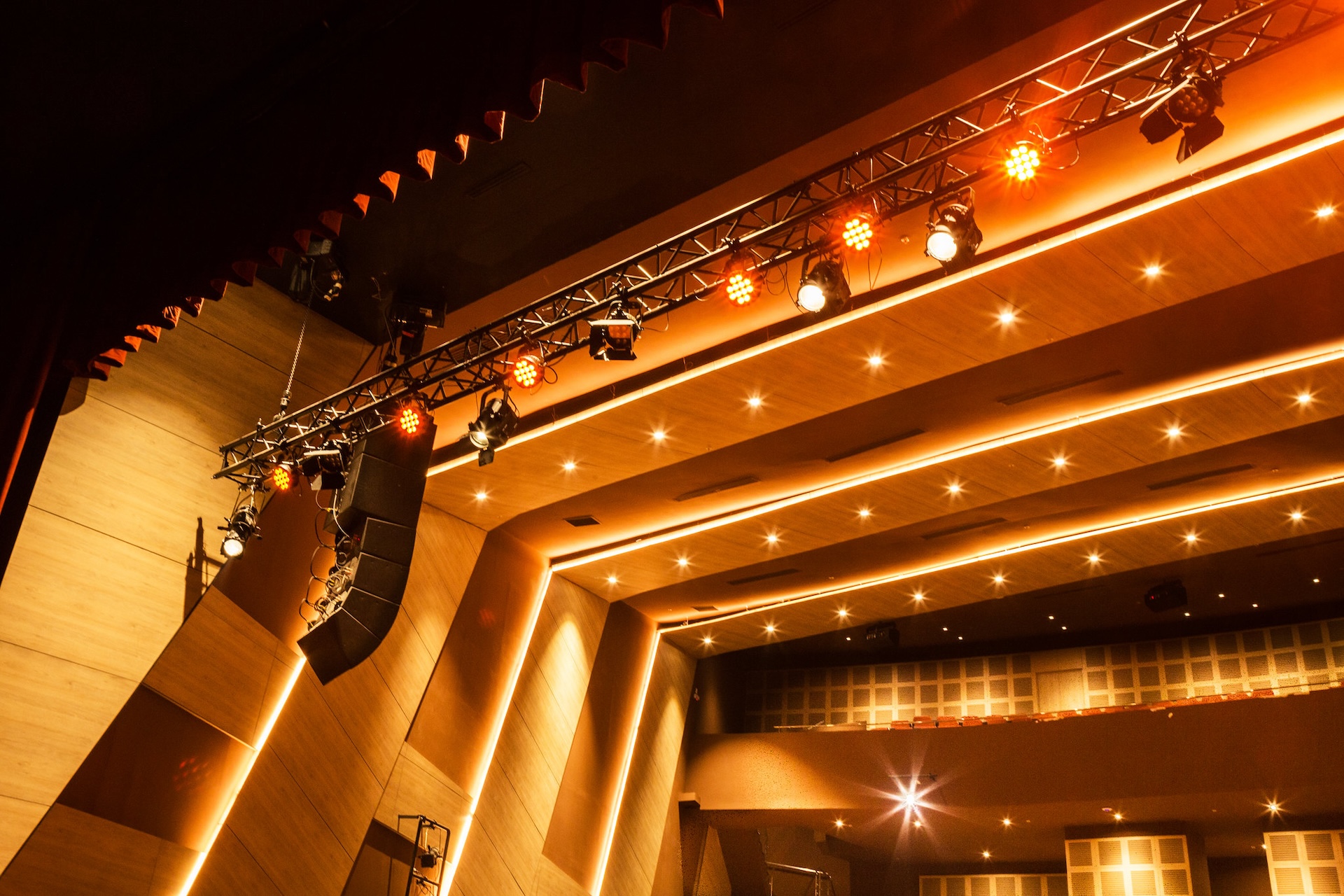
A unique ceiling light fixture illuminating the architectural beauty of the interior.
When we think about the acoustics in performing arts centers, it’s clear that certain factors come into play that can either enhance or detract from the overall auditory experience.
Architectural Design
Architectural design is pivotal in determining a center’s acoustic quality. Architects must consider the intended use of the space, whether it’s for symphonies, operas, or theatrical performances. Each of these requires different acoustic criteria. Symmetrical designs often distribute sound evenly, while asymmetrical shapes can create unique soundscapes. Features like sound reflecting panels and angled surfaces work together to direct sound effectively throughout the performance space. It’s the architect’s job to balance aesthetics with functionality, ensuring that the final design not only looks impressive but also meets the precise acoustic needs of the performers and audience.
Materials and Construction
The materials used in construction heavily influence acoustics. Not all materials reflect, absorb, or diffuse sound in the same way. For instance, concrete and plaster are excellent for reflection, whereas fabric-covered walls and cushioned seating are used for absorption. The thickness and density of these materials also play a critical role. It’s important for construction teams to collaborate with acoustic consultants to choose materials that align with the specific acoustic goals for the space.
- Reflective materials: Enhance sound projection
- Absorptive materials: Control reverberation levels
- Diffusers: Break up sound waves to reduce echo
Room Shape and Size
The room shape and size are crucial elements that affect the acoustics of performing arts centers. In a larger space, sound may need to travel further, which can potentially result in a loss of clarity. On the other hand, a smaller, more intimate venue may provide a more immediate connection between the performance and the audience. The aisle spacing, ceiling height, and volume all contribute to how sound waves travel and interact with each other. Optimal room dimensions are often derived from historic models and well-established acoustic formulas that help to predict how sound will behave in a given environment.
- Larger spaces: Require careful design to maintain sound clarity.
- Smaller venues: Offer a closer connection with the audience.
- Dimensional ratios: Based on historical data and acoustic models.
Through understanding and manipulating architectural design, materials and construction, and room shape and size, we create an immersive sonic environment, ensuring those on both sides of the footlights enjoy a rich and full auditory experience. Every performing arts center presents unique challenges and opportunities for acoustic optimization – embracing these factors is key to developing spaces that celebrate sound in all its forms.
Understanding Key Acoustic Parameters
Reverberation Time
Reverberation time is the bread and butter of acoustic understanding in performing arts centers. It’s defined as the time it takes for sound to decay by 60 decibels after a source has stopped producing it. This parameter is central to the acoustical quality of a space as it affects clarity, warmth, and intimacy of sound. The optimal reverberation time depends on the type of performance; for example, symphonic music thrives with longer reverberation, typically around 2 seconds, while speech or drama requires shorter times, closer to 1 second, for clear articulation. Adjusting the volume of the space, surface materials, and audience size are all factors that can influence reverberation time.
Sound Reflection and Diffusion
The way sound bounces off surfaces can dramatically affect the acoustic experience. Sound reflection is the phenomenon where sound waves reflect off surfaces, such as walls and ceilings, contributing to reverberant energy in the space. Proper balance of reflection is key for distributing sound evenly throughout the audience. Conversely, diffusion scatters sound waves, promoting an even distribution of acoustic energy across a performance hall. This ensures no single echo dominates, allowing for a rich, immersive sound experience. Diffusive surfaces are often irregular or textured, and when strategically placed, they can prevent the formation of acoustic hot spots and dead zones.
Absorption and Noise Control
Absorption is critical in managing a space’s acoustics and focuses on dissipating sound energy rather than reflecting it. Materials have different acoustic properties; soft, porous ones like seat cushions or heavy curtains absorb sound, while harder surfaces reflect it. Managing absorption helps control not only the reverberation time but also the level of background noise which is pivotal for maintaining the auditory focus on the performance. Noise control is another vital aspect, keeping unwanted external sounds at bay and ensuring internal systems such as HVAC are designed to have minimal acoustic impact. Every acoustic detail counts in preventing auditory interference that could compromise the artistic integrity of a performance.
By understanding and effectively applying these key acoustic parameters, we’re empowered to create spaces that not only reflect sound but envelop the listener in a cocoon of auditory bliss where every note and word resonates with purpose.
Designing Acoustically Sound Spaces

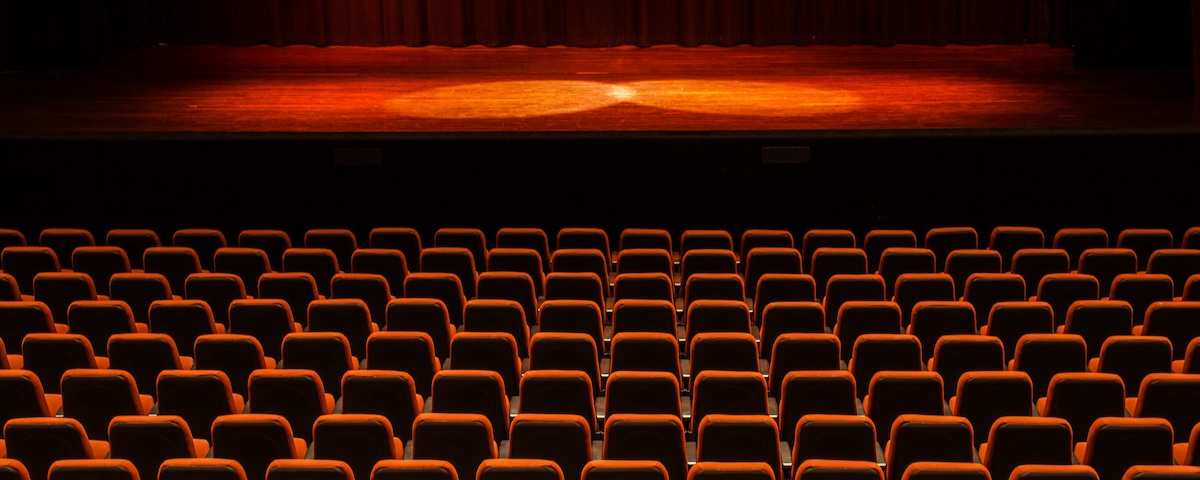
An auditorium ready for a captivating performance.
When crafting spaces for the performing arts, achieving expert acoustic design is not just an ambition – it’s a necessity. Though invisible to the eye, sound influences our sensory experience in profound ways, and in performing arts centers, it often becomes the soul of the structure.
Acoustic Treatments
Our first step towards phenomenal acoustics involves implementing acoustic treatments. These treatments are essential in managing sound reflections and ensuring clarity of sound. We integrate materials like acoustic panels, diffusers, and bass traps to manipulate sound waves efficiently. – Acoustic panels absorb excess sound, reducing echo and reverberation.
- Diffusers scatter sound waves, creating a rich blend of direct and reflected sound.
- Bass traps control low-frequency noise, which is crucial for clear audio output.
By balancing these elements, we shape the auditory environment to enhance every performance meticulously.
Sound Isolation
Next, we focus on sound isolation to block unwanted noise from bleeding into performance spaces. It’s imperative that exterior noise stays out and the purity of the performance remains undisturbed. We accomplish this by:
- Employing mass-loaded barriers in construction, which dampen vibrations and hinder sound transmission.
- Creating resilient channeling in walls and ceilings, decoupling surfaces to prevent structural sound conduction.
- Utilizing acoustic seals on doors and windows, which act as gatekeepers against intrusive sounds.
With these measures in place, we ensure that artists and audiences engage in an intimate auditory dialogue, without external interruptions.
HVAC Considerations
Finally, our attention turns to the subtleties of HVAC considerations. Heating, ventilation, and air conditioning systems can be a significant source of noise if not properly designed. We ensure to:
- Optimize airflow to minimize noise production from fast-moving air.
- Select low-noise equipment that integrates seamlessly with the acoustic goals of the space.
- Strategically position vents to avoid interference with the room’s acoustical treatments.
Aligning HVAC design with acoustic requirements is essential to maintaining the integrity of the sonic experience. We integrate these systems with the understanding that a tranquil, undisturbed atmosphere is just as important to the listening experience as the performance itself. Through these focused efforts on acoustic treatments, sound isolation, and HVAC considerations, we craft spaces that respect, highlight, and amplify the power of sound.
Conclusion
We’ve explored the transformative power of acoustics in performing arts centers and how it’s pivotal for an unforgettable audience experience. Ensuring artists can fully express themselves and connect with their audience hinges on the acoustical design of a space. Our jump into acoustic treatments and sound isolation techniques has shown how meticulous planning and execution can create an immersive sonic environment. By prioritizing these elements, we’re not just building venues; we’re crafting temples of sound that honor performance and listening alike. Let’s continue to elevate the auditory experience in performing arts centers, where every note resonates with clarity and every performance is an acoustic masterpiece.
Frequently Asked Questions
What makes acoustics so important in performing arts centers?
Acoustics are essential in performing arts centers as they dramatically enhance the audience’s experience by creating a strong connection between the performance and the audience. Good acoustics also support the artists’ expression and elevate the overall impact of their performance.
How do acoustic treatments like panels and diffusers work?
Acoustic treatments such as panels and diffusers are designed to manipulate sound waves to reduce reverberation, enhance sound clarity, and distribute sound evenly throughout the performance space. They help in achieving a balanced acoustic environment.
Why is sound isolation necessary in performing arts centers?
Sound isolation is critical to prevent unwanted noise from entering performance spaces, which can distract audiences and performers. Effective sound isolation is achieved using mass-loaded barriers, resilient channeling, and acoustic seals to maintain a pure audio experience.
How does HVAC design contribute to acoustic integrity?
HVAC systems must be designed with low noise levels in mind to preserve the integrity of the sonic experience in performing arts centers. This includes optimizing airflow, selecting equipment that operates quietly, and placing vents strategically to minimize audio interference.
Our Portfolio
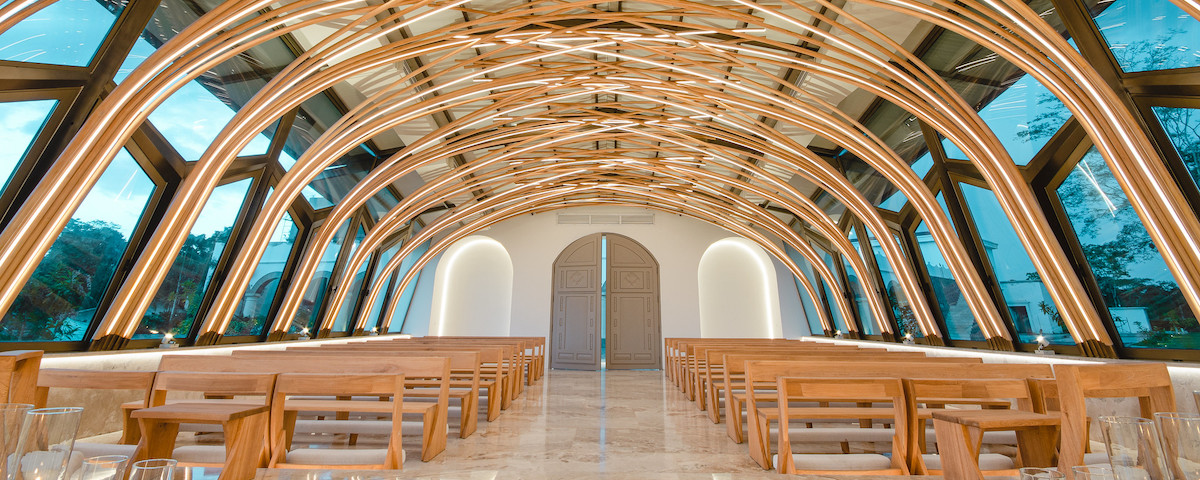
Chapel Hacienda Las Marías. The Evolution of Lighting in Worship Spaces

Apartment in Barranquilla: Home Automation and Lighting
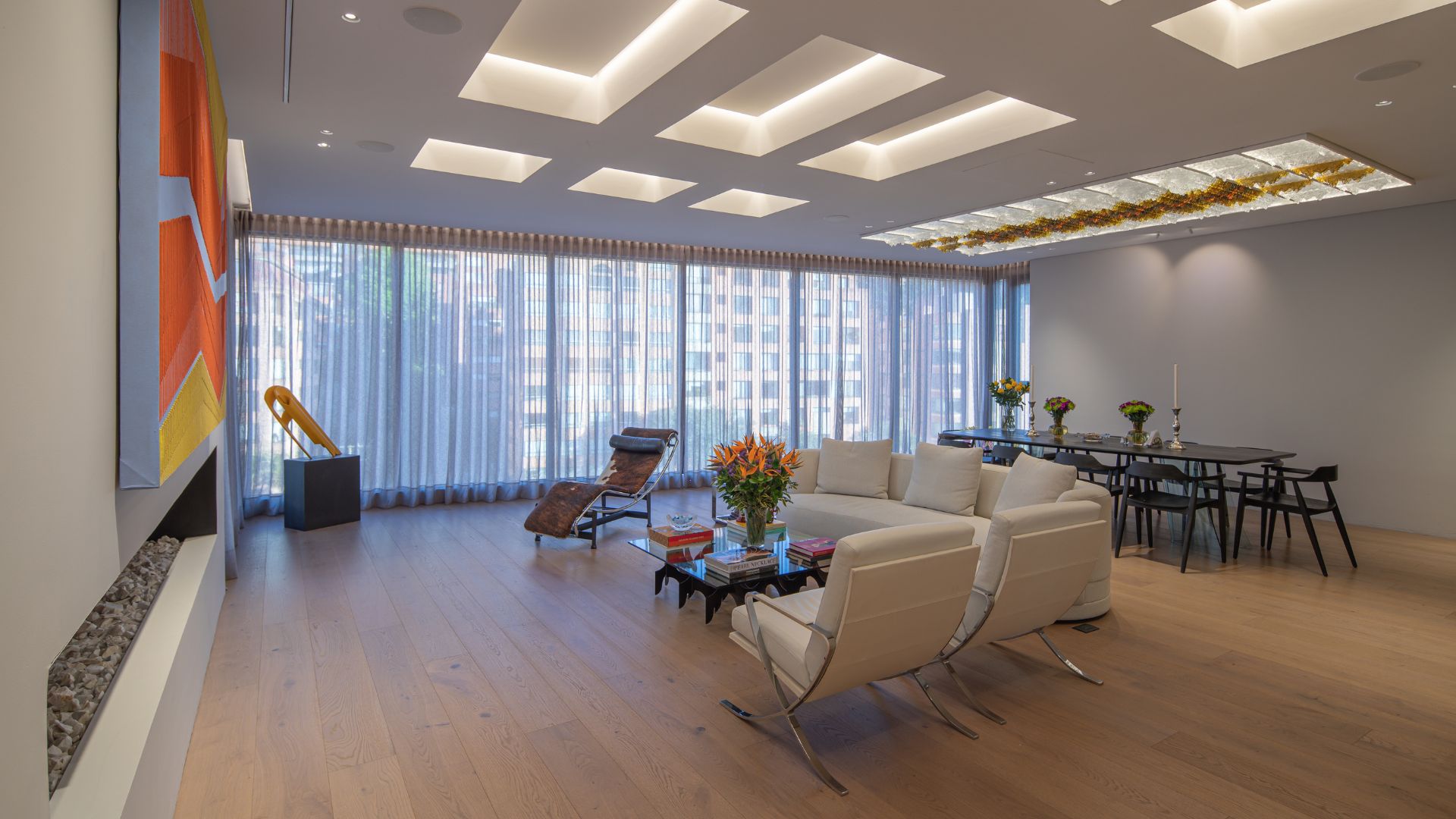
GP Apartment: Exceptional Design and Technology
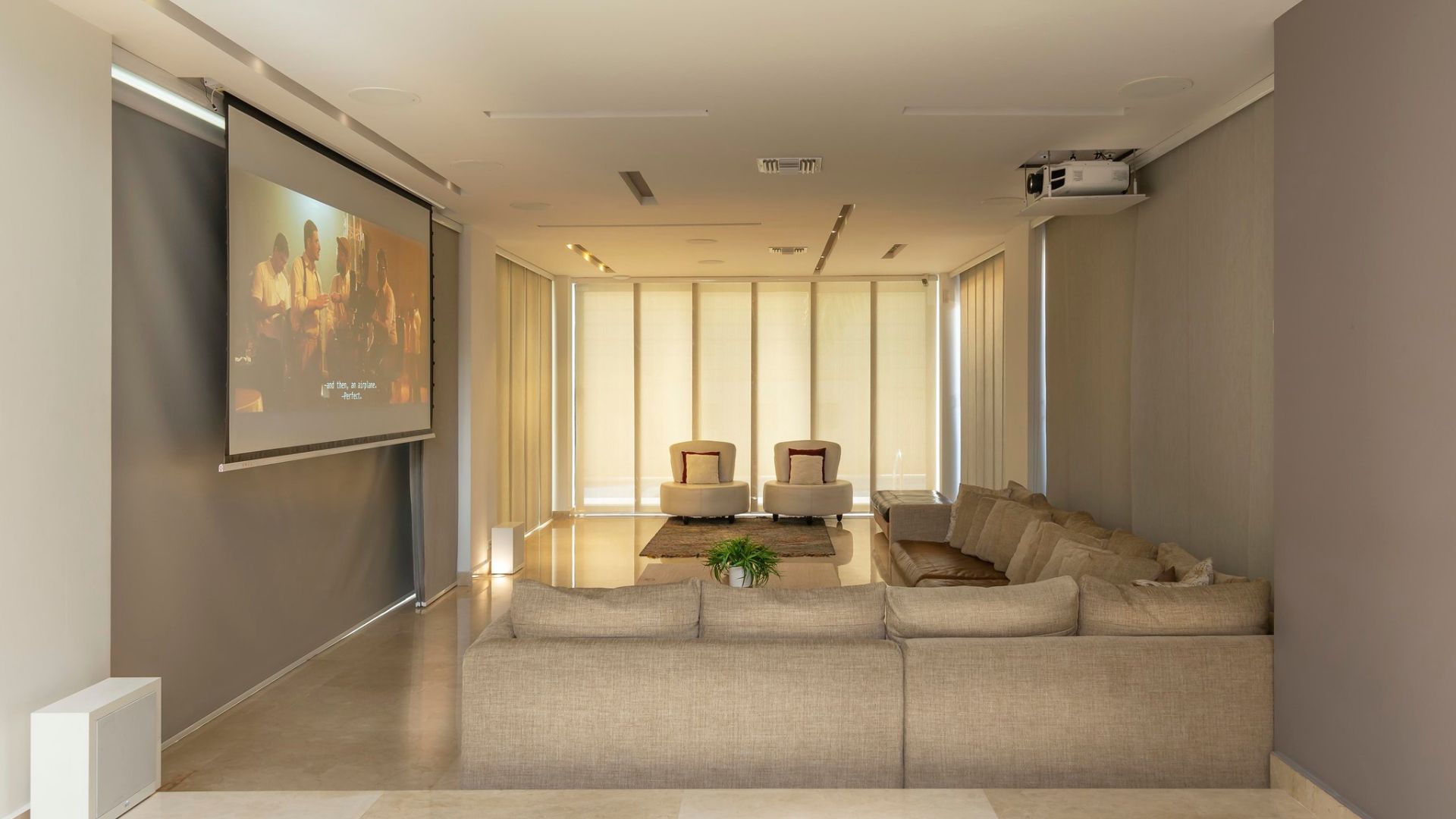
Smart and Exceptional Design: TC Project

Universidad del Atlantico Theater: A Legacy of Technological and Cultural Innovation

Project KK: Where Art and Technology Converge

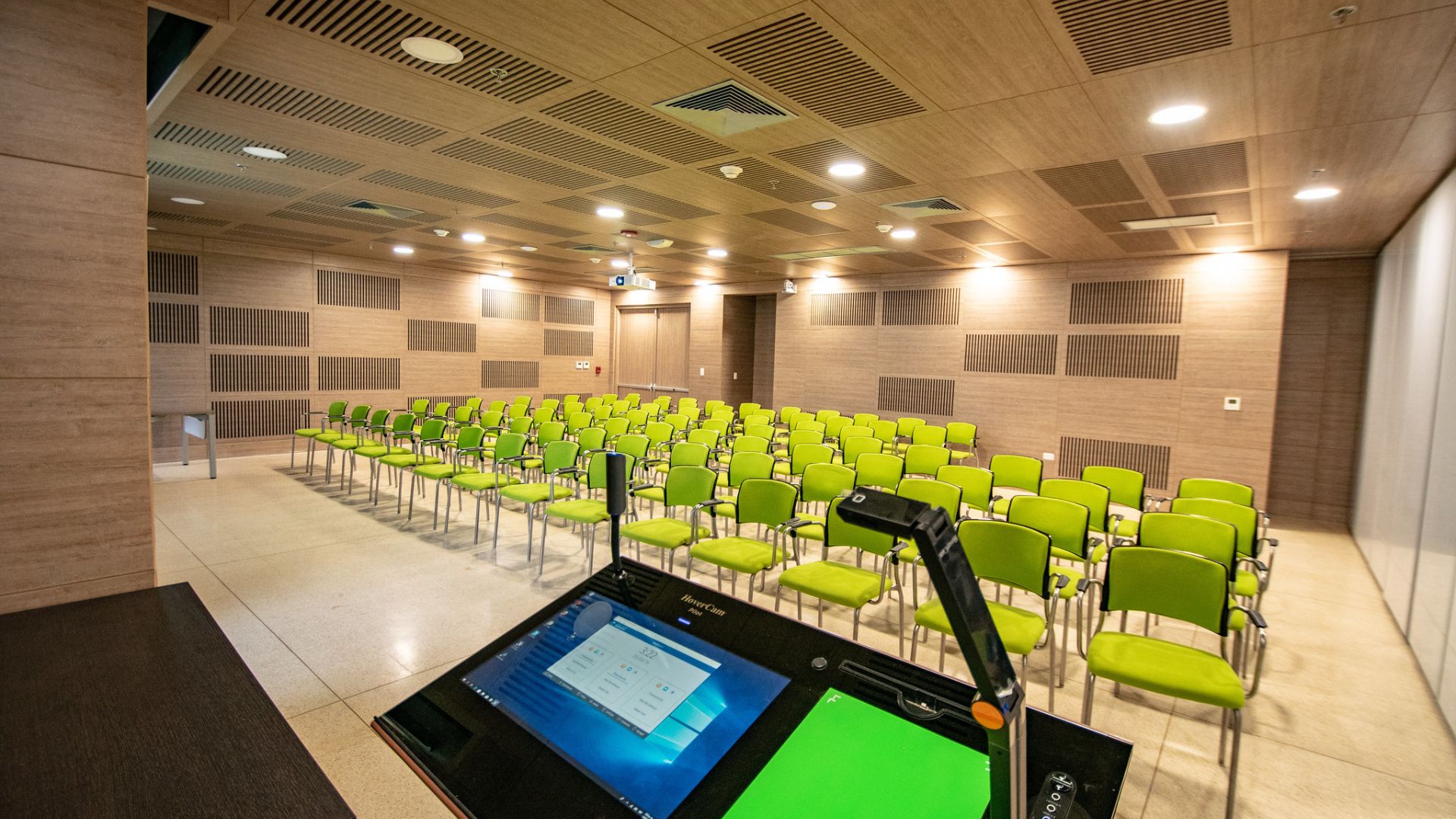
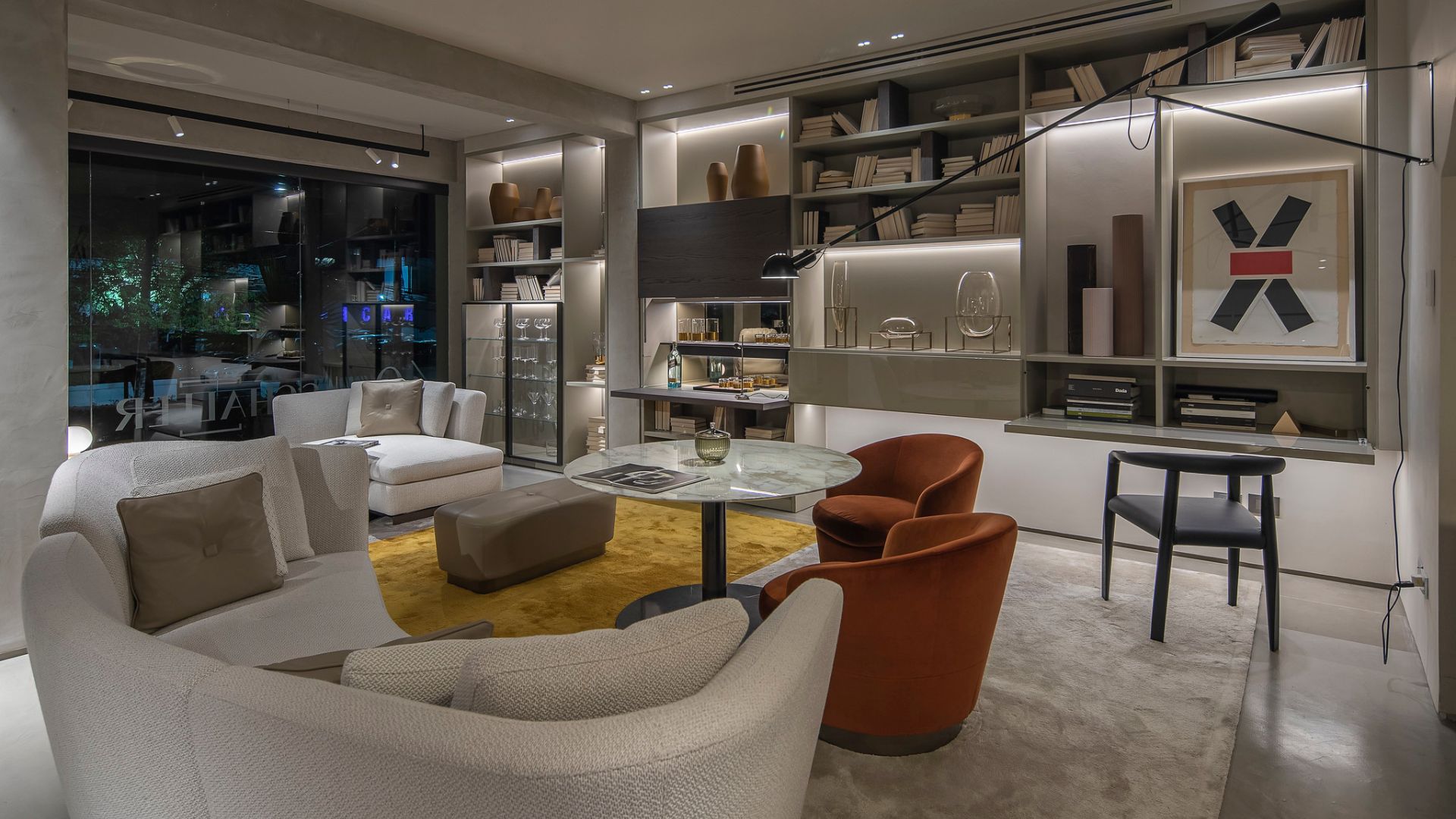

Table of contents