Table of contents
As the curtain rises on the future of performing arts centers, we’re on the brink of a design revolution. From cutting-edge acoustics to immersive technology, the next generation of venues is set to transform the audience experience.
At Schaller Design Lab, we’re at the forefront of these innovations, crafting spaces that resonate with the dynamic needs of performers and patrons alike. Whether you’re looking to consult on a nascent project or seeking advice on the latest equipment, we’re your global partner in bringing visionary performing arts centers to life.
Stay tuned as we unveil the trends that are redefining the cultural world and learn how we can help you stay ahead of the curve.
Importance of Performing Arts Centers
Cultural Enrichment
Performing arts centers are more than just venues; they’re beacons of culture and creativity that nourish the community’s soul. They help priceless experiences where audiences encounter diverse forms of expression and storytelling. A rich cultural scene is key to nurturing innovation and open-mindedness within a society.
Arts centers act as hubs for talent and creativity, offering people the opportunity to engage with the arts firsthand, enhancing their cultural awareness and understanding. Cultural programs and educational outreach initiatives often stem from these institutions, forging a stronger community bound by shared experiences and appreciation for the arts.
Economic Impact
The influence of performing arts centers extends well beyond the stage, having a significant effect on local and national economies. These spaces are often a catalyst for urban revitalization, attracting visitors and breathing new life into underutilized areas. Research shows that a vibrant arts scene can lead to higher property values, particularly in districts surrounding the centers.
Also, performing arts venues create jobs, from front-of-house staff to backstage technicians. They also support a network of surrounding businesses such as restaurants and hotels. According to figures from the non-profit organization Americans for the Arts:
| Economic Factor | Contribution |
|---|---|
| Full-Time Jobs | 2.3 million |
| Government Revenue | $15.3 billion |
| Household Income | Over $50 billion |
These figures demonstrate the powerful role that arts centers have in bolstering economic stability and growth. By drawing tourists and establishing an arts-centric ecosystem, they become epicenters for economic development.
Current Design Trends in Performing Arts Centers
Flexible Spaces
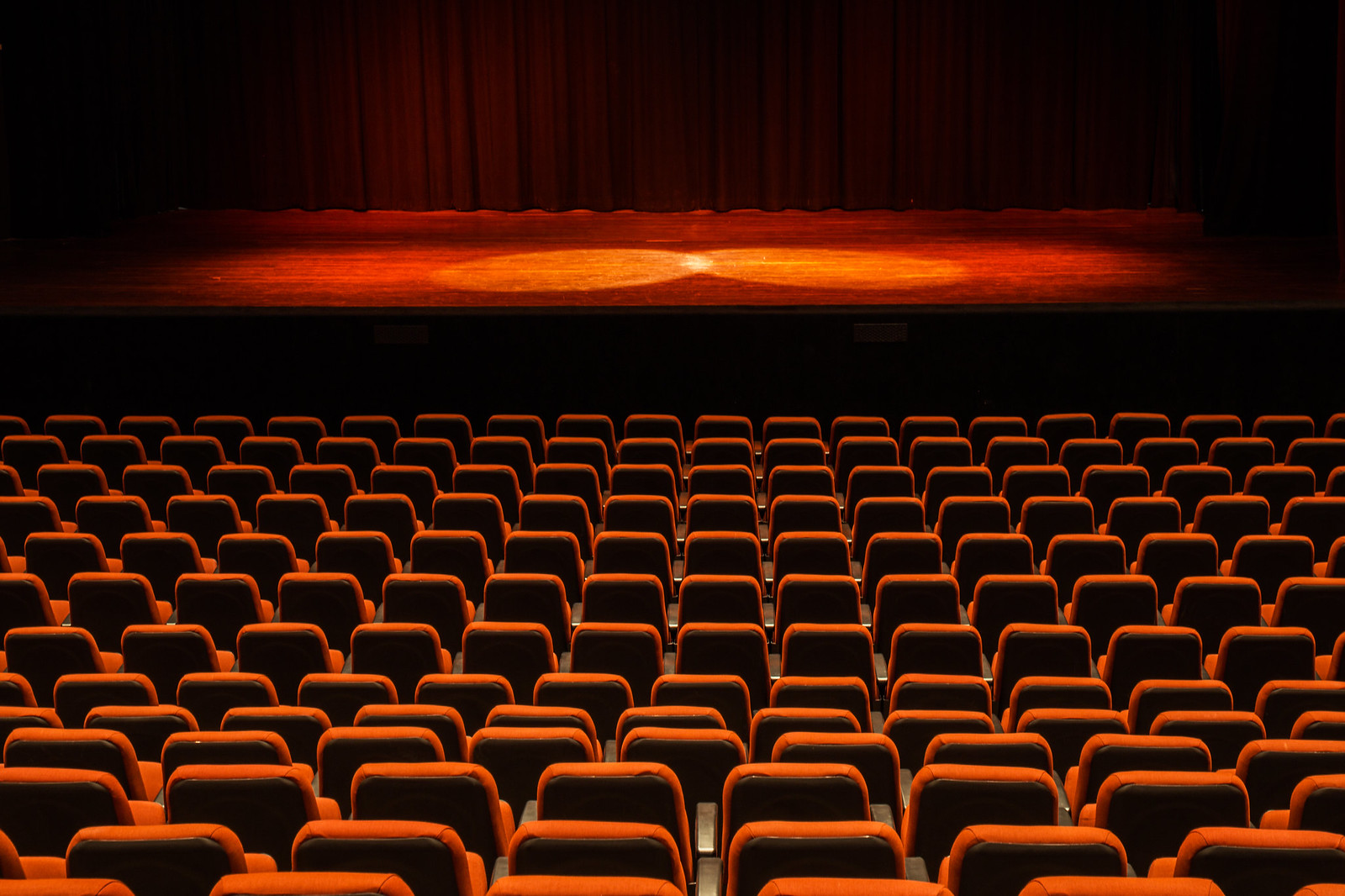
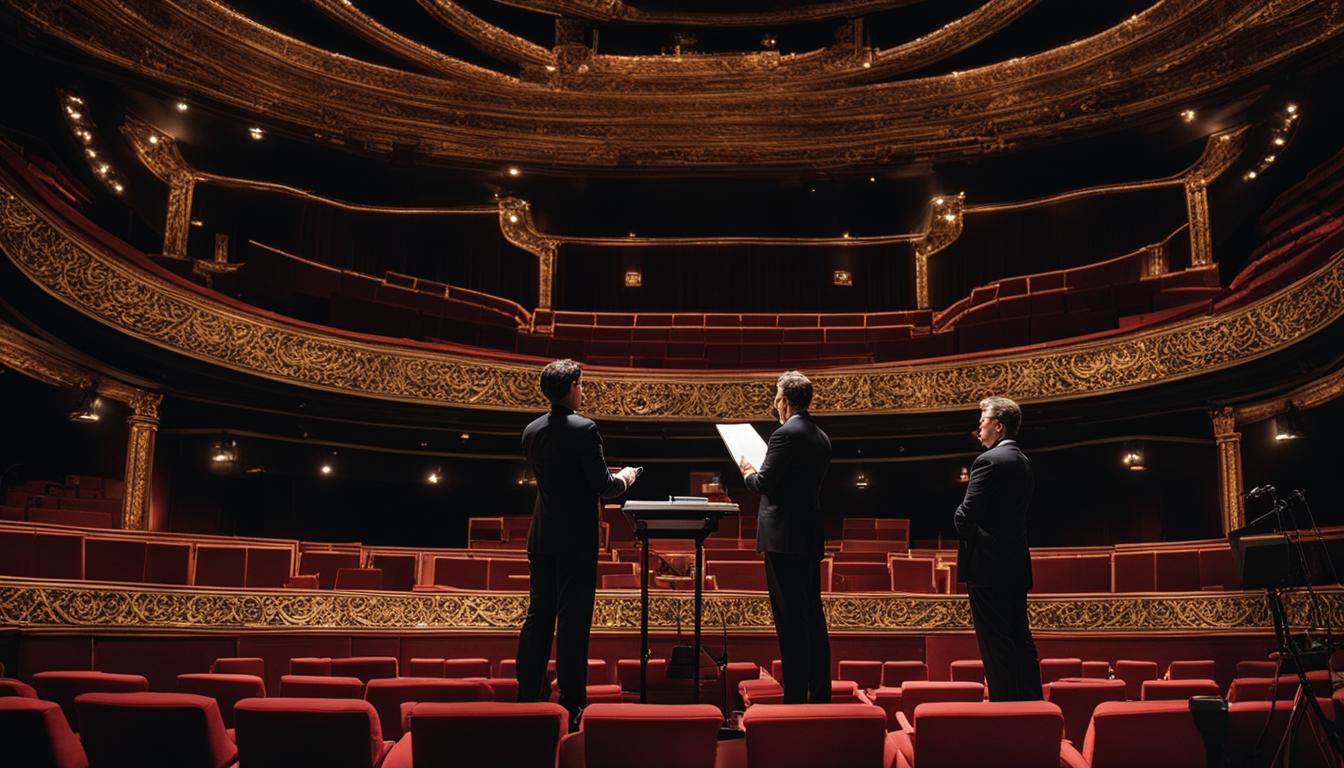
A captivating view of an empty theater stage under the spotlight, showcasing the harmonious blend of inclusivity and modern design trends in performing arts centers.
In the area of performing arts centers, we’re witnessing an evolutionary shift towards flexible spaces. Architects and designers are increasingly prioritizing multipurpose areas that can be reconfigured to suit a variety of performances and events. These transformations are not just about retractable seating or movable stages; it’s a holistic approach that encompasses acoustic enhancements and modular structures which adapt to the ever-changing needs of performers and audiences alike. By employing such designs, performing arts centers can cater to an extensive range of artistic endeavors from intimate recitals to grand theatrical productions.
Integration of Technology
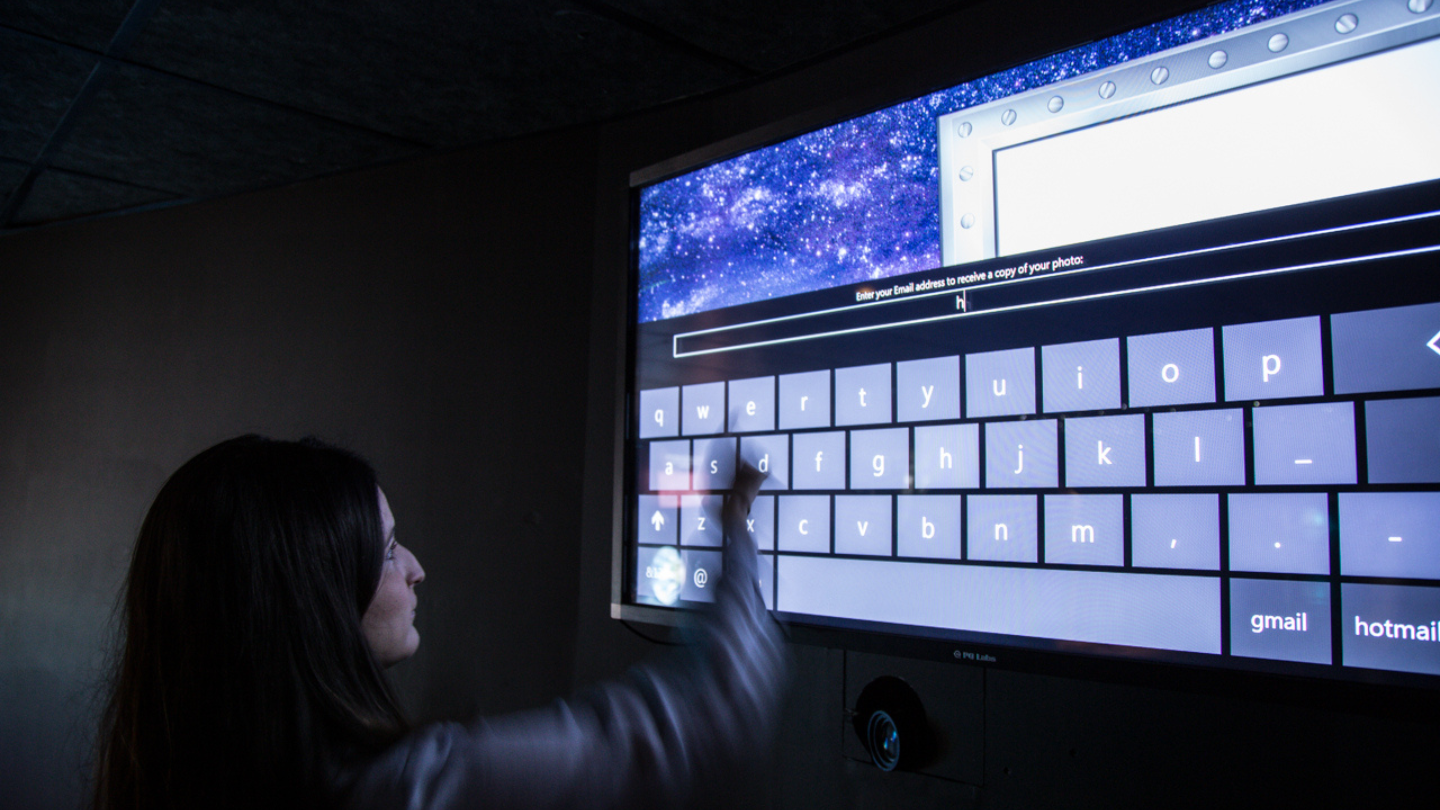
Technological advancements have ushered in a new era for performing arts centers. We’ve seen an embrace of cutting-edge sound and lighting systems that heighten the sensory experience of every performance. Also, digital integration goes beyond the stage, with lobbies and common areas featuring interactive displays and multimedia installations that engage visitors from the moment they step into the venue. With the advent of live streaming capabilities and virtual reality, these centers are expanding their reach, allowing for global participation and enhanced educational opportunities that break through geographical barriers.
Sustainability
Sustainability is at the forefront of modern design, and performing arts centers are no exception. We’re seeing an uptick in venues that not only minimize their environmental footprint but also promote green practices among their patrons. Eco-friendly materials and energy-efficient systems are the cornerstones of these sustainable designs. Rainwater harvesting, solar panels, and optimized HVAC systems aren’t just concepts; they’re active implementations that significantly reduce utility costs and carbon emissions. Green roofs and living walls also contribute to biodiversity and create an aesthetically pleasing environment, enhancing the overall experience of visitors.
Future Trends in Design
Interactive and Immersive Experiences
We’re seeing a paradigm shift in performing arts centers where interactivity and immersion are taking center stage. The integration of augmented reality (AR) and interactive installations invites audiences to become part of the performance, fostering a new dimension of engagement. In these spaces, spectators don’t just watch, they interact, shaping their own experiences. Real-time feedback loops between performers and viewers are now possible with sensors and mobile technology, creating a dynamic environment that transforms with each show.
Adaptable and Multi-purpose Spaces
Flexibility is paramount in modern performing arts design. We’re moving away from static layouts to spaces that can morph to suit an ever-changing roster of events. Articulated walls, retractable seating, and modular stages are key features that enable venues to quickly shift from an intimate play to a large-scale concert or conference. This versatility not only maximizes functionality but also ensures these centers can remain financially viable by hosting a wide range of events.
Integration of Virtual Reality
Performing arts centers are embracing virtual reality (VR) to provide extraordinary experiences that transcend physical boundaries. VR can transport audiences to other worlds or give them a performer’s-eye view, adding layers of depth to traditional storytelling. The technology’s rise means we’re likely to see specially designed spaces in centers that cater solely to VR experiences. By integrating VR, these institutions extend their reach globally, allowing people to enjoy performances from the comfort of their own homes while still feeling like they’re in the heart of the action.
Designing for Accessibility and Inclusivity
Universal Design Principles
A captivating view of an empty theater stage under the spotlight, showcasing the harmonious blend of inclusivity and modern design trends in performing arts centers.
We’re witnessing a transformative era in performing arts centers where universal design principles are paramount. These principles ensure that spaces are accessible to everyone, regardless of age, ability, or other factors. One core concept is the creation of smooth, level surfaces to improve mobility for individuals using wheelchairs or walking aids. Doorways and corridors are expanding, moving beyond the minimum width to create a more comfortable passage for all. Seating in theaters is diversifying, with dedicated spots for wheelchairs and companion seats that are integrated seamlessly into the audience.
Visual cues like high-contrast signage and tactile guides lead the way for those with visual impairments. Advanced booking systems are updated to be more user-friendly, streamlining the process for patrons with disabilities to reserve seating and accommodations. Incorporating these principles isn’t just about compliance; it’s about offering a high-quality experience to every member of our community.
Assistive Technology
In the area of assistive technology, we’re embracing innovation to elevate the experience of all visitors. Real-time captioning systems and audio description services have become more sophisticated, ensuring that those with hearing or visual impairments don’t miss a moment of the performance. Personalized assistive listening devices are being equipped with cutting-edge technology for crystal-clear audio.
Besides, we’re implementing mobile apps that serve as personalized guides—offering directions, show information, and even language translation. Handheld devices are available for checkout, preloaded with these capabilities, making it easier for guests to navigate the center and fully engage with the arts.
Sensory-friendly Spaces
Our approach to sensory-friendly spaces is reshaping the performance arts scene. These areas cater to individuals with autism spectrum disorder (ASD) or sensory processing disorders by providing a calming environment. They are equipped with adjustable lighting and sound systems to reduce sensory triggers and provide a soothing ambience. We also designate quiet areas outside the main auditorium where guests can retreat if overwhelmed.
Spaces are crafted with non-toxic, hypoallergenic materials to prevent any adverse reactions. Performances are tailored with designated sensory-friendly showings, featuring modified lighting and sound, as well as a more relaxed approach to audience noise and movement. With these dedicated spaces, we’re ensuring that every person has the opportunity to experience the arts in a way that’s comfortable and enjoyable for them.
Conclusion
We’re witnessing a transformative era in performing arts center design where accessibility and inclusivity aren’t just ideals—they’re the foundation. Our commitment to universal design is reshaping the way we think about space, comfort, and experience. By embracing assistive technologies and sensory-friendly environments we’re not just opening doors wider, we’re ensuring that once inside, everyone finds a place that feels like it was made just for them. The arts have always had the power to unite and now our designs are living up to that promise, making sure that every community member can enjoy the magic of performance.
Frequently Asked Questions
What are current design trends in performing arts centers?
Performing arts centers are increasingly adopting universal design principles, ensuring accessibility for everyone. Trends include smooth, level surfaces, wider doorways, diverse seating options, and assistive technologies for those with impairments.
How are performing arts centers becoming more accessible?
They are becoming more accessible by implementing features like expanded corridors, assistive listening devices, real-time captioning systems, and sensory-friendly spaces to cater to individuals with disabilities or sensory processing disorders.
What is universal design in the context of performing arts centers?
Universal design in performing arts centers refers to creating inclusive spaces that are accessible to all patrons, regardless of age or ability, and addresses a wide range of physical and sensory needs.
What technologies are being used to help those with hearing or visual impairments?
Assistive technologies being used include personalized assistive listening devices and real-time captioning systems, which enhance the experience for patrons with hearing or visual impairments.
What are sensory-friendly spaces in performing arts centers?
Sensory-friendly spaces are areas designed to accommodate individuals with autism spectrum disorder or sensory processing disorders, featuring adjustable lighting, reduced sound levels, and calming environments.
Our Portfolio

Residential Design Casa JC: Sophistication and Technology
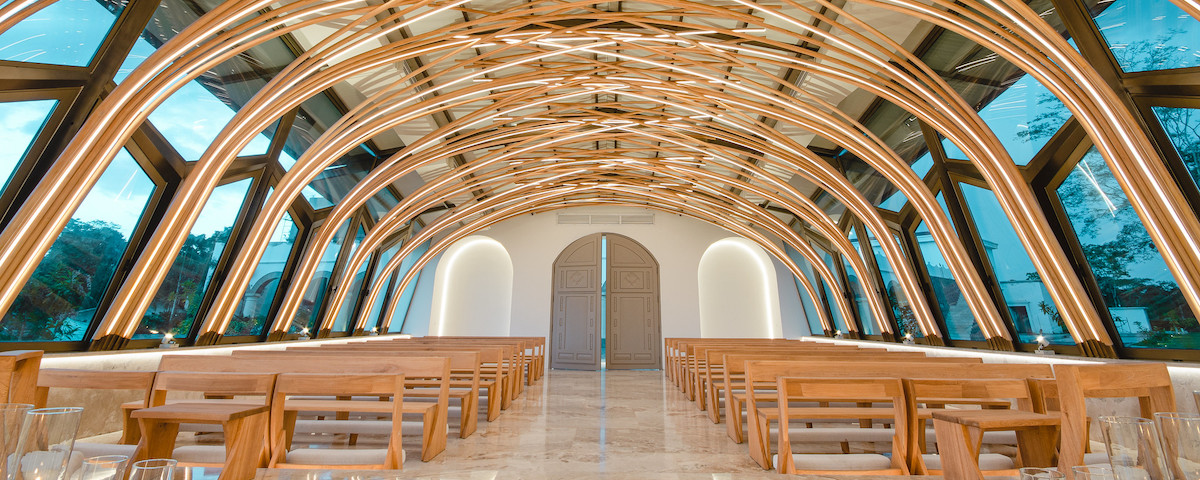
Chapel Hacienda Las Marías. The Evolution of Lighting in Worship Spaces

Art and Light: Contemporary Design in the SB Apartment

Designing the Sound and Visual Experience of Teriyaki Komodo Restaurant: A Case of Technological Innovation

R&R: A Journey of Design, Technology, and Passion
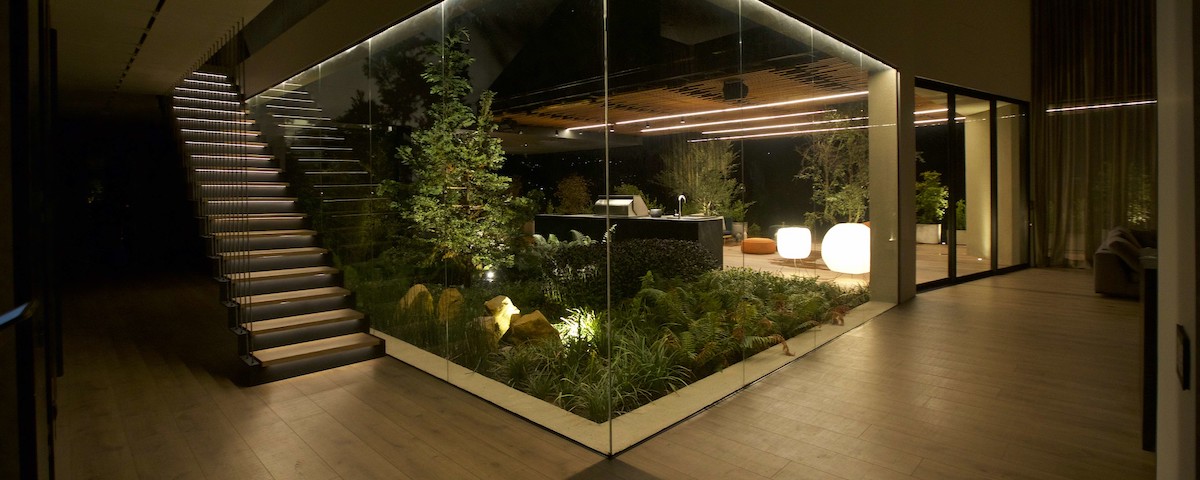
Lighting that Inspires: An Exceptional Design Project

Turning Stars into Experiences: The Remodeling of the Combarranquilla Planetarium by Schallertech


Apartment in Barranquilla: Home Automation and Lighting
Table of contents