Table of contents
- Importance of Architectural Lighting in Performing Arts Centers
- Types of Architectural Lighting in Performing Arts Centers
- Factors to Consider when Designing Architectural Lighting for Performing Arts Centers
- Best Practices for Architectural Lighting Design in Performing Arts Centers
- Conclusion
- Frequently Asked Questions
Architectural lighting transforms performing arts centers into vibrant hubs that capture the imagination. It’s not just about visibility; it’s an art that enhances the experience for performers and audiences alike. At Schaller Design Lab, we understand the power of well-designed lighting and its impact on the world of performing arts.
Whether you’re revamping an existing space or dreaming up a new one, our expertise brings your vision to life. We’ve illuminated stages worldwide, ensuring each project’s unique character shines through. If you’re looking to elevate your performing arts center with stunning lighting design, let’s collaborate to create something truly spectacular.
Importance of Architectural Lighting in Performing Arts Centers
Enhancing the Aesthetics of the Space
When we step into a performing arts center, the first thing that catches our eye is the beauty of the environment around us. Architectural lighting plays a pivotal role in accentuating the design elements of these spaces. It’s not just about providing light; it’s about creating a visual hierarchy that guides attendees’ attention to the important structural details. Think of lighting as the unsung hero that magnifies the textures, colors, and materials used in the space, turning a simple walk through the lobby into an entrancing prelude to the main event.
Creating an Immersive Experience for the Audience
A memorable performance goes beyond what happens on stage. The entire venue contributes to the magical atmosphere that envelops the audience. Through strategic use of light intensity, color, and movement, architectural lighting immerses the audience from the moment they enter the theater. Dynamic lighting schemes further enrich this experience, as they can change the mood and setting of the space in harmony with the performance, ensuring that every attendee feels a part of the story unfolding before them.
Highlighting Key Architectural Features
Every performing arts center has its own unique set of architectural features that deserve the spotlight. Be it intricate moldings, sweeping arches, or grand columns; strategic lighting installations ensure these elements claim their due prominence. By employing the right angles and intensities, lights can create dramatic shadows and highlights that outline these features, turning the building itself into a living, breathing backdrop for the performances it hosts. Spectacular lighting not only underscores the center’s character but also marks it as a landmark in the cultural world.
Types of Architectural Lighting in Performing Arts Centers
Stage Lighting

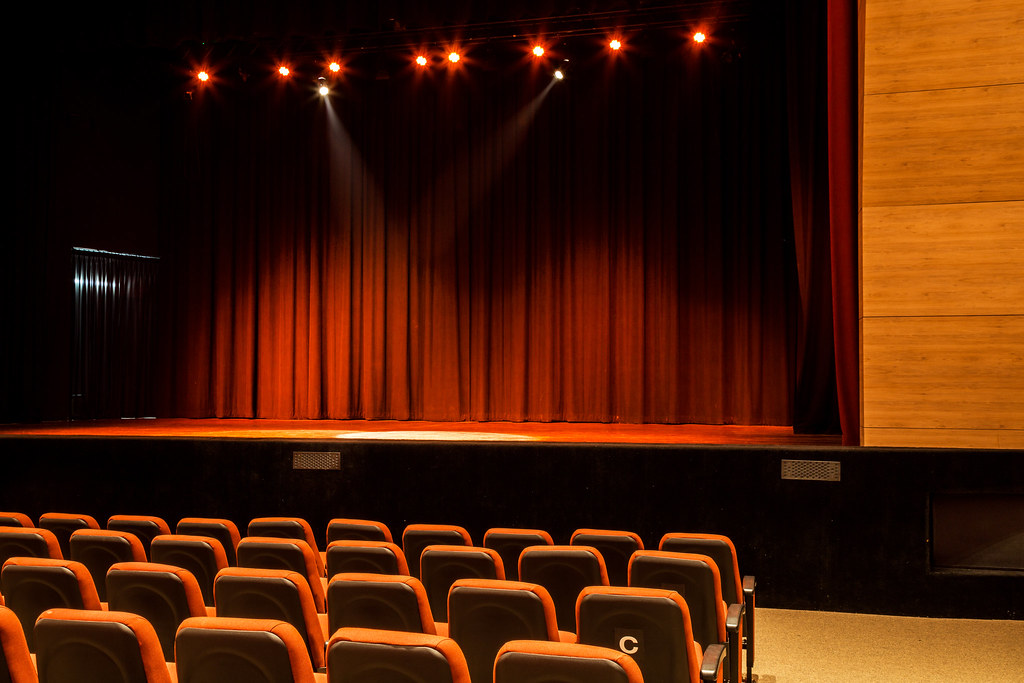
The dramatic glow of stage lights on a red curtain, setting the stage for an engaging performance.
Stage lighting is the backbone of any performance, creating depth and dimension on stage. In performing arts centers, we see a combination of spotlights, floodlights, and follow spots, each serving its own function. – Spotlights pinpoint performers, keeping the focus sharp and guiding the audience’s attention.
- Floodlights wash the stage with light, ensuring no part is left unseen.
- Follow spots track movement, highlighting dynamic performances and critical moments. Together, these lighting types work in concert to manage the visual impact of a show. It’s not just about visibility; it’s about emphasizing emotions, transitions, and the overall energy of the performance. Our expertise reveals that well-executed stage lighting can significantly enhance the storytelling aspect of any production.
Ambient Lighting
Ambient lighting sets the overall mood of the theater before and during a performance. This type of lighting is subtle but pivotal. It’s the warm glow that ushers patrons to their seats or the dim illumination that signals the anticipation of a show’s beginning. Here’s how we optimize ambient lighting:
- Uniformity is crucial to avoid distracting shadows or overly bright areas.
- Dimmability allows us to adjust the lighting depending on the event or scene.
- Color temperatures are selected to complement the architectural features and decor, adding to the allure of the space. We’ve observed that with careful planning, ambient lighting can significantly impact patron comfort and the overall immersive experience of the theatergoer.
Accent Lighting
Accent lighting in performing arts centers is all about the drama off-stage, emphasizing architectural elements and artworks. It’s these highlights that transform ordinary spaces into breathtaking environments. We focus on features like:
- Moldings and archways, using lighting to cast dramatic shadows or soft glows.
- Display areas for art, where we spotlight sculptures and paintings to celebrate the culture of the space.
- Architectural textures, utilizing light to enhance or subdue features, depending on the intended effect.
Accent lighting is where precision meets artistry. We understand that each element we light becomes part of the greater narrative of the space. And it’s this narrative that enriches the overall experience, leaving a lasting impression on audiences long after the curtains close.
Factors to Consider when Designing Architectural Lighting for Performing Arts Centers
Functionality and Flexibility
When we design architectural lighting for performing arts centers, functionality stands as a cornerstone. The lighting must serve its primary purpose—to illuminate and to foster an engaging atmosphere for the audience. It’s imperative that the design accommodates various performance types, from plays and dances to concerts and galas. Flexibility is key; lighting should be versatile enough to adapt to different themes and moods. By incorporating dimmable lights and controllable systems, we ensure the space can transition smoothly between different settings. Advanced lighting solutions offer programmability, allowing scenes to be pre-set and altered with ease. This capability resonates with the dynamic nature of performing arts, where each show brings its unique lighting demands.
Energy Efficiency
In today’s world, energy efficiency isn’t just a buzzword—it’s a significant factor in architectural lighting design. Our sustainable approach doesn’t compromise the quality of the experience but enhances it by selecting LED fixtures that offer longevity and reduced power consumption. This choice not only curtails energy costs but also aligns with environmental consciousness. We harness innovative technologies that optimize light output while minimizing waste. Motion sensors, daylight harvesting systems, and timed controls contribute to a design that’s not only smart but also responsible. Our designs continually aim to strike a balance between creating the desired aesthetic effect and maintaining an eco-friendly footprint.
Integration with Multimedia and Technology
The confluence of architectural lighting with multimedia and technology can amplify the experience in performing arts centers. Lighting isn’t just a standalone element; it’s part of a larger narrative that includes sound, video, and interactivity. We incorporate cutting-edge systems that allow lighting to synchronize with audiovisual content, creating a cohesive and immersive environment. High-definition projectors, screens, and LED displays work along with lighting to set the stage for a powerful performance. This integration opens a world of possibilities, enabling us to craft experiences that captivate the senses and elevate performances to new heights. Our focus on integration ensures that every element works in harmony, providing audiences with a seamless blend of light and media.
Best Practices for Architectural Lighting Design in Performing Arts Centers
Collaborating with Architects and Design Teams
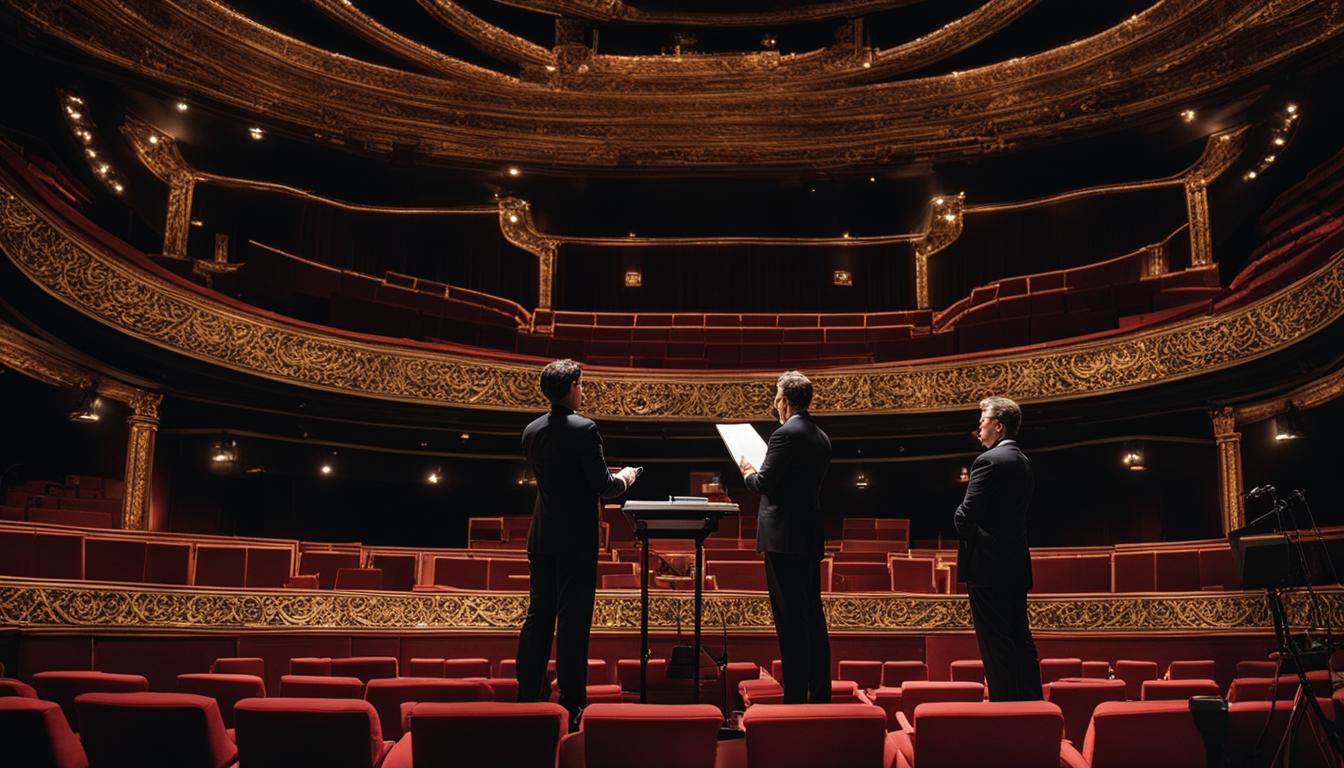
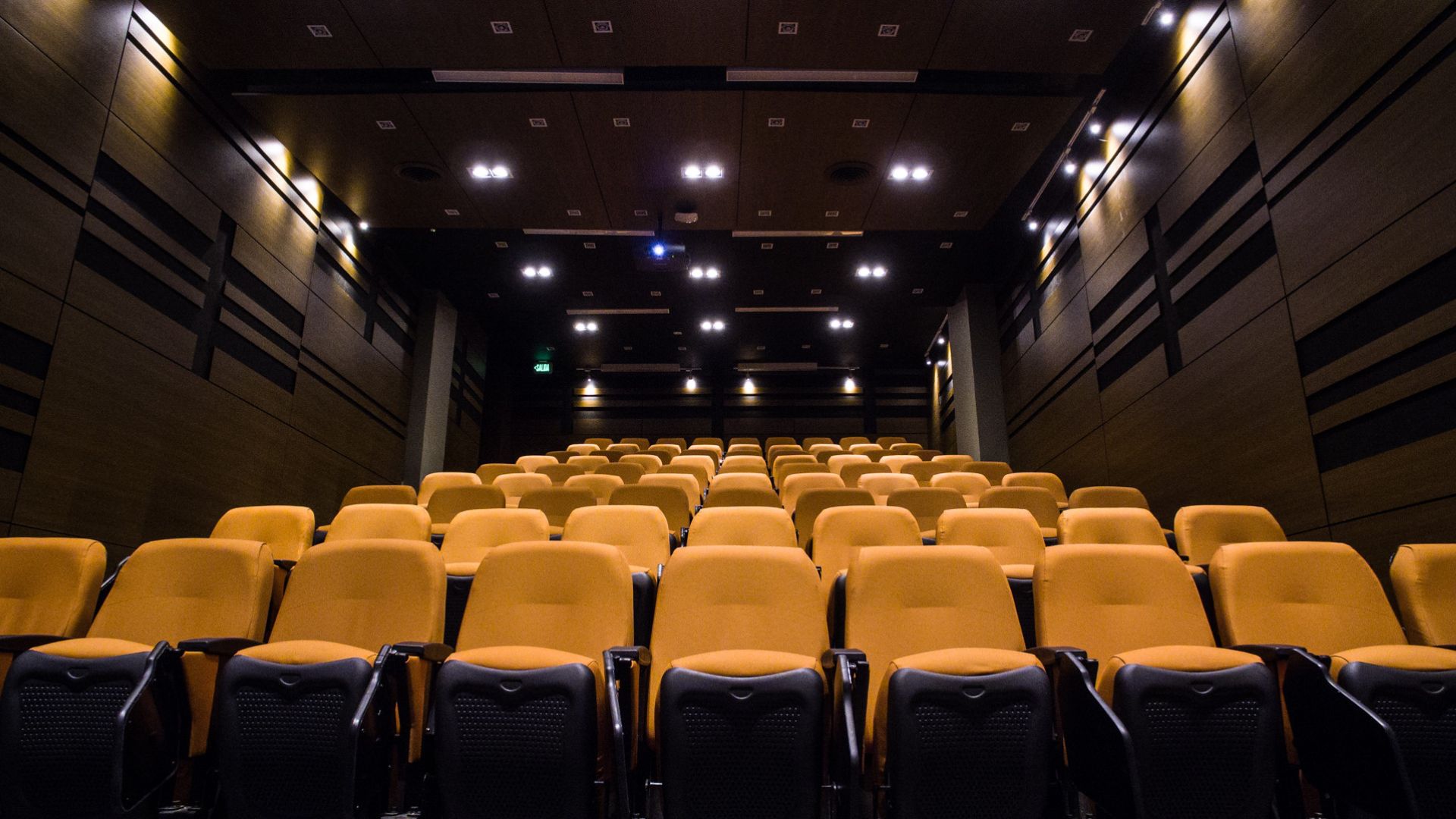
The serene ambiance of an empty theater, awaiting the thrill of a performance.
When conceptualizing architectural lighting for performing arts centers, we see the best outcomes when there’s a synergy between lighting professionals and architects from day one. Through collaboration, we ensure that the functional and aesthetic needs of the space are met cohesively. Integrated lighting design doesn’t merely complement architectural features—it brings them to life. By having open lines of communication, we tackle challenges head-on, allowing for innovative solutions that satisfy both the design team’s vision and the practical requirements of a high-performance space.
Understanding the Needs of the Performers and Production Staff
We recognize that the success of any performance hinges on the satisfaction of those on and behind the stage. It takes more than just providing adequate illumination—knowing the performers’ and production staff’s necessities is paramount. This includes understanding the genres of performances the center will host, which affects the flexibility of the lighting design. From the mood of a ballet to the vibrancy of a rock concert, each demands unique lighting setups. We always work closely with the stage crew, who provide invaluable insights into the demands of different shows, ensuring our lighting design can accommodate quick changes and is user-friendly behind the scenes.
Balancing Light and Shadow for Dramatic Effect
The interplay of light and shadow plays a vital role in conveying the emotional tone of any performance. We aim for a nuanced balance that accentuates set pieces, corners, and textures, creating a sense of depth and dynamic visual experiences. High contrast settings can evoke intense drama, while subtle gradations can convey serenity or mystery. Our expertise lies in devising lighting schemes that can swiftly transform the atmosphere according to the narrative’s requirements, setting the optimal scene for every act. The mastery of contrasts shapes not just the audience’s visual journey but also the performers’ ability to connect with their audience.
Conclusion
We’ve explored the transformative power of architectural lighting in performing arts centers and its critical role in elevating the audience’s experience. By embracing a collaborative approach and prioritizing the needs of all involved, we can craft spaces that not only dazzle but also support the artistry on stage. Let’s continue to push the boundaries of design, marrying functionality with creativity, and in doing so, we’ll ensure that every performance is cast in the best possible light.
Frequently Asked Questions
What is architectural lighting in the context of performing arts centers?
Architectural lighting refers to strategically designed lighting installations that enhance the functionality and aesthetics of performing arts spaces, influencing both the audience experience and stage performances.
Why is collaboration important in designing architectural lighting for these centers?
Collaboration ensures that lighting designers and architects work together to meet both the practical and artistic requirements of a performance space, leading to a cohesive and well-executed lighting strategy.
How does architectural lighting affect performers and production staff?
Proper architectural lighting is crucial for performers and staff, providing the necessary visibility for safety and precision, and also contributing to the mood and atmosphere required for different productions.
What role does the interplay of light and shadow have in performing arts centers?
The interplay of light and shadow helps create dramatic effects that can enhance storytelling, emphasize emotions, and generate visual interest, making it a pivotal element in stage design.
How can architectural lighting align with environmental consciousness?
Designing with LED fixtures, incorporating natural light, using energy-efficient systems, and implementing lighting controls can reduce the environmental impact while maintaining high-quality performance lighting.
Our Portfolio
CM: When Technology Meets Creativity

How Schallertech Transformed the Atlantic Museum into an Interactive Adventure


Project KK: Where Art and Technology Converge

SB Apartment – Lighting Redesign

R&R: A Journey of Design, Technology, and Passion
Innovation in Commercial Lighting: The Magic Behind the Verdi Project

Mutis Auditorium at Rosario University. The Greatest Acoustic Challenge We Have Faced.
Chapel Hacienda Las Marías. The Evolution of Lighting in Worship Spaces
Table of contents
- Importance of Architectural Lighting in Performing Arts Centers
- Types of Architectural Lighting in Performing Arts Centers
- Factors to Consider when Designing Architectural Lighting for Performing Arts Centers
- Best Practices for Architectural Lighting Design in Performing Arts Centers
- Conclusion
- Frequently Asked Questions