Table of contents
At Schaller Design Lab, we understand that clear communication is the linchpin of every successful meeting. That’s why we’re diving into the world of boardroom acoustics, where every word counts, and clarity is king.
We’ll unravel the secrets behind designing a space where ideas resonate, literally. Stay tuned as we explore how to fine-tune your meeting environment for productivity and comfort.
Importance of Boardroom Acoustics
Enhancing Communication
Optimizing boardroom acoustics often goes unnoticed, yet it’s a critical component in facilitating clear and effective communication. To ensure that every participant’s voice can be heard without straining, Design Lab knows the acoustics need to be pitch-perfect. Good acoustics minimize reverb and prevent sound from reflecting off hard surfaces, thus maintaining speech clarity.
Studies reveal that participants in rooms with optimized acoustics can follow discussions more easily and contribute more confidently. For instance, a study by the National Center for Biotechnology Information highlights that improved acoustic settings can lead to better retention of information.
Boardrooms with superior acoustical design allow for the nuances of human speech to come through unimpeded by background noise or echoes. Remember, in a setting where decisions are made and strategies are formed, every word counts. We prioritize communication by ensuring that our acoustic designs at Design Lab are second to none.
Eliminating Distractions
Boardroom distractions not only hinder productivity but also disrupt the overall flow of meetings. At Design Lab, we believe that a boardroom should foster a laser-focused environment where attention is paid only to the matter at hand. That’s why we implement acoustic solutions that help eliminate distracting noises that can enter from both outside and inside the building.
The intrusion of traffic noise, construction, or even the hum of office equipment can be mitigated with the right acoustic treatments. For example, installing sound-absorbing materials on walls and ceilings can significantly reduce the intrusion of unwanted sounds. Additionally, designing the boardroom with soundproofing in mind can prevent private conversations from leaking out, ensuring confidentiality.
By incorporating thoughtful acoustic design, we create meeting spaces where participants won’t miss a beat due to distracting noises. Our clients trust us at Design Lab to engineer boardroom spaces where professionals can maintain focus, ensuring that their meetings are as productive and effective as possible.
Our attention to these details makes all the difference in creating a boardroom that enhances performance and delivers results.
Factors Affecting Boardroom Acoustics
Room Layout and Design

A spacious, well-lit lecture hall equipped with comfortable seating and modern teaching aids, ready for an engaging educational session.
When we discuss the impact of room layout and design on boardroom acoustics, we’re looking at the blueprint of communication. The size and shape of the room directly influence how sound travels. For instance, a rectangular room allows for optimal sound distribution, whereas irregular shapes can cause audio distortion. Additionally, the presence of windows and doors affects sound insulation and, consequently, the privacy of discussions within the boardroom.
At Design Lab, we’ve observed that ceiling height plays a pivotal role in sound dynamics. Higher ceilings can lead to longer reverberation times, making speech less intelligible. On the flip side, very low ceilings might cause sound reflections that create echo effects. It’s crucial to strike a balance tailored to the specific dimensions and purposes of the space.
Materials Used
The materials chosen for a boardroom’s interior significantly shape its acoustic attributes. We consider various elements like wall coverings, flooring, and ceiling materials while optimizing acoustics.
Walls covered with acoustic panels or fabrics absorb sound waves, reducing reverberation and echo. Hard surfaces, like glass or concrete, reflect sound, which can amplify background noise. Choice of flooring is equally vital; carpets and specialized acoustic flooring can dramatically decrease sound propagation as opposed to hardwood or tile floors that tend to reflect and sometimes amplify sound.
Our experts at Design Lab seek materials that complement the aesthetic vision while fulfilling acoustic requirements, ensuring that the boardroom does not just appear impressive but also promotes clear auditory communication.
Furniture and Equipment Placement
Strategic placement of furniture and equipment is paramount for enhancing boardroom acoustics. The arrangement of tables, chairs, and electronic devices influences how sound moves around the room and how well participants can hear each other.
We ensure that furniture does not obstruct sound paths or create unwanted reflections that could degrade sound quality. Keeping electronic equipment such as speakers at an optimal distance from microphones minimizes the risk of feedback loops, ensuring clarity during presentations and conference calls.
Moreover, incorporating furnishing elements like plush chairs and drapes can incidentally serve as sound absorbers. This clever positioning, combined with acoustic knowledge, optimizes the room’s sound environment for an undistorted and confidential meeting experience.
Common Problems in Boardroom Acoustics
Echoes and Reverberation
We’ve all experienced that annoying echo when someone speaks in a room that’s not properly acoustically treated. Echoes and reverberation occur when sound bounces off hard surfaces, such as walls, ceilings, and even tables, leading to a cacophony of reflected noise. This makes it tough for participants to hear and understand each other. At Design Lab, our experience shows effective acoustic treatment is key in reducing these reflections, using strategic placement of sound-absorbing materials to minimize the persistence of sound after it’s been produced.
Background Noise
The hum of an air conditioner, the clattering of keyboards, or the murmur from the hallway can all conspire to disrupt a boardroom meeting. These background noises seep into our meeting spaces, diminishing the clarity of conversation. For us at Design Lab, minimizing background noise is a priority to maintain the confidentiality and focus necessary for boardroom discussions. Solutions such as soundproofing boardroom walls and using noise-canceling technology are just some of the methods we employ to ensure crystal clear communication.
Sound Transmission
Our discussions are not meant for ears outside the boardroom. Sound transmission – the travel of sound waves through walls, floors, and ceilings – can lead to breaches in confidentiality and distractions. Preventing sound leakage involves using dense materials and constructing double-walled barriers that provide insulation against inadvertent eavesdropping. Our designs often include installations meant to seal gaps and ensure that sensitive information remains within the confines of the boardroom.
Solutions for Improving Boardroom Acoustics
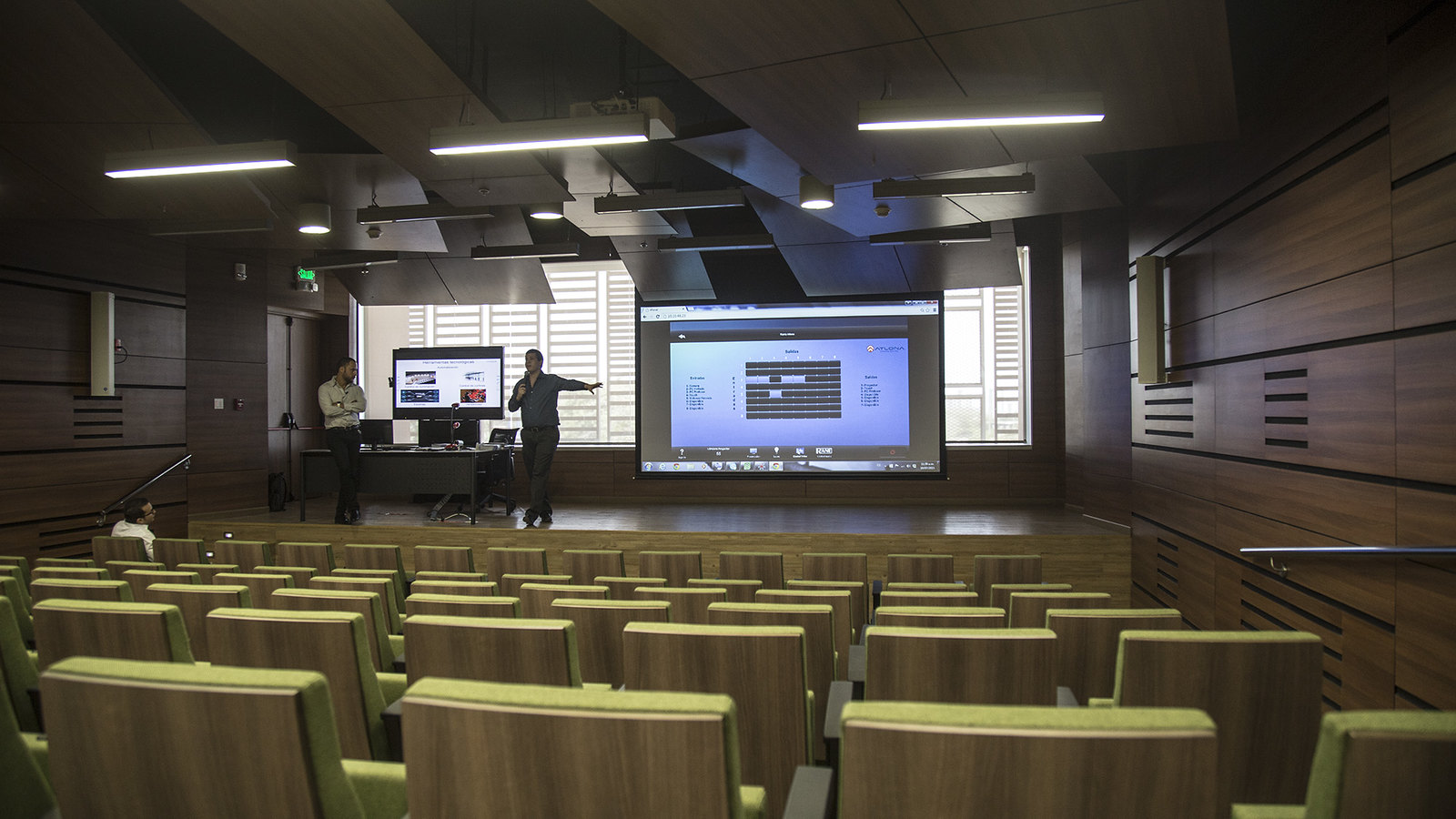
A spacious, modern auditorium equipped with comfortable seating and a large presentation screen, ready for an engaging educational or professional session.
Overcoming acoustic challenges requires effective solutions that balance aesthetics with functionality. With these strategies, not only can we mitigate common problems, but we can also enhance the overall sound quality within boardrooms.
Sound Absorbing Panels and Ceiling Treatments
In the quest for pristine boardroom acoustics, sound absorbing panels play a pivotal role. These panels trap sound waves to reduce reverberation, effectively curbing echoes that disrupt clear communication. At Design Lab, we’ve witnessed the transformative power of strategically placed panels first hand:
- Improve speech intelligibility
- Lower overall noise levels
- Blend with interior design
Ceiling treatments, often overlooked, are just as vital. With the right materials, ceilings can absorb sound energy rather than reflecting it. This is pivotal in rooms with high ceilings where sound has more space to bounce.
Acoustic Furniture and Equipment
Furniture isn’t just about aesthetics; it’s an acoustic ally. Soft furnishings and upholstered items naturally absorb sound. When we incorporate acoustic furniture into boardroom designs at Design Lab, we’re equipping the space with an added layer of sound control:
- Couches and padded chairs to dampen noise
- Fabric-covered partitions for spot treatment
- Carpeting to minimize floor reflections
The equipment itself, from microphones to speakers, must be chosen with precision. High-quality devices designed for boardroom environments ensure that audio is delivered and captured effectively without contributing to the acoustic issues.
Sound Masking Systems
While absorbing and blocking sound are crucial, sometimes the focus shifts to adding sound to maintain privacy. Sound masking systems emit a background noise, akin to airflow, that masks conversations. This sound:
- Renders speech less intelligible outside the room
- Protects confidential information
- Creates a consistent sonic environment
Our solutions at Design Lab don’t just hide conversations; they enhance concentration, preventing the intrusion of variable noises that interrupt focus and productivity.
Conclusion
We’ve explored the key strategies to elevate boardroom acoustics, ensuring every discussion is as clear and private as it should be. By integrating sound-absorbing materials and acoustic furnishings, we can significantly diminish distractions. Coupling these with sound masking technology, we create an environment conducive to productivity and confidentiality. Remember, it’s not just about the immediate improvements—investing in superior acoustics pays off by fostering effective communication and decision-making in the professional spaces where it matters most. Let’s make our boardrooms not only look but also sound the part.
Frequently Asked Questions
What are the main solutions for improving boardroom acoustics?
Sound absorbing panels and ceiling treatments are effective at reducing reverberation, while acoustic furniture and equipment can help control sound levels. The use of sound masking systems is also beneficial for maintaining privacy and creating a consistent sound environment.
Why is it important to reduce reverberation in boardrooms?
Reducing reverberation is key to enhancing speech intelligibility and minimizing distractions during meetings, which can improve overall communication and productivity.
Can acoustic treatments be aesthetically pleasing?
Yes, modern acoustic treatments combine functionality with aesthetics, offering design options that can complement the decor of a boardroom space.
How do sound masking systems improve boardroom privacy?
Sound masking systems emit a background noise that is engineered to match the frequency of human speech, making conversations harder to discern from outside the boardroom, thus maintaining privacy.
Is it possible to control sound levels without compromising boardroom design?
Absolutely, there are numerous options for acoustic furniture and equipment that are designed to blend seamlessly with a boardroom’s design while effectively managing the acoustics.
Our Portfolio

Turning Stars into Experiences: The Remodeling of the Combarranquilla Planetarium by Schallertech

Innovation in Commercial Lighting: The Magic Behind the Verdi Project


Metropolitan Stadium: Clear and Powerful Sound with Renkus-Heinz Speakers

Apartment in Barranquilla: Home Automation and Lighting
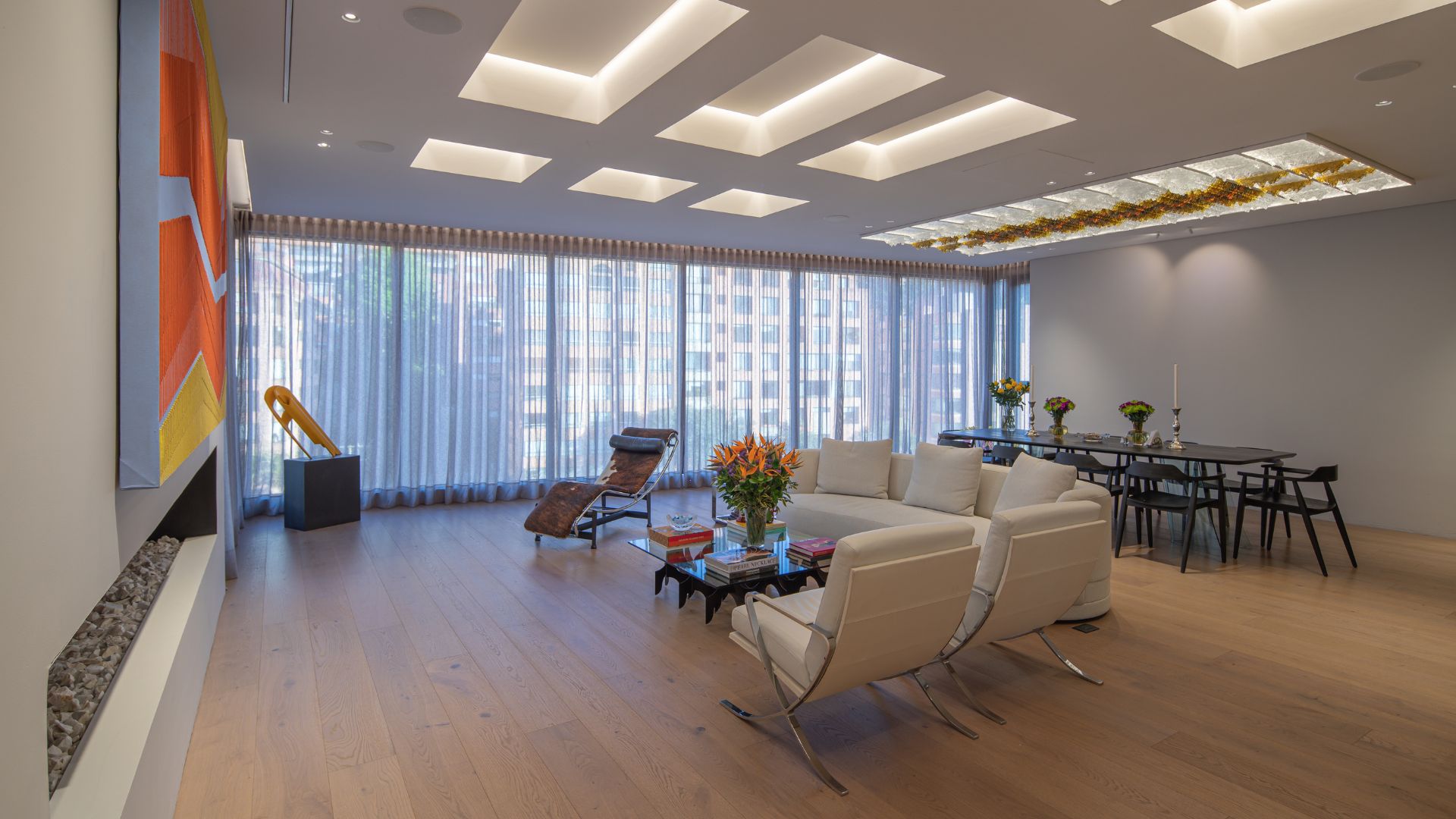
GP Apartment: Exceptional Design and Technology

Art and Light: Contemporary Design in the SB Apartment
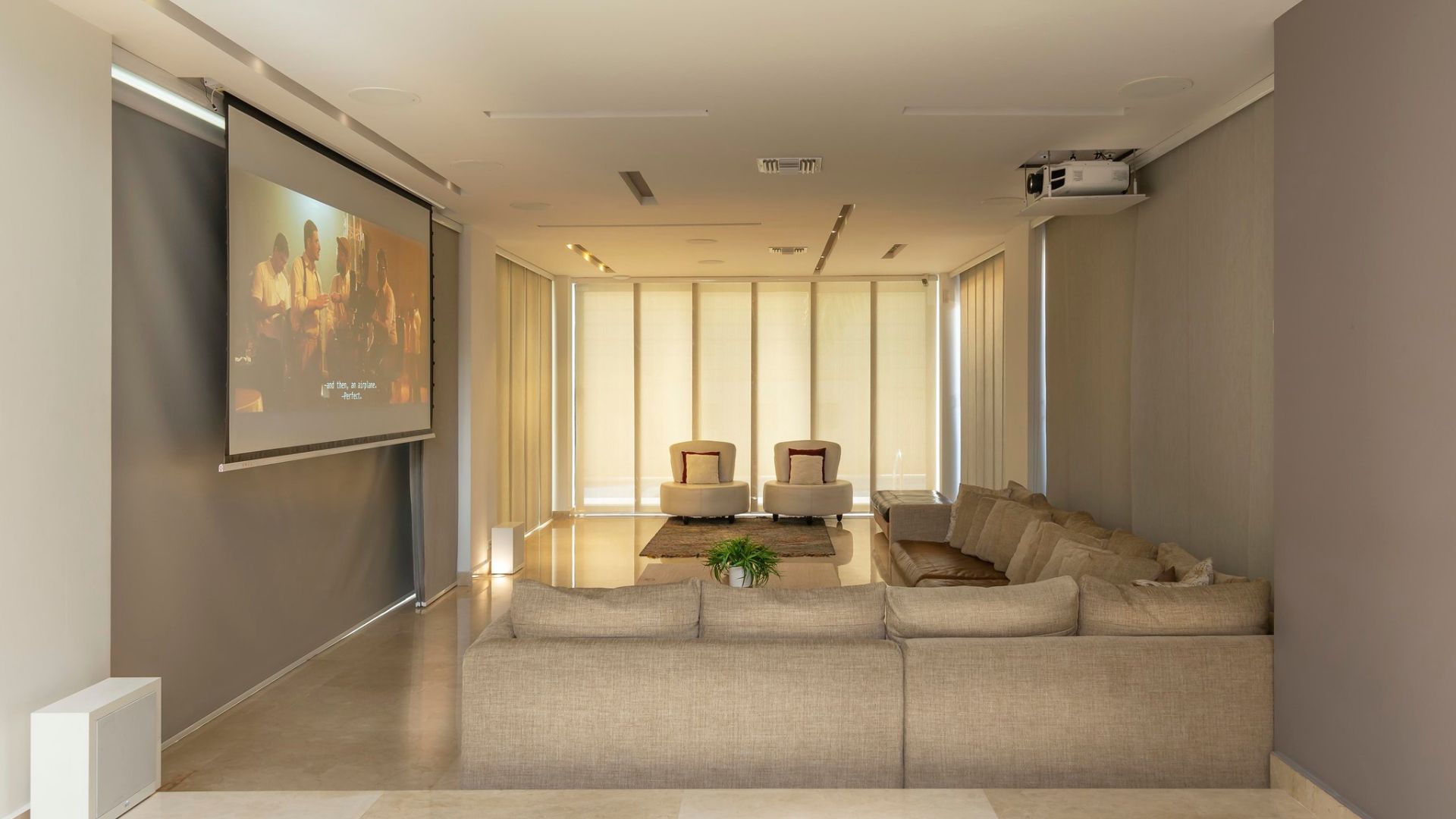
Smart and Exceptional Design: TC Project

Table of contents