Table of contents
The Importance of Good Sound in Auditoriums
Sound is a fundamental element in any event taking place in an auditorium. Whether it’s a conference, a concert, a play, or a ceremony, the sound must be clear, crisp, and balanced so that the audience can enjoy and appreciate the content.
A good sound system in auditoriums not only improves audio quality but also enhances the audience’s experience and the success of the event. Quality sound enables effective message delivery, captures the audience’s attention and interest, generates positive emotions and sensations, and fosters participation and feedback.
In this article, we will explain how to design, install, and maintain an auditorium sound system that meets your expectations and needs. We will cover the key elements of a sound system, the acoustic characteristics of the auditorium, and recommendations for optimizing sound quality.
Auditorium Acoustic Design
The auditorium’s acoustic design is the process of adapting the physical space of the auditorium for optimal sound conditions. Acoustic design impacts sound quality by determining how sound propagates, reflects, and is absorbed within the auditorium.
A good acoustic design should consider the type of event being held, the number and distribution of attendees, ambient noise levels, and the features of the sound system. The goal is to achieve consistent, intelligible, and pleasant sound throughout the auditorium.
Auditorium Acoustic Characteristics
The auditorium’s acoustic characteristics are parameters that define the acoustic quality of the space. Some of the most important acoustic characteristics include:
- Sound level: this is the intensity or volume of sound perceived in the auditorium. It depends on the power of the sound system, the distance between sound sources and receivers, and the absorption or reflection of sound by the auditorium’s surfaces.
- Sound energy distribution: this is how sound spreads throughout the auditorium. It depends on the location and orientation of the sound sources (speakers) and receivers (attendees) and the shape and size of the auditorium.
- Reverberation time: this is the time it takes for sound to decrease by 60 decibels after the sound source has stopped. It depends on the absorption or reflection of sound by the auditorium’s surfaces. An appropriate reverberation time should allow for good speech intelligibility and a pleasant musical sensation.
- Acoustic defects: these are phenomena that degrade the acoustic quality of the auditorium. Examples include echoes, late reflections, sound concentrations, resonances, external or internal noise, etc.
Recommendations for Improving Auditorium Acoustics
 Carlos Corredor Auditorium Project at Simón Bolívar University. (During acoustic intervention)
 Carlos Corredor Auditorium at Simón Bolívar University. (Final Result)
To improve the acoustics of the auditorium, some measures can be applied such as:
- Using absorbent or reflective sound materials on walls, ceilings, and floors as appropriate. Absorbent materials reduce the sound level and the reverberation time by dissipating the sound energy. Some examples are carpets, acoustic panels, or acoustic foam. Reflective materials increase the sound level and the reverberation time by returning the sound energy. Some examples are wood, metal, or glass.
- Placing diffusing or scattering sound elements on reflective surfaces to avoid undesirable concentrations or reflections. Diffusing elements can be decorative or architectural objects that have irregular or curved shapes that scatter the sound in different directions.
- Installing a modular false ceiling with acoustic treatment to improve the distribution and uniformity of sound in the auditorium. The false ceiling is a structure suspended below the original ceiling that allows the placement of technical equipment such as speakers, lights, or ventilation systems. The acoustic treatment may consist of absorbent or reflective panels as appropriate.
The Key Elements of a Sound System for Auditoriums

A sound system for auditoriums is the set of electronic equipment that allows capturing, processing, amplifying, and reproducing sound in an auditorium. The key elements of a sound system for auditoriums are:
Microphones
There are different types of microphones based on their shape, size, technology, or polar pattern. The polar pattern is the way the microphone captures sound based on its direction.

Some common types of microphones based on their polar pattern are:
- Omnidirectional: captures sound equally from all directions. Useful for capturing environments or groups.
- Cardioid: captures sound mainly from the front and rejects sound from the back. Useful for capturing voices or individual instruments.
- Supercardioid: captures sound from a narrower area than cardioid and rejects more ambient noise. Useful for capturing distant sources or those with a lot of surrounding noise.
- Bidirectional: captures sound from two opposite directions (front and back) and rejects the rest. Useful for capturing dialogues or interviews.
Choosing the right type of microphone depends on the type of source, the distance between it and the microphone, the level of ambient noise, and the desired effect.
Speakers
There are different types of speakers based on their shape, size, power, or frequency. Frequency is the measure of the number of cycles per second that a sound wave completes.
Each speaker has different components based on their frequency, such as:
- Subwoofer: reproduces the lowest frequencies (bass) of the sound spectrum (between 20 Hz and 200 Hz). Useful for adding body and depth to the sound.
- Woofer: reproduces the mid-low frequencies (mid-bass) of the sound spectrum (between 200 Hz and 2 kHz). Useful for adding warmth and presence to the sound.
- Tweeter: reproduces the highest frequencies (treble) of the sound spectrum (between 2 kHz and 20 kHz). Useful for adding brightness and clarity to the sound.
Choosing the right type of speaker depends on the type of event, the size of the auditorium, the desired quality, and the available budget.
The location and orientation of the speakers also influence the sound quality by determining how it is distributed and perceived by the audience.
Some general recommendations for placing and orienting the speakers are:
- Place the speakers at a sufficient height so that the sound is not obstructed by attendees or stage objects.
- Take into account each speaker’s dispersion pattern, so that the sound reaches all attendees evenly.
- Avoid placing the speakers near reflective or absorbent surfaces that may alter the sound.
- Use additional or reinforcement speakers if the auditorium is very large or has areas with poor coverage.
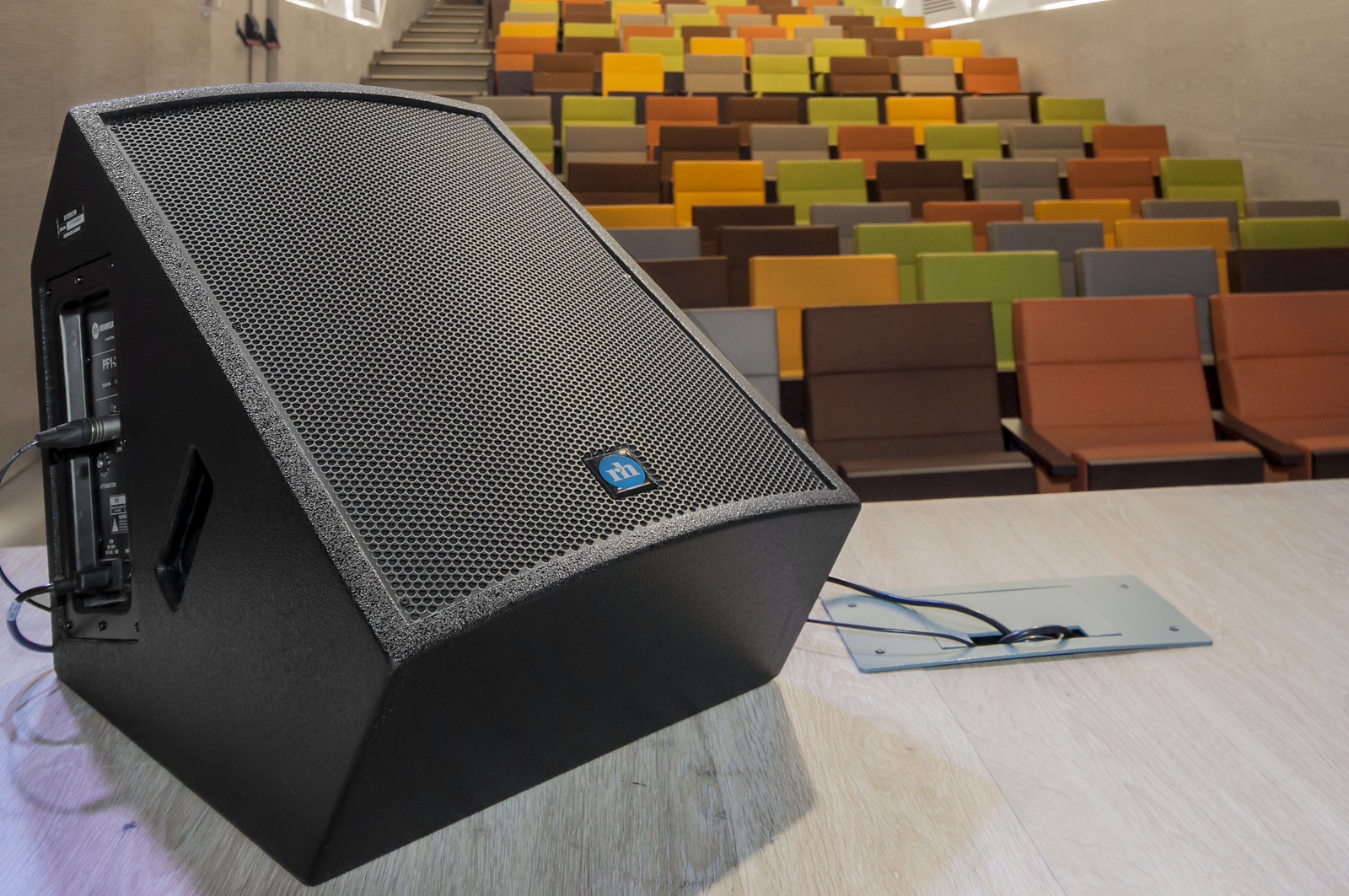
At Schallertech, we work hand in hand with our partner Renkus-Heinz, which has special technology to ensure the best sound in complex spaces like auditoriums, theaters, and churches. This technology is known as Steerable Array. In the following video, you can see a comparison between a traditional speaker and a Renkus-Heinz speaker with Steerable Array technology.
Audio Mixers
Audio mixers are devices that allow the combination, modification, and control of audio signals from different sources. They are crucial for an auditorium sound system because they enable adjustments to the level, tone, balance, and effect of each sound source according to the needs of the event.
There are different types of audio mixers based on their size, capacity, functionality, or technology. Some common types of audio mixers are:
- Analog: use electronic components like resistors, capacitors, or transistors to process audio signals. They are simpler and less expensive than digital ones, but also more limited and prone to noise.
- Digital: use processors and software to process audio signals. They are more complex and costly than analog ones, but also more versatile and accurate.
- Hybrid: combine both analog and digital elements to take advantage of both systems’ strengths.
Choosing the right type of audio mixer depends on the number and type of sound sources, the desired quality, and the available budget.
The correct use of the audio mixer requires technical knowledge and experience to achieve optimal sound. Some general recommendations for using the audio mixer are:
- Connect sound sources to the mixer following the correct order and polarity.
- Label each mixer channel with the corresponding source’s name to facilitate its identification and control.
- Adjust the level of each mixer channel to avoid saturation or distortion of sound.
- Equalize each mixer channel to enhance or attenuate desired or undesired sound frequencies.
- Apply effects such as reverb, delay, or chorus to each mixer channel to create environments or sensations in the sound.
- Control the overall volume and balance of the sound through the master channel of the mixer.
Amplifiers
The amplifiers are devices that increase the power or intensity of audio signals coming from the mixer. They are necessary for the sound to be reproduced by the speakers at a sufficient level and quality.
There are different types of amplifiers based on their power, efficiency, distortion, or technology. Some common types of amplifiers are:
- Class A: amplify the entire signal without clipping or distorting it. They are the most faithful and linear but also the least efficient and hottest.
- Class B: amplify the signal in alternate parts, clipping the negative or positive part. They are more efficient and cooler than Class A but also more distorted and noisy.
- Class AB: combine the characteristics of Class A and B, amplifying the entire signal with slight distortion. They strike a balance between fidelity and efficiency.
- Class D: convert the analog signal into digital using pulse modulation. They are the most efficient and coolest but also the most complex and prone to interference.
Choosing the appropriate type of amplifier depends on the type and power of the speakers, the desired quality, and the available budget.
The correct connection of the amplifier requires following technical specifications and safety standards. Some general recommendations for connecting the amplifier are:
- Connect the mixer output to the amplifier input using balanced cables to avoid noise and interference.
- Connect the amplifier output to the speaker input using cables appropriate to the type and power of the speakers.
- Adjust the impedance (electrical resistance) of the amplifier to match the impedance of the speakers to prevent damage or losses in sound.
- Adjust the gain (level) of the amplifier to the optimal level without exceeding the maximum limit to avoid saturation or distortion in sound.
How to Design a Sound System for Auditoriums

Designing a sound system for auditoriums is a complex task that requires planning, knowledge, and creativity. There is no single or universal formula for designing a perfect sound system; it depends on the specific characteristics of each project.
However, some general steps can be followed to design a sound system that meets the client’s needs and expectations. These steps are:
Venue Analysis
The first step is to analyze the venue where the sound system will be installed. The venue determines the acoustic, technical, and logistical conditions of the project.
Some factors to consider when analyzing the venue are:
- Size: refers to the physical dimensions of the auditorium, such as its length, width, and height. The size influences the power, quantity, and location of the equipment needed to cover the space with an adequate level of sound.
- Acoustics: refers to the acoustic characteristics of the auditorium, such as its shape, materials, reverberation time, or acoustic defects. The acoustics influence the quality, tone, and effect of the sound within the auditorium.
- Type of events: refers to the kinds of activities that will take place in the auditorium, such as conferences, concerts, plays, or ceremonies. The type of events influences the kind, number, and distribution of sound sources, as well as the audience’s expectations and preferences.
Equipment Selection
The second step is to select the equipment that will make up the sound system. The equipment should be compatible with each other, suitable for the venue and the type of events, and fit within the available budget.
Some factors to consider when selecting equipment are:
- Type: refers to the kinds of equipment that will be used, such as microphones, speakers, mixers, or amplifiers. The type of equipment should correspond to the type of sound sources, desired quality, and required functionality.
- Quantity: refers to the number of pieces of equipment that will be used, such as the number of microphones, speakers, mixer channels, or amplifier outputs. The quantity of equipment should be sufficient to cover the entire space with an adequate and uniform level of sound, without generating excesses or deficiencies.
- Location: refers to the place where the equipment will be placed, such as the stage, ceiling, walls, or floor. The location of the equipment should allow for optimal capture, processing, amplification, and reproduction of sound, without obstructing or interfering with other elements.
Installation and Testing
The third step is to install and configure the sound system in the auditorium. Installation and configuration should be carried out following technical specifications, safety standards, and practical recommendations.
Designing a sound system for auditoriums is a complex task that requires planning, knowledge, and creativity. There is no single or universal formula for designing a perfect sound system; it depends on the specific characteristics of each project.
However, some general steps can be followed to design a sound system suitable for the client’s needs and expectations. These steps are:
Venue Analysis
The first step is to analyze the venue where the sound system will be installed. The venue determines the acoustic, technical, and logistical conditions of the project.
Some factors to consider when analyzing the venue are:
- Size: refers to the physical dimensions of the auditorium, such as its length, width, and height. Size influences the power, quantity, and location of the necessary equipment to cover the space with an adequate level of sound.
- Acoustics: refers to the acoustic characteristics of the auditorium, such as its shape, materials, reverberation time, or acoustic defects. Acoustics influence the quality, tone, and effect of the sound within the auditorium.
- Event Type: refers to the type of activities that will take place in the auditorium, such as lectures, concerts, theatrical performances, or ceremonies. The type of events influences the type, number, and distribution of sound sources, as well as audience expectations and preferences.
Equipment Selection
The second step is to select the equipment that will make up the sound system. The equipment must be compatible with each other, suitable for the venue and event type, and fit within the available budget.
Some factors to consider when selecting equipment are:
- Type: refers to the kinds of equipment to be used, such as microphones, speakers, mixers, or amplifiers. The type of equipment should match the types of sound sources, desired quality, and required functionality.
- Quantity: refers to the number of equipment pieces to be used, such as the number of microphones, speakers, mixer channels, or amplifier outputs. The number of equipment should be sufficient to cover the entire space with an adequate and uniform level of sound, without creating excess or deficiencies.
- Location: refers to where the equipment will be placed, such as the stage, ceiling, walls, or floor. The location of the equipment should allow for optimal capture, processing, amplification, and reproduction of sound, without obstructing or interfering with other elements.
Installation and Testing
The third step is to install and configure the sound system in the auditorium. Installation and configuration should be carried out following technical specifications, safety standards, and practical recommendations.
Some tasks to perform during installation and configuration are:
- Connect the equipment to each other using cables suitable for the type, power, and polarity of each piece of equipment.
- Place and orient the equipment according to the design, considering aspects such as distance, height, angle, and symmetry of each piece of equipment.
- Adjust the level, tone, balance, and effect of each sound source using the audio mixer, aiming for a clear, crisp, and balanced sound.
- Control the volume and overall sound balance using the master channel of the audio mixer, aiming for a uniform, intelligible, and pleasant sound.
- Conduct sound tests with different sources and in different areas of the auditorium, ensuring that the sound is heard correctly and without issues.
Recommendations to avoid problems or inconveniences during the installation and configuration of the sound system for auditoriums
During the installation and configuration of the sound system for auditoriums, problems or inconveniences that affect the final result may arise. Some examples are:
- Interferences: are alterations or distortions of the sound caused by the presence of other electrical or electromagnetic signals. These can be avoided by using shielded or screened cables, separating equipment that generates interference, or using different frequencies.
- Unwanted noise: are unwanted sounds that mix with the main sound. These can be external (coming from the environment) or internal (coming from the equipment). These can be avoided by using directional microphones, placing the equipment away from noise sources, or using noise filters or suppressors.
- Distortions: are deformations or alterations of the original sound. These can be harmonic (changes in tone) or non-harmonic (changes in the waveform). These can be avoided by using quality equipment, correctly adjusting levels, and properly equalizing the sound.
- Feedbacks: are sound loops or feedback that occur when the sound reproduced by the speakers is captured by the microphones and amplified again. These can be avoided by placing microphones away from speakers, orienting speakers towards the audience and not towards the stage, reducing the level or gain of microphones, or using feedback filters or suppressors.
- Short Circuits: These are electrical faults that occur when there is improper contact between two conductors with different electrical potential. They can be avoided by using cables in good condition, correctly connecting equipment according to their polarity, and protecting the equipment from moisture or heat.
Maintenance and Upgrade of the Sound System

We are a leading company in auditorium sound systems with over 20 years of experience in the industry, having successfully completed a large number of projects. Some reasons to choose us include:
- Quality: We work with the best brands and materials in the market, ensuring an optimal and lasting result.
- Professionalism: We have a highly qualified and experienced human team capable of solving any technical or creative challenge.
- Customization: We adapt to your needs and expectations, offering you a tailored service to your liking.
- Warranty: We offer you a complete and direct warranty with the manufacturers on our products and services, ensuring your absolute peace of mind.
At Schallertech, we offer a wide range of services related to auditorium sound systems. Some of our most prominent services include:
- Design: We help you plan and design your ideal sound system, taking into account the acoustic characteristics of the auditorium, the type of events, and your available budget.
- Installation: We swiftly and efficiently install your sound system, following safety guidelines and practical recommendations.
- Maintenance: We provide regular and preventive maintenance for your sound system, inspecting, cleaning, and repairing your equipment when necessary.
- Upgrade: We incorporate the latest innovations and technologies into your sound system, enhancing your capacity, quality, and functionality.
If you’re interested in our services or want to learn more about us, you can easily contact us through:
- WhatsApp: You can send us a message, and we will respond as soon as possible.
- Form: You can fill out our online form with your information and query, and a consultant will contact you without obligation.
Don’t hesitate any longer and trust Schallertech, your partner in auditorium sound systems.
Our Portfolio
Lighting that Inspires: An Exceptional Design Project
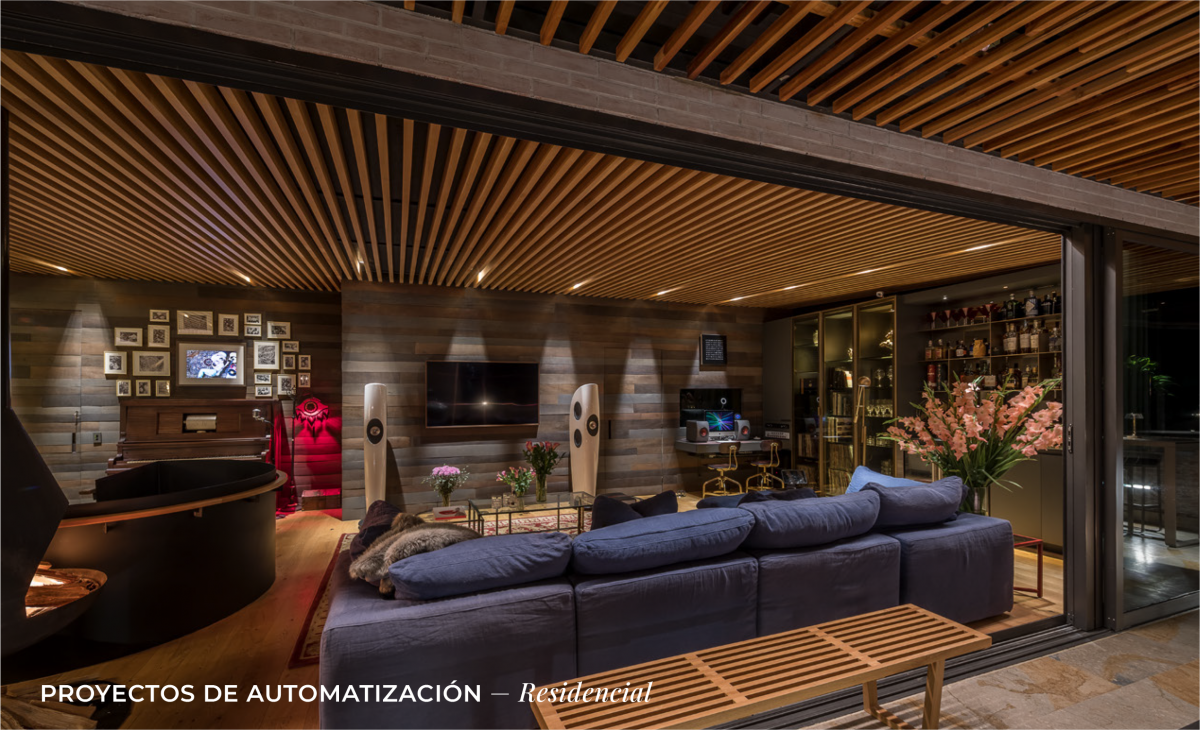
The House in the Air: Technological Transformation
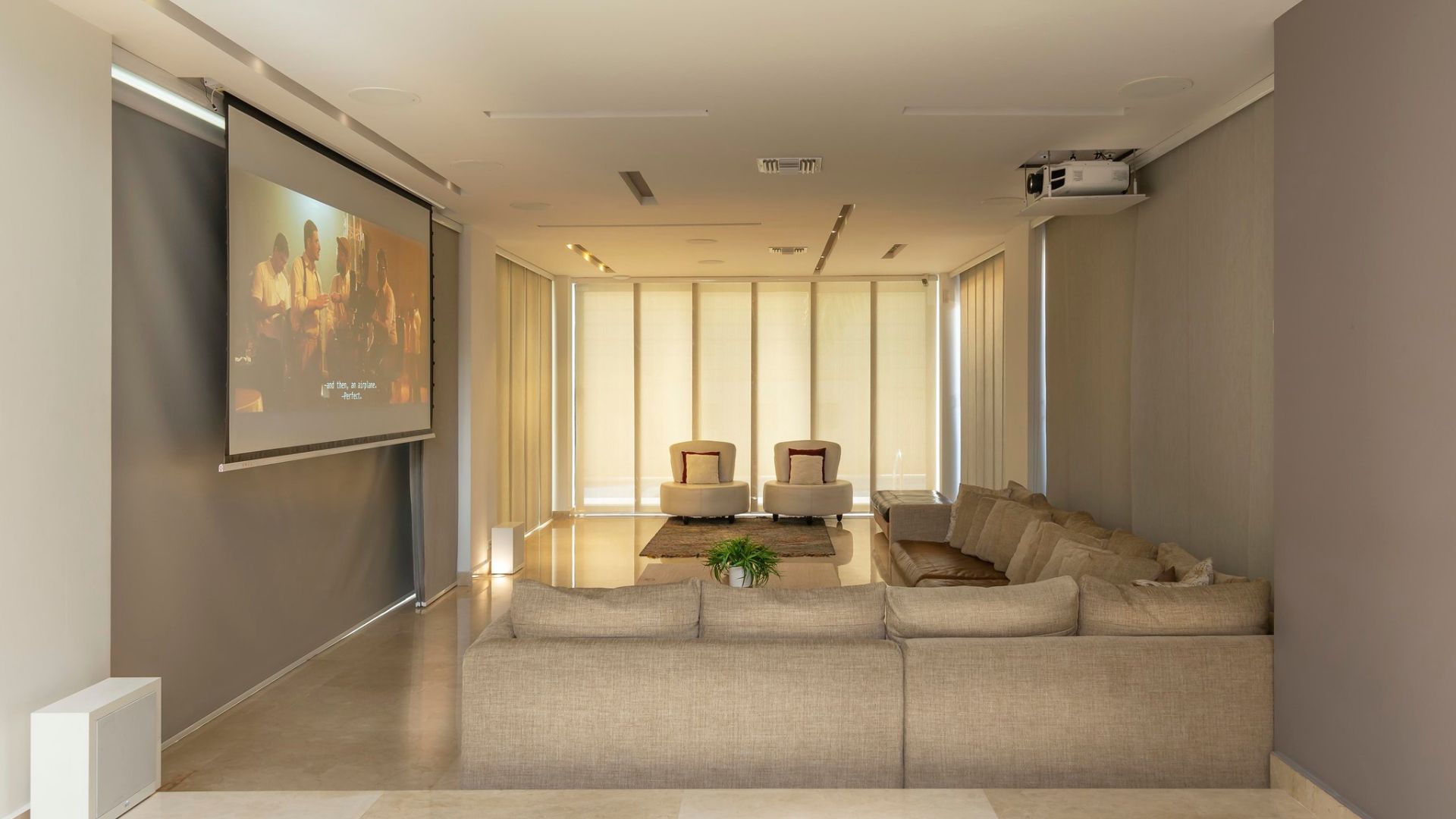
Smart and Exceptional Design: TC Project

Designing the Sound and Visual Experience of Teriyaki Komodo Restaurant: A Case of Technological Innovation

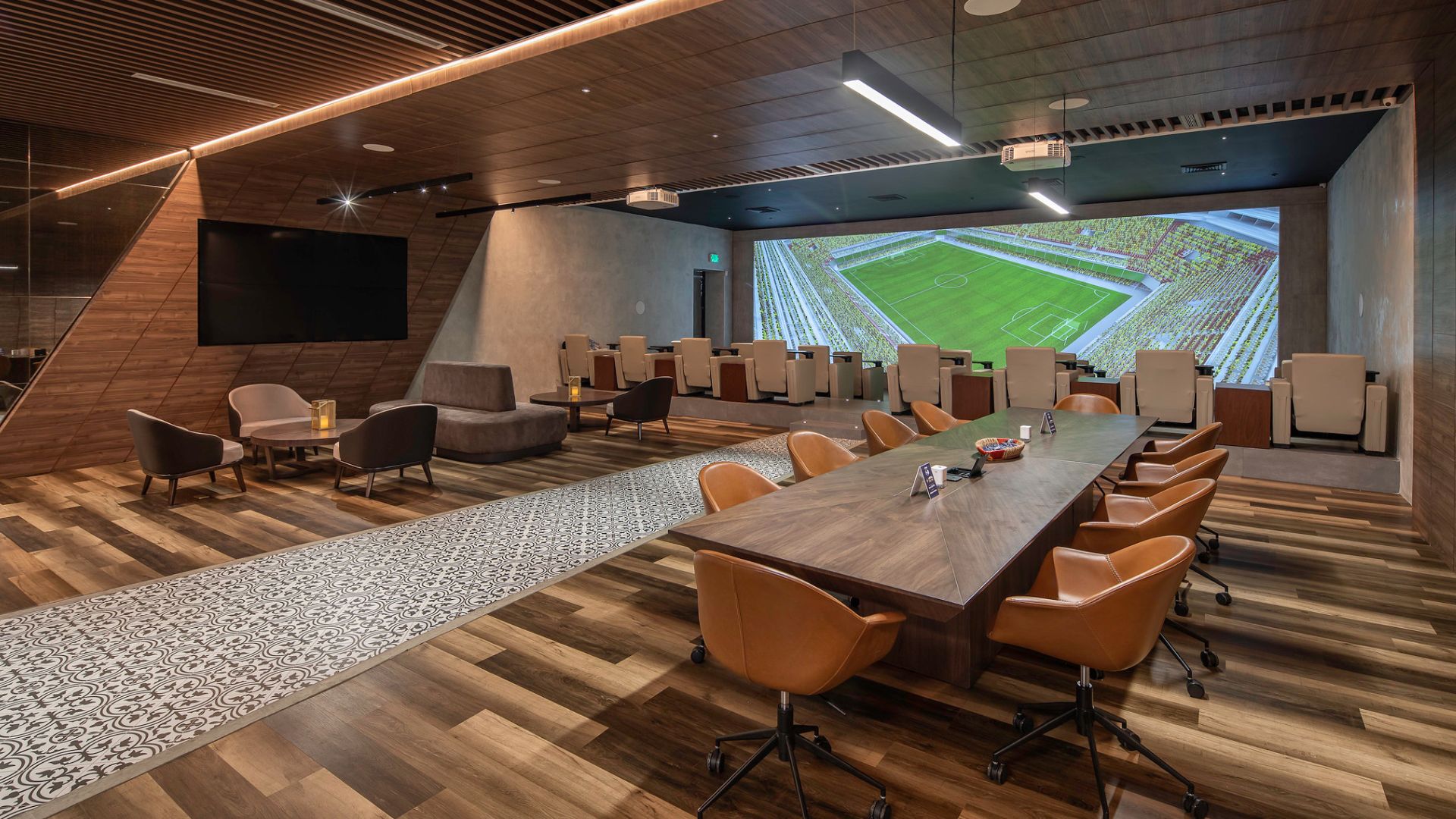
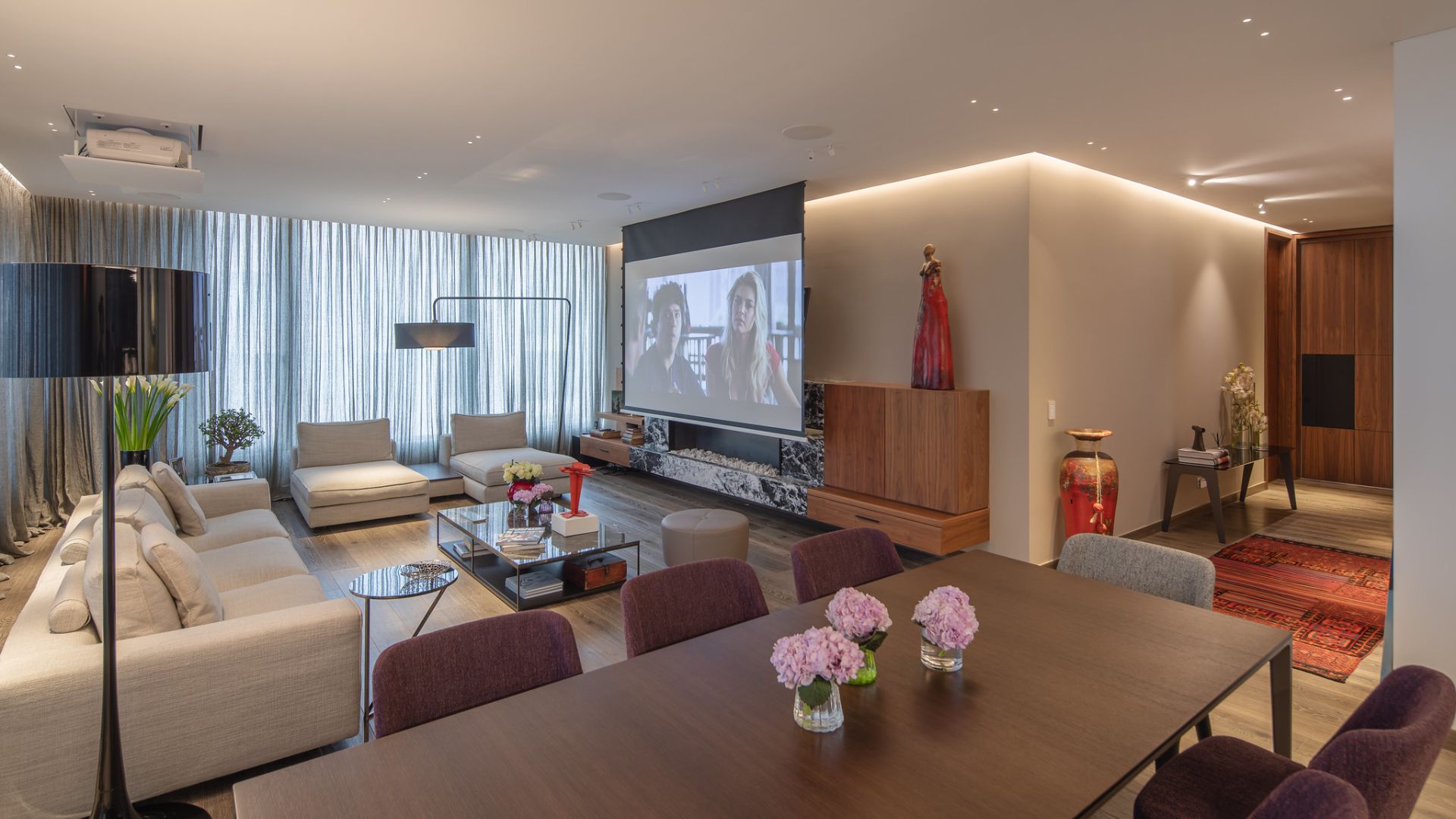

Metropolitan Stadium: Clear and Powerful Sound with Renkus-Heinz Speakers

Project KK: Where Art and Technology Converge
Table of contents